
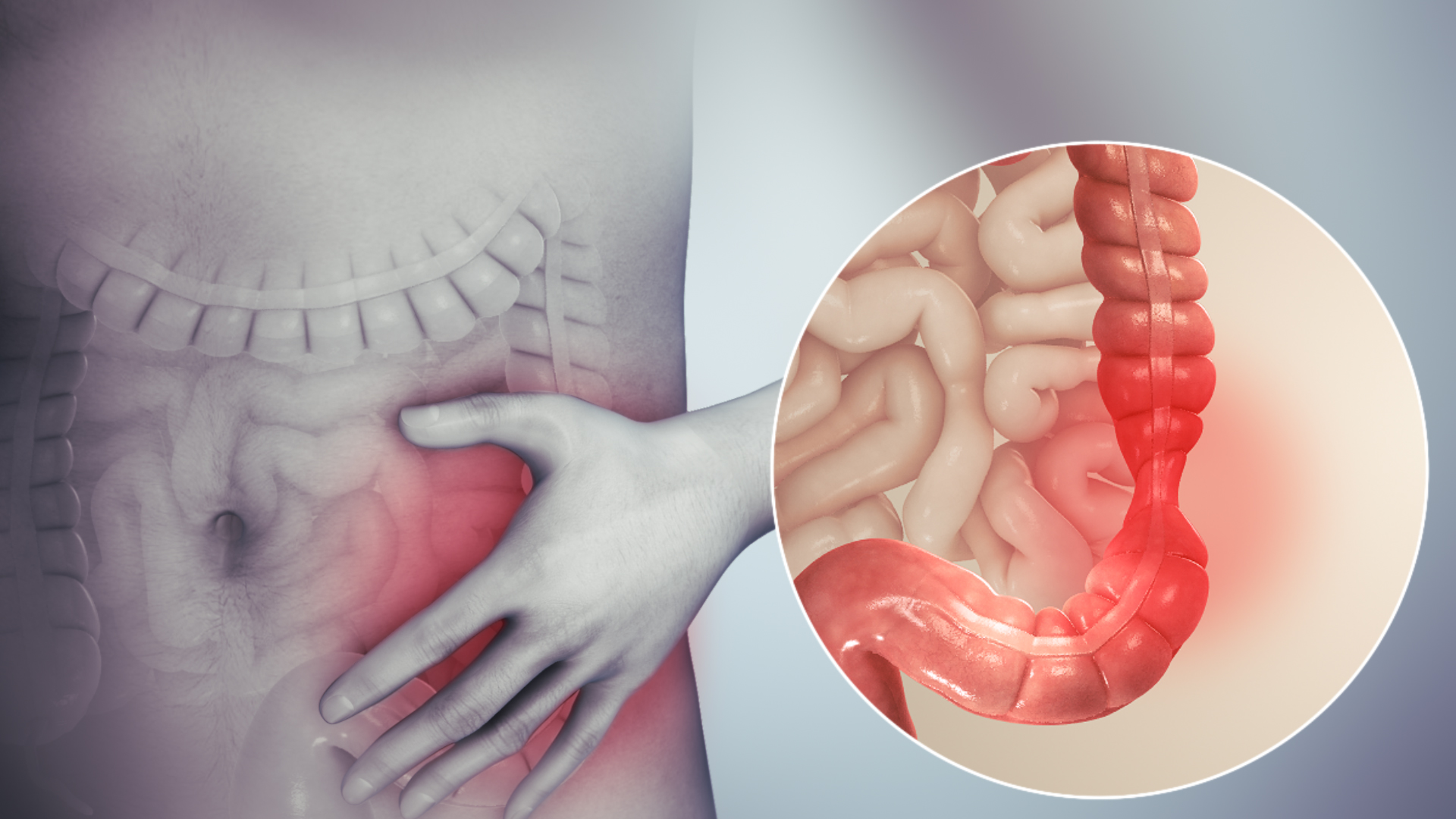
IBS or irritable bowel syndrome is a complex disorder of the gut that’s characterized by abdominal pain, and change in bowel habits or pain with bowel movement. There are other names of this syndrome, including spastic colon, IBS colitis, mucous colitis, spastic bowel and nervous colon.
While IBS is not life-threatening, it can substantially impact the quality of living. This life-long problem can take a toll on both the physical and the mental health. If you suffer from IBS, gastroenterologist in Islamabad can help you manage the symptoms.
What are the types of IBS?
There are four main types of IBS. For people who have constipation more often, the subtype is known as IBS with constipation or IBS-C. Another subtype, IBS-D occurs in people with predominant diarrhea. Some people with both diarrhea and constipation have the mixed type of IBS, known as IBS-M. For the rest of the cases, that do not fall into any category, doctors call it the unsubtyped IBS, or IBS-U.
What are the symptoms of IBS?
Depending on the subtype of IBS, there can be: diarrhea alternating with constipation, diarrhea alone, or constipation alone. Additionally, there can be pain in the abdomen following bowel movement, that gets worse after meals, bloating, changes in the consistency of stools or mucus in the stool. In some cases, people suffer from incomplete evacuation i.e. feeling the need to go again, even after having a bowel movement. Excessive tiredness, depression, heartburn and indigestion are all parts of IBS.
IBS is diagnosed if these symptoms occur weekly for at least three months in the absence of any other organic disease.
Alarm symptoms of organic diseases, not associated with IBS include: weight loss, fever, blood in stool, nocturnal symptoms of gastrointestinal discomfort, new-onset of symptoms, recent use of antibiotics, abdominal mass and enlarged lymph nodes.
Relationship between food and IBS
As of yet, there is little scientific data that correlates food intolerance with IBS. However, foods most associated with exacerbation include caffeine, milk, alcohol, spices, fructose, wheat and grains. Moreover, there is no association between food allergies and IBS, since the former occurs through mediation of immunoglobulin E (Ig-E) associated antibodies to food protein, none of which play a role in IBS.
Investigation for IBS
Even though most investigations prove inconclusive, your healthcare provider may choose to run a bunch of tests to rule-out other diseases. The investigations include: flexible sigmoidoscopy to check for signs of inflammatory changes in the bowels. X-rays, and upper GI endoscopy if there are also symptoms of indigestion and heart burn. Stool tests for infectious agents or blood. Thyroid function tests and blood tests.
Treatment options and home care
There is not a one size fits all type of treatment option for IBS. Different treatments work for different people.
Lifestyle changes may be recommended by Best Gastroenterologist in Lahore with inclusion of more fiber based diet, and avoidance of caffeine. Additionally, medications like bulking agents, and antibiotics can help in regulating the gut flora. Bloating and abdominal pain is attenuated with the help of anti-spasmodic agents and antidepressants.




Discussion about this post