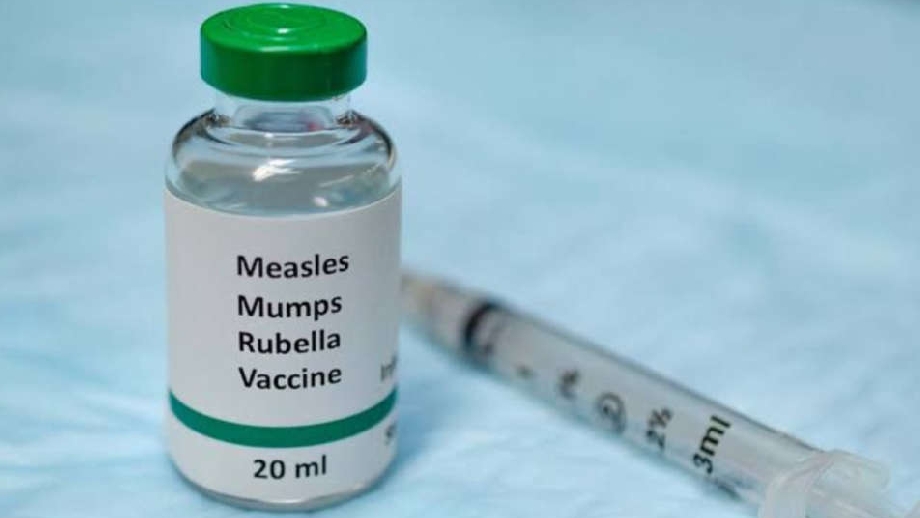
The Lagos State Government will launch a 10-day measles-rubella vaccination campaign from January 27 to February 5, 2026.
The goal is to eliminate vaccine-preventable diseases while improving child health outcomes.
Dr. Akinu Adola, coordinator of the Lagos State Immunization Program, said the program will target nearly 10.5 million children aged nine months to 14 years across the state.
He stated that community mapping has been completed, and roughly 5,000 trained health workers will be deployed.
According to Adola, the teams would cover the entire state, including riverine and remote areas.
He also said that traditional leaders and other stakeholders have been consulted to increase public trust and acceptance of the vaccine.
What is rubella?
Rubella, commonly known as German measles, is a contagious viral infection that results in a rash, fever, and enlarged lymph nodes. It is often minor, although it can be dangerous in pregnant women. It can result in birth defects, miscarriage within the first 12 weeks of pregnancy, or congenital rubella syndrome (CRS) in neonates.
How can rubella be contracted?
A check by WITHIN NIGERIA indicated that rubella can be contracted by coming into direct touch with an infected person’s respiratory droplets, such as coughing, sneezing, or talking.
It was also learned that rubella can be contracted by contacting infected surfaces and then touching faces without first washing hands with soap and water. It can also pass from mother to kid during pregnancy.
Symptoms of Rubella?
Rubella symptoms are usually mild. These symptoms include rash (pink or red spots) on the face, trunk, and limbs; fever; swollen lymph nodes (especially behind the ears and neck); headache; and joint pain (common in adults).
What is the rubella vaccine?
The rubella vaccine protects against rubella, often known as German measles. It is a live attenuated vaccine designed to prevent rubella. It is frequently given in conjunction with the measles and mumps vaccines (MMR).
It reduces infection and difficulties in neonates, such as congenital rubella syndrome (CRS), which can result in birth abnormalities, deafness, and intellectual disabilities.
What type of people can be vaccinated?
The rubella vaccine can be given to children aged 12-18 months, women of childbearing age who are not immune, healthcare workers, and individuals traveling to areas with high rubella risk.
Benefits?
The vaccine protects against rubella, which can cause severe birth abnormalities and miscarriage in pregnant women. It gives long-term protection with just 1-2 doses. It is believed to be both safe and effective, with typical side effects including fever, rash, and joint pain.
However, the rubella vaccine should not be given to pregnant women or those with compromised immune systems since it may produce minor adverse effects, though major reactions are uncommon.