

Traditional worshippers, natives, and cultural enthusiasts stormed Ilobu—the town of Laarosin, a hunter and fearless Oyo warrior known for his bravery, courage, and military skills—to celebrate the annual ‘Erinle’ festival.
In a bid to cover this year’s ‘Erinle’ festival, WITHIN NIGERIA travelled to Ilobu—a sparsely forested area bounded on the north by Ifon-Osun, on the south by Okinni, on the east by Oba, and on the west by Erin-Osun.
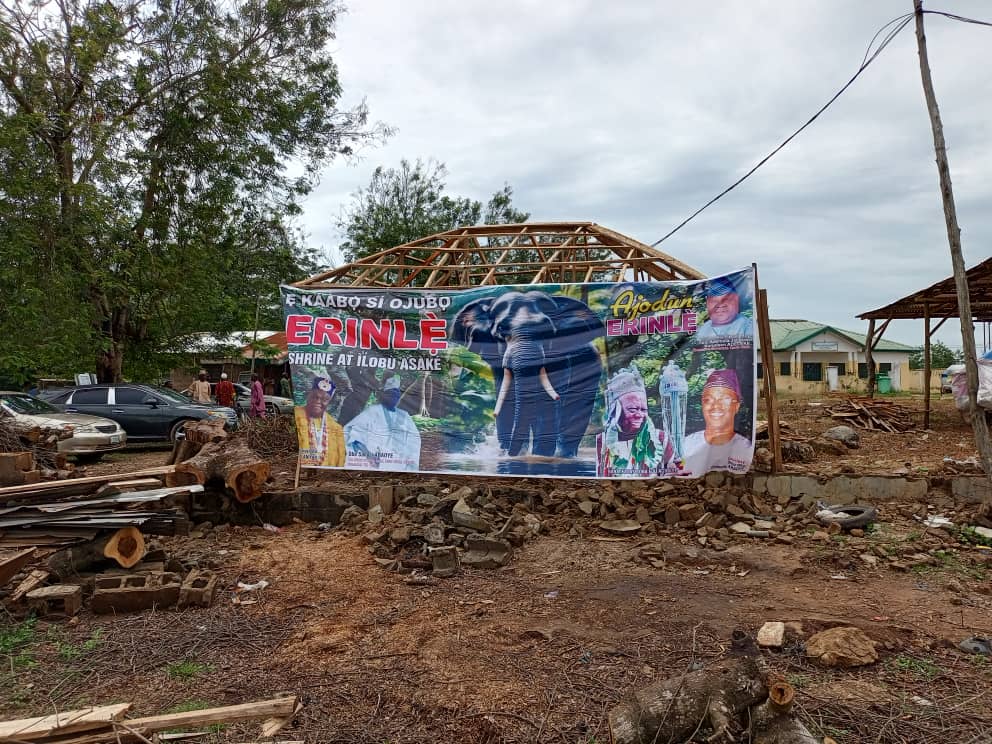
WITHIN NIGERIA gathered that the annual ‘Erinle’ festival is also known as ‘Odun Oba’ or ‘Odun Olobu’ as a result of the sacred covenant or spiritual connection between Laarosin, the founder of Ilobu, and the River Goddess, Erinle. ‘Olobu’ is the title of the Ilobu monarch.
WHO IS ERINLE?
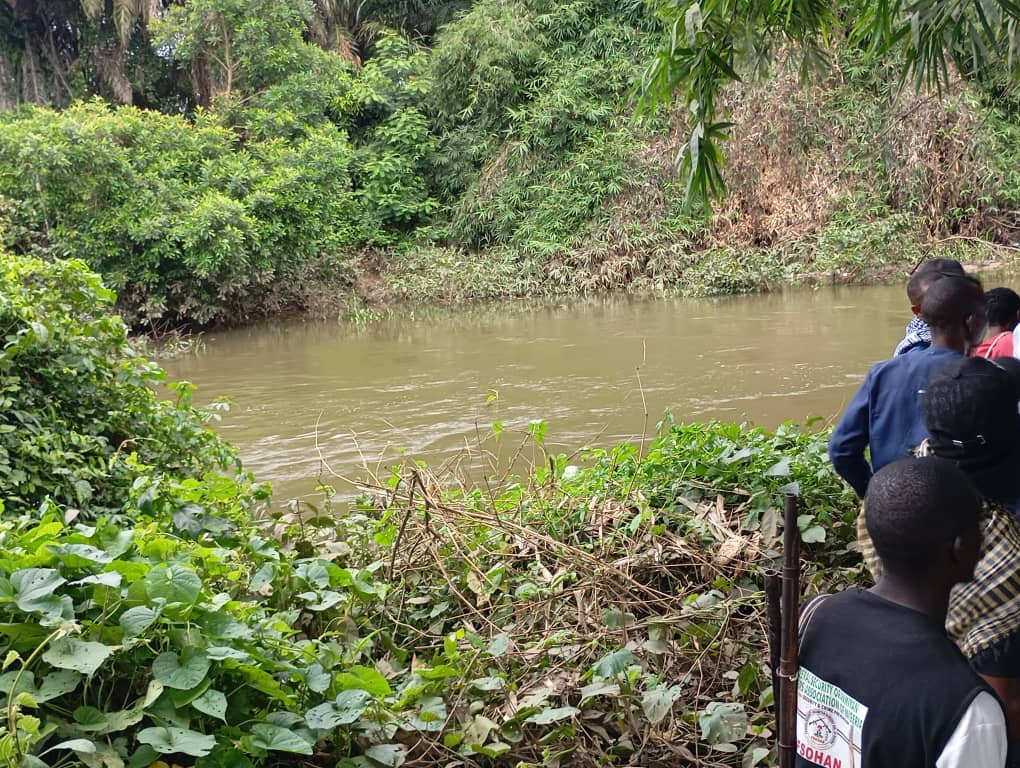
A young Babalawo (name withheld) told WITHIN NIGERIA that Laarosin, the founder of Ilobu, slaughtered a large and spiritual elephant, which transformed into the flowing water body known as ‘Erinle.’
A check by WITHIN NIGERIA revealed that there is a tale on Wikipedia about Erinle’, a great hunter who became an orisha.
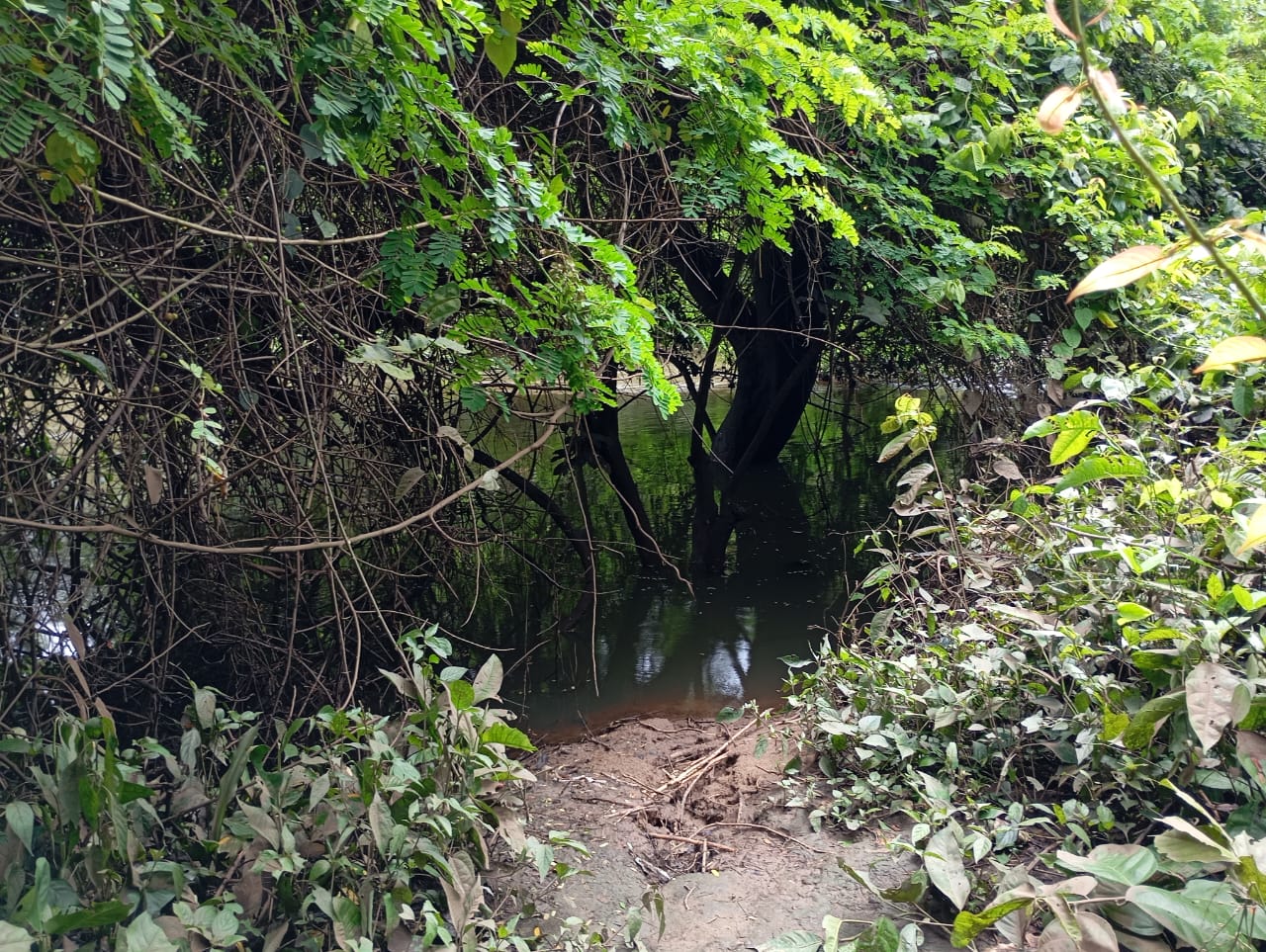
According to the narrative, Erinle led the first Olobu of Ilobu, Laarosin, to the site of the town of Ilobu and is claimed to have defended the people from Fulani incursions.
It is stated that Erinle, a hunter, farmer, or herbalist, sank into the ground near Ilobu and became a river.
However, research from WITHIN NIGERIA revealed that both stories are false and deceptive.
Laarosin, the daring warrior and hunter, had already founded Ilobu before meeting the river goddess ‘Erinle.’
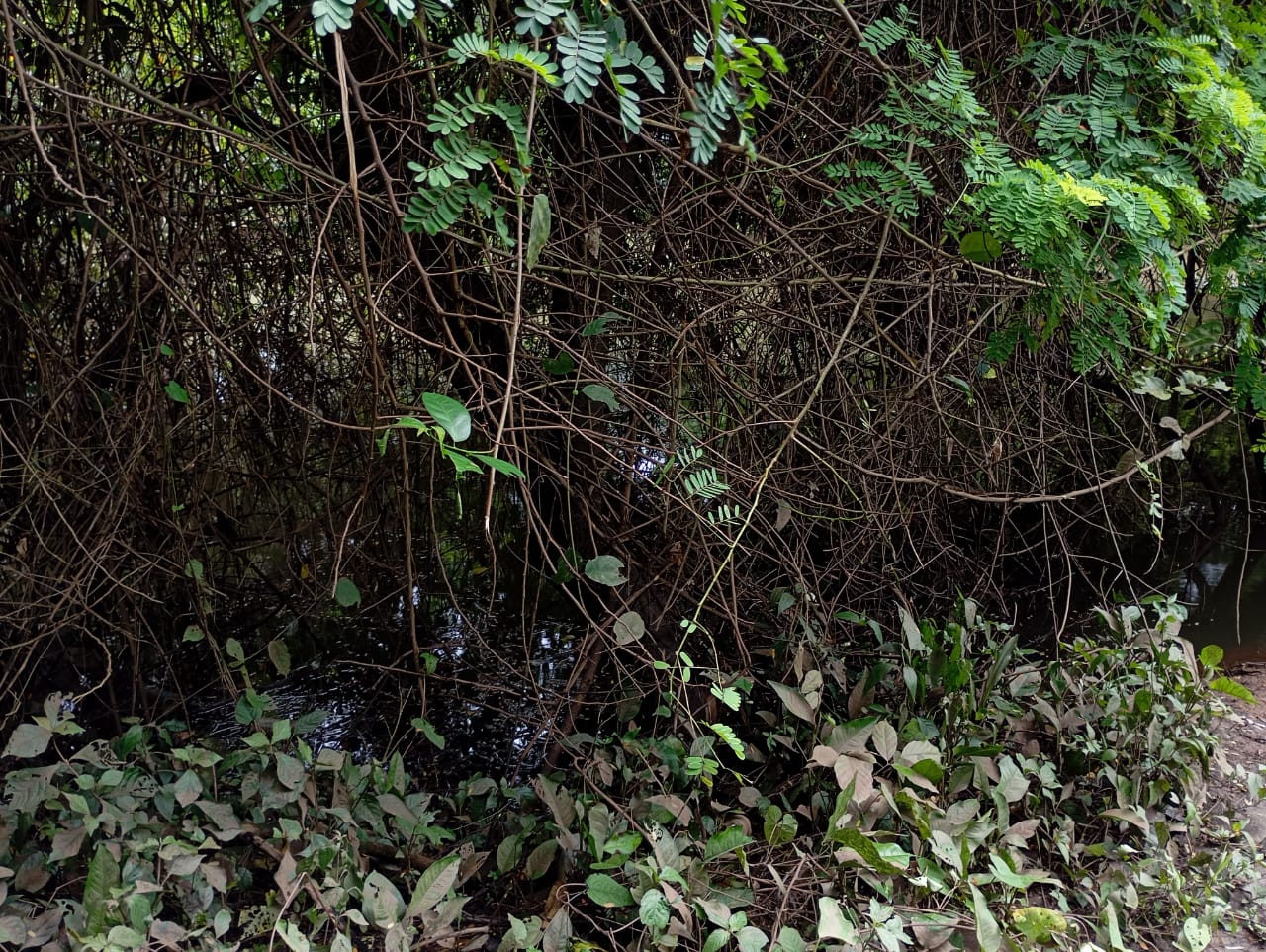
According to verifiable sources, Laarosin was on a hunting frenzy when he approached a dense forest full of elephants, which is now a sacred grove, and encountered the River Goddess ‘Erinle.’
WHY A LIVE RAM IS THROWN INTO RIVER ERINLE?
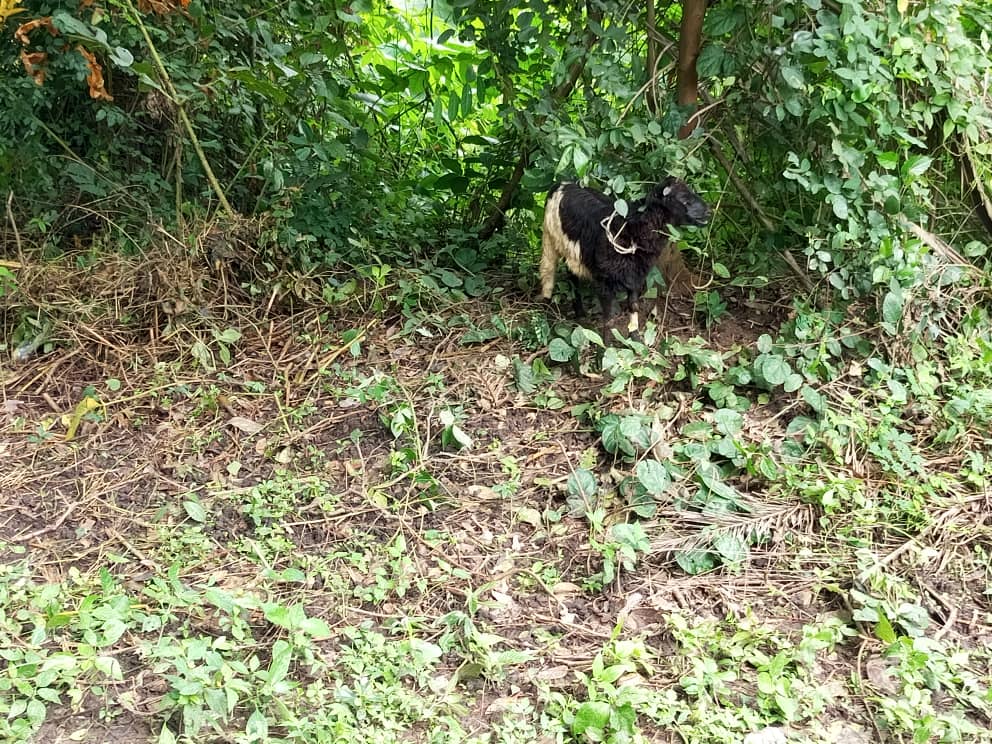
According to additional research, the body of water known as “Erinle” existed before Laarosin and his earliest ancestors moved to what is now known as Ilobu.
According to verifiable historical sources, Laarosin sought assistance, such as protection against invaders, from the river goddess ‘Erinle,’ among others.
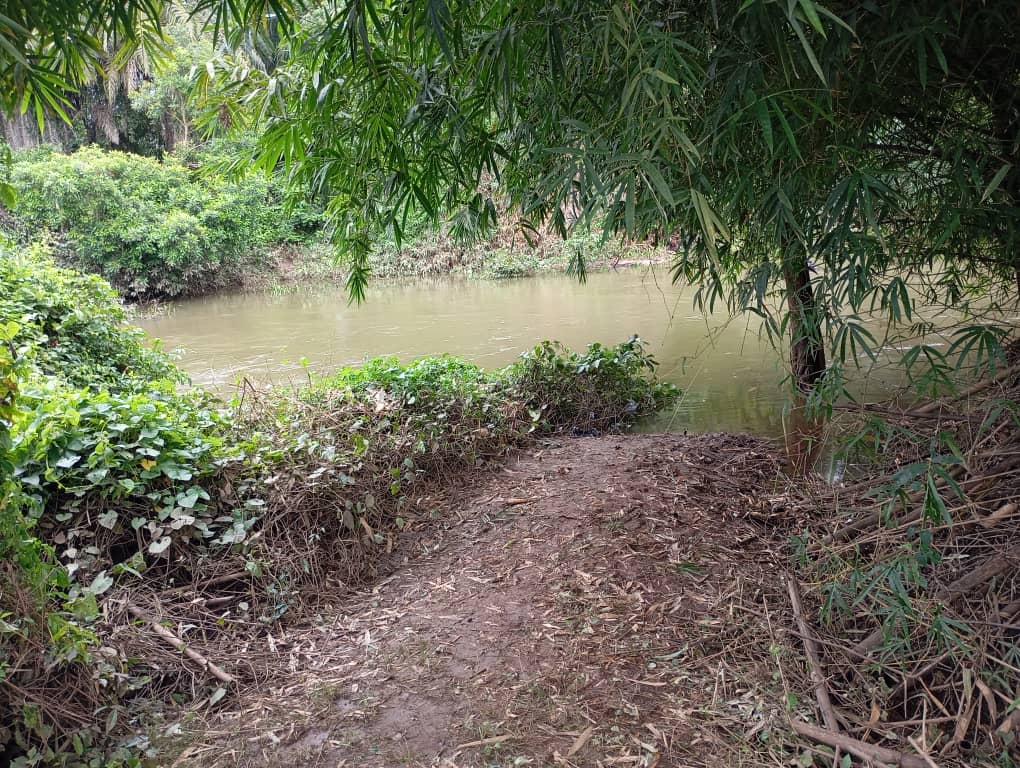
Laarosin and early settlers would come to River Erinle to offer a live ram and other items as sacrifice to the goddess.
THE FESTIVAL
This year’s Erinle festival began on Friday, October 10, 2025, with ‘BO ORI ADE.’ According to an insider, the program is exclusively open to royals.
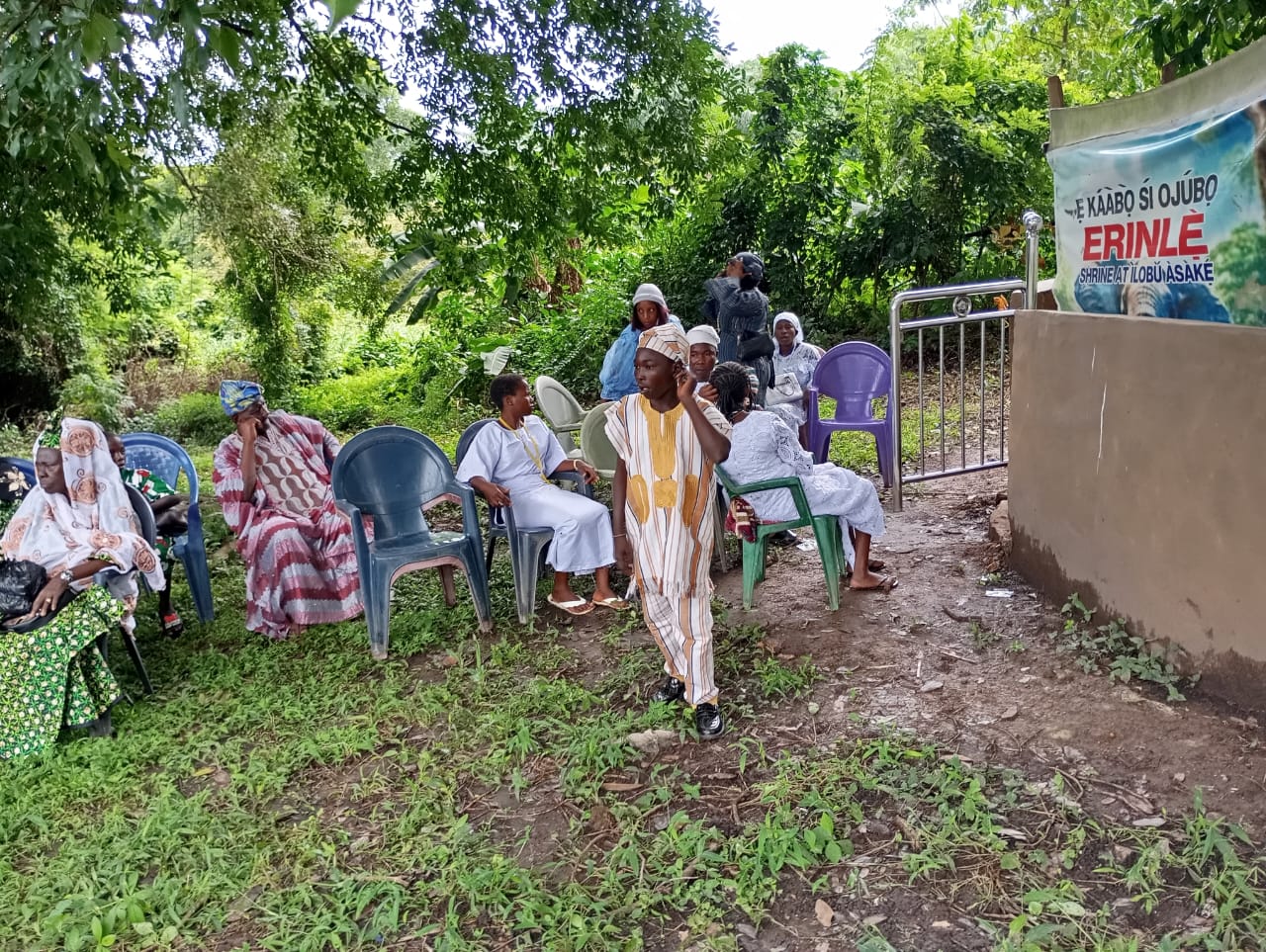
“We pray for the king, the town, and the people. It is all about prayers. There will be no program on Saturday, and the main Erinle festival will be celebrated on Sunday,” he further disclosed.
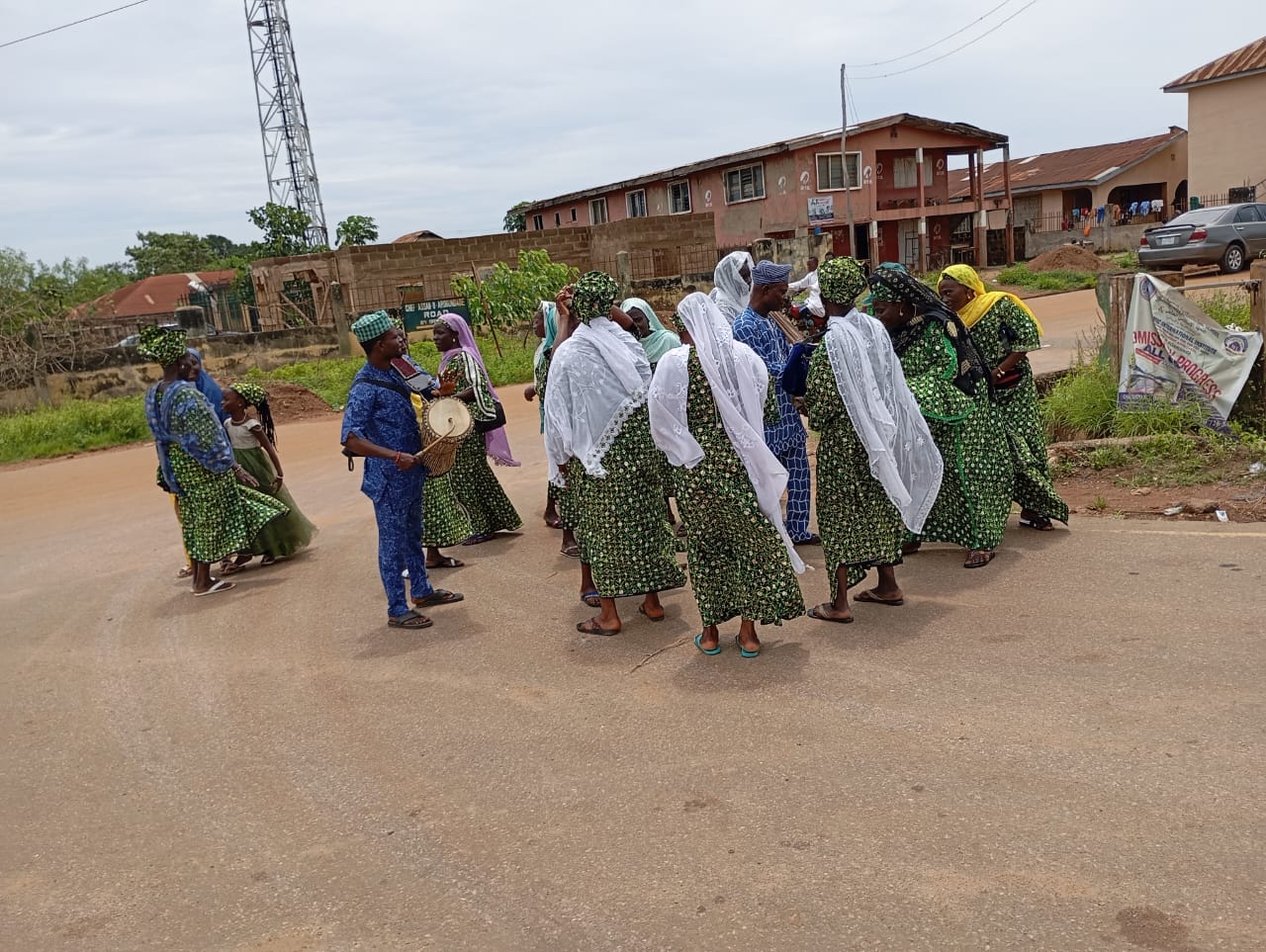
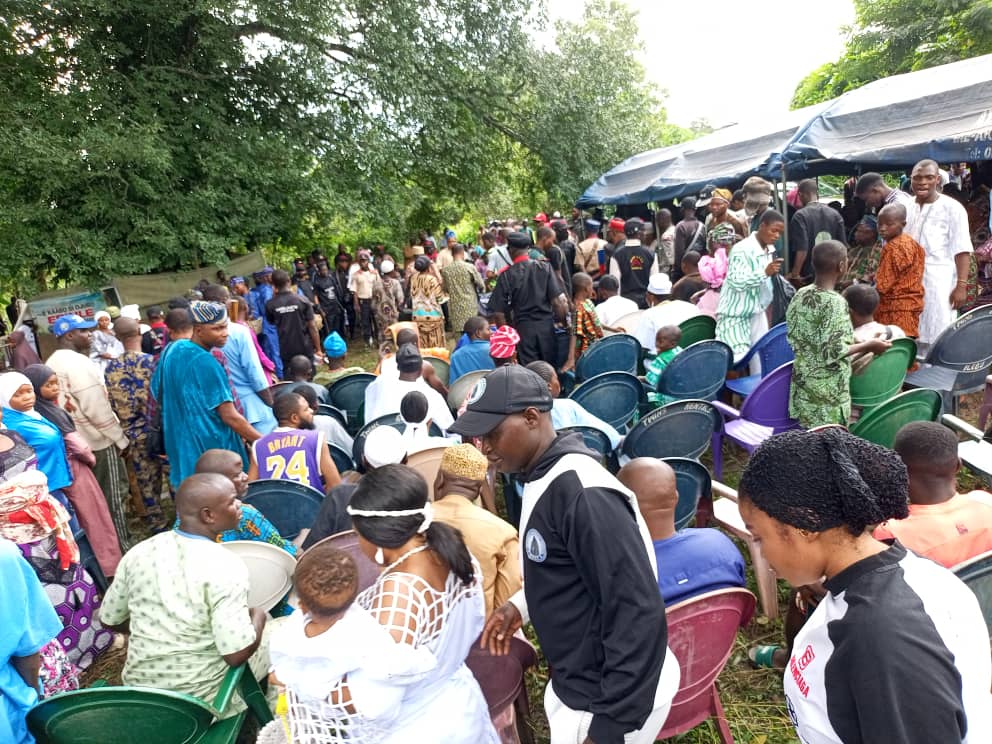
On Sunday at 10:45 a.m., this reporter visited the Palace of Olobu of Ilobu, HRM Oba Asiru Olatoye Olaniyan II. Hundreds of natives and cultural enthusiasts had occupied the palace.
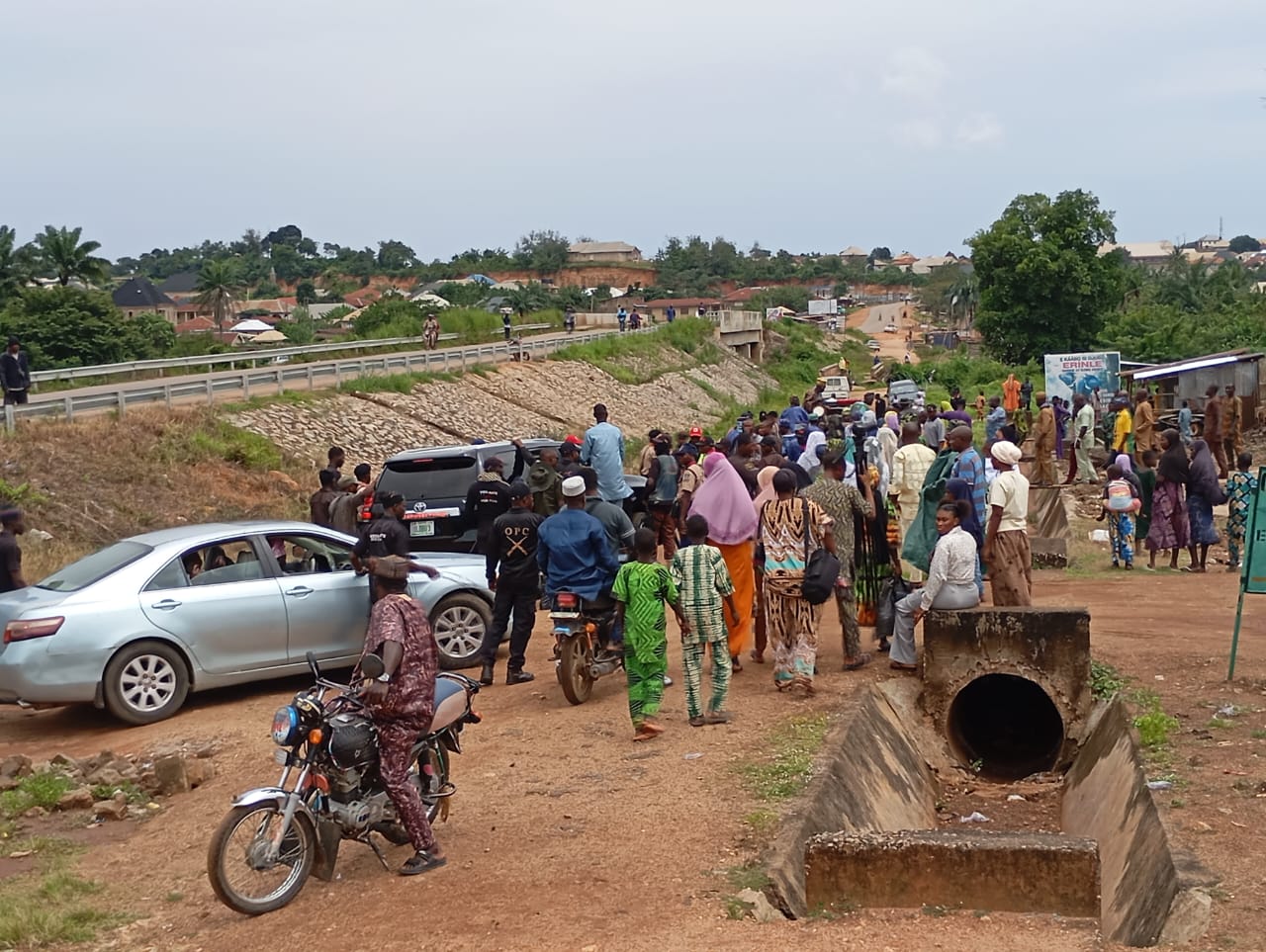
Indigenous Ilobu and cultural enthusiasts went to the palace for a prayer session. They later trekked alongside the king and his chiefs to Erinle sacred grove, where the shrine is located.
When the reporter arrived at the grove, he saw people flocking into an enclosed area made with a cement structure, which served as a temporary habitat for a woman later identified as Iya Erinle, who connects those in need with the River Goddess.
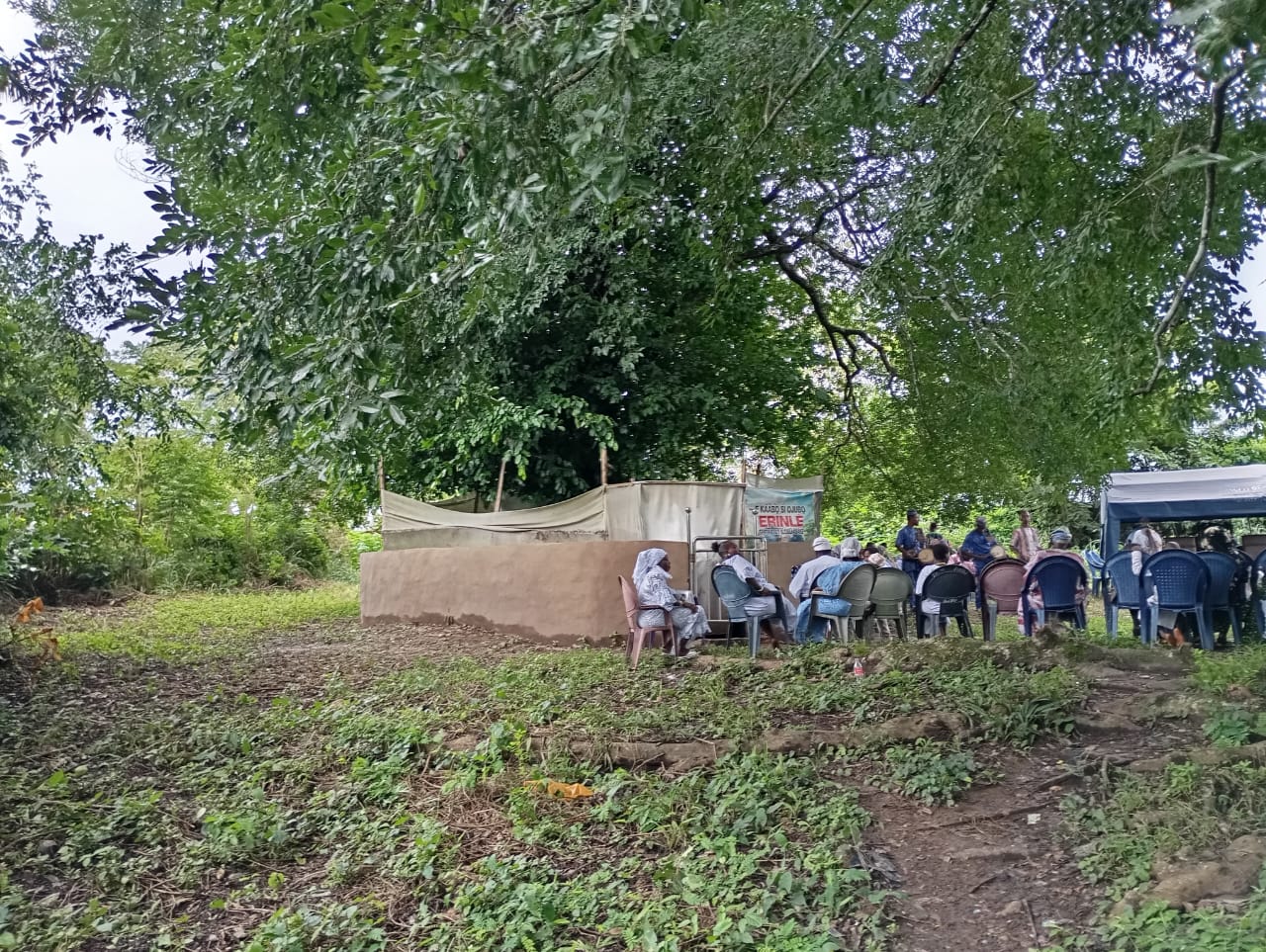
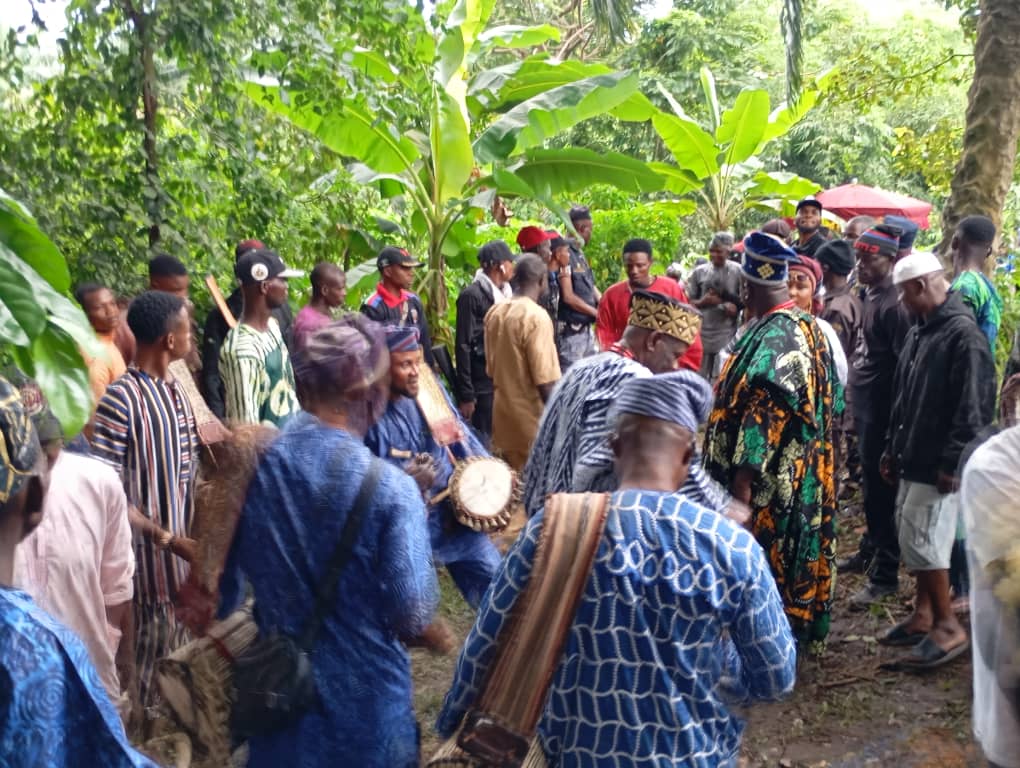
The moment HRM Oba Asiru Olatoye Olaniyan II entered into the groove, drummers were seen beating drums loudly while cultural enthusiasts, including indigenes, were dancing to welcome the monarch.
Oba Olaniyan II waved his horsetail (irukere) and occupied a wooden chair—a resemblance of his throne prepared for him—and the rites began.
A group of young Ifa priests paid their respects to the king. They greeted and prayed for the king, his wives, and their children. They also prayed for the town and its people, Ilobu. They performed Ifa poetry and danced to the delight of the audience.
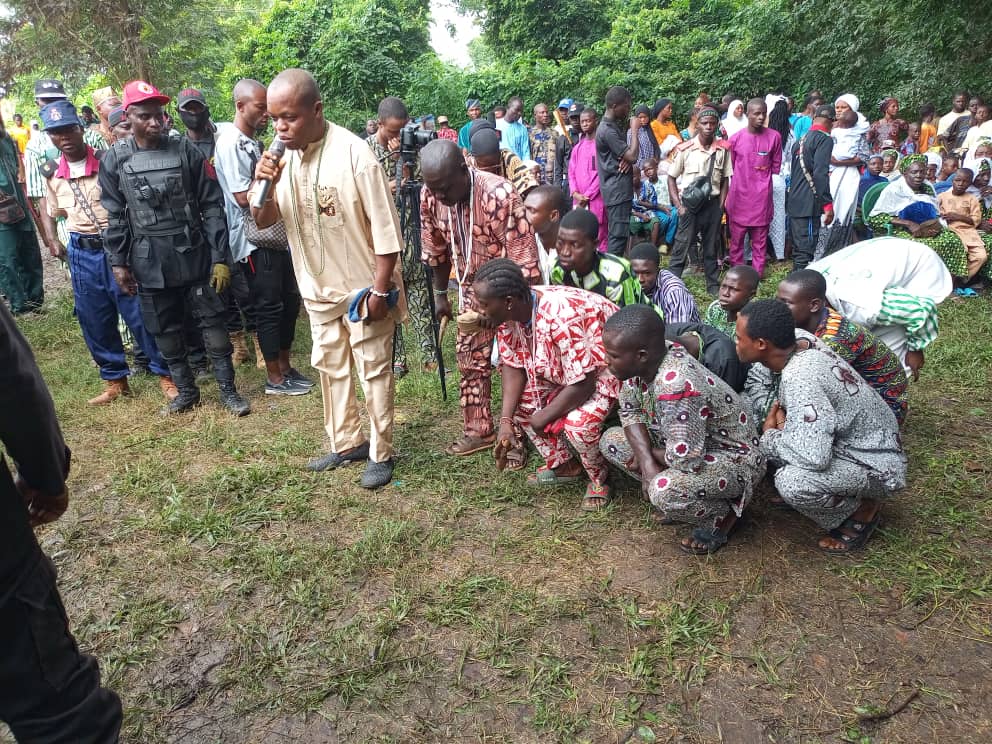
A group of hunters was led by Asipa Ode from the Ilobu kingdom. They complimented the monarch and prayed for him. They also prayed for the town and its people, Ilobu. They recited Ijala and danced to the delight of the audience.
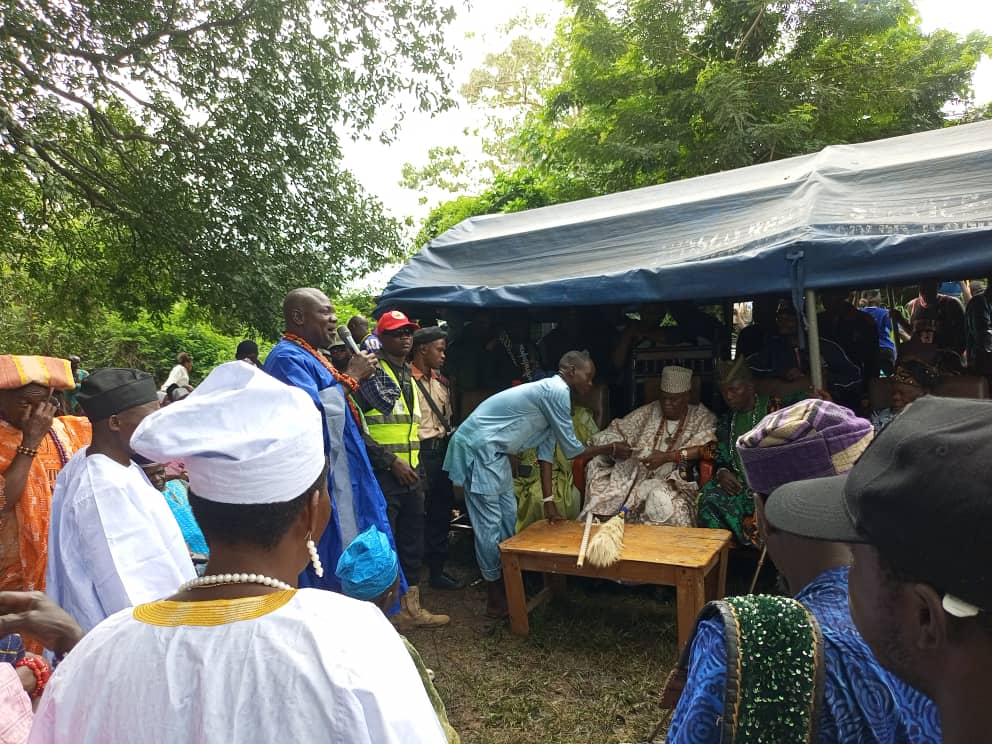
Another troop of Onisegun (traditional healers) paid respect to the king. They prayed for him and promised to never abandon him. All of the Ilobu chiefs paid homage to the monarch and prayed for the town.
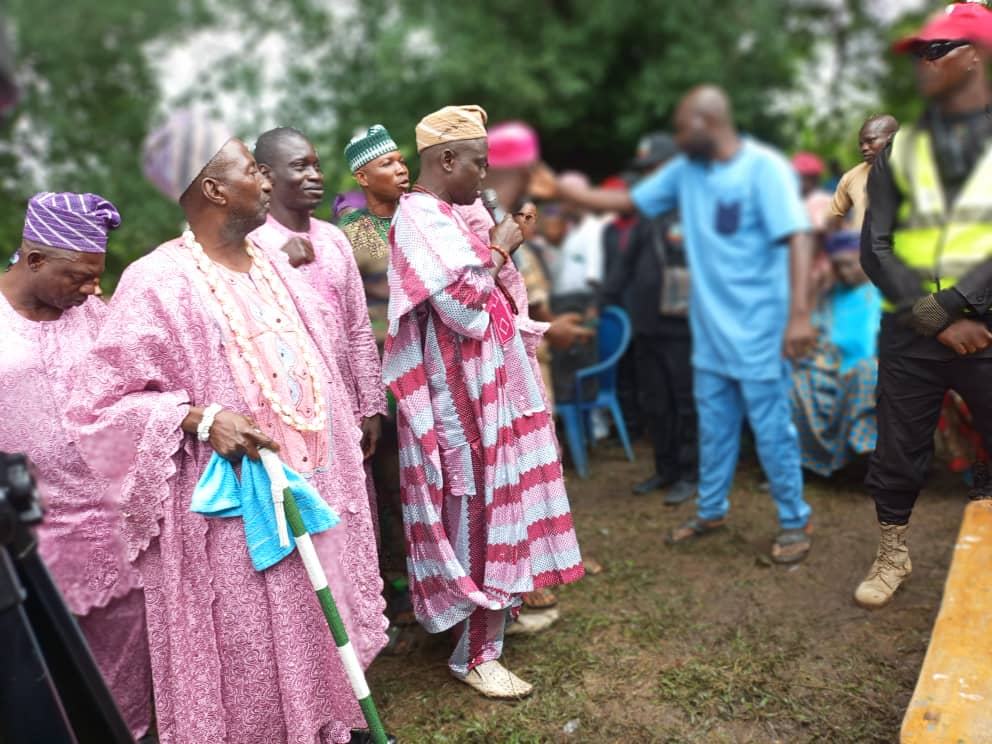
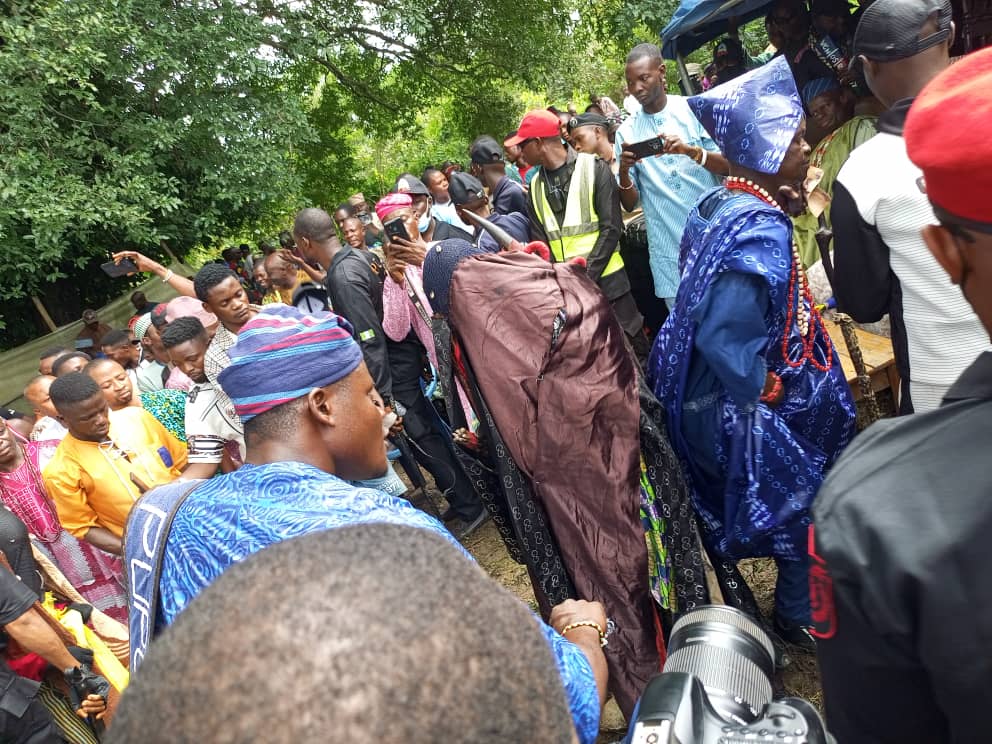
The Oloje (chief of masquerades) of Ilobu attacked the Erinle groove with three masquerades. Onlookers were pleased with the masquerades’ performances and dances.

Iya Erinle, the caretaker of the water body and River Goddess Erinle, led other female priests to pay tribute to the king. They prayed for the entire Ilobu and informed the indigenous people that the River Goddess ‘Erinle’ had given them another year of plentiful harvests, protection, and prosperity.
THE KING’S TRIP TO RIVER ERINLE?
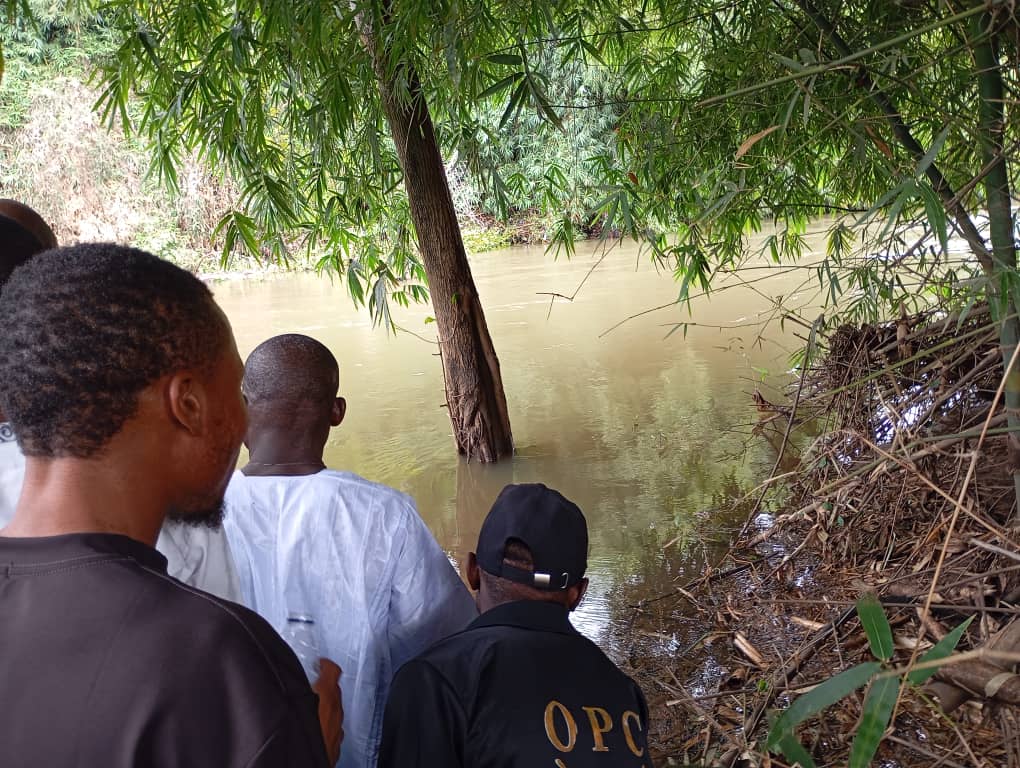
The Olobu of Ilobu, His Royal Majesty, Oba Asiru Olatoye Olaniyan II, who was followed by his high chiefs, hunters, and members of OPC fully armed with dane guns, covered a little distance towards River Erinle after the final homage had been paid by the River Goddess priests.
He was offered a plastic chair a few meters away from the river. He sat on the plastic chair, held a particular sacrificial item, and prayed for the town and every indigene of Ilobu. The sacrificial item was given to one of his high chiefs to go and drop it inside the flowing Erinle River.
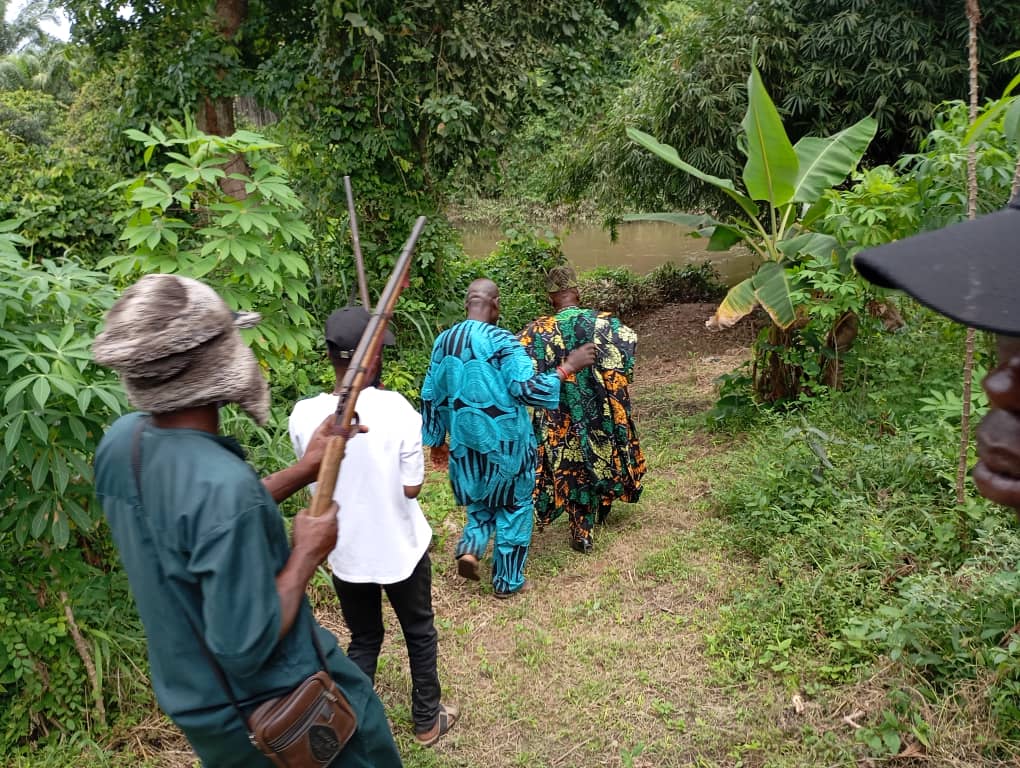
He offered some prayers before he dropped it inside the river. Immediately he dropped it inside the river; indigenes and cultural enthusiasts who wanted to appease River Goddess ‘Erinle’ followed the same route and offered their sacrifices.
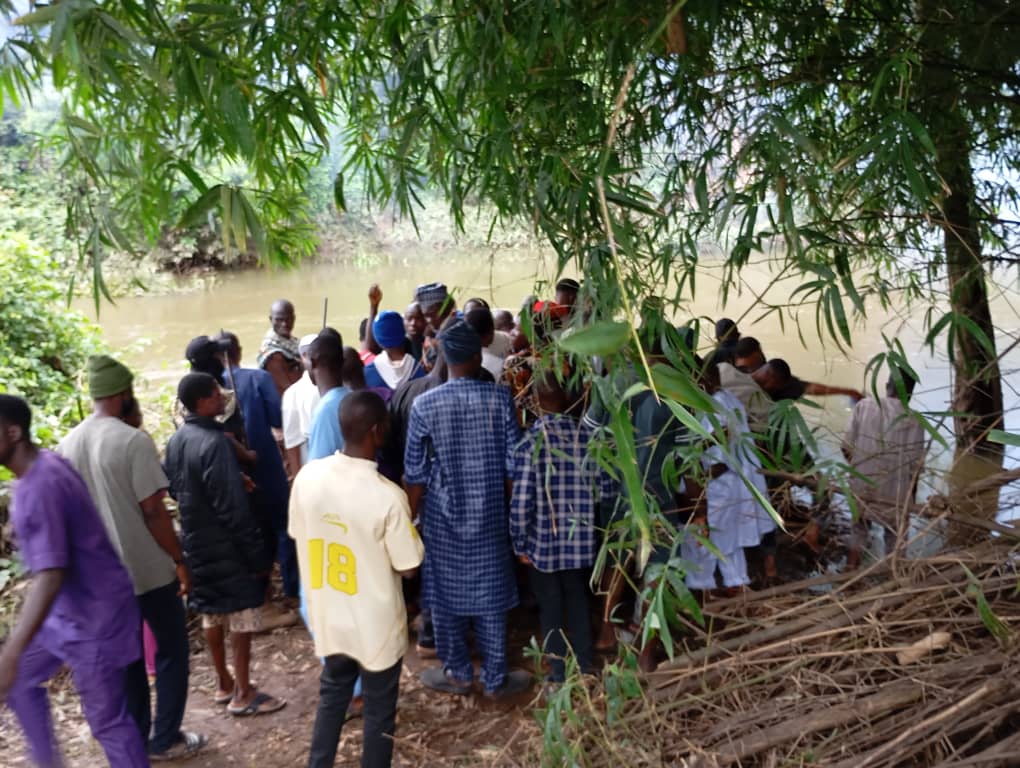
They directed people to stay off the river and allowed Oba Asiru Olatoye Olaniyan II to leave the groove before they started throwing items like banana, orange, salt and other items into the river.
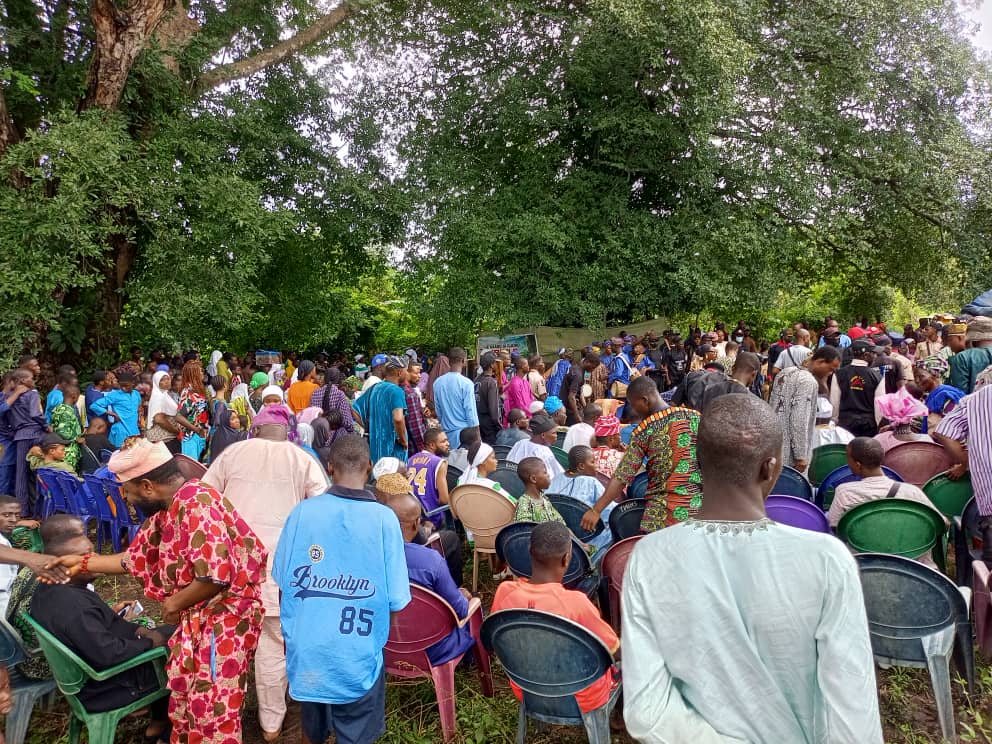
The monarch returned to his seat, engaged some chiefs and later left the groove for the palace to hold a reception.
ERINLE played a crucial role in repelling Fulani warriors says Chief Adegoke Ogunsola
Chief Adegoke Ogunsola, the Otun Jagun of Ilobu, shared the rich history behind a significant festival in Ilobu during an interview with Within Nigeria.
According to him, the celebration dates back to ancient times, honoring the community’s defense against invaders during the inter-tribal wars among the Yoruba ethnic group.
Ogunsola explained that the area currently occupied by the community was once a forest inhabited by elephants, particularly a spiritual elephant known for assisting those in need.
“This spiritual figure, Erinle, played a crucial role in repelling Fulani warriors who attempted to overrun the Ilobu community.”
The chief emphasized the importance of education and focus for the youth of Ilobu, urging them to prioritize their development.
He also clarified the origins of the festival, debunking a myth that an elephant’s death led to the formation of a body of water.
Ogunsola highlighted a significant covenant between the early settlers, Laarosin, and the River Goddess Erinle, where the community promised not to harm any elephants, considered Erinle’s pets.
“Interestingly, the waters associated with Erinle are believed to possess healing properties,” he added.
According to him, the spiritual elephant which was a pet to River Goddess Erinle once protected Ilobu from invaders.
“Whenever Fulani warriors attempted to attack the town, the elephant would rise to defend the people, making it impossible for anyone to kill it”.
The people of Ilobu remember River Goddess Erinle and her pet, the spiritual elephant annually through the Erinle festival.




Discussion about this post