
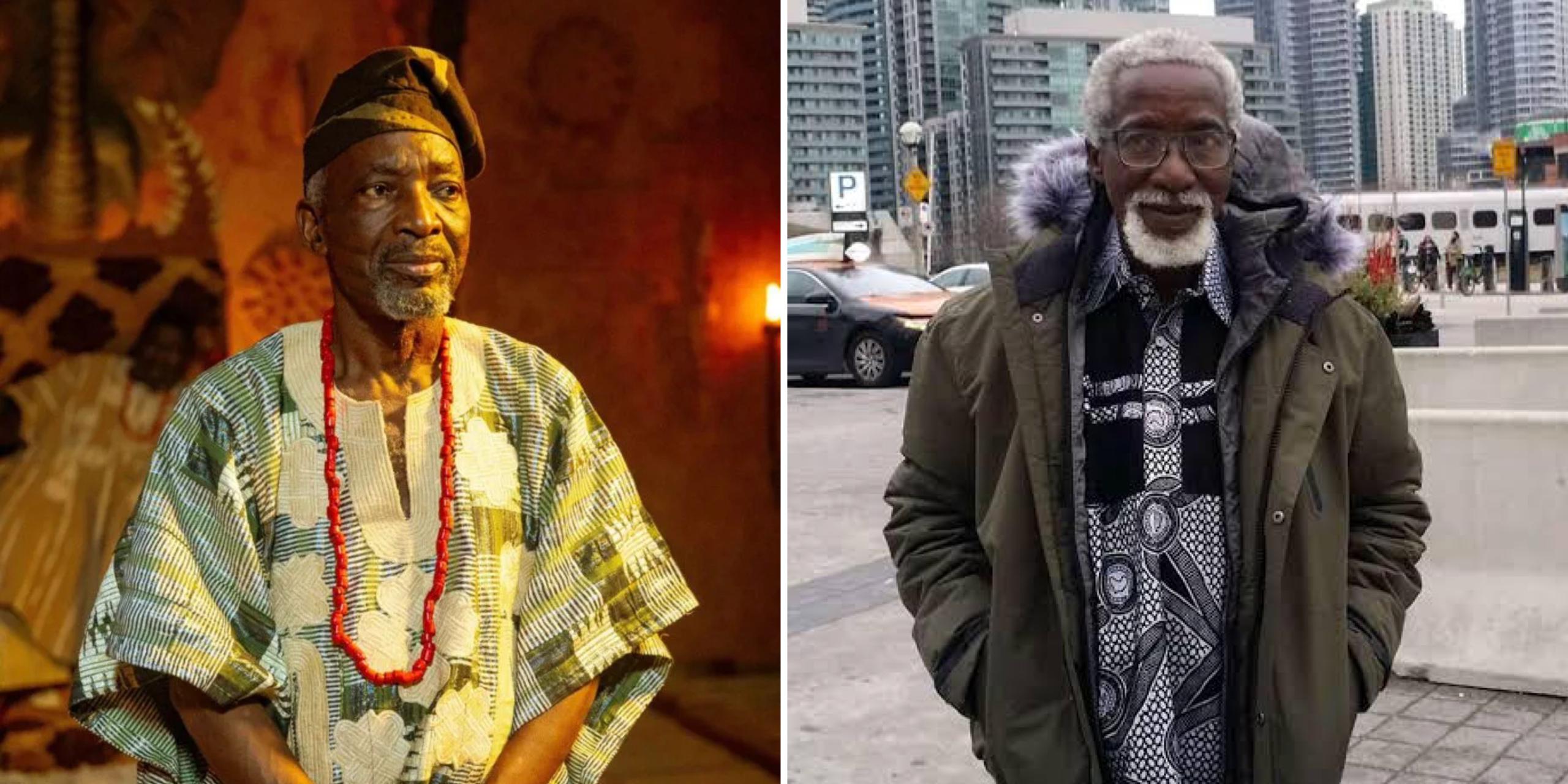
The Nigerian film industry mourns the loss of one of its most enduring figures. Chief Oyewole Olowomojuore, widely known by his screen name Baba Gebu, died after a brief illness. Fellow actor cum filmmaker Kunle Afod announced the sad news on Wednesday night in an Instagram post. Colleagues and fans who remembered him as a pillar of Yoruba cinema also took to the post’s comment section to condole with the family.
While official details such as his exact age, cause of death, and funeral arrangements have not yet been released, the outpouring of condolences underscores the deep respect he commanded over decades of service to Yoruba theatre, film, and broadcasting.
Early Life and Rise to Prominence
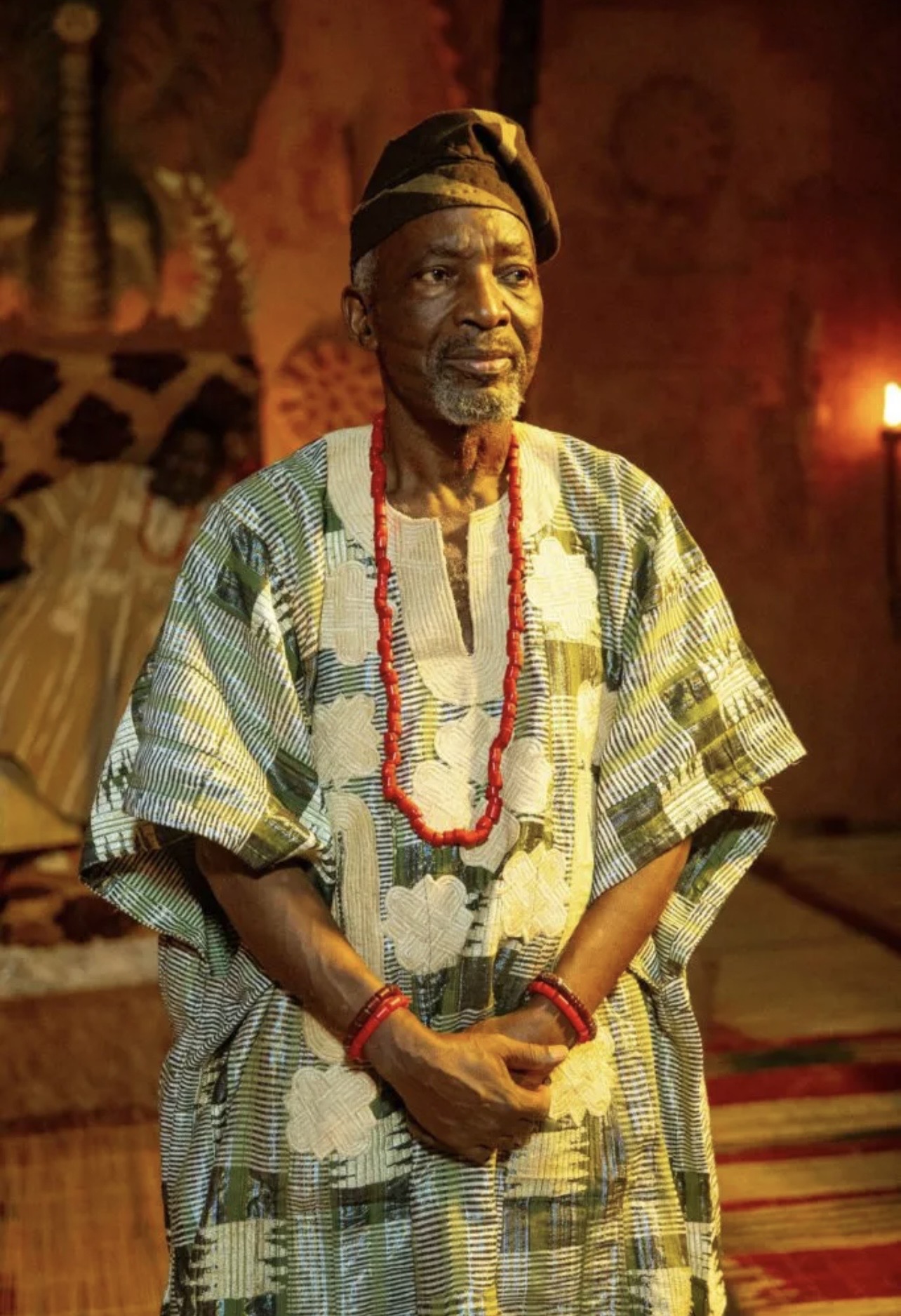
Baba Gebu hailed from Ile-Ife in Osun state. His career was marked by versatility and longevity. He belonged to a generation that bridged the gap between traditional Yoruba theatre and the rise of home video and cinema in southwestern Nigeria. Known for his work as an actor, director, singer, and broadcaster, he played a significant role in shaping Yoruba entertainment and bringing indigenous storytelling to wider audiences.
His professional credits include early works such as Anikura (1982), Aare Agbaye (1983), and Kunle Afolayan’s Citation (2020), which situate him among the pioneers of Yoruba cinema. Beyond acting, he was involved in directing and broadcasting, using his platform to promote Yoruba language and culture.
He was a presenter for Western Nigeria Television (WNTV), Nigeria’s first television station and the first in Africa, launched on October 31, 1959, in Ibadan, Oyo State.
A Career of Dedication and Influence
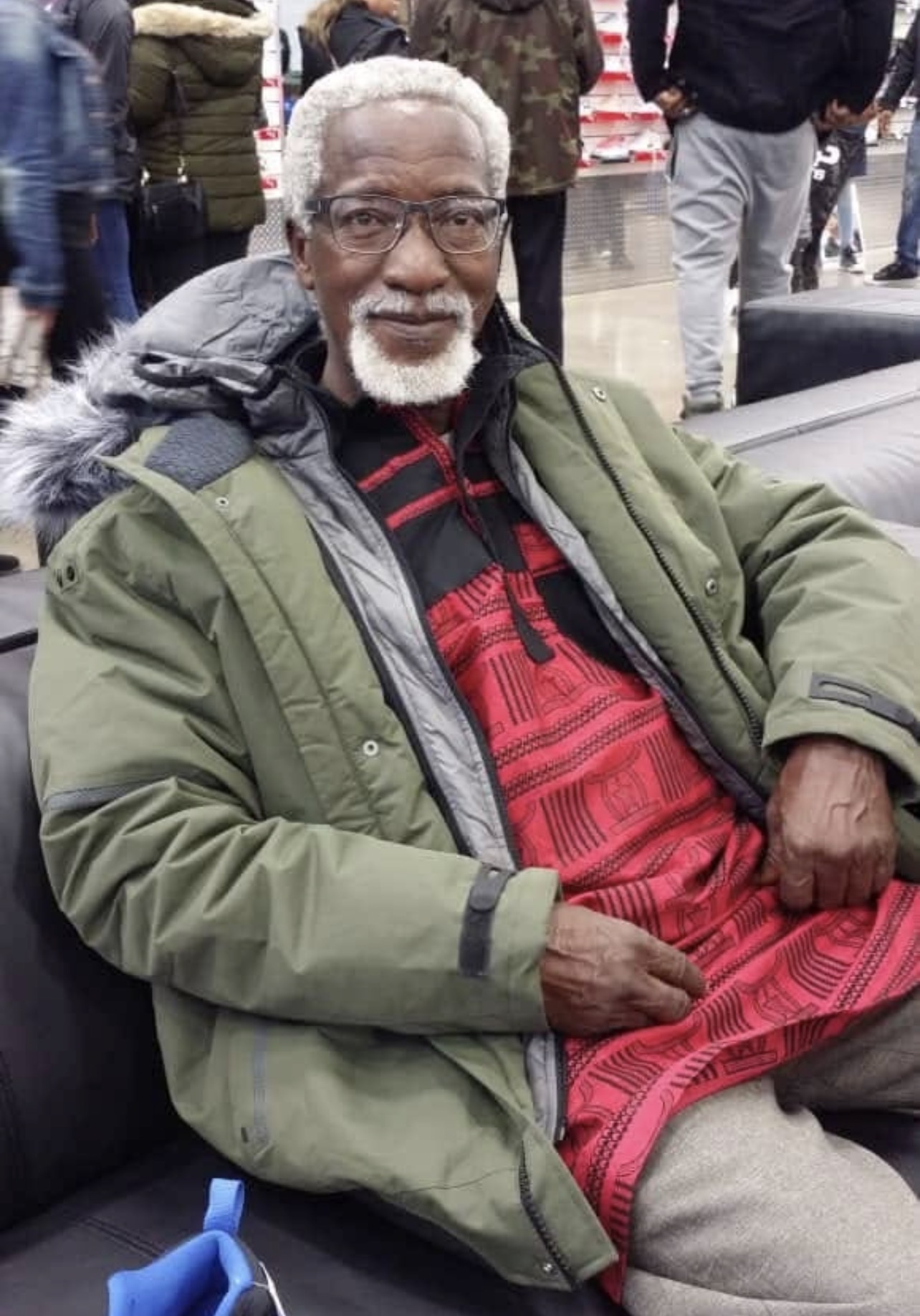
Colleagues remember his presence in the industry. In an April 2024 interview on Kunle Afod TV, Baba Gebu reflected on personal loss, including the death of his wife after a brief illness in 2021. He described how his commitment to acting helped him remain active and avoid the isolation that grief can bring. In his words:
“I lost my wife, and since then I’ve been trying to return to acting so I don’t fall into depression. I just want to stay busy and avoid loneliness.”
He explained that as film jobs became scarce, he began writing stories and reading every book he came across.
Baba Gebu also disclosed that he took up farming, rearing both fish and livestock to sustain himself.
In Nollywood, his dedication to craft and humility earned him respect from colleagues and fans alike. He consistently demonstrated a balance of professionalism and creative passion that set a standard for younger actors.
He was also a co-founder of Ife Klub-1 in Ile-Ife.
Tributes from Colleagues and Fans
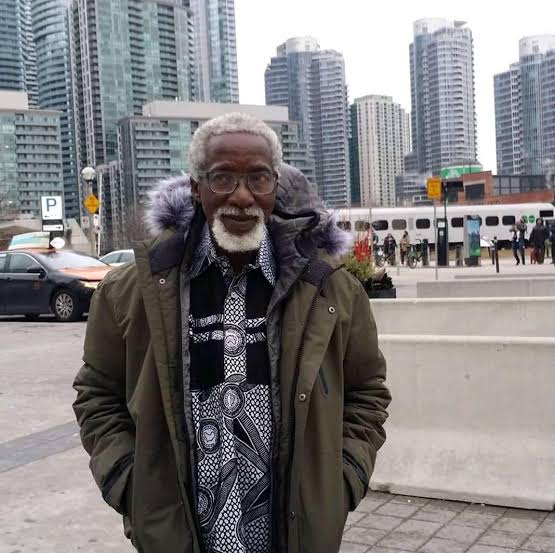
The announcement of his passing came on Wednesday, November 12, 2025, when Kunle Afod posted on Instagram:
“It saddens my heart as I announce the passing away of our great legend, a great actor who passed away this evening after a brief illness… BABA GEBU may your soul rest in peace.”
Actor Yemi Solade also paid tribute online, writing, “May GOD forgive his shortcomings, accept and rest his soul in eternal bliss. Amen.”
Legacy in Yoruba Cinema
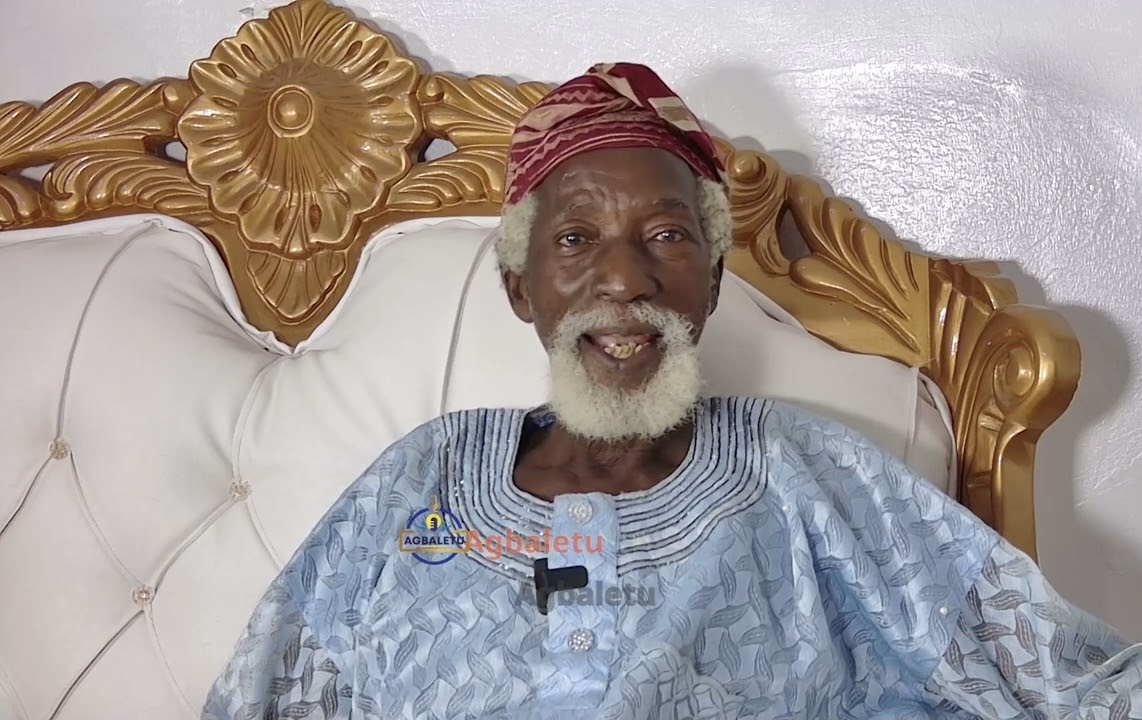
Baba Gebu’s legacy lies in his commitment to Yoruba storytelling across multiple mediums. He leaves behind a body of work that continues to influence stage and screen performances and serves as a benchmark for professionalism, versatility, and passion. His contributions helped define modern Yoruba cinema and ensured that traditional narratives could thrive in contemporary media.
Conclusion
The life and career of Baba Gebu demonstrate the enduring power of dedication and talent. He was a figure who embodied the art of storytelling, bridged traditional and modern forms, and devoted his life to enriching the cultural landscape. His voice may now be silent on stage, but his work continues to inspire, educate, and entertain.
Just like his role in Kunle Afolayan’s 2020 film “Citation”, where he portrayed a senior academic or panel member investigating a sexual harassment case central to the plot.
Veteran actors like Baba Gebu leave behind more than performances. They leave a standard of excellence, a legacy of dedication, and a path for future generations to follow. The Nigerian film industry has lost a legend, but his influence will be felt for generations to come.




Discussion about this post