
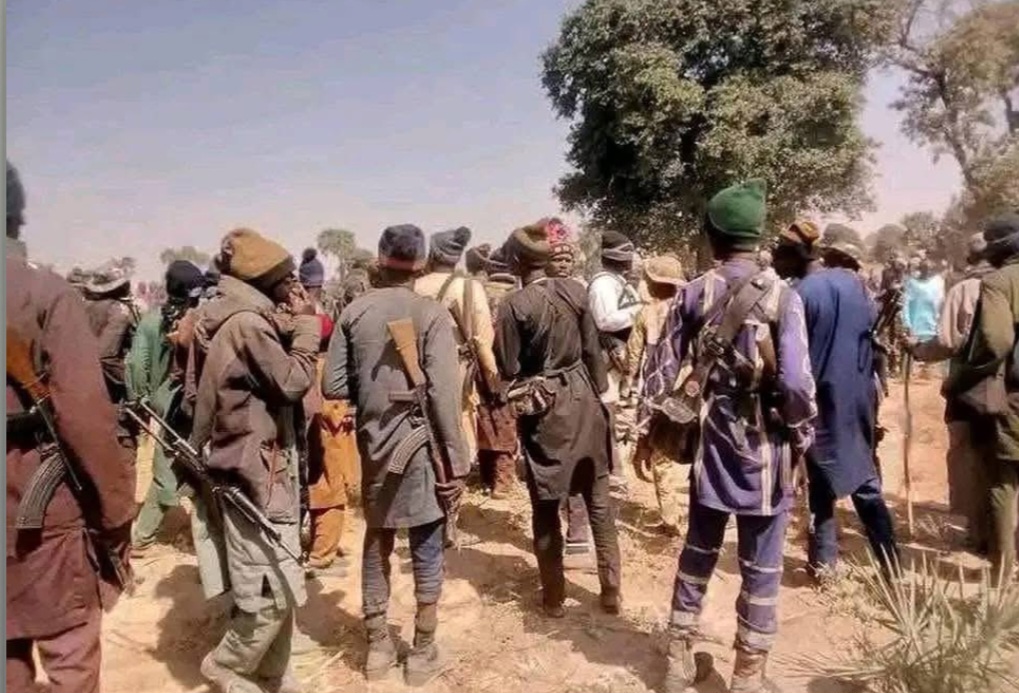
Kidnapping remained a major national concern in 2025 as many communities faced repeated attacks, abductions and rescue operations throughout the year.
The pattern of violence shifted from major highways to residential areas as armed groups continued to operate across many regions.
In January, several travellers were taken during an attack on a major road linking the northern corridor to the capital city.
Relatives of the abducted reported that the kidnappers made calls demanding large sums and warned families to respond quickly.
Security teams launched search operations around the surrounding forests, forcing the kidnappers to change their ransom demands as pressure increased.
By February, multiple communities in the central part of the country faced night raids where armed groups stormed homes and took residents away.
Some victims were held for long periods, while others regained freedom after coordinated rescue missions by security personnel.
Officials confirmed that patrols were expanded to reduce the movement of the gangs and to protect rural settlements.
In March, schools in the northern region became targets as groups invaded learning centres and removed students from classrooms and hostels.
The abductions triggered emergency responses by security units who began sweeping operations across nearby forests.
Part of the strategy involved dividing rescued groups into safe clusters to ensure that medical checks and documentation could be carried out without delay.
Families reported receiving repeated calls from the kidnappers demanding supplies and financial support to keep the victims in stable condition.
Authorities announced that search operations would continue until every missing student was accounted for.
In April, separate incidents in the South-East showed that criminal gangs were shifting towards smaller hit-and-run attacks along regional roads.
Travellers explained how armed men blocked routes, checked passengers and selected individuals believed to be capable of paying ransoms.
Security personnel later arrested several suspects after tracking communication devices linked to the abductions.
In May, a group of traders travelling from a market were taken during an ambush on a rural road in the North-Central region.
The rescue effort involved ground troops and aerial surveillance that located the movements of the kidnappers inside thick forest areas.
By mid-year, armed groups adjusted their approach again, targeting households and small groups instead of launching large-scale attacks.
Security observers linked the shift to increased patrols on major highways and improved coordination among local security units.
In June, communities in border areas recorded multiple incidents involving gangs moving across state lines to evade security pressure.
Local vigilantes and community groups joined formal security teams to assist in tracking the kidnappers through difficult terrains.
Air surveillance also became more active as authorities tried to understand routes used by the gangs to relocate victims.
In July, many rescued victims shared information about being moved frequently as gangs attempted to avoid detection from air and ground patrols.
Victims also described temporary shelters built with basic materials, suggesting that abductors relied on mobile camps rather than permanent sites.
Fresh operations were launched to dismantle these camps and restrict the ability of gangs to move freely.
By August, several states introduced new tracking initiatives and early-warning communication channels to help detect suspicious activities.
These platforms encouraged residents to report unusual movements quickly, especially in areas close to forests and isolated paths.
Local governments also expanded collaboration with community watch groups familiar with the terrain.
In September, another set of school abductions in the North-East triggered a nationwide response as security teams surrounded the affected areas.
Multiple rescue operations followed, leading to the recovery of several learners while search efforts continued for others.
In October, communities around the outskirts of the capital city experienced fresh incidents involving armed groups attacking isolated homes at night.
Authorities responded by increasing joint patrols and surveillance, focusing on routes commonly used by the attackers.
Residents demanded stronger long-term measures to protect neighbourhoods located near major forest belts.
By November, several coordinated rescue operations led to the recovery of victims across different regions after tracing digital communication signals and ransom trails.
Security agencies issued statements reaffirming their commitment to reducing the threat, while communities continued to call for faster interventions.
As the year progressed, the recurring incidents reflected how deeply rooted kidnapping had become and how challenging it remained to tackle.
The timeline also highlighted the emotional, financial and physical strain placed on families who had to navigate the uncertainty surrounding their missing loved ones.
The repeated attacks showed the need for long-term solutions, better information-sharing and stronger community-security cooperation.




Discussion about this post