
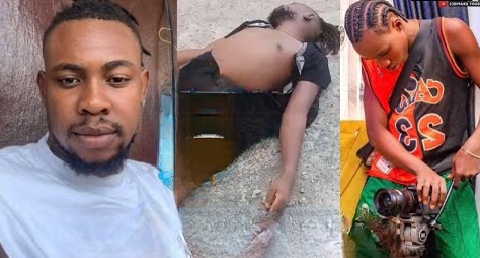
April 2025 Owerri was alive with the buzz of film crew chatter and actors laughing about the scenes they had just wrapped. Cameras, lights, scripts scattered across floors, the smell of food, a gentle hum of music from a nearby speaker. Two veteran Nollywood actors were among the crowd, sharing stories of their early days in Lagos, Aba, and Enugu, while younger actors followed in awe.
The director provided a meal of rice, wine, and a local drink called Calypso. Nobody thought twice about the meal, nobody suspected danger. But in the early hours, the laughter stopped. Two actors were dead, two more barely clinging to life, hospital staff rushing to save them. Phones erupted with messages, families panicked, the news spread faster than anyone could control.
Verified Facts About the Incident
From multiple verified reports, we know that two actors were pronounced dead on arrival at the hospital. Two others were admitted for treatment and survived. Police confirmed the deaths and said autopsies were underway to determine cause, yet the full results were not made public. The identities of the deceased were initially withheld, leaving families and fans in anxious limbo. Eyewitness accounts differ slightly, with some claiming the actors appeared fine during the party, others stating they showed symptoms long before collapsing.
The director provided the meal and drinks that night. The meal of rice, wine, and Calypso was consumed without suspicion. Some attendees insisted nothing tasted off, nothing smelled strange. Others reported bitter aftertaste, immediate dizziness after the first sip. The surviving actors have been quiet, recovering in hospitals under observation. Their statements are guarded, partly out of grief, partly because police inquiries are ongoing. The combination of official vagueness and contradicting witness testimonies has created a fog of uncertainty that continues to grow with each retelling.
Conflicting Accounts and the Mystery
Eyewitnesses provide starkly different accounts. One actor reported that they noticed unusual sweating and dizziness among the victims early, tried to alert the host and crew, but nobody acted fast enough. Another insisted that the victims were drinking and chatting normally moments before they collapsed. Police have acknowledged these contradictions but have offered few clarifying details publicly. The director, central to the event, has provided inconsistent statements in interviews, sometimes emphasizing safety and attentiveness, other times deflecting blame or offering minimal insight.
This conflicting narrative feeds the mystery, creating fertile ground for rumor. Online discussions speculate wildly, sometimes attributing the deaths to contaminated food, at other times to possible chemical adulteration or unseen environmental hazards. In some quarters, people whisper about curses or spiritual misfortune. Social media amplifies these stories, every retelling gaining embellishments, creating a layer of narrative fiction over the real-life tragedy. The truth is obscured, and the unknown becomes as compelling as the confirmed facts, leaving everyone, from fans to fellow actors, in a liminal space between grief and speculation.
Industry Response and Safety Concerns
The Actors Guild of Nigeria, AGN, issued a statement immediately after the incident, calling for better oversight of film sets and safety protocols at events involving cast and crew. They referenced the death of veteran actor Junior Pope in 2024 during a boating accident, emphasizing the ongoing vulnerabilities faced by actors on and off set. The statement highlighted medical checks, safe event hosting, and strict adherence to occupational safety guidelines.
Industry insiders suggest that such statements, while necessary, only scratch the surface. Nollywood is a bustling, loosely regulated industry where long hours, low-budget shoots, and informal gatherings remain common. The AGN’s call for regulation underscores that systemic issues, rather than individual negligence alone, may have contributed to the tragedy. Veteran actors privately express frustration that these calls for safety are often ignored, leaving repeated incidents unresolved.
Families Struggling With Grief and Confusion
Families of the deceased traveled from multiple cities including Lagos, Aba, and Enugu to Owerri, desperate for clarity. Emotions ran raw. Some family members sat silently, faces etched with disbelief. Others wept openly, collapsing into the arms of friends and co-workers. Colleagues who attended the party shared stories, laughter-tinged memories of rehearsals, scenes, inside jokes. They balanced grief with shock, often contradicting one another in small details, further blurring the timeline.
The emotional weight on surviving actors is immense. They wrestle with survivor guilt, confusion over what caused the deaths, and anxiety about media attention. Friends describe sleepless nights, recurring visions of the moments leading up to the collapses, and the haunting sounds of that night—the sudden silence, the sirens, the chaos.
Cultural Context and Industry Reflection
Nollywood is not just an industry, it is a community deeply embedded in Nigerian culture. Parties following shoots are common, celebrating camaraderie, success, and relief from grueling schedules. Meals, drinks, and casual gatherings are expected, even sacred in a way, marking transitions between work and relaxation. The deaths, occurring in this intimate context, violate that expectation of safety.
The tragedy exposes vulnerabilities. Veteran actors are often relied upon as mentors, yet their safety is precarious. Insurance and formal safety protocols are limited. What was supposed to be a joyful moment turned into a cautionary tale. The narrative becomes part moral, part cultural critique, part industry reflection. It forces the community to confront uncomfortable truths about negligence, risk, and how human error and oversight mix unpredictably with fate.
The Missing Forensic Report and Why the Mystery Persists
Months have passed since the incident. Autopsies were presumably conducted, yet no comprehensive public report has emerged. This official silence allows rumors to thrive. Was it food poisoning, chemical contamination, or an entirely preventable mishap?
Eyewitness contradictions, partial police reports, and guarded statements from the director and survivors mean that the truth remains partially hidden. Social media speculation fills the gaps, often embellishing reality, sometimes veering into dark folklore.
Lessons About Safety, Trust, and the Fragility of Life
This tragedy is a cautionary tale. Fame does not insulate anyone from danger. Trusting meals, trusting hosts, trusting routines can carry unforeseen risk. Safety must be prioritized, oversight enforced, accountability demanded.
The emotional, cultural, and operational lessons are clear: systemic vulnerabilities in Nollywood are dangerous, oversight is sparse, and tragedies leave long-lasting shadows not just on families, but on the industry’s collective conscience.
Closeout: How the Imo Party Remains a Ghost Story Lingering in Nollywood
The Imo party is more than a headline. It is a story of human unpredictability, grief, and unanswered questions. The missing forensic report, the conflicting accounts, the silence of key players, and the raw grief of families and colleagues all combine to make this tragedy feel unresolved, almost spectral. It is a cautionary tale, a mystery, and a cultural reflection all at once.
Nollywood moves on, cameras continue rolling, new films debut, yet the memory of that night lingers, haunting the spaces between scripts, scenes, and celebrations. The truth waits, elusive, partly told, partly hidden, in Owerri, in offices, in whispers, in hearts.




Discussion about this post