Nigeria’s renewable energy sector is drawing growing attention from investors seeking new frontiers in sustainable power generation and clean technology.
With increasing global demand for green energy, the country has begun to explore alternatives that can complement its oil-based economy and support long-term growth.
The shift toward renewable energy aligns with global trends aimed at reducing carbon emissions and addressing the challenges of climate change.
Across several states, public and private sector initiatives are creating fresh opportunities in solar, wind, hydro, and biomass energy production.
Nigeria’s large population and rising electricity demand have made renewable energy an attractive market for both local and international investors.
The national grid currently faces supply gaps that leave millions of homes and businesses without consistent power supply.
This energy deficit has opened the door for off-grid and mini-grid solutions powered by renewable sources, especially in rural and semi-urban areas.
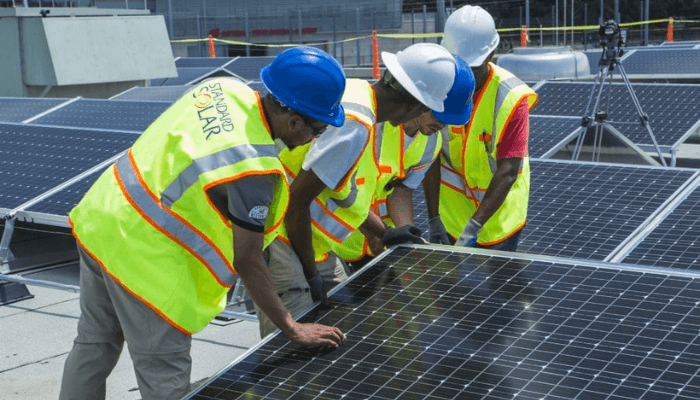
Solar energy remains the fastest-growing segment of the renewable sector, driven by abundant sunlight and decreasing costs of solar panels.
Many start-ups and development organisations are working to expand access to solar home systems and community-based power projects.
These systems not only reduce reliance on diesel generators but also promote environmental sustainability and cost savings over time.
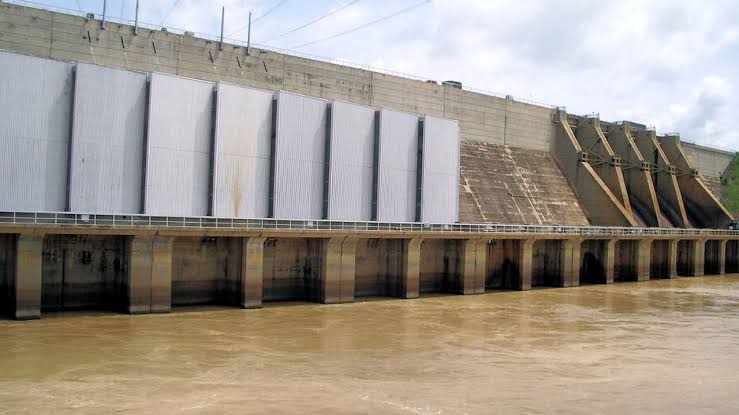
Hydropower also offers considerable potential, with several rivers and water bodies suitable for small and medium-scale dams.
While large hydro stations already contribute to the national grid, smaller community projects are helping to power remote locations.
In the northern region, wind energy is gradually gaining attention as studies identify zones with strong potential for commercial wind farms.
Similarly, biomass energy, which converts organic waste into fuel, has attracted interest for its role in both waste management and electricity generation.
The renewable energy sector also offers business opportunities beyond power generation, including equipment supply, installation, and maintenance services.
Firms providing batteries, inverters, cables, and technical expertise are expanding rapidly as the market continues to mature.
Government policies have also played a role in encouraging private sector participation in renewable projects across the country.
The federal government’s energy transition plan outlines targets for cleaner power generation and carbon reduction over the coming decades.
Tax incentives, import duty exemptions, and access to development financing have been introduced to support renewable energy investments.
Development banks and international donors have created funding lines for small businesses involved in solar installations and renewable innovation.
Local banks are also beginning to recognise the profitability of renewable ventures and have started offering credit facilities for related projects.
The private sector has responded with growing enthusiasm, with partnerships emerging between Nigerian firms and foreign investors.
Joint ventures have helped to transfer technology, improve efficiency, and build local technical capacity within the renewable energy space.
Experts note that the industry’s growth will depend on continuous investment in research, skilled manpower, and infrastructure development.
Training centres and universities are expanding their programmes in energy management and renewable engineering to meet rising demand.
One of the key benefits of renewable energy is its potential to power remote communities where the national grid is not yet accessible.
Mini-grids and solar home systems have transformed many rural settlements by providing electricity for schools, hospitals, and small businesses.
This access to power has improved living conditions, created jobs, and enhanced productivity in previously underserved regions.
For investors, the renewable sector offers not only profit potential but also social and environmental impact opportunities.
Many impact investors now see Nigeria as a key destination for sustainable energy projects with measurable community benefits.
Industry analysts believe that improved regulation and steady policy enforcement will attract even greater investment in the coming years.
They argue that long-term planning and stable foreign exchange policies will further boost investor confidence in renewable projects.
Challenges such as import costs, inconsistent regulations, and limited local manufacturing capacity still pose obstacles to faster expansion.
However, stakeholders maintain that these issues can be addressed through collaboration between government agencies, financial institutions, and industry players.
Regional cooperation among African countries is also being explored to share knowledge, attract funding, and harmonise renewable energy standards.
With ongoing infrastructure development and increased awareness, Nigeria’s renewable energy market is expected to grow significantly over the next decade.
The country’s abundant natural resources provide a solid foundation for large-scale renewable energy production.
As technology costs continue to drop, small and medium investors are expected to take a stronger role in driving clean energy adoption.
Many experts see the renewable sector as central to achieving Nigeria’s long-term energy security and economic diversification goals.
If sustained investment and policy support continue, renewable energy could transform the nation’s power landscape and promote sustainable development.
Nigeria’s future in clean energy appears promising, supported by innovation, partnerships, and a growing commitment to sustainability.