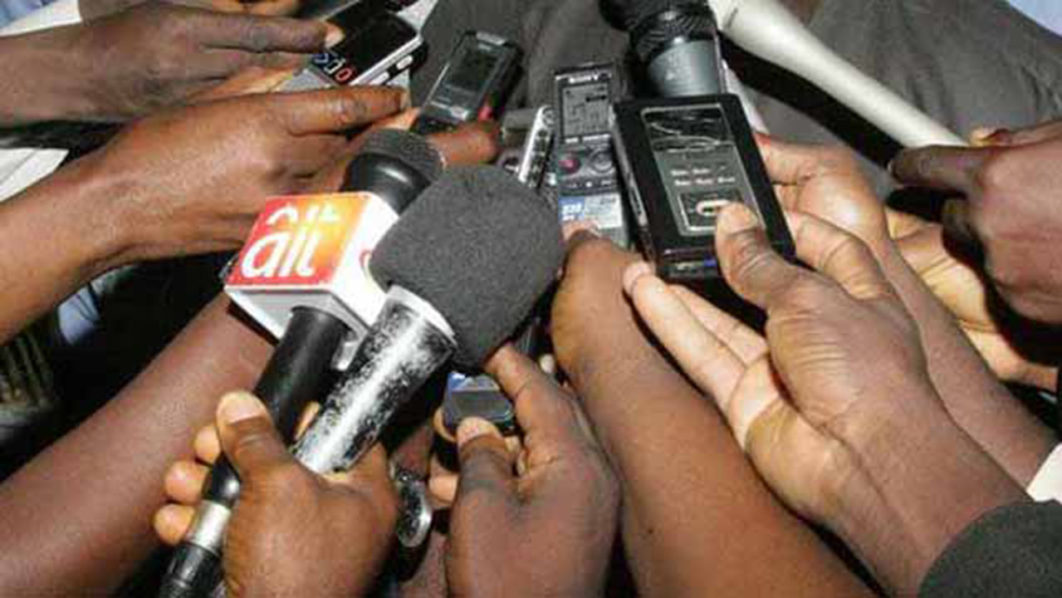
The media remains one of the strongest tools that influence how people understand events, issues, and decisions in society.
Many citizens depend on newspapers, radio, television, and online platforms to get information about politics, business, entertainment, and everyday matters.
This wide reach makes the media a central part of how ideas are formed and shared in many communities.
In modern times, digital platforms have increased the speed at which news spreads across different social groups.
This rapid flow of information sometimes shapes how people react to national and global developments.
The media often sets the topics that citizens discuss by highlighting certain stories more than others.
When a major event occurs, the level of coverage can affect how seriously the public views that issue.
Studies show that people tend to see issues that appear often in the news as more important than those that receive little attention.
This pattern shows why media organisations play a major role in shaping the level of concern attached to certain matters.
Public opinion can shift when newspapers and broadcasters frame issues using specific angles or background details.
This process may influence how individuals interpret facts and form personal views about events.
For instance, when economic reports focus on rising costs, many citizens respond with more interest in price-related matters.
The same effect occurs when the media places attention on security concerns or changes in government policies.
Broadcast discussions and interviews also guide how people understand problems by offering context and expert explanations.
These programmes often break down complex issues into simple details that help audiences follow ongoing debates.
By doing this, the media becomes a bridge between technical information and everyday public knowledge.
Social media has further expanded the way public opinion forms by allowing people to create and share their own messages.
Platforms like X, Facebook, and Instagram enable users to react immediately to news updates.
This space gives ordinary citizens the chance to influence conversations that previously remained in traditional newsrooms.
The rise of user-generated content has made media influence more widespread and less predictable.
However, the speed of online sharing has increased concerns about false information and its impact on public understanding.
Unverified claims sometimes gain attention faster than actual news, creating confusion among audiences.
This trend has led to more calls for responsible reporting and proper verification processes.
Many organisations now invest in fact-checking teams to address misleading claims before they spread widely.
Traditional media houses also work to maintain trust by ensuring that their reports follow established editorial standards.
These standards help protect the public from misinformation and build confidence in the accuracy of published stories.
The role of journalists remains central in confirming details, analysing events, and presenting balanced information.
This professional process reduces the risk of publishing unchecked claims that may mislead the public.
In many countries, the media also acts as a watchdog by monitoring activities of public institutions.
This function helps citizens stay informed about actions taken by government officials, agencies, and organisations.
The presence of media scrutiny often encourages transparency and accountability across public sectors.
When investigations reveal issues of national interest, the media provides a channel for public awareness and debate.
This exposure can lead to policy reviews, official reactions, or public discussions that help shape future decisions.
Media coverage is also important during elections because it provides space for candidates to present their plans.
Such coverage helps citizens compare ideas and make informed choices at the polls.
The quality and fairness of election reporting can influence voter understanding and participation.
This effect highlights why election periods require careful and accurate presentation of facts.
In addition, the media offers educational content that builds a more informed society.
This information covers health, technology, environment, law, business, and other areas that affect daily life.
Such content helps people make better choices in their communities and workplaces.
Despite its wide reach, the role of the media continues to evolve with new technology and changing audience behaviour.
Many organisations now rely on multimedia tools, interactive features, and real-time updates to engage their audiences.
These new methods aim to match the fast pace of digital communication and keep the public interested.
As media platforms grow, their influence on public opinion becomes more complex and far-reaching.
The relationship between media and society continues to shape how people learn, think, and respond to events around them.
Experts believe that this connection will remain important as technology expands and new forms of communication emerge.
The future of public opinion formation is expected to involve a mix of traditional reporting, digital media, and community-led conversations.
This combination shows that the media will continue to play a key role in shaping how people understand the world.