The All Progressives Congress (APC) House of Representatives primaries conducted across several states on Saturday reshaped political calculations within the ruling party, with a combination of returning lawmakers, emerging political figures and unexpected defeats dominating the exercise ahead of the 2027 general elections.
The primaries, regarded as the first major stage of the APC’s internal electoral process, revealed shifting alliances and renewed struggles for relevance within different state chapters of the party.
While some federal lawmakers consolidated their influence by securing tickets for another term in the National Assembly, others lost out despite years of incumbency and political visibility.
SPEAKER ABBAS STRENGTHENS POSITION
One of the most prominent victories emerged from Kaduna State where the Speaker of the House of Representatives, Tajudeen Abbas, secured the APC ticket to seek a fifth term in the Green Chamber.
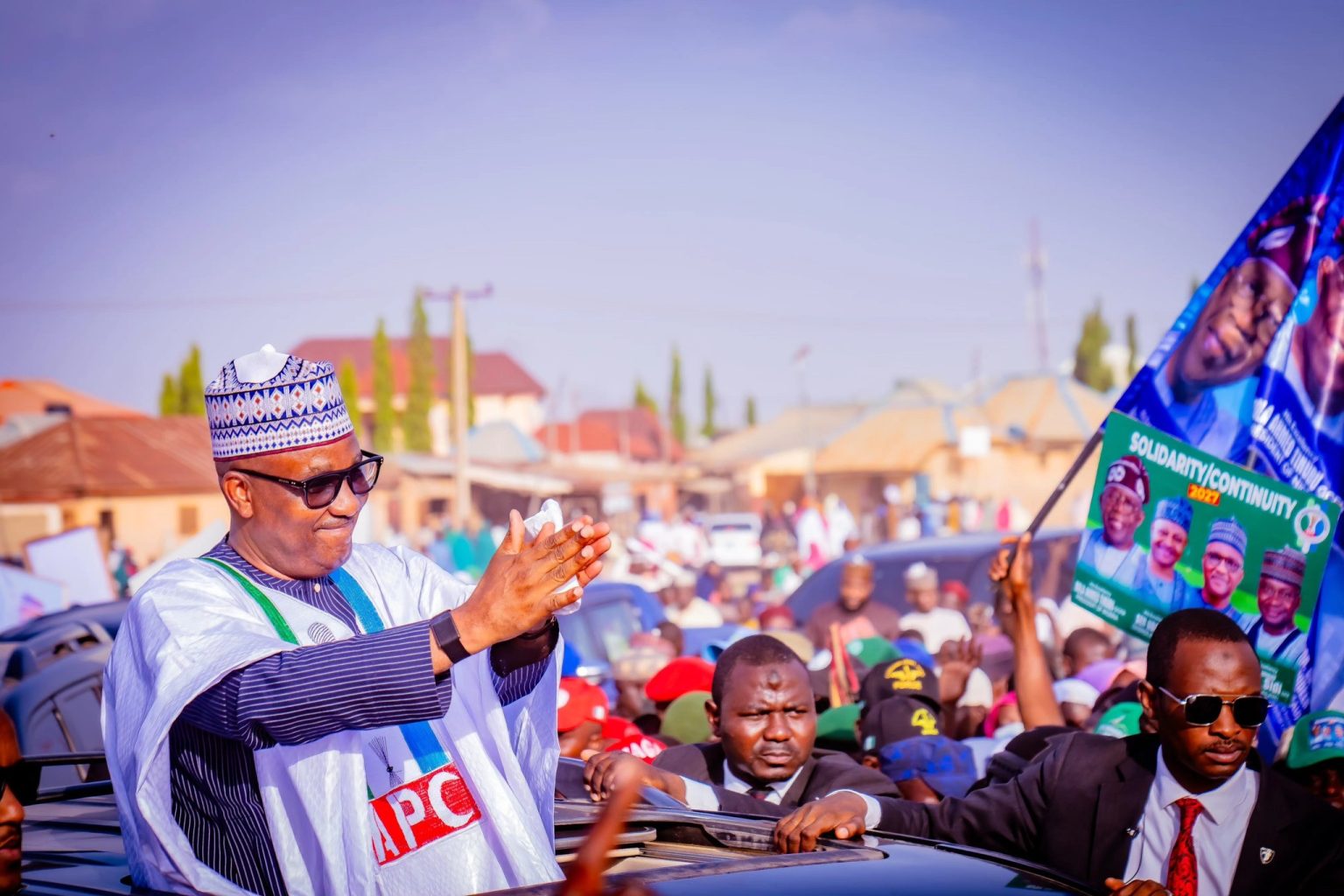
His emergence, largely unchallenged within his constituency, reinforced his standing within the leadership structure of the House and further solidified his influence within the ruling party.
Political observers noted that the outcome strengthened Abbas’ institutional position ahead of the next legislative cycle.
YUSUF BUHARI ENTERS ELECTIVE POLITICS
Attention also shifted to Katsina State where Yusuf Buhari, son of the late former President Muhammadu Buhari, secured his first APC ticket for elective office.
His emergence introduced a new phase in the Buhari political legacy within the APC and immediately placed him among the most discussed first-time entrants in the primaries.
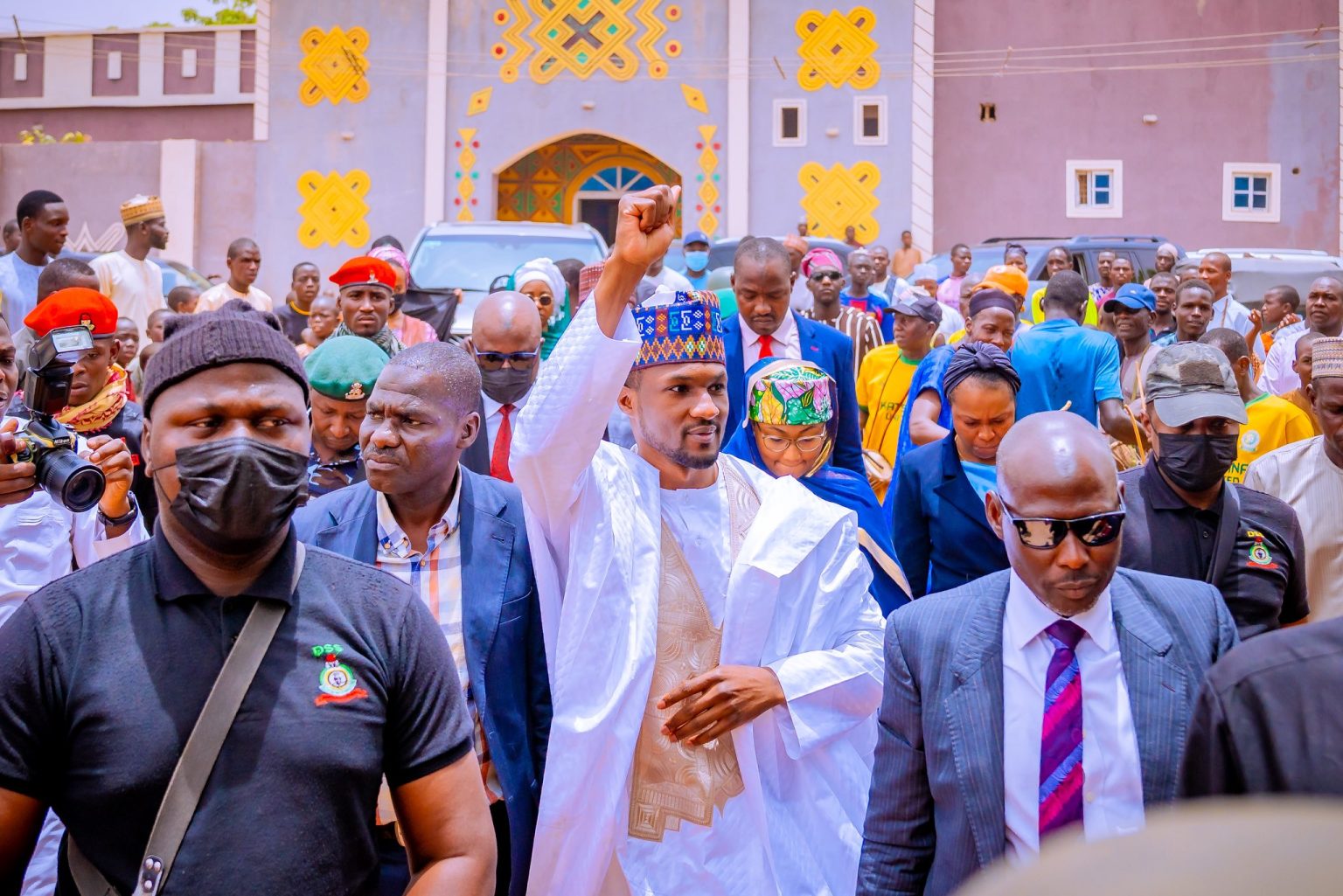
Party members in the state described the development as symbolic because of the continued relevance of the Buhari political family within northern politics.
ONDO PRIMARY DELIVERS MAJOR UPSET
In Ondo State, Olumuyiwa Daramola emerged as one of the most significant winners after defeating incumbent lawmaker, Jimi Odimayo, in the Okitipupa/Irele Federal Constituency contest.
The margin of victory, with Daramola polling 6,547 votes against Odimayo’s 827, reflected a major realignment within the local APC structure.
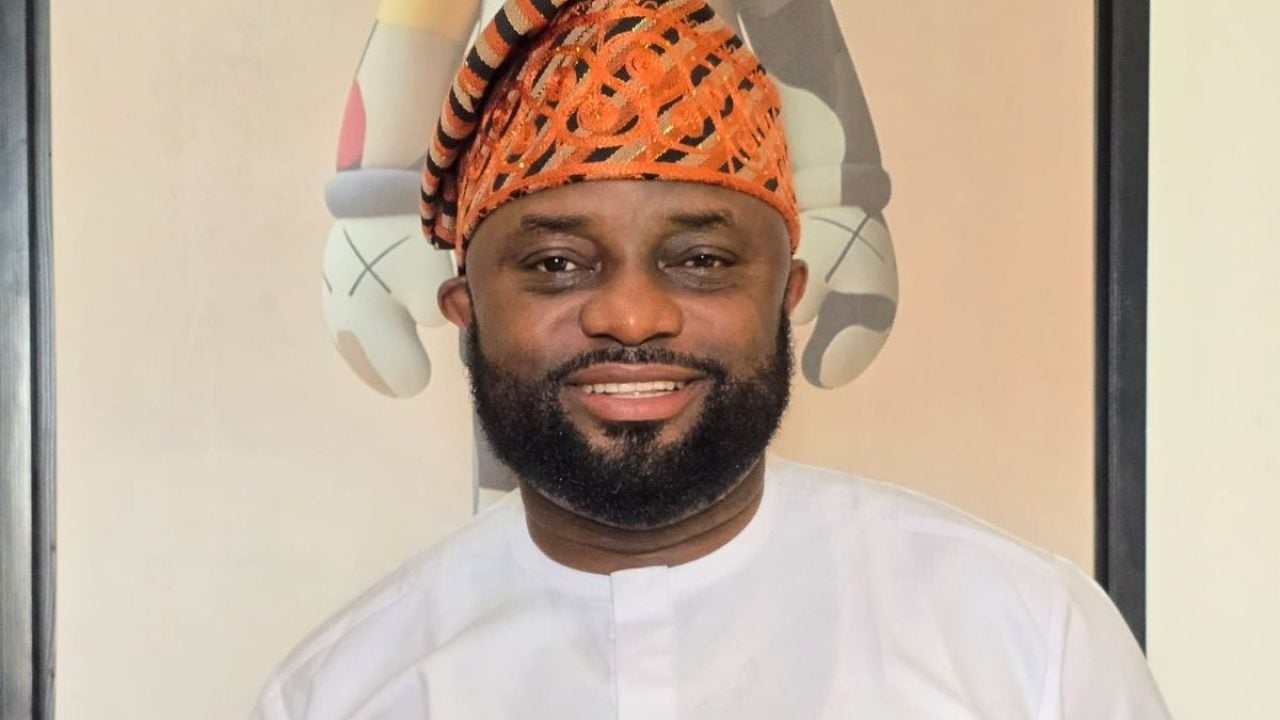
Political stakeholders in the state interpreted the outcome as evidence of changing loyalties among delegates and growing support for new political actors within the constituency.
ABEJIDE RETAINS INFLUENCE AFTER APC MOVE
In Kogi State, Leke Abejide secured the APC ticket after recently defecting from the African Democratic Congress where he had represented Yagba Federal Constituency since 2019.
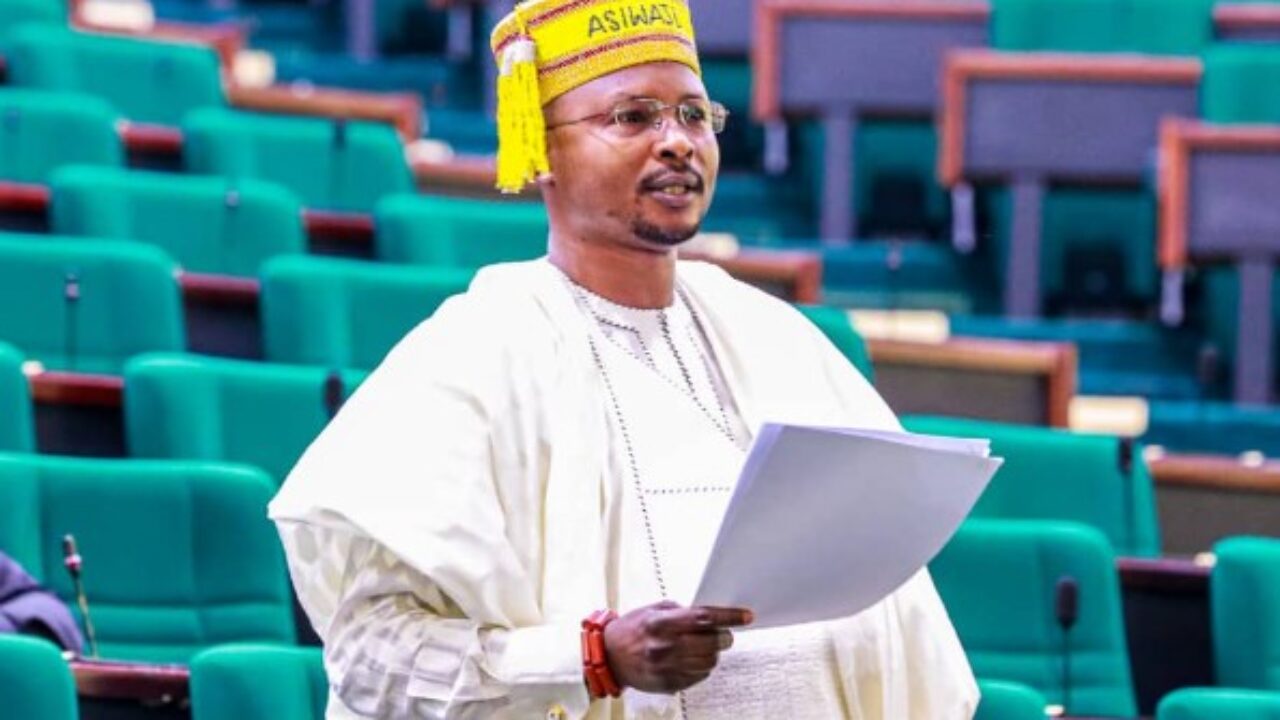
His successful transition into the APC was viewed as a test of whether his popularity rested mainly on personal support or party structure.
The outcome of the primary suggested that his political base remained intact despite leaving the opposition platform that initially brought him into the National Assembly.
FALEKE EXTENDS LAGOS HOLD
In Lagos State, James Faleke secured another APC ticket for the Ikeja/Ojodu Federal Constituency, extending a winning streak that has lasted since his first election in 2011.
Faleke’s continued electoral success reinforced his position as one of the most established lawmakers within Lagos APC politics.
Political analysts linked his survival to a strong grassroots structure and sustained influence within the constituency.
KWARA PRIMARIES PRODUCE NEW FORCES
Kwara State recorded some of the most notable victories involving emerging political figures during the primaries.
Rafiu Ajakaye, former Chief Press Secretary to Governor AbdulRahman AbdulRazaq, defeated incumbent lawmaker Ismail Tijani in Offa/Oyun/Ifelodun Federal Constituency.

His victory was widely interpreted as a reflection of internal restructuring within the APC in the state.
Another significant winner was Abdulquawiy Olododo, who defeated incumbent lawmaker Yinka Aluko for the Ilorin East/Ilorin South Federal Constituency ticket.
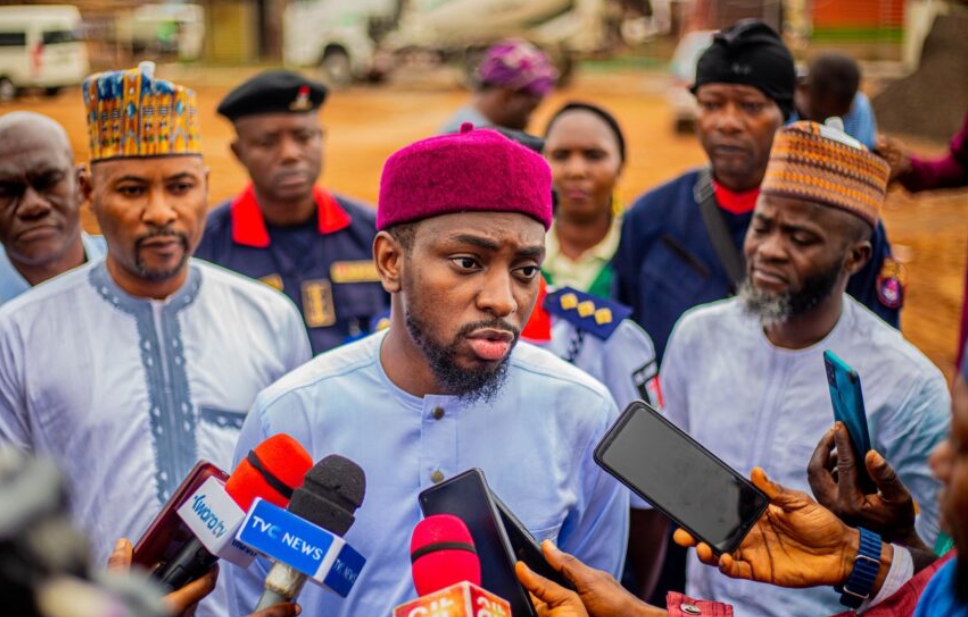
Olododo’s emergence followed political negotiations and withdrawals by other aspirants, reflecting the influence of executive-backed consensus arrangements within the state chapter of the party.
POLITICAL DYNASTIES MAINTAIN RELEVANCE
In Ogun State, Olumide Osoba, son of former governor Olusegun Osoba, secured another APC ticket, extending the family’s political relevance within the state.

Similarly, Adamu Abubakar, brother of former Head of State, General Abdulsalami Abubakar, emerged victorious in the Chanchaga Federal Constituency contest in Niger State.
Observers noted that both victories reflected the continuing role of established political families within Nigeria’s electoral system.
ZULUM’S BROTHER EMERGES UNOPPOSED
In Borno State, Kaumi Zulum, younger brother of Governor Babagana Zulum, secured the APC ticket for Dikwa/Konduga/Mafa Federal Constituency without opposition.
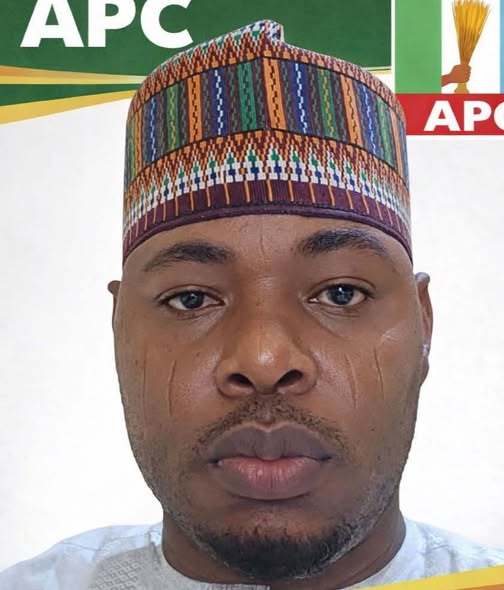
His emergence effectively ended the return bid of incumbent lawmaker Ibrahim Mohammed Buja who has represented the constituency since 2019.
The development attracted attention because of Kaumi Zulum’s limited political background before the primary exercise.
IHONVBERE, MUTU SUFFER MAJOR LOSSES
Among the most notable defeats was that of the House Majority Leader, Professor Julius Ihonvbere, who failed to secure the APC ticket for Owan East/Owan West Federal Constituency in Edo State.
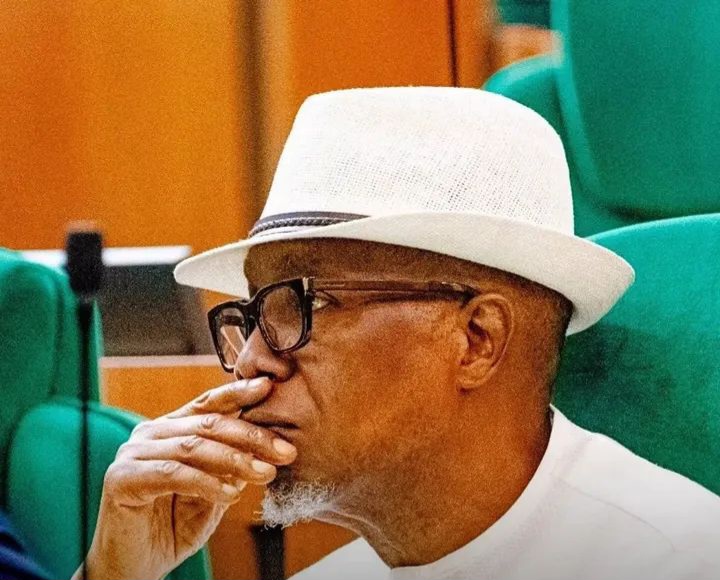
Political observers described the outcome as one of the biggest surprises of the exercise because of Ihonvbere’s status within the House leadership.
In Delta State, Nicholas Mutu, who has represented Bomadi/Patani Federal Constituency since 1999, also lost his bid for another term.

His defeat ended one of the longest uninterrupted tenures in the House of Representatives.
CUBANA CHIEF PRIEST FAILS IN IMO
Celebrity businessman Paschal Okechukwu, popularly known as Cubana Chief Priest, also failed to secure the APC ticket for Orsu/Orlu/Oru East Federal Constituency in Imo State.
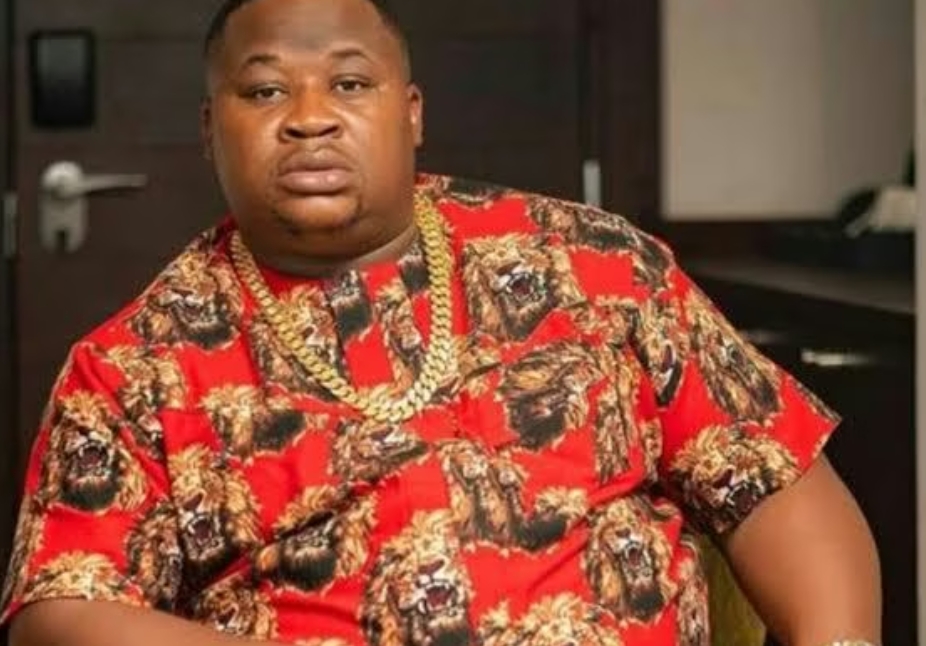
His loss generated widespread reactions online and highlighted the challenge of translating public popularity into internal party success.
The primaries in Imo also produced defeats for four serving House of Representatives members including Matthew Nwogu, Miriam Odinaka Onuoha, Harrison Nwadike and Emeka Martins Chinedu.
Political analysts said the outcomes across the country reflected the emergence of new political interests, the resilience of entrenched structures and the vulnerability of incumbents unable to retain support within their party ranks.