Nigeria just gave its crypto industry the clearest rulebook it has ever had, and it didn’t come from a new agency. It came from an executive order.
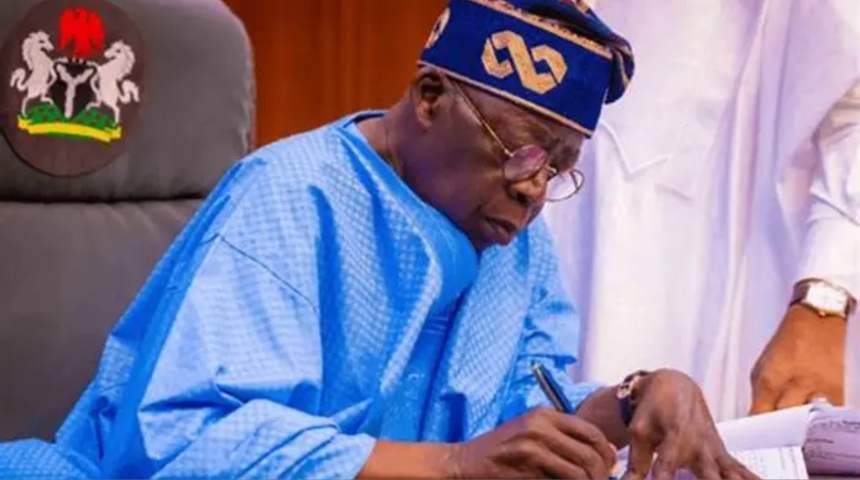
President Bola Ahmed Tinubu signed the Presidential Executive Order on Virtual Assets Coordination, 2026, on Friday, July 17, taking effect immediately. Rather than creating a fresh regulator to police the industry, the order does something more practical: it forces the Central Bank of Nigeria (CBN), the Securities and Exchange Commission (SEC), and the newly formed Nigeria Revenue Service (NRS) to work from the same playbook.
Presidential spokesperson Bayo Onanuga announced the move in a statement, describing it as an attempt to close gaps that fraudsters and unregistered platforms have exploited for years. Those gaps, the Presidency said, had exposed Nigeria to money laundering, terrorism financing, cybercrime, fraud, and lost tax revenue, a familiar complaint in a country that consistently ranks among the world’s most crypto-active markets, despite years of regulatory whiplash.
Why Nigeria Needed This
For most of the last decade, Nigerian crypto users have lived with contradiction. The CBN banned banks from touching crypto transactions in 2021, citing fraud and money-laundering risk. Nigerians kept trading anyway, mostly peer-to-peer, turning the country into one of the largest crypto markets on the continent regardless of what the central bank said. The SEC, meanwhile, took a different tack, gradually asserting that digital assets counted as securities under its jurisdiction.
That contradiction formally ended with the Investments and Securities Act (ISA) 2025, which classified virtual assets as securities and handed the SEC clear authority to license and supervise exchanges, custodians, and other digital asset businesses. The new executive order builds directly on that law. It doesn’t replace the SEC’s mandate; it wires it into a shared system with the CBN and the tax authority so the three bodies stop working at cross purposes.
What the Executive Order Actually Does
At the center of the new framework sits a Virtual Asset Council, chaired by the CBN, bringing together the SEC and the NRS to coordinate licensing, supervision, and enforcement. To support it, the order establishes a Virtual Asset Office inside the CBN, which will function as the council’s day-to-day secretariat, handling information sharing between agencies, processing licensing applications, and managing regulatory reporting.
The government has been explicit that this isn’t about adding red tape. “The Order is designed to close these gaps through supervisory coordination, without introducing new layers of regulation or displacing the mandates of existing agencies,” the Presidency’s statement read. In other words: same regulators, same laws, but no more agencies working in silos while operators slip through the cracks between them.
A few other pieces are already in motion alongside the council:
- The CBN plans to roll out a virtual asset regulatory sandbox, letting licensed blockchain and crypto businesses test new products in a controlled environment before going fully live.
- The NRS is preparing a crypto-specific tax framework, aimed at making voluntary compliance easier while giving the government a clearer line of sight on digital asset revenue.
- Officials are drafting a virtual asset white paper that will lay out the sector’s medium- and long-term policy direction, essentially Nigeria’s roadmap for where crypto regulation goes from here.
The SEC Already Raised the Bar
The executive order didn’t arrive in a vacuum. Back in January, the SEC issued Circular No. 26-1, a sweeping revision of minimum capital requirements across the entire capital market, and crypto operators took one of the biggest hits.
Digital Asset Exchanges and custodians now need ₦2 billion in capital, up from ₦500 million, a fourfold jump. Digital Asset Offering Platforms must hold ₦1 billion. Even ancillary virtual asset service providers, firms offering support services like blockchain analytics rather than running exchanges themselves, now need a minimum of ₦300 million just to operate legally. Every affected operator has until June 30, 2027 to meet the new thresholds or risk penalties.
The SEC has framed this as basic financial hygiene: operators handling other people’s money should be able to prove they can absorb shocks. Critics in the industry see it differently, warning that smaller Nigerian crypto startups, the kind that don’t have backing from international investors, may struggle to raise ₦2 billion and could get squeezed out in favor of bigger, often foreign-backed platforms.
A Bill Still Working Through the Senate
There’s a second track to this story that hasn’t finished yet. About a month before Tinubu’s executive order, the Senate advanced the Virtual Asset Service Providers Regulation Bill, 2026, to its second reading. Sponsored by Deputy Senate President Jibrin Barau, the bill would require exchanges, wallet providers, and other digital asset platforms to operate under clearly defined licensing, reporting, and compliance obligations, essentially putting some of what’s now sitting in an executive order into permanent legislation.
Senator Tahir Monguno, backing the bill, warned that without firmer rules, crypto activity in Nigeria risks moving further underground, making it harder to monitor and easier to abuse. The bill is currently sitting with the Senate Committee on Capital Market, which has been given four weeks to report back. Whether its provisions end up folded into the executive order’s framework, or standing as separate legislation, is one of the more interesting open questions in Nigeria’s regulatory story right now.
What This Means If You’re Trading, Building, or Investing
If you’re an ordinary crypto user in Nigeria, nothing changes overnight. You can still hold and trade digital assets. What’s shifting is the environment around you: platforms operating without SEC registration are now squarely in the government’s crosshairs, and the agencies chasing them are, for the first time, actually talking to each other.
If you run or plan to launch a crypto business in Nigeria, the message is blunter. Licensing through the SEC is no longer optional, the capital bar to get licensed has gone up sharply, and a tax framework built specifically for digital assets is coming. The regulatory sandbox may offer a softer landing for genuinely new products, but the days of operating in Nigeria’s crypto space without anyone’s paperwork are closing fast.
Nigeria has spent years being talked about as a crypto powerhouse that regulators couldn’t quite pin down. This latest move, an executive order backed by a beefed-up SEC capital regime and a bill still moving through the Senate, is the clearest sign yet that the government intends to change that reputation, for better or worse, depending on which side of the compliance line you’re standing on.