Nine people. Five deaths. And it’s only August.
The Louisiana Department of Health (LDH) says the state has recorded nine cases of Vibrio vulnificus infection so far in 2026, and every single one of those patients ended up hospitalized. Five did not survive. For a state that has averaged around seven cases and one death a year over the past decade, that’s not a small bump; it’s a warning sign, and health officials are treating it like one.
LDH announced the figures on Thursday, and the timing matters: warm-water season, when Vibrio bacteria thrive along the Gulf Coast, doesn’t wind down until October. So there’s a real chance the numbers climb further before the year is out.
What’s Actually Going On
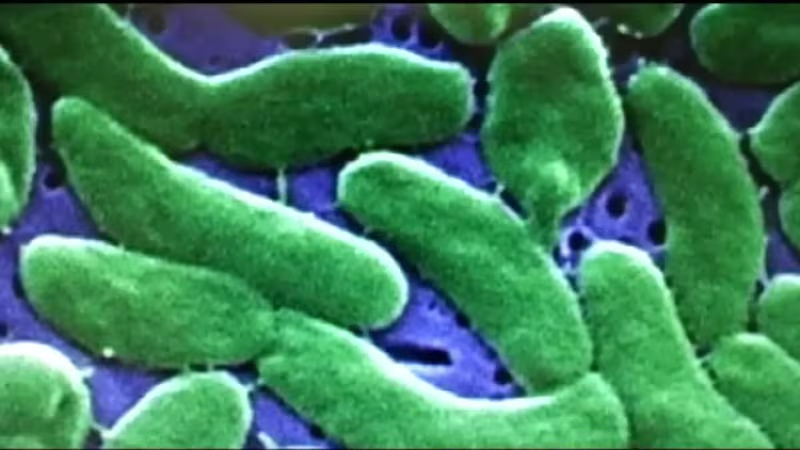
Vibrio vulnificus isn’t some exotic new pathogen. It’s a bacterium that lives naturally in warm coastal and brackish water, and it’s been part of Gulf Coast life for as long as anyone’s been swimming or shucking oysters there. What’s changed this year is how often it’s turning deadly.
Every one of the nine Louisiana cases this year involved a wound, a cut, a scrape, a piercing, anything that broke the skin, that came into contact with seawater. And every single patient had an existing health condition going in. That second detail is the one doctors keep circling back to, because it tells you who’s actually vulnerable here.
The bacteria can cause three broad types of illness: gastrointestinal infection from eating contaminated seafood (raw oysters are the classic culprit), wound infections when open skin touches contaminated water, and bloodstream infections, which are by far the most dangerous. Once Vibrio vulnificus gets into the blood, it moves fast. LDH says roughly one in five people who get infected die, sometimes within a day or two of symptoms starting.
That speed is part of why it’s earned the nickname “flesh-eating bacteria,” even though technically it’s not eating flesh so much as destroying tissue fast enough that it can look that way. Severe wound infections can progress to necrotizing fasciitis, and in the worst cases, doctors have to amputate to stop the infection from spreading further.
Who’s Actually at Risk
The uncomfortable truth about Vibrio vulnificus is that healthy people rarely get seriously ill from it, even with exposure. This isn’t a bacteria that indiscriminately targets beachgoers. It goes after people whose bodies already have a harder time fighting infection.
According to LDH, the people facing the highest risk of severe complications include those with:
- Liver disease
- Cancer
- Diabetes
- HIV
- Thalassemia (a blood disorder)
- A weakened immune system from medication or recent treatment
- Medications that reduce stomach acid
- Recent stomach surgery
If you fall into any of those categories, the calculus around wading into Gulf water or handling raw shellfish changes considerably, and LDH’s advice is blunt: stay out of brackish or salt water entirely if you have an open wound of any kind.
Symptoms to Watch For
Wound infections tend to show up as fever, redness, swelling, warmth around the injury, skin discoloration, or unusual drainage. Bloodstream infections come with fever, chills, a dangerous drop in blood pressure, and skin lesions. The gastrointestinal version looks more like classic food poisoning: watery diarrhoea, cramping, nausea, vomiting.
Health officials are stressing one thing above all else: if any of these symptoms show up after time in coastal water or after eating raw seafood, don’t wait it out. Get medical attention immediately. Given how quickly severe cases can turn fatal, hours matter.
It’s Not Just Louisiana
Louisiana isn’t dealing with this alone. Florida has reported two Vibrio vulnificus deaths so far this year, a smaller number than the five it recorded in 2025 and the notably brutal 19 deaths tied to Hurricane Helene’s floodwaters in 2024, but health officials there are watching closely too. Cases have also been rising in Maryland this season.
There’s a broader pattern researchers have flagged for a while now: as coastal waters warm, Vibrio’s range is creeping outward. It turned up in water samples off New York’s Long Island this spring, somewhere it historically hasn’t been a major concern. Nationally, the U.S. sees somewhere between 150 and 200 confirmed cases a year, and about half of those come out of the five Gulf states, Texas, Louisiana, Mississippi, Alabama, and Florida.
What LDH Recommends
Louisiana health officials are urging a handful of common-sense precautions for anyone spending time near the coast this summer:
- Avoid brackish or salt water if you have any open wound, including cuts, scrapes, surgical incisions, or fresh piercings
- Cover existing wounds with a waterproof bandage before any contact with coastal water or raw seafood
- Wash wounds thoroughly with soap and water immediately after possible exposure
- Cook seafood thoroughly, and be especially cautious with raw oysters
- Seek medical care right away if symptoms of infection appear
LDH says it will now post weekly updates on Vibrio vulnificus cases through its Public Health Data Spotlight page for the rest of the season, so residents can track how the numbers move as summer turns into fall.
For now, the message from health officials is simple, if not exactly comforting: the bacteria has always been in Gulf waters. What’s different this year is how many people it’s putting in the hospital, and how many it isn’t letting walk back out.