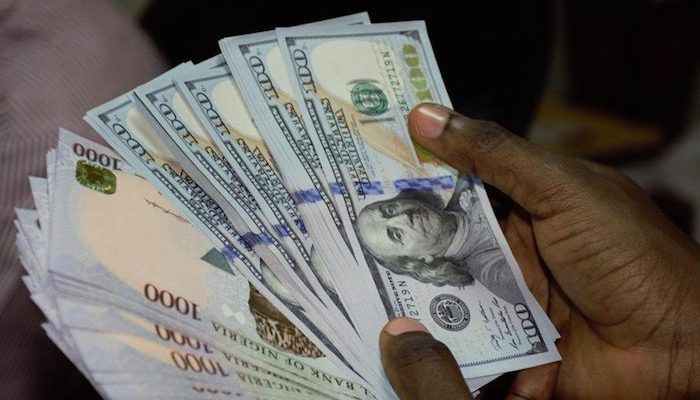
The naira is starting the new trading week close to the ₦1,330 mark against the US dollar, still holding on to the gains it made through August and September. The official market is quoting the dollar at roughly ₦1,328 to ₦1,329, while street dealers and Bureau de Change operators are selling it at about ₦1,390.
If you are searching for the dollar to naira today rate because you have school fees to pay, goods to import, a remittance to receive or a trip to plan, here is where things stand, how the numbers got here and what to watch before you change a single dollar.
Note: The most recent confirmed figures available at the time of writing are those published for Friday, October 2, 2026. The Central Bank of Nigeria (CBN) usually posts the next day’s NFEM rate later in the day, so expect small shifts when the Tuesday figure is released.
Dollar to Naira Rate Today at a Glance
| Market | Buy / Reference | Sell | Source |
|---|---|---|---|
| Official (NFEM) | ₦1,328.17 | n/a | Market data, Oct 2 |
| CBN reference rate | ₦1,328.16 | ₦1,329.16 | CBN |
| Parallel (black) market | n/a | about ₦1,390 | Market trackers |
| Official vs parallel gap | about ₦60.84 per dollar |
In plain terms, the gap between what the banks quote and what the street charges is roughly ₦61 on every dollar, which works out to about 4.6 per cent.
Official Market: Quiet, Narrow and Stable
The naira traded at about ₦1,328.17 per dollar at the Nigerian Foreign Exchange Market (NFEM) on Friday, October 2, according to market data, with the CBN’s own reference rate sitting at ₦1,329.16 to sell. The CBN’s published buying rate was ₦1,328.16.
That is a small difference between the two figures, and it tells its own story. Dealers are not scrambling. There were no wild intraday swings, and the currency has been moving in a tight band around the ₦1,300-per-dollar level for several weeks now.
For anyone unfamiliar with how the number is produced, the NFEM rate is not set by a single official. It is the volume-weighted average of transactions completed in the formal market, which the CBN publishes daily as the benchmark for eligible foreign exchange deals.
Black Market Dollar Rate Today
On the street, the dollar costs more. Market trackers put the parallel-market selling rate at around ₦1,390 on October 2, which is a little lower than the ₦1,400 to ₦1,410 range dealers were quoting in early September.
Rates differ from one dealer to the next. Lagos, Abuja, Kano and Port Harcourt do not always agree to the naira, and the size of your transaction, whether you are buying or selling, and the time of day all play a part. Anyone dealing in cash should check with at least two operators before committing.
The CBN does not recognise the parallel market, and it continues to direct customers to authorised dealers and banks for formal foreign exchange transactions.
How Much Is $1, $100 and $1,000 in Naira Today?
Here is what common dollar amounts convert to at the CBN reference selling rate of ₦1,329.16 and at the parallel-market selling rate of ₦1,390.
| Amount (USD) | At official rate (₦1,329.16) | At parallel rate (₦1,390) |
|---|---|---|
| $1 | ₦1,329.16 | ₦1,390 |
| $5 | ₦6,645.80 | ₦6,950 |
| $10 | ₦13,291.60 | ₦13,900 |
| $20 | ₦26,583.20 | ₦27,800 |
| $50 | ₦66,458 | ₦69,500 |
| $100 | ₦132,916 | ₦139,000 |
| $500 | ₦664,580 | ₦695,000 |
| $1,000 | ₦1,329,160 | ₦1,390,000 |
| $5,000 | ₦6,645,800 | ₦6,950,000 |
On a $1,000 purchase, the difference between the two markets comes to about ₦60,840. That is real money, and it is why the gap matters to students, importers and families who send or receive funds regularly.
How the Naira Got Here: A Look at the Past Few Months
The naira’s story this year has been one of slow, steady improvement rather than a dramatic rally. At the start of June, the official rate was around ₦1,373 per dollar. By mid-July it had drifted to roughly ₦1,382, and in early August it was still bouncing between ₦1,360 and ₦1,370.
Then the currency began to firm up. On August 17 the naira closed at about ₦1,350, its strongest level since April. By early September it had broken into the ₦1,320s, with the NFEM closing at ₦1,326.69 on September 2, a two-year high for the currency. On September 4, trading ranged between ₦1,319.45 and ₦1,324 per dollar, and the weighted average was ₦1,321.22.
| Date | Official (NFEM) | Parallel (selling) |
|---|---|---|
| June 3, 2026 | ₦1,373.25 | about ₦1,385 to ₦1,400 |
| July 15, 2026 | about ₦1,382 | about ₦1,412 |
| August 10, 2026 | ₦1,362.55 | about ₦1,425 |
| August 18, 2026 | about ₦1,350 | about ₦1,420 |
| September 2, 2026 | ₦1,329.43 | ₦1,400 to ₦1,410 |
| September 7, 2026 | about ₦1,321.68 | about ₦1,400 |
| October 2, 2026 | ₦1,328.17 | about ₦1,390 |
Since August 10, the official rate has strengthened by roughly ₦34, or about 2.5 per cent. The parallel market has moved less, easing from ₦1,425 to ₦1,390 over the same stretch.
What Is Holding the Naira Up?
Several things are working in the currency’s favour.
Foreign reserves: Nigeria’s external reserves climbed to about $52.66 billion as of August 19, according to CBN data cited by market trackers. Reserves crossed $52 billion in July for the first time since 2009, overtaking the CBN’s own target of $51.04 billion for the full year. A large cushion gives the central bank room to step in when the market gets jumpy.
Better dollar supply: Dealers and analysts have pointed to improved foreign exchange liquidity, steadier remittance inflows and offshore investor participation as reasons the official market has stayed orderly.
Policy reforms: The unification of the foreign exchange windows and the “willing buyer, willing seller” approach have made the official rate more reflective of actual trading, which has helped narrow the distance between the official and parallel markets compared with where it stood in 2024.
There is one more point worth mentioning. The International Monetary Fund has estimated that the naira remains undervalued against fundamentals by about 25.6 per cent on its real effective exchange rate measure, and has also noted that continued reserve accumulation may be slowing the pace at which the currency adjusts. Put simply, there is room for the naira to strengthen further, but how fast that happens depends heavily on how the CBN manages its reserves.
What to Watch This Week
Keep an eye on a few things over the coming days. The CBN’s daily NFEM publication will show whether the naira holds its ground near ₦1,330 or slips back. Weekly reserve data will indicate whether the central bank still has the firepower to defend the current level. And month-end and early-quarter demand from importers and companies settling bills sometimes puts brief pressure on the dollar, so a mild uptick would not be surprising.
Analysts have generally expected the naira to trade within a narrow range in the near term, supported by the CBN’s presence in the market and steady inflows.
Frequently Asked Questions
What is the dollar to naira rate today?
At the latest confirmed figures, the official rate is about ₦1,328 to ₦1,329 per dollar, and the parallel market sells at about ₦1,390.
How much is $100 in naira today?
Roughly ₦132,916 at the official reference rate and about ₦139,000 at the parallel-market selling rate.
Why is the black market rate higher than the official rate?
Demand for cash dollars and for transactions outside the formal banking system keeps a premium in place, even as the gap has narrowed.
Where is the official exchange rate published?
The CBN publishes the NFEM rate on its exchange rate portal, and FMDQ posts daily market data.
Will the naira get stronger?
Nobody can say for certain. Strong reserves and steady inflows are positive signs, but oil prices, global dollar movements and demand pressure can all change direction quickly.