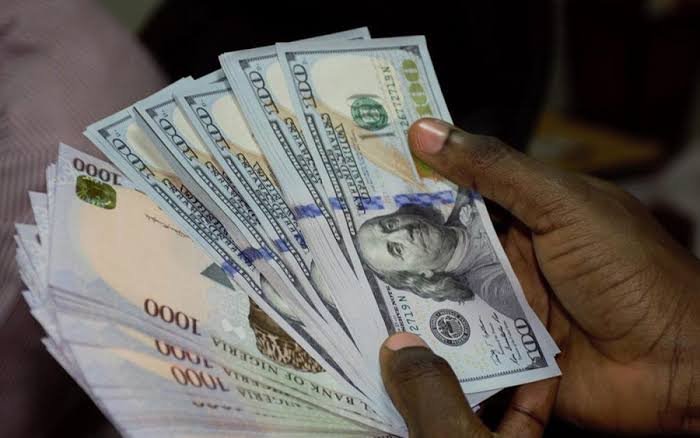
The dollar to naira rate opened the week with little drama. The dollar traded at about ₦1,332.49 at the Nigerian Foreign Exchange Market (NFEM), while the parallel market quoted roughly ₦1,370 for buying and ₦1,380 for selling, based on the latest figures available as of Monday, October 12, 2026.
For anyone paying school fees abroad, planning a trip, or settling an import invoice, the main question is the same as ever: which rate will you actually get? The answer depends on where you buy.
Dollar to naira today: the rates at a glance
The official NFEM figure is the Central Bank of Nigeria’s closing rate from Friday, October 9, the last completed official session in the data reviewed. Monday’s session was still under way when this report was written, so the official rate may move during the day.
| Market | Buying rate (₦) | Selling rate (₦) | Source date |
|---|---|---|---|
| Official (NFEM, CBN closing rate) | 1,332.49 | 1,332.49 | Friday, Oct 9 |
| Parallel (black) market | about 1,370 | about 1,380 | Saturday, Oct 10 |
Rates for the same day can differ by a few naira depending on the platform and the time of the reading. Aboki Forex, for example, listed ₦1,331.19 as the CBN official rate alongside a ₦1,370 black-market quote on October 11. That is a small gap from the Friday closing figure, and the difference mostly reflects timing and method.
How much is $1, $100 and $1,000 in naira today?
The table below converts common amounts at the Friday NFEM close of ₦1,332.49 and at the parallel-market selling rate of ₦1,380, which is what you would pay as a buyer on the street.
| Amount in dollars | Official rate (₦1,332.49) | Parallel market selling (₦1,380) |
|---|---|---|
| $1 | ₦1,332.49 | ₦1,380 |
| $10 | ₦13,324.90 | ₦13,800 |
| $50 | ₦66,624.50 | ₦69,000 |
| $100 | ₦133,249 | ₦138,000 |
| $500 | ₦666,245 | ₦690,000 |
| $1,000 | ₦1,332,490 | ₦1,380,000 |
| $5,000 | ₦6,662,450 | ₦6,900,000 |
On a $1,000 purchase, the street rate costs about ₦47,500 more than the official one. That is why many people with bank access prefer the official window, and why those who cannot reach it still end up at the bureau de change counters.
The gap between the official and black-market rates
The spread is the most useful number for ordinary buyers. At ₦1,380, the parallel selling rate sits about ₦47.51, or roughly 3.6 percent, above the official close. At ₦1,370, the buying rate is about ₦37.51, or around 2.8 percent, higher.
That is narrow by the standards of recent years. In July, CBN Governor Olayemi Cardoso said the gap between the official rate and the bureau de change rate had narrowed to under 2 percent. It has since widened a little, but it remains modest next to the huge premiums of the past.
Dollar to naira this week: how the rates moved
The official rate barely moved in the first days of October, while the street rate wobbled. The table pulls together reported figures from the past two weeks.
| Date | Official rate (₦) | Parallel market selling (₦) |
|---|---|---|
| Thu, Oct 1 | about 1,329 to 1,330 | 1,380 to 1,390 |
| Sat, Oct 3 | about 1,330 (Friday close) | 1,370 to 1,382 |
| Mon, Oct 5 | 1,330 to 1,332 | 1,370 to 1,375 |
| Tue, Oct 6 | about 1,332.90 | 1,357 to 1,370 |
| Wed, Oct 7 | about 1,331.50 | 1,362 to 1,370 |
| Thu, Oct 8 | about 1,331 to 1,332 | 1,362 to 1,375 |
| Fri, Oct 9 | 1,332.49 (CBN close) | 1,385 to 1,388 |
| Sat, Oct 10 | no official session | about 1,380 |
On October 6, street dealers in Lagos, Abuja, Kano and Port Harcourt quoted the dollar at ₦1,357 to ₦1,370 when selling, and the official rate slipped to about ₦1,332.90. By Friday, October 9, selling quotes had climbed to ₦1,385 to ₦1,388, which pushed the street premium to roughly 4 percent. Dealers said the informal price could change before close of business, as it often does.
Reuters reported on October 8 that the naira was trading around ₦1,331 officially and ₦1,370 on the street, with market participants expecting relative stability in the near term.
Pound and euro rates against the naira
Dollar demand gets the headlines, but many Nigerians also pay in pounds and euros. One aggregator tracking CBN and open-market data on October 11 gave these figures.
| Currency | CBN rate (₦) | Open market selling (₦) |
|---|---|---|
| US dollar (USD) | 1,331.19 | 1,390 |
| British pound (GBP) | 1,759.16 | 1,880 |
| Euro (EUR) | 1,490.80 | 1,590 |
That same reading showed the dollar buying at ₦1,375 and selling at ₦1,390 on the open market. Open-market quotes vary between aggregators, so treat these as a guide rather than a firm price.
Why the naira has been so steady
External reserves are the main support. Reserves rose by $9.29 billion in the first nine months of 2026, from $45.57 billion on January 2 to $54.86 billion on September 24. That is well above the CBN’s own end-of-2026 projection of $51.04 billion. Analysts at CardinalStone credit steady FX inflows and a current-account surplus for lifting gross reserves, with net reserves above $40 billion.
A bigger buffer gives the central bank more room to manage shocks. The naira held at ₦1,328.67 on the day the CBN’s Monetary Policy Committee reset its benchmark interest rate in September, and the committee left the cash reserve ratio and liquidity requirements unchanged.
Still, analysts urge caution. One analyst told Blueprint that stronger reserves should not be read as proof that Nigeria’s external vulnerabilities have disappeared. Economists also note that falling inflation and a firmer currency have done little so far to ease the cost of living, because financing costs remain high.
How far the naira has come this year
Comparing today with January shows how much has changed. On January 12, 2026, the naira opened at about ₦1,426.69 per dollar at the NFEM. At ₦1,332.49, the dollar is now about 6.6 percent cheaper in naira terms than it was nine months ago. In late January, bureau de change operators in Lagos, Abuja and Kano quoted the dollar between ₦1,475 and ₦1,485. The street rate has therefore eased by roughly ₦100 over the same period.
What the dollar to naira rate means for you
- Students and parents: Tuition and living costs abroad are priced in foreign currency, so a steadier rate makes budgeting easier. Banks pricing at the official rate cost less than street purchases.
- Travellers: Compare your bank’s rate with a licensed bureau de change before you fly. The gap on a $1,000 allowance can run into tens of thousands of naira.
- Importers: Stable official rates help with costing, but access to dollars at that rate is still the sticking point for many small businesses.
- Remittance recipients: A narrow spread means less difference between receiving naira through formal channels and through the street.
Frequently asked questions
What is the dollar to naira rate today?
The NFEM closing rate was ₦1,332.49 per dollar on October 9, and the parallel market quoted about ₦1,370 (buying) and ₦1,380 (selling) in the latest figures.
What is the CBN rate for the dollar today?
The CBN’s last published closing rate is ₦1,332.49 per dollar. Other trackers show figures between about ₦1,329 and ₦1,332 depending on the time of reading.
Why is the black-market rate higher than the official rate?
The parallel rate is higher because demand for foreign currency outside the banking system exceeds the supply available there.
Will the naira gain or lose value this week?
Nobody can say for certain. Market participants expect relative stability in the near term, but the street rate can shift quickly with local supply and remittance inflows.
The naira starts the week steady in the official market at about ₦1,332 to the dollar, with the street rate close behind at ₦1,370 to ₦1,380. Rates change through the day and differ by dealer and city, so confirm the live figure with your bank or a licensed bureau de change before any transaction.