

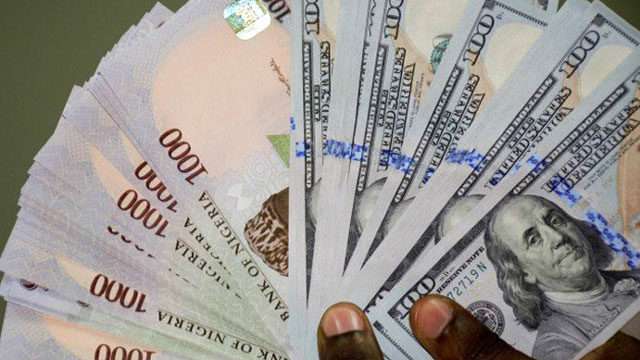
The naira opened Friday, October 30, 2026, on a steady footing against the US dollar, trading at about ₦1,346.86 at the official Nigerian Foreign Exchange Market (NFEM). On the parallel market, Bureau De Change operators in Lagos, Abuja and Kano were quoting roughly ₦1,375 to buy and ₦1,385 to sell.
That puts the official rate about ₦23 firmer than last Friday, when a burst of dollar demand had pushed it to roughly ₦1,370, and nearly 7 per cent stronger than where the currency began the year. Here is where the rates stand today, how October got here and what could move them next.
Dollar to naira today at a glance
Friday’s opening quotes leave the official and parallel markets about ₦38 to ₦43 apart, a gap of roughly 3 per cent. By the standards of recent years that is narrow, and it comes after a week in which the naira won back most of the ground it lost to heavy dollar demand.
| Market | Rate per $1 | Note |
|---|---|---|
| Official NFEM (early trading) | ₦1,346.86 | Friday, October 30, 2026 |
| Parallel market, buying | About ₦1,375 | Dealers in Lagos, Abuja and Kano |
| Parallel market, selling | ₦1,385 to ₦1,390 | Varies by dealer and city |
| Gap, official rate vs selling rate | About ₦38 to ₦43 | Roughly 2.8% to 3.2% |
These are indicative figures. Banks and Bureau De Change (BDC) operators add their own margins, and the official rate can shift through the trading day, so the amount you actually pay or receive may differ by a few naira.
Official NFEM and CBN rate: a quiet month, then a sharp wobble
For the first three weeks of October, the naira hardly moved. It opened the month near ₦1,329 per dollar and spent most of the period inside a band of roughly ₦1,329 to ₦1,337. Even the weakest close in that stretch, ₦1,335.50 on October 13, was a small slip rather than a scare.
The calm broke last week. Between October 21 and October 23, the naira lost about ₦27 and fell to a weighted average of ₦1,361.84, with reports pointing to a pickup in demand for dollars. The Friday close was near ₦1,370. The slide ran into Monday, when the close was about ₦1,365, the weakest level of the month.
Then supply returned. The naira gained ₦8 on Tuesday, October 27, to close at ₦1,357, which reports described as its biggest one-day rise since August. Trackers put the official rate at about ₦1,346 to ₦1,348 on Wednesday and Thursday, and early trading today came in at ₦1,346.86. Counting from last Friday’s close, that is a recovery of about ₦23, or 1.7 per cent.
The month as a whole is still slightly negative, with the naira about ₦18 weaker than on October 1. Zoom out and the picture improves. The currency opened 2026 near ₦1,446 per dollar, so today’s rate is nearly 7 per cent stronger. It touched ₦1,315 in the official window in early September, which was among its best showings in recent years.
One thing worth knowing when you compare sources: some outlets quote the CBN’s weighted average, others the closing rate, and others an early-morning price. They can differ by several naira on the same day. The table below says which is which.
| Date (2026) | Official NFEM rate (₦/$) | What happened |
|---|---|---|
| Oct 30 | 1,346.86 (early trading) | Holds steady after the week’s recovery |
| Oct 29 | About 1,346 to 1,348 | Further gains; sources differ slightly |
| Oct 27 | 1,357 (close) | Gains ₦8, biggest one-day rise since August |
| Oct 26 | About 1,365 (close) | Weakest point of the month |
| Oct 23 | 1,361.84 (weighted average); about 1,370 (close) | Dollar demand picks up, naira loses about ₦27 in two sessions |
| Oct 21 | 1,334.72 (weighted average) | Last session before the slide |
| Oct 16 | 1,332.26 (close) | Back inside the narrow band |
| Oct 13 | 1,335.50 (close) | Weakest close of the quiet stretch |
| Oct 6 | 1,331.50 (close) | Trades in a three-naira range |
| Oct 1 | About 1,329 | Month opens on a firm note |
Black market dollar to naira rate today
On the street, the story is one of patience. Dealers in Lagos, Abuja and Kano opened today buying dollars at about ₦1,375 and selling at about ₦1,385. Some trackers list the selling price a few naira higher, at ₦1,388 to ₦1,390, which is usual because quotes shift from one market and one dealer to the next.
The parallel rate barely reacted to last week’s turbulence. Quotes of ₦1,375 and ₦1,390 stayed essentially unchanged from October 26 through October 29. It was the official rate that did the moving, first down and then back up, and that is why the gap between the two markets has swung in the opposite direction.
At the start of October, street dealers were selling at about ₦1,384 while the official rate sat near ₦1,329, a difference of roughly ₦55. At last week’s low point for the naira, the two were only about ₦22 to ₦25 apart. Today the spread is back around ₦38 to ₦43.
For anyone buying dollars for travel, school fees or small business imports, the practical point is simple. The official window is cheaper, but it is reached through banks and authorised dealers. The parallel market is quicker and more flexible, and it costs about 3 per cent more at current rates. Whichever route you use, confirm the final rate and the exact amount before any cash changes hands.
Why the naira is holding firm
Several things are working in the currency’s favour, and the biggest is the size of the central bank’s cushion. Nigeria’s external reserves stood at about $55 billion in October, their highest level since the late 2000s, according to CBN data reported by Nairametrics. The figure was $45.57 billion on January 2, so the pile has grown by roughly 20 per cent in nine months. A larger reserve gives the CBN room to supply dollars when demand spikes, which is what appears to have happened after last week’s dip.
Liquidity support and inflows have done the rest. Market reports this morning credit continued CBN interventions and diaspora remittances for the orderly trading seen in the official window, with banks and importers able to meet demand for trade payments, tuition fees and capital repatriation.
Why did the naira slip at all, then? Reserves do not erase short-term pressure. A rush of importer demand, month-end dollar needs and speculative buying can move the rate within a few sessions even when the broader picture is firm. Tuesday’s rebound suggests the pressure eased once supply caught up.
Policy is also in the background. The Monetary Policy Committee cut the benchmark rate by 50 basis points to 26.5 per cent in February and has kept it there since. High returns on naira assets help to keep foreign portfolio money in the market, which in turn eases the demand on the dollar. Inflation, reported at 14.63 per cent for September, has also been trending down, and that gives the central bank more freedom to hold its line on the currency.
How much is $1 to $5,000 in naira today?
The table uses today’s official NFEM rate of ₦1,346.86 and the parallel market selling rate of ₦1,385. If you are the one selling dollars to a dealer, expect a little less, since the buying rate is about ₦1,375.
| Dollar amount | Official NFEM (₦1,346.86) | Parallel market, selling (₦1,385) |
|---|---|---|
| $1 | ₦1,346.86 | ₦1,385 |
| $10 | ₦13,468.60 | ₦13,850 |
| $50 | ₦67,343 | ₦69,250 |
| $100 | ₦134,686 | ₦138,500 |
| $500 | ₦673,430 | ₦692,500 |
| $1,000 | ₦1,346,860 | ₦1,385,000 |
| $5,000 | ₦6,734,300 | ₦6,925,000 |
Going the other way, here is what common naira amounts are worth in dollars at the same rates.
| Naira amount | In dollars at the official rate | In dollars at the parallel selling rate |
|---|---|---|
| ₦100,000 | $74.25 | $72.20 |
| ₦500,000 | $371.23 | $361.01 |
| ₦1,000,000 | $742.47 | $722.02 |
| ₦5,000,000 | $3,712.34 | $3,610.11 |
What to watch next
The immediate question is whether the naira can stay near ₦1,346 once the month ends. Dollar demand tends to rise around month-end and again towards the festive season, when tuition payments, travel and import orders pile up, and last week showed how quickly the official rate can react.
In its 2026 outlook, Cordros Securities had pointed to a recovery towards ₦1,350 per dollar as the market adjusted after years of distortion, and the currency is now sitting right on that level. Other analysts have said the CBN’s priority is stability rather than a sharp appreciation, which suggests the bank would rather smooth out swings than let the naira run.
Three things are worth tracking over the coming weeks:
- Reserves: a steady climb supports the CBN’s ability to sell dollars into the market. A sudden drop would signal that the bank is working harder to defend the rate.
- The spread: if the gap between official and parallel rates widens beyond ₦50 again, as it did at the start of October, it usually points to rising demand for dollars outside the official window.
- The next MPC decision: any move on the benchmark rate would change how attractive naira assets are to foreign investors.
We will update this article as new figures come in.
Frequently asked questions
What is the dollar to naira rate today?
The official NFEM rate was about ₦1,346.86 per dollar in early trading on Friday, October 30, 2026. On the parallel market, dealers were buying at about ₦1,375 and selling at about ₦1,385.
What is the CBN dollar rate today?
The CBN’s own published rate follows the NFEM and sits close to ₦1,347 per dollar. The bank does not publish on weekends, so Friday’s figure stands until trading resumes on Monday.
What is the black market dollar rate today?
Dealers in Lagos, Abuja and Kano are quoting about ₦1,375 to buy and ₦1,385 to ₦1,390 to sell, depending on the location and the dealer.
How much is $100 in naira today?
About ₦134,686 at the official rate and about ₦138,500 at the parallel market selling rate.
Why did the naira weaken last week?
Reports pointed to a pickup in dollar demand. The official rate lost about ₦27 between October 21 and October 23 and slipped further on October 26 before recovering from October 27.
Is the naira stronger than at the start of the year?
Yes. The currency opened 2026 near ₦1,446 per dollar, so today’s official rate of about ₦1,347 is nearly 7 per cent stronger.