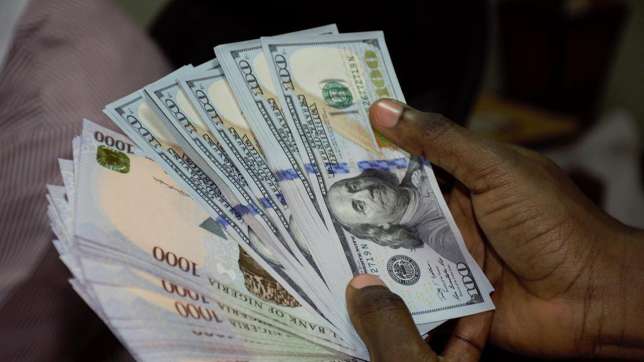
The naira goes into the weekend at ₦1,346.91 to the dollar at the official market, its third straight daily gain, while street dealers are selling dollars at between ₦1,385 and ₦1,390. The Nigerian Foreign Exchange Market (NFEM) does not trade on Saturday, so the latest Central Bank of Nigeria (CBN) figure holds until trading resumes on Monday, November 2.
Dollar to naira today at a glance
CBN data puts the official NFEM rate at ₦1,346.91 per dollar for Thursday, October 29, the latest published figure. Early trading on Friday, October 30, was reported at about ₦1,346.86, so the market barely moved. On the street, dealers in Lagos, Abuja and Kano were buying at about ₦1,375 and selling at ₦1,385 to ₦1,390.
| Market | Rate per $1 | Note |
|---|---|---|
| Official NFEM (CBN weighted average) | ₦1,346.91 | Thursday, October 29, latest CBN figure |
| CBN buying / selling | ₦1,345.91 / ₦1,346.91 | CBN rates for October 29 |
| Commercial bank (GTBank, selling) | ₦1,365 | Reported on Wednesday, October 28 |
| Parallel market, buying | About ₦1,375 | Lagos, Abuja and Kano dealers |
| Parallel market, selling | ₦1,385 to ₦1,390 | Varies by dealer and city |
| Gap between official and parallel selling rate | About ₦38 to ₦43 | Roughly 2.8% to 3.2% |
Official NFEM and CBN rate: a calm month with one sharp wobble
For most of October the naira sat close to ₦1,330. CBN figures show ₦1,331.19 on October 9 and ₦1,334.72 on October 21, which was typical of the range it had held since late September. Then the currency slipped, losing ₦27.12 in two days to reach ₦1,361.84 on Friday, October 23, and another ₦5.77 on Monday to touch ₦1,367.61.
The slide stopped on Tuesday. The naira recovered ₦14.74 after five straight days of losses, according to BusinessDay, and it has kept firming since. By Thursday it had won back about ₦21 of the roughly ₦33 it gave up between October 21 and October 26.
| Date (2026) | Official NFEM rate (₦/$) | What happened |
|---|---|---|
| Thu, Oct 29 | 1,346.91 | Third straight gain; official dollar turnover fell by nearly 78% |
| Wed, Oct 28 | 1,347.53 | Naira gained ₦5.34, or 0.39%; turnover was $244.61 million |
| Tue, Oct 27 | 1,352.87 | Recovered ₦14.74 after five days of losses |
| Mon, Oct 26 | 1,367.61 | Lost another ₦5.77 |
| Fri, Oct 23 | 1,361.84 | Down ₦27.12 in two days |
| Wed, Oct 21 | 1,334.72 | Still inside the ₦1,330 band held since late September |
| Fri, Oct 9 | 1,331.19 | Quiet trading |
The figures above are CBN weighted averages. Some trackers quote the closing rate instead, which can differ by a few naira. One of them put Tuesday’s close at ₦1,357, for example, against the ₦1,352.87 average.
The longer view is kinder to the currency. The naira opened 2026 at around ₦1,446 per dollar, so the current rate is nearly 7% stronger. BusinessDay’s reading of CBN data shows the quarterly average improving from ₦1,384.48 in the first quarter to ₦1,365.95 in the second, a gain of 1.36%.
Black market dollar to naira rate today
The parallel market has been steadier than the official window. Dealers quoted ₦1,375 to buy and ₦1,390 to sell on Wednesday, and the selling side was still ₦1,385 to ₦1,390 in Friday’s quotes. Legit.ng put the street rate at ₦1,378 on Wednesday, ₦2 stronger than the previous session, before it eased to about ₦1,390 on Thursday. Aboki Forex showed ₦1,382 on Friday afternoon.
Trackers differ by a few naira, and dealers in Lagos, Abuja, Kano and Port Harcourt do not all quote the same figure. Large amounts can attract a different price from small ones.
What has changed is the distance from the official rate. On September 22, the parallel rate was about ₦1,389 while the NFEM stood at ₦1,327.78, a gap of roughly ₦61. With the official rate now at ₦1,346.91 and the street selling at ₦1,385, the gap has narrowed to about ₦38, or 2.8%.
| Date (2026) | Parallel market (₦/$) | Official NFEM (₦/$) | Gap (₦) |
|---|---|---|---|
| Fri, Oct 30 | 1,385 to 1,390 (selling) | 1,346.86 (early trading) | About 38 to 43 |
| Wed, Oct 28 | 1,378 (close) | 1,347.53 | About 30 |
| Fri, Oct 23 | 1,375 | 1,361.84 | About 13 |
| Tue, Sep 22 | 1,389 | 1,327.78 | About 61 |
The Friday gap range uses the two street selling quotes against the same early official rate.
How much is $1 to $10,000 in naira today?
The table uses the official rate of ₦1,346.91 and a parallel market selling rate of ₦1,385. Banks add their own margin, so card and transfer rates will differ from both columns.
| Dollar amount | At the official rate (₦1,346.91) | At the parallel selling rate (₦1,385) |
|---|---|---|
| $1 | ₦1,346.91 | ₦1,385 |
| $10 | ₦13,469 | ₦13,850 |
| $50 | ₦67,346 | ₦69,250 |
| $100 | ₦134,691 | ₦138,500 |
| $500 | ₦673,455 | ₦692,500 |
| $1,000 | ₦1,346,910 | ₦1,385,000 |
| $5,000 | ₦6,734,550 | ₦6,925,000 |
| $10,000 | ₦13,469,100 | ₦13,850,000 |
Going the other way, a naira holder gets slightly fewer dollars at the street rate than at the official one.
| Naira amount | Dollars at the official rate | Dollars at the parallel rate |
|---|---|---|
| ₦100,000 | $74.24 | $72.20 |
| ₦500,000 | $371.22 | $361.01 |
| ₦1,000,000 | $742.44 | $722.02 |
Why the naira firmed: reserves and CBN interventions
BusinessDay credited the CBN’s interventions and a stronger external buffer for Tuesday’s recovery. Nigeria’s gross external reserves reached $55.26 billion on October 26, an 18-year high and 28.30% above the $43.07 billion recorded a year earlier. CBN Governor Olayemi Cardoso has put net reserves, which strip out swap and forward obligations, at about $46 billion.
| Date | Gross external reserves |
|---|---|
| Oct 26, 2026 | $55.26 billion |
| Oct 22, 2026 | $55.16 billion |
| Oct 8, 2026 | $55.07 billion |
| Jan 2, 2026 | $45.57 billion |
Big reserves have not made the naira immune. The currency fell for several sessions in the week of October 21 even as reserves kept climbing, a point Legit.ng and PM News both made at the time. Dollar demand, supply and investor confidence all feed into the rate, and reserves are only one of them.
The thinner trading on Thursday is worth watching too. Official dollar turnover dropped by nearly 78%, so the latest gain came on much lower volume. The World Bank had earlier described the naira as one of Africa’s more resilient currencies in the second quarter, with its deepest fall limited to 2.6%.
What the rates mean for your money
The gap between the two markets is where the real cost sits. A business that has to pay $10,000 to a foreign supplier spends about ₦13.47 million at the official rate and ₦13.85 million at the parallel selling rate, a difference of roughly ₦380,900. A parent paying $5,000 in tuition abroad faces a difference of about ₦190,450.
The gap works the other way for people receiving dollars. Someone cashing $1,000 from a relative abroad would get about ₦1,346,910 at the official rate and ₦1,385,000 on the street, so the parallel market still pays about ₦38,090 more on that amount. Which channel you can use depends on the transaction, and the quotes change from dealer to dealer.
Travellers should expect something in between. Commercial banks were selling around ₦1,365 mid-week, which sits between the official window and the street.
With no trading until Monday, the naira will stay at its latest official level through the weekend. The first sessions of November will show whether the three-day gain holds.
Frequently asked questions
What is the dollar to naira rate today?
The official NFEM rate is ₦1,346.91 per dollar, based on CBN data for Thursday, October 29. On the parallel market, dollars are selling at ₦1,385 to ₦1,390.
What is the CBN dollar rate today?
The CBN central rate is ₦1,346.41, with a buying rate of ₦1,345.91 and a selling rate of ₦1,346.91, as published for October 29.
What is the black market dollar rate today?
Dealers in Lagos, Abuja and Kano are buying at about ₦1,375 and selling at ₦1,385 to ₦1,390. Aboki Forex showed ₦1,382 on Friday afternoon.
What is the difference between the NFEM rate and the closing rate?
The NFEM rate is the volume-weighted average of the day’s transactions, and the CBN publishes it as the reference rate. The closing rate is the price at the end of the session. They can differ by a few naira.
Why is the black market rate higher than the official rate?
Street dealers price in demand from people who cannot get dollars through banks or who need them quickly. The current premium is about 2.8% over the official rate.
When does the foreign exchange market reopen?
The official market resumes on Monday, November 2, 2026. The CBN usually publishes the previous session’s rate the next working day.