


![Big Abass was first man to shoot Nigerian home video – Yemi Solade [VIDEO]](https://www.withinnigeria.com/entertainment/wp-content/uploads/sites/6/2025/07/photo-output-153-scaled.jpeg)
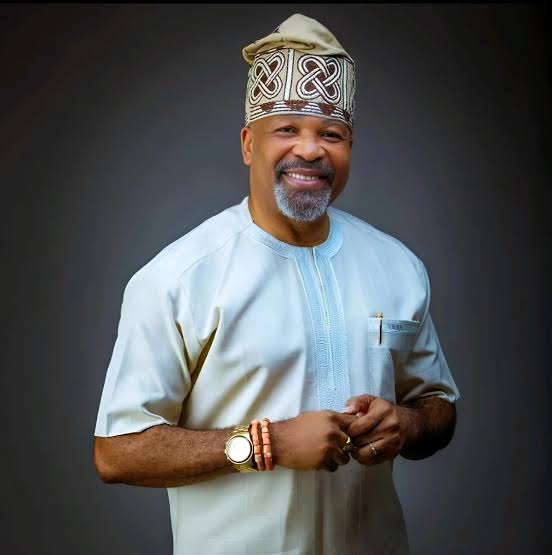
Veteran actor Yemi Solade has set the record straight on the true origins of Nollywood and the man that shot the first home video in Nigeria.
In a behind-the-scenes chat on The Father’s Path with Temitope podcast, Solade dropped a bombshell that has reignited debate around the true beginnings of Nollywood.
Contrary to popular belief that Living in Bondage (1992) marked the birth of Nigeria’s home video era, Solade insists that the first Nigerian home video actually came from the Yoruba film industry, long before Kenneth Nnebue’s Igbo-language classic hit the market. Yemi Solade firmly stated:
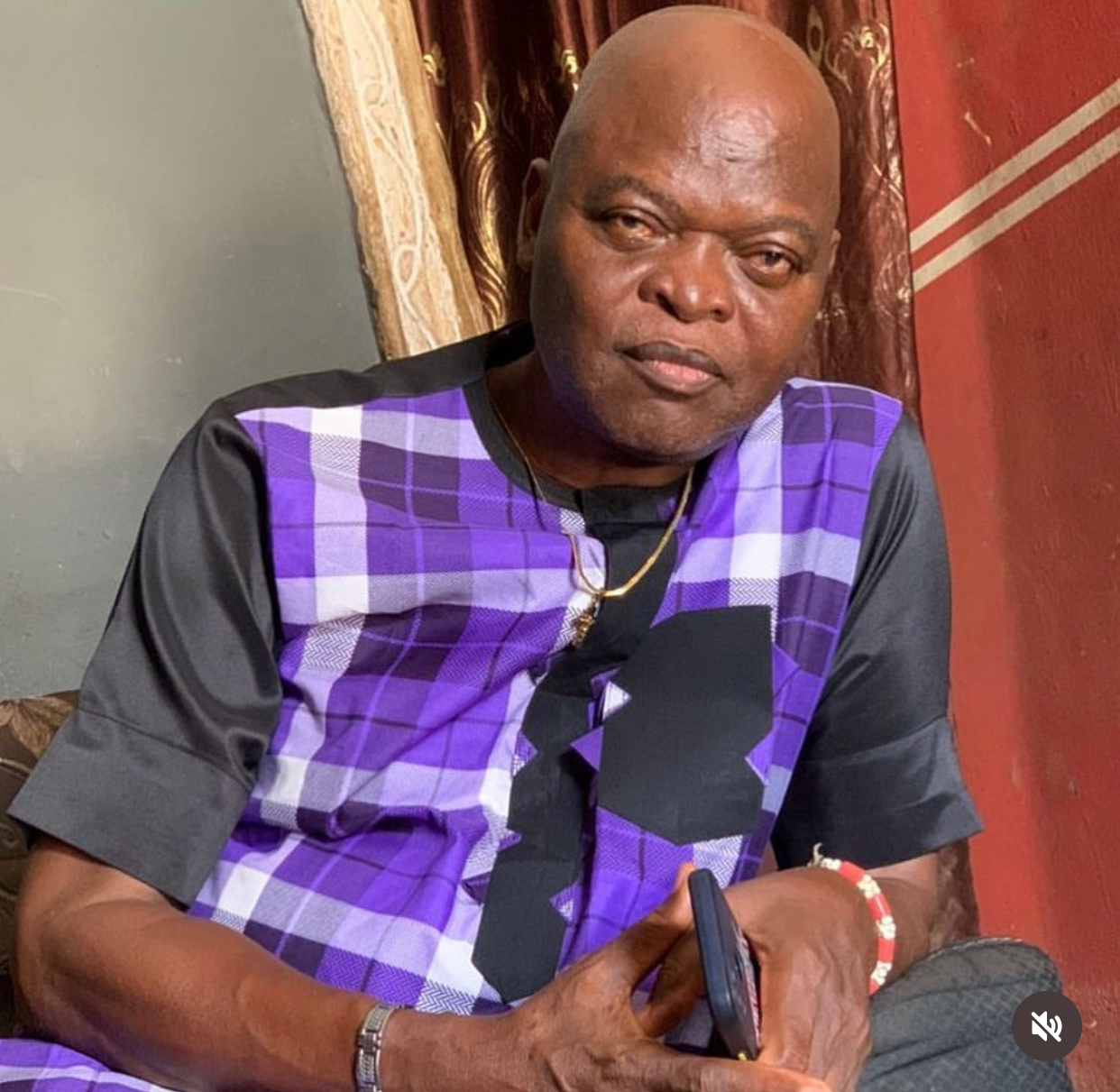
“The first man that shot home video in this country, his name is Ade Ajiboye (Big Abass); he’s alive.”
According to the actor, the Yoruba theatre space had already been experimenting with home video recordings as far back as the late 1980s. Stage plays were being captured on camcorders and sold in bookshops, similar to how gospel sermons were distributed. He stated that the practice was pioneered by the likes of Muhideen Alade Aromire, who recorded classics like Ekun in 1989.
“We have been doing it. There was celluloid, we did that,” he said, pointing to legends like Hubert Ogunde, Baba Sala, Ade Love, and Ola Balogun as some of the foundational names in the Yoruba filmmaking tradition.
Solade blamed this chapter of Nigerian film history not getting its flowers, on poor documentation.
“My people in the Yoruba setting didn’t document anything. That’s why some people in the film industry will come out to boast, saying they started,” he added, clearly referring to the mainstream narrative that places the origin of Nollywood in 1992.
He also highlighted how Yoruba practitioners were largely absent from the media conversation, allowing others, especially those with better access to press and English-language platforms, to shape the historical narrative. He said:
“Agreed, most of them weren’t schooled and they didn’t have access to media. But they were doing the act while others were romancing the media.”
Yemi Solade further mentioned that respected industry elders like Adebayo Salami (Oga Bello), Iya Rainbow and Jide Kosoko are living witnesses who can back up these claims, noting that many Yoruba actors have been active for over 60 years.
On his own journey, the actor revealed that he began acting before Pete Edochie, even though the latter is older.
“I was 17 in 1977 when I represented Nigeria at Festac ’77 as the youngest actor. I’ve done 48 years and I’m still standing,” he declared proudly.
While Living in Bondage undeniably ushered in the commercial explosion of Nollywood and helped coin the term, film historians have long noted that Yoruba home videos like Soso Meji (1988) by Ade Ajiboye and Ekun (1989) by Aromire predated it. These productions were simply overshadowed due to lack of publicity, structure, and archival support. Watch Solade speak below:


Discussion about this post