


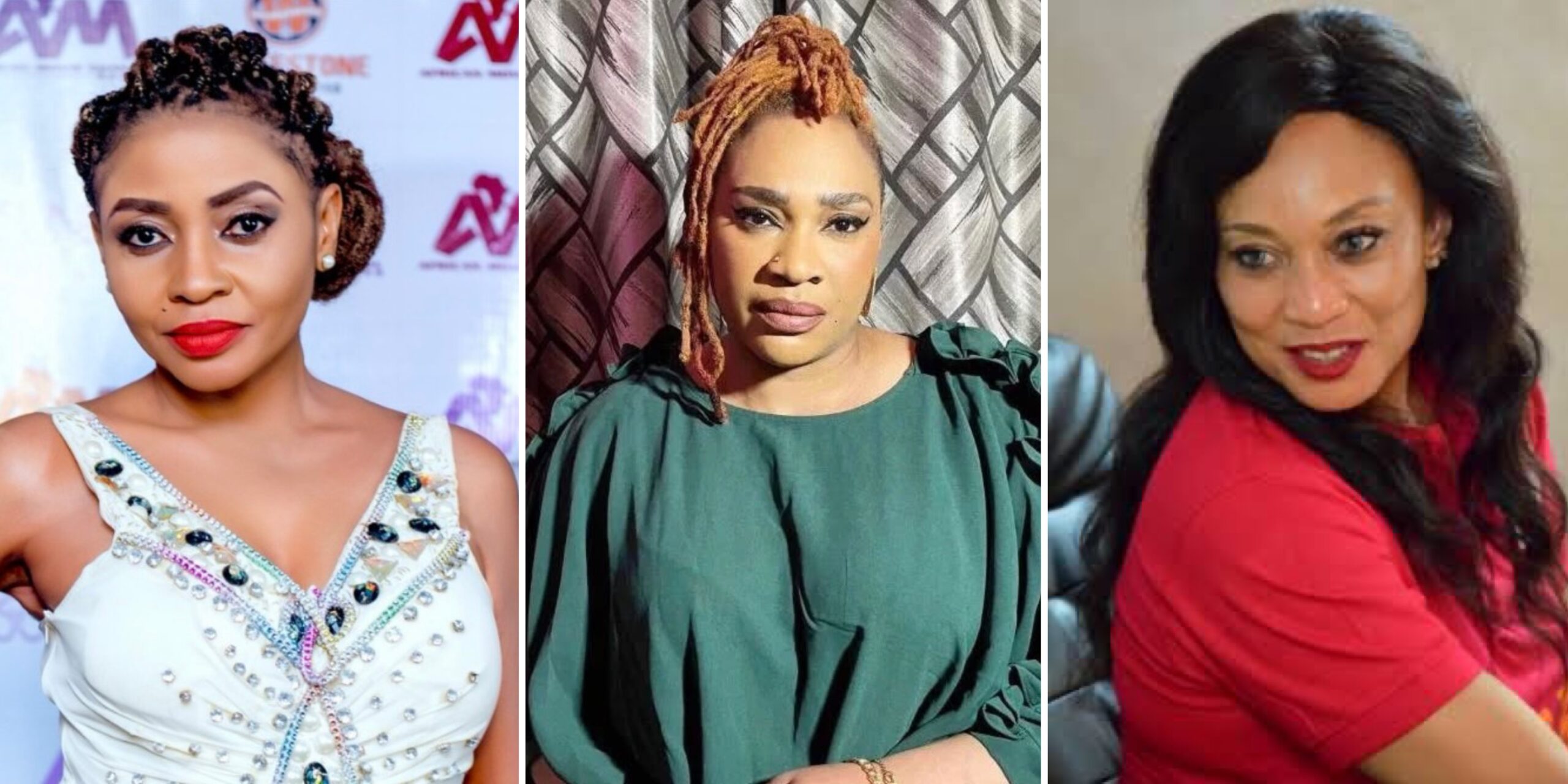
There was a time when the faces of Nigerian cinema were familiar in every home. Before streaming platforms and red-carpet premieres, these women brought stories to life in dimly lit studios and village squares. They built Nollywood with sweat, spirit and faith in the art of storytelling. Today, many of them live quietly, away from the lights they once commanded. Their absence is not failure. It is a story of survival, faith, and self-preservation.
This is a look back at the women who shaped Nollywood’s earliest years, each in her own way, and then quietly stepped aside.
Iya Osogbo – Grace Oyin Adejobi (1950s–1980s)
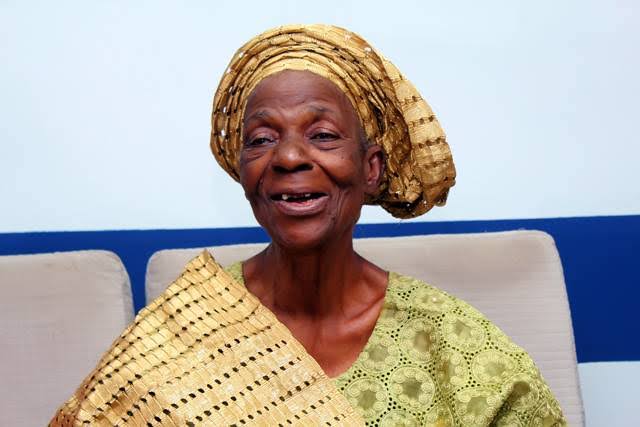
Before the word Nollywood existed, Grace Oyin Adejobi, better known as Iya Osogbo, was already an icon. She began her acting journey in the 1950s, performing alongside her husband Pa Oyin Adejobi, founder of the famous Oyin Adejobi Theatre Group. Together, they created Yoruba classics like Eran Iya Osogbo (1970s), Orogun Adedigba and Kootu Ashipa.
She represented the golden generation that carried Nigerian storytelling from stage to screen, long before digital cameras or streaming. For decades, her face was part of family evenings spent watching NTA Ibadan and NTA Channel 7.
Now in her mid 90s, Iya Osogbo lives quietly in Osogbo, retired and at peace, surrounded by the gratitude of generations who grew up watching her craft.
Mama Ereko – Morounkeji Onibudo (1970s–2000s)
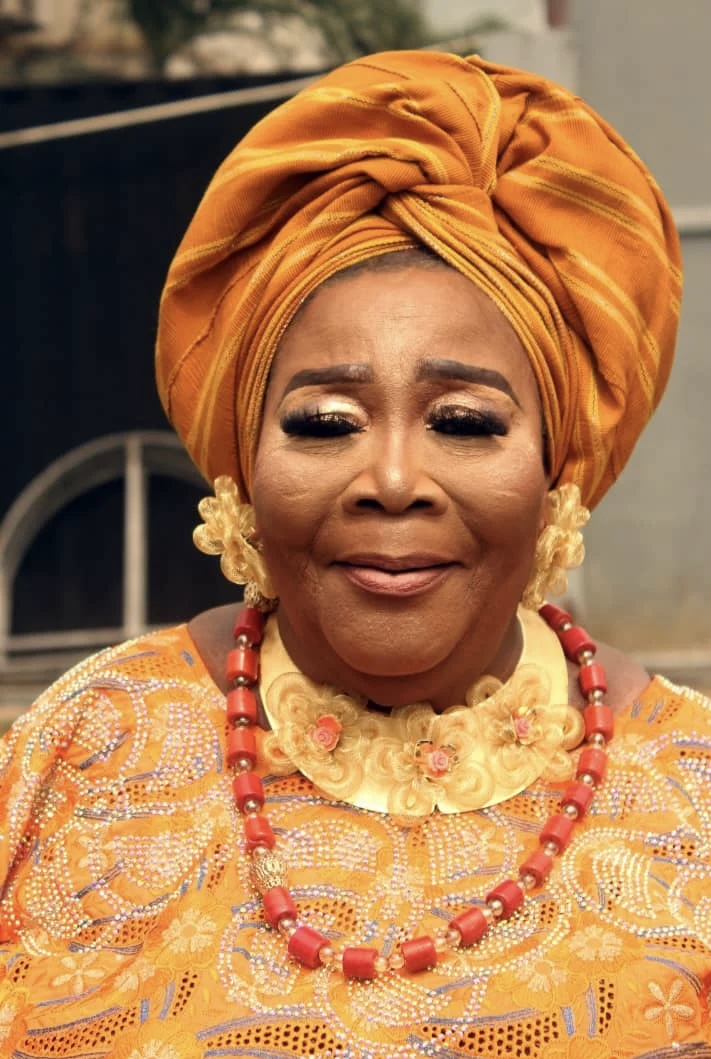
Morounkeji Onibudo, fondly called Mama Ereko, started out in theatre before the film industry took shape. Her comedic timing and expressive acting made her a staple of Yoruba television and home videos throughout the 1980s to 2000s.
She appeared in numerous popular films including Ogo Olorun, Igbeyin Ojo, and Jenifa. Though she occasionally surfaces in newer productions, she now enjoys a quieter life and selective public appearances.
Mama Ereko remains one of the few surviving veterans from Yoruba cinema’s golden years, a living bridge between traditional theatre and modern film.
Uche Mac-Auley (Early 1990s–2000s)
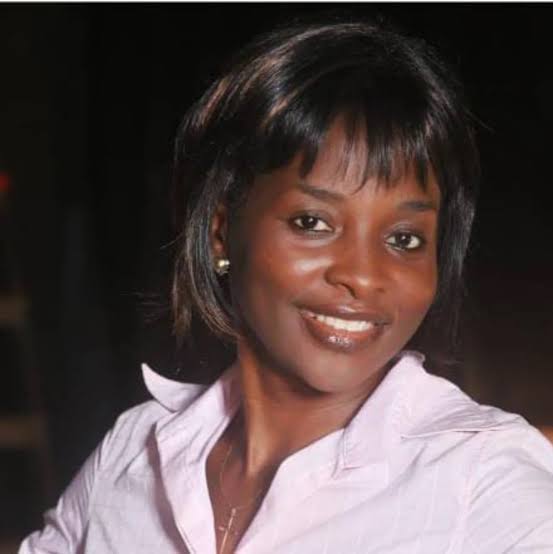
Long before social media turned actors into overnight sensations, there was Uche Mac-Auley who was known in the 1990s as Uche Osotule. She was part of the golden circle that gave Nigerian television its first taste of glamour and quiet power. Her rise began with Amaka Igwe’s legendary TV series Checkmate, where she played Nkemji, a role that showcased her gentle strength and calm intelligence.
That single performance made her one of the most recognisable faces on Nigerian screens. She went on to appear in Violated, another Amaka Igwe classic, and later delivered one of her most powerful roles in Tunde Kelani’s Thunderbolt (Magun) in 2001. In it, she played Ngozi, a woman caught between love and cultural paranoia, a performance that remains unforgettable to this day.
As Nollywood expanded into louder, faster-paced storytelling, Uche chose a different rhythm. She quietly stepped away from acting, turning instead to writing and education. Today, she lives a more private life as a children’s author and storyteller, using her words to inspire rather than entertain. Although she still features in movies once in a while.
Uche Mac-Auley’s story is not about fading away. It is about the transformation of a woman who once lit up our screens to now shaping young minds with the same grace that made her unforgettable.
Alex Lopez (Mid-1990s–Early 2000s)

When Domitilla hit Nigerian screens in 1996, one of the faces that defined it was Alex Lopez. The Brazilian-Nigerian actress played the controversial role of a lesbian. She was bold, captivating, and unafraid to take on daring storylines that reflected urban Nigerian womanhood.
Her charisma made her one of Nollywood’s most talked-about actresses in the late 1990s, appearing in titles like Scores to Settle and Karishika Returns. Then, almost overnight, she disappeared.
Fans speculated she relocated abroad, while others said she left the industry for peace of mind. Whatever the reason, Alex’s sudden exit left a visible gap in Nollywood’s portrayal of the modern, confident woman.
Chinelo Ndigwe (Late 1990s–Early 2000s)

In the early 2000s, Chinelo Ndigwe was one of the industry’s most graceful faces. Known for films like End of the River (2000) and Rituals, she brought quiet strength to her roles.
She left the industry at the height of her fame, choosing family and faith over fame. In later interviews, she revealed that motherhood changed her priorities and that she found peace away from the constant demands of acting.
Her choice mirrors the path of many actresses of her generation who decided to build homes rather than chase endless visibility.
Funto Fatoba Thompson (1990s–Early 2000s)

Funto Fatoba Thompson was one of those faces you always remembered even if her name sometimes slipped past you. She was active both on stage and in Yoruba films during the 1990s.
Though much less is documented about her career compared to others, she appeared in several productions that helped bridge the transition from theatre to video film. She quietly left the spotlight in the early 2000s and has since lived a private life.
Her story, like many others, reflects how quickly fame could come and go during the chaotic, unstructured rise of Nollywood.
Benita Nzeribe (Late 1990s–2010s)

Benita Nzeribe was one of Nollywood’s golden girls of the late 1990s and early 2000s. From Fire on the Mountain to The Soul of Wickedness and Cross and Tinapa, she embodied glamour and confidence.
Her acting career started in 1998, and within a few years, she became a familiar face in nearly every major production.
By the mid-2010s, Benita stepped away from acting. She focused on business and later hinted at a desire to live quietly away from the chaos of fame.
Even though she remains absent from the screen, Benita’s work continues to symbolize Nollywood’s era of glitz, ambition, and VHS stardom.
Susan Patrick (Late 1990s–Early 2000s)
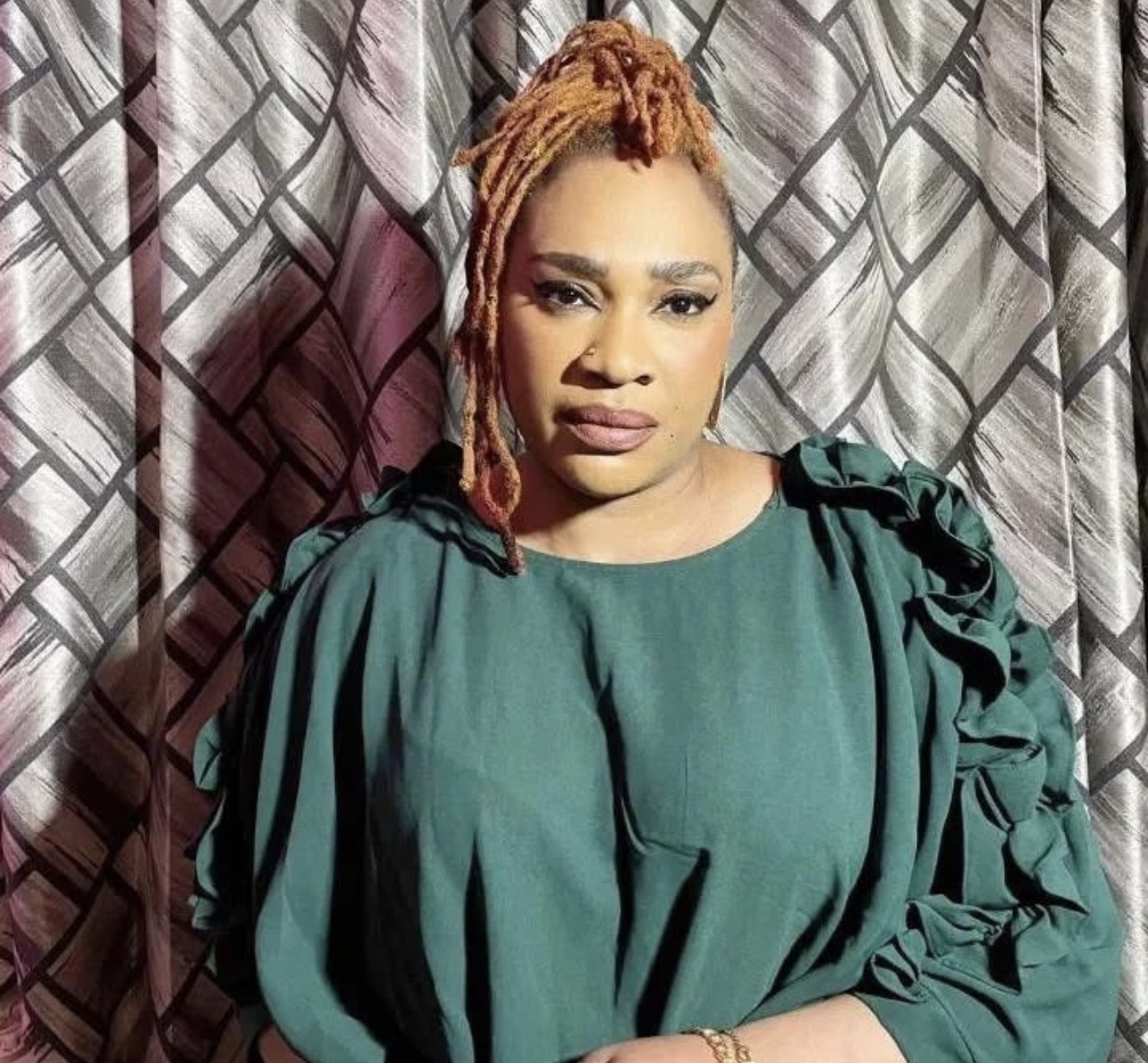
If there was one actress who could hold a viewer’s attention with just her presence, it was Susan Patrick. She became a continental name after Sakobi the Snake Girl (1998), a film that defined the supernatural thriller genre in early Nollywood.
Her disappearance shocked fans. After her husband’s passing in the early 2000s, she took a step back and has rarely been seen in films since. Despite years away from the screen, her name still evokes nostalgia for the days when Nollywood’s stories were both simple and magical.
Nkiru Sylvanus (2000s–2010s)
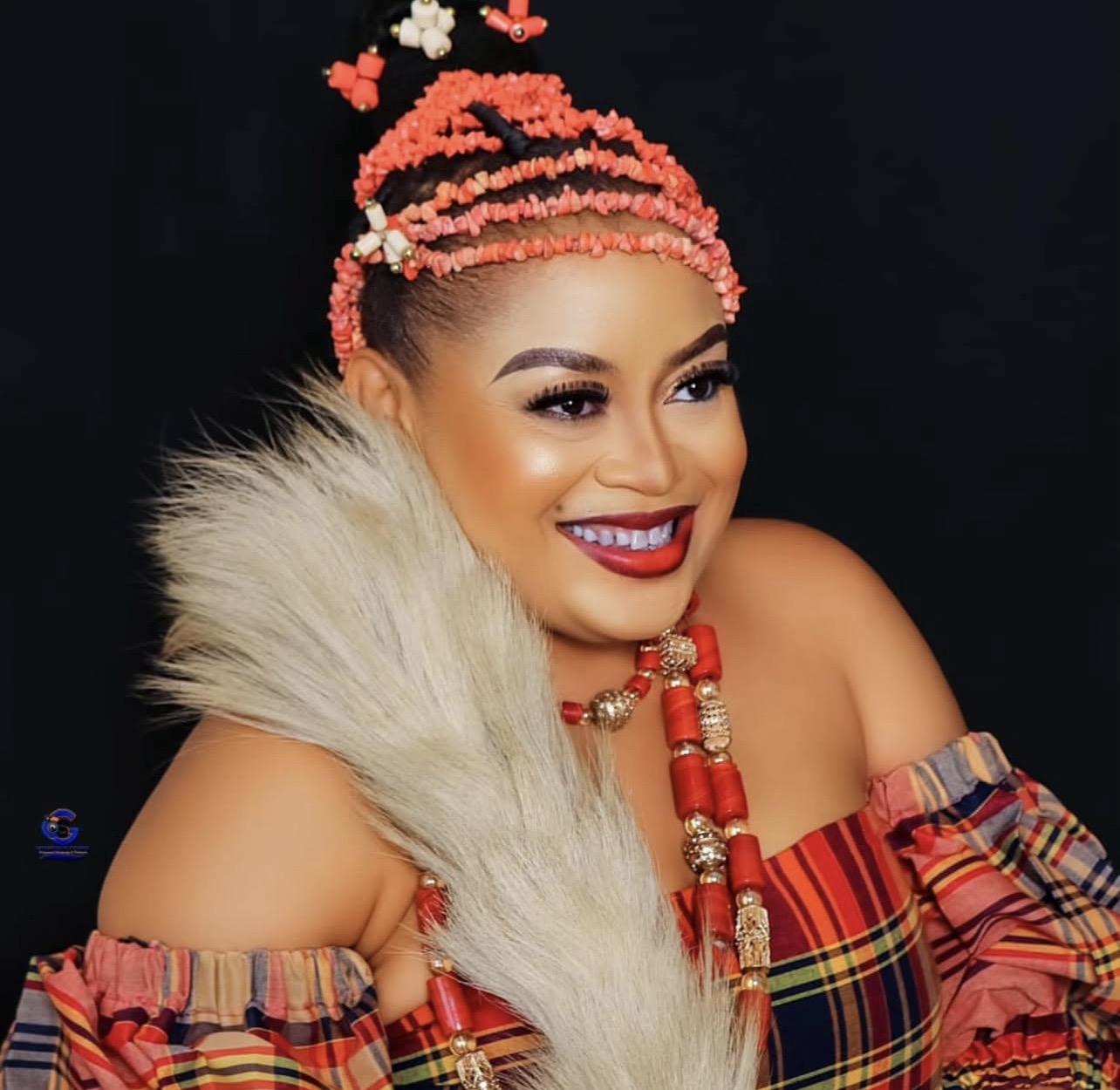
Nkiru Sylvanus was affectionately known as Nollywood’s “Cry Queen.” Her teary performances in A Cry for Help (2002), Divine Intervention, and Green Snake made her one of the most recognizable faces of her generation.
In the 2010s, she pivoted to politics and governance, serving as Special Assistant on Public Affairs to the Governor of Imo State.
She later took a break from acting, focusing on humanitarian work and faith-based projects. In recent years, she has made selective returns to film while maintaining her private life.
Nkiru’s journey from actress to public servant shows how fame can evolve into service and purpose.
Chidi Ihezie Okafor (Early 1990s–2010s)

Chidi Ihezie Okafor brought warmth and emotional honesty to every film she touched. Known for her roles in Billionaire’s Club, My In-law, The Price, My Mother’s Heart, and Tears of Regret, she became the quintessential screen mother in early 2000s Nollywood.
In later years, Chidi stepped back to focus on ministry and family life. She occasionally features in faith-based films but now spends most of her time mentoring and nurturing young talents.
Her presence remains a comforting reminder of when Nigerian cinema was driven by passion, not production budgets.
Conclusion
Nollywood’s story cannot be told without these women. They carried the industry through its most uncertain years and gave it life when there were no formal structures or support. They worked through exhaustion and poor pay because they believed in storytelling.
Some left for peace. Some for faith. Some simply because they wanted quiet after years of giving. Yet their legacy lives in every new face that now graces the screen.
Their silence is not absence. It is strength. They remind us that fame fades but impact remains. They are not forgotten. They are the roots of everything Nollywood has become.

Discussion about this post