


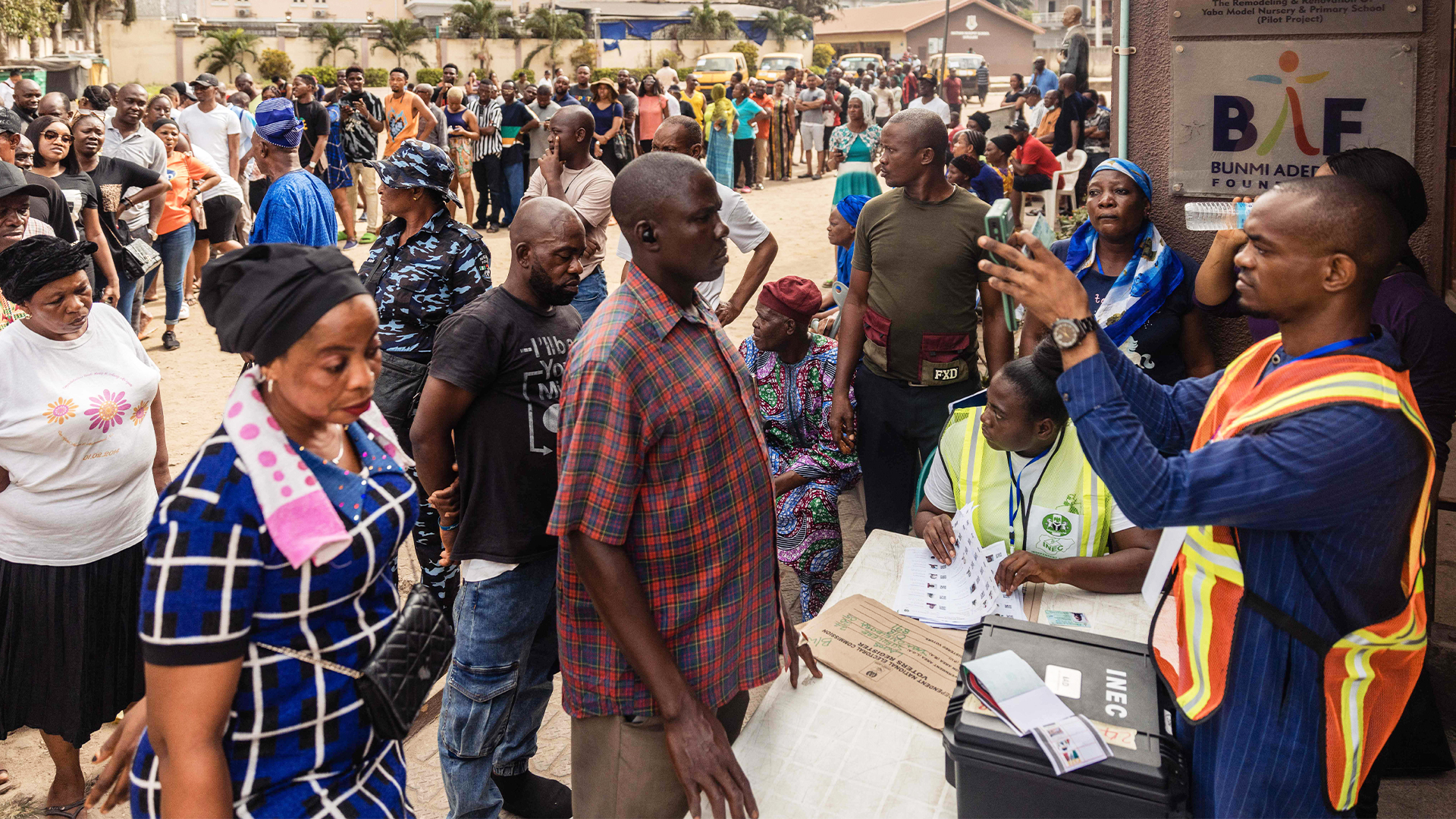

Every election cycle in Nigeria opens a new conversation about money — how it is raised, spent, and monitored.
Campaign finance has become one of the most debated issues in the country’s democratic journey, shaping both the conduct of elections and the credibility of their outcomes.
At the heart of the matter lies the high cost of political participation. Contesting for elective office in Nigeria often requires huge financial resources, from party nomination forms to logistics and mobilisation.
The expenses begin long before official campaigns start, making politics a space only a few can afford to enter.
Records from past elections show that political parties and candidates spend billions of naira on publicity, rallies, and campaign materials. These costs, though partly regulated by law, frequently exceed official limits.
The Independent National Electoral Commission (INEC) sets spending caps for candidates, yet enforcement remains a persistent challenge.
The cost of contesting begins at the party level, where aspirants are expected to purchase forms and contribute to campaign funding.
In some political parties, nomination fees for top offices run into tens of millions of naira.
This practice, though presented as a way to raise funds for operations, has been criticised for limiting participation to wealthy contenders.
Beyond the formal payments, campaign finance in Nigeria involves a complex network of private donors, business interests, and political supporters.
Some donations are often made in cash or kind, with limited disclosure about the sources or amounts involved.
Many transactions occur outside the banking system, making tracking difficult for regulators.
Political parties also rely on corporate donations, though this is legally restricted.
Businesses seeking to protect their interests or secure future advantages often contribute discreetly to candidates or parties.
These undeclared contributions raise questions about transparency and potential conflicts of interest after elections.
Election seasons also attract what some analysts describe as “shadow funding.” This includes money channelled through support groups, NGOs, or individuals acting on behalf of candidates.
While these structures claim independence, they frequently serve as alternative vehicles for campaign spending.
The complexity of Nigeria’s campaign finance system is compounded by weak oversight. INEC requires parties to submit detailed reports of their income and expenditure, but compliance remains low.
Many reports are either incomplete or never submitted, leaving large parts of the process unaccounted for.
The lack of clear penalties for non-compliance has further weakened accountability.
While existing laws provide for sanctions, few political actors face real consequences for violating finance regulations.
As a result, financial disclosure remains more of a formality than an enforced rule.
Another major challenge is the use of public resources during elections. Incumbent officials often have access to state funds, vehicles, and personnel that can be used indirectly for campaign purposes.
Although this practice contravenes electoral guidelines, proving and prosecuting such cases is difficult.
Money also plays a decisive role at the grassroots level.
From voter mobilisation to logistics on election day, large sums are spent on transportation, feeding, and other operational needs.
In some cases, this creates opportunities for vote buying, where financial incentives influence voter behaviour.
International observers and civil society organisations have repeatedly called for reforms to make campaign financing more transparent.
Recommendations often include the introduction of stronger reporting systems, public access to funding data, and stricter penalties for violations.
Digital tools are now being suggested as a way to track political donations and spending. If properly implemented, such systems could help create a transparent record of where campaign funds come from and how they are spent.
The ongoing debate about campaign finance reflects broader questions about governance and equality. When elections depend heavily on money, citizens without financial power are often excluded from political participation.
This trend reinforces a cycle where wealth and influence determine access to leadership.
Reforming campaign finance in Nigeria will require more than laws; it will demand strong political will, public awareness, and institutional independence.
Transparency in how elections are funded is not only about fairness — it is about strengthening democracy itself.
Until campaign spending becomes traceable and accountable, the question of who truly pays for Nigeria’s elections will remain unanswered.
Discussion about this post