


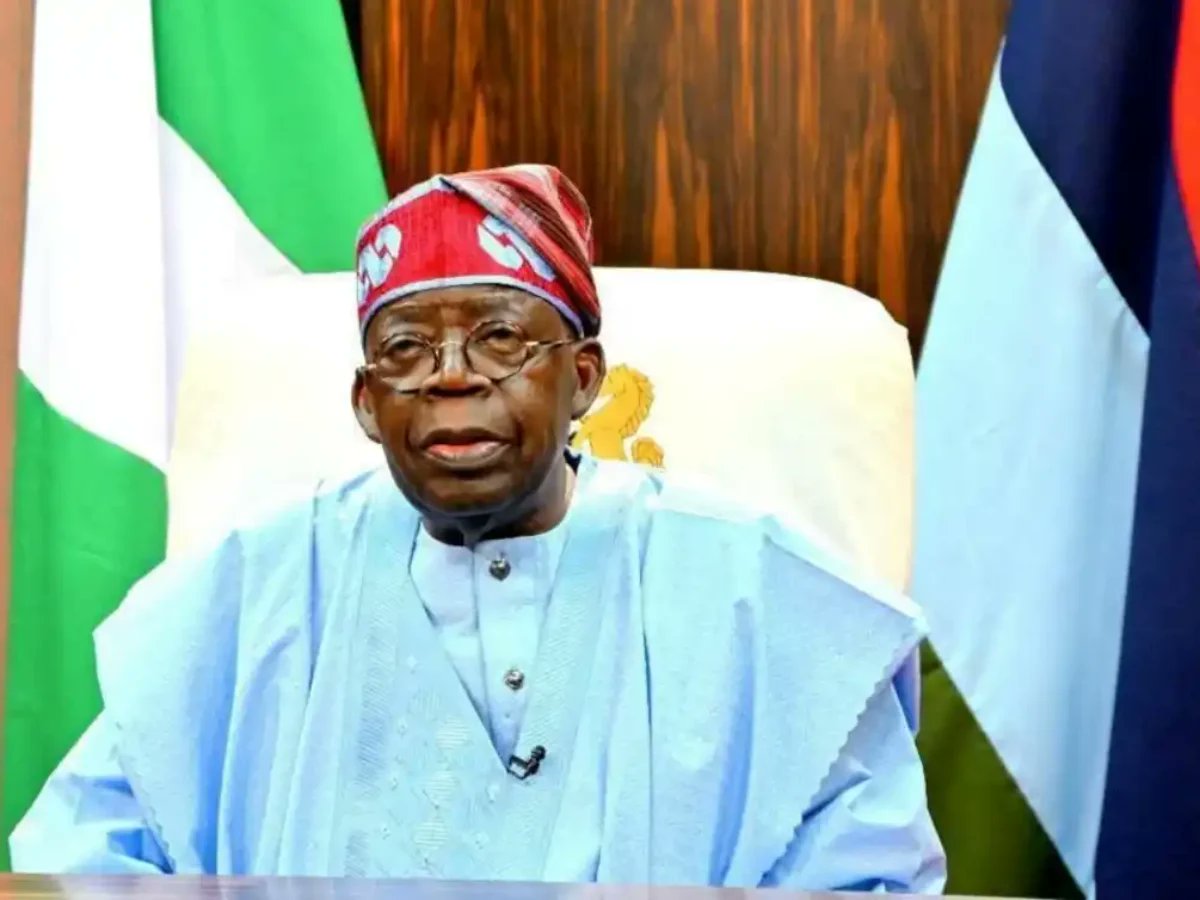

When the president announced a list of pardoned individuals, the news immediately stirred heated discussion across the nation.
Many Nigerians questioned the fairness and purpose of the decision, which some viewed as lenient toward individuals previously accused of misconduct.
The reaction from civil groups, social commentators, and citizens grew louder as calls for review spread through traditional and online media.
Within weeks, mounting pressure led to a reversal of some names on the list — a move that surprised many observers.
The change marked one of the few times that sustained public engagement directly influenced a major executive decision.
It demonstrated that activism, when peaceful and consistent, can play a role in shaping governance outcomes in a democratic society.
The episode also reignited debate over the process by which clemency is granted and whether such powers should face broader oversight.
Legal experts have long argued that presidential pardon, while constitutional, must be applied with discretion and transparency.
The reversal, therefore, was more than a political adjustment; it became a symbolic moment for civic accountability.
For ordinary citizens, it reinforced the idea that their collective voice holds weight, especially when expressed through lawful means.
The event may serve as a reference point for future advocacy efforts that seek to uphold justice and transparency in public decision-making.
In a political climate often marked by silence, the outcome proved that active citizenship can indeed alter the course of policy.
Discussion about this post