

In Nigeria’s entertainment industry, scandals can erupt overnight, threatening careers, endorsements, and fan loyalty. From social media feuds and family disputes to legal battles and tragic events, celebrities are constantly navigating a high-stakes landscape where perception is everything. Recent years provide a roadmap of how stars attempt to manage public scrutiny. Some do so with finesse, others, not so much.
Family matters, Fatherhood & Public Reckoning
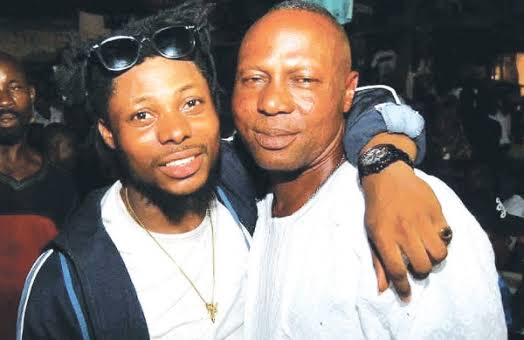
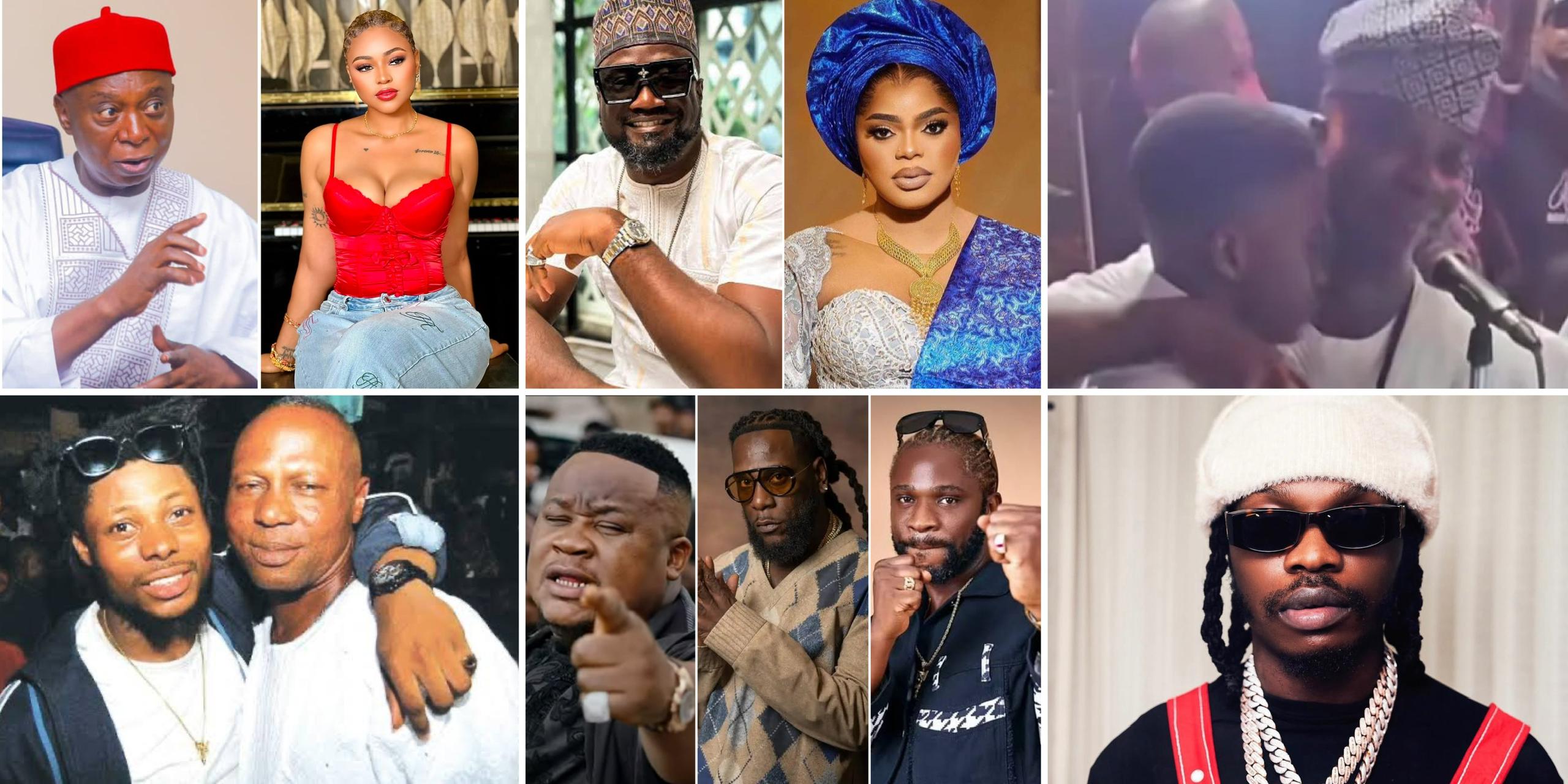
Asake’s 2025 family drama shows how quickly personal controversies can go viral. A video of his father accusing him of neglect sparked widespread outrage. Asake responded by posting a heartfelt freestyle on social media, explaining his side and admitting his responsibilities. He then took concrete action by reconciling with his father, buying him a house, and covering his medical needs. The public explanation plus visible, helpful action successfully repaired his reputation and earned back public sympathy.
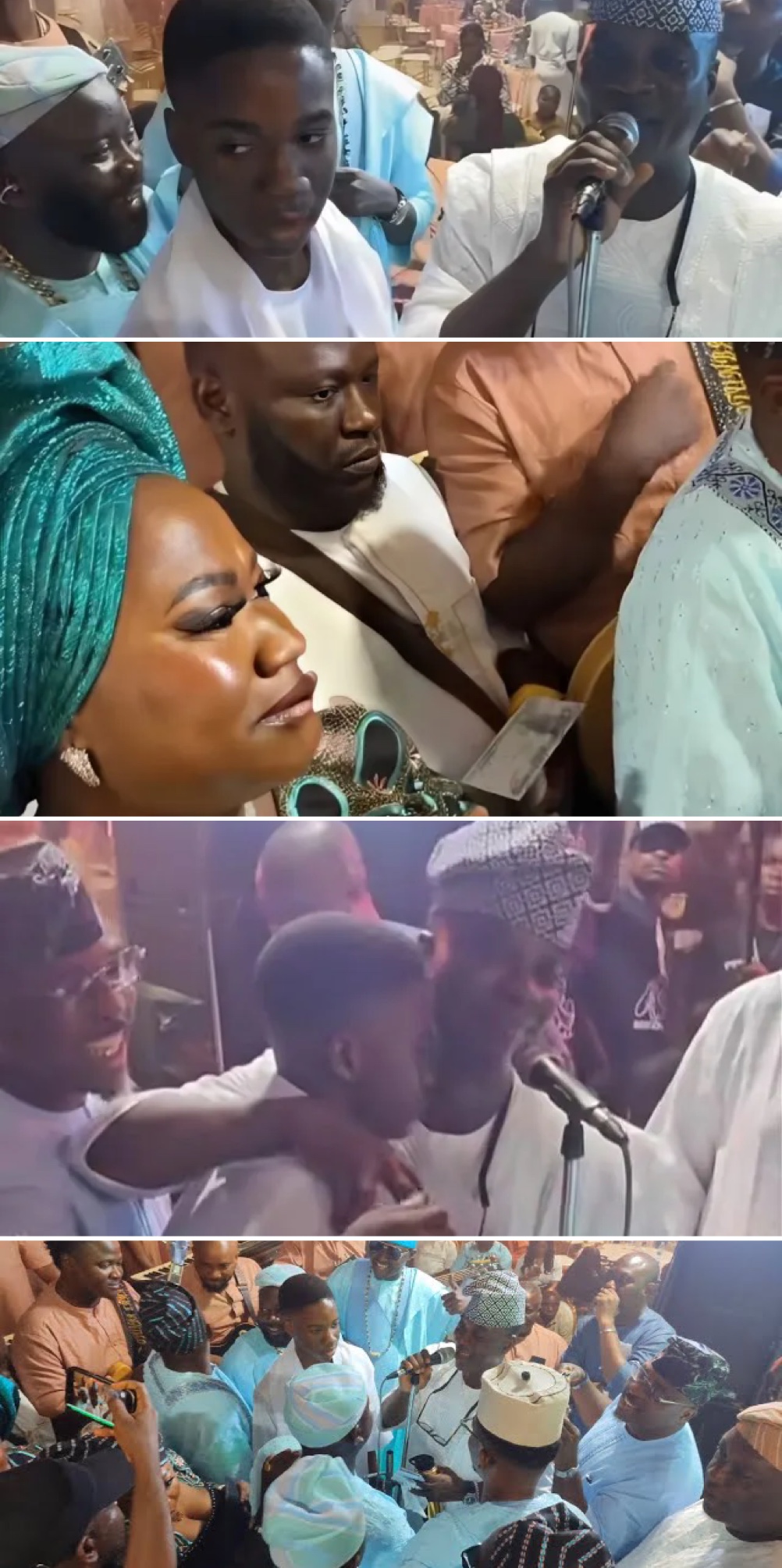
Similarly, in 2024, actress Bisola Badmus accused Fuji legend KWAM 1 of neglecting their son, Malik. She said that although he accepted paternity at first, he stopped helping her as she battled a serious brain illness. For months, the story stayed in the public eye with no resolution.
In November 2025, KWAM 1 addressed the scandal with visible damage-control actions: he publicly reunited with Bisola and their son at a major music event, embracing the boy on stage. This gesture was widely shared and seen as taking responsibility. By combining public acknowledgment, reconciliation, and visible care, KWAM 1 shifted the story from neglect to accountability, showing how action and transparency can restore public trust in personal scandals.
Feuds and Creative Reframing
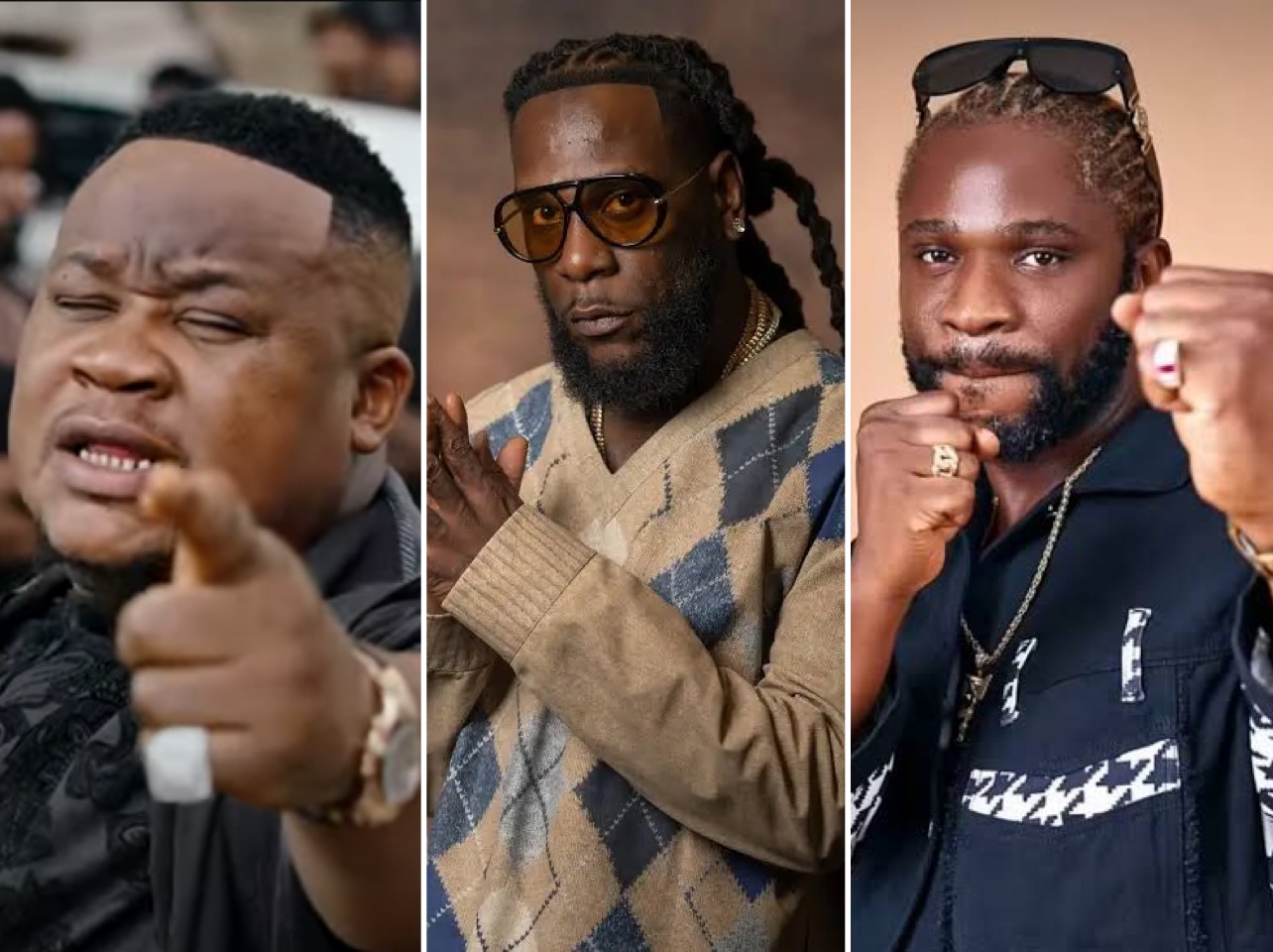
Feuds are another battleground for damage control. Burna Boy’s 2024 clash with Speed Darlington began with social media exchanges and escalated into a diss track, turning controversy into content. In 2025, Burna Boy also engaged in a heated online feud with Cubana Chief Priest. These incidents highlight a strategy where celebrities convert public conflict into engagement, though the risk of lingering reputational damage remains high. Reframing controversy into art or content can be effective, but it is not without potential fallout.
Financial Disputes and Legal Battles
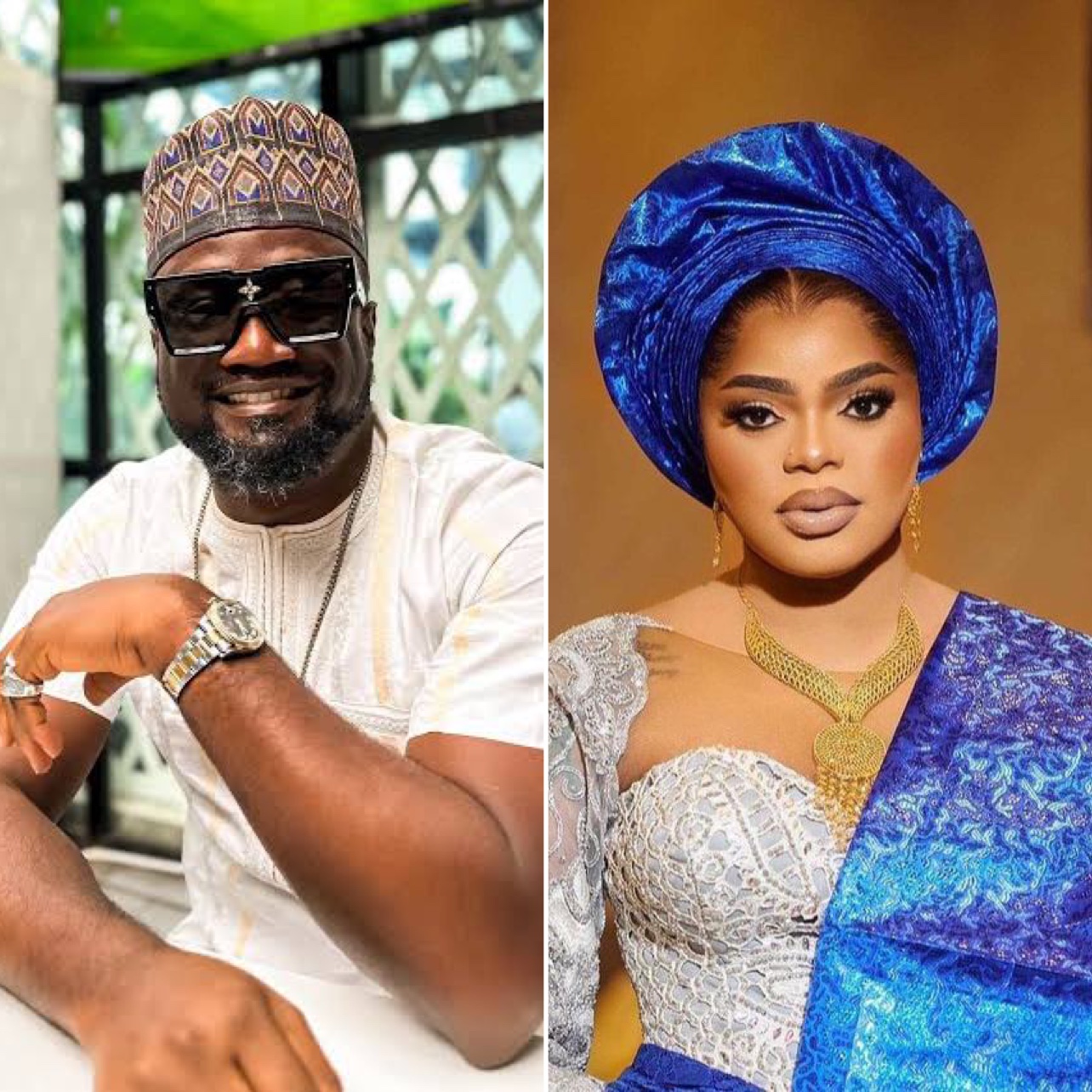
Legal and financial controversies often put public relations to the test because courts and regulators (not PR teams) set the timetable and the rules. In 2025, Jude Okoye’s arraignment by the Economic and Financial Crimes Commission over alleged royalty diversion forced his team to focus on legal defence first. They used issued tightly worded media statements, contesting aspects of the allegations, and limited public comment while the matter proceeded through the courts. The strategy constrained traditional PR options and kept the narrative largely inside courtrooms and official filings.
Likewise, Bobrisky’s 2024 conviction for naira-spraying showed how quickly legal consequences can eclipse reputation management. After the sentence, Bobrisky pleaded guilty, filed an appeal seeking a reduced penalty (requesting a fine in place of jail time), and used legal filings and a small number of public statements to argue mitigation. In both cases the law set boundaries that no amount of media savvy could completely overcome; damage control became a legal-first exercise supplemented by cautious, strategic communications.
Moral Debates and Public Disagreements

Celebrities also face scrutiny over personal morals and societal expectations, and many respond by shaping the narrative rather than avoiding it. In 2025, Timi Dakolo executed a deliberate form of reputation management when he publicly countered Pastor Femi Lazarus’s criticism of gospel singer performance fees. Rather than ignore the backlash, Dakolo released firm, articulate posts defending artistic labour, reframing the conversation from “greed” to “value.” The strategic clarity of his messaging turned potential criticism into a broader industry debate, positioning him as a spokesperson rather than a target.
Similarly, 2Baba’s controversial remarks on monogamy and infidelity triggered moral conversations that could have completely damaged his long-standing public image. His damage-control approach relied on owning the narrative. He doubled down with clarifications, controlled interviews, and subtle humour to defuse tension while shifting focus to societal double standards. Though the strategy kept him at the centre of discussion, it also polarized audiences, illustrating the risk-reward balance of engaging directly in moral debates.
These cases show that when personal values come under fire, celebrities often choose narrative leadership as their primary crisis tactic. They try to frame the issue on their own terms.
Tragedy and Contract Controversies
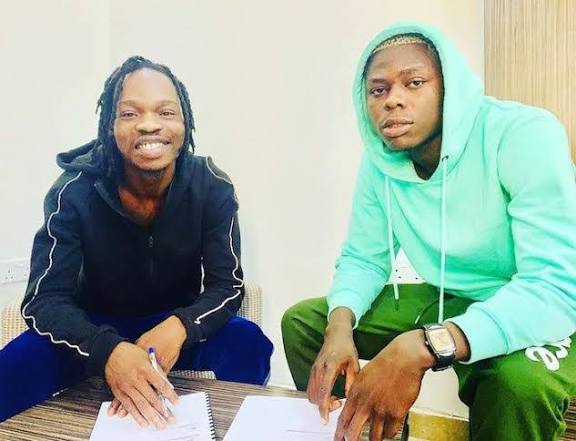
The death of Mohbad in 2023 remains one of the most complicated stories in Nigerian music. Before he died, Mohbad had accused Naira Marley and his former record label of beating him and treating him unfairly. After Mohbad’s passing, Naira Marley denied any role in the tragedy.
He appeared before a coroner’s court, released videos, and shared messages explaining his side of the story to do damage control. Even though he was cleared legally, many people still do not agree on what really happened. The case shows how difficult damage control can be when a tragedy mixes with contract issues, old conflicts, and strong emotions from fans.
When Damage Control Fails: The Regina Daniels & Ned Nwoko Saga
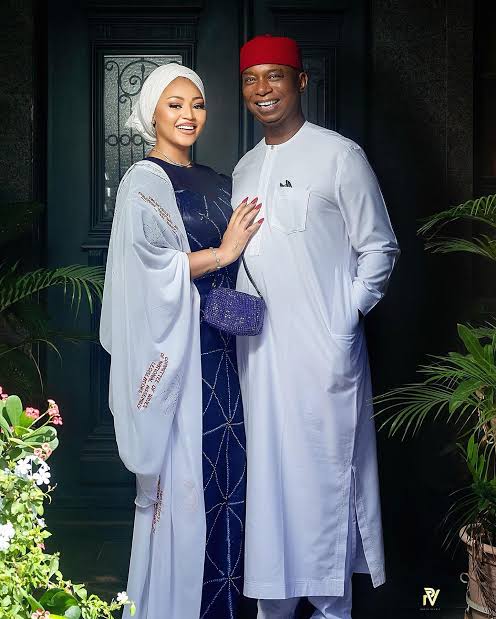
Not all celebrity scandals end with resolution or restored reputation. The ongoing public feud between Regina Daniels and her husband, Ned Nwoko, illustrates how quickly a situation can spiral when both parties respond publicly without coordination.
In 2025, rumours about alleged infidelity, domestic conflict, and substance misuse circulated online, prompting both sides to release statements and counter-claims. Regina deactivated her social media temporarily, later posting selective updates, while Ned Nwoko’s team issued official statements defending his actions and disputing allegations.
The damage control worked for a while, until it didn’t and came to blow up in their faces.
Rather than calming the narrative, fresh moves from both parties have kept the story alive in headlines and social media discussions, showing that even high-profile figures with resources can struggle to regain control once rumours and accusations gain momentum. Their saga underscores a key lesson that without clear, unified messaging, damage control may fail, and public perception can remain fractured for years.
Emerging Patterns in Damage Control
Examining these recent scandals reveals patterns in how Nigerian celebrities handle crises:
1. Public response and restitution: Quick acknowledgment combined with tangible actions, such as Asake’s support for his father, often sways public opinion favorably.
2. Creative reframing: Transforming controversy into art or content can divert attention and maintain engagement.
3. Legal transparency: Navigating courts or regulatory scrutiny, as seen with Bobrisky and Jude Okoye, highlights the limits of PR when legal processes dominate.
4. Official statements and rumour management: Fact-based rebuttals, like Ned Nwoko’s denials, can mitigate misinformation, though public perception may remain mixed.
5. Provocative engagement: Comments that stir debate, such as 2Baba’s remarks on monogamy, allow celebrities to dominate conversations but risk alienating portions of their audience.
Conclusion
The Nigerian entertainment industry demonstrates that damage control is not a one-size-fits-all solution. Success depends on the nature of the scandal, speed of response, and the celebrity’s ability to align authenticity, strategy, and public expectation. Family disputes may be addressed with heartfelt gestures, while financial controversies often demand legal resolution. Social media amplifies every misstep, but also provides a platform for narrative control when used strategically.
Ultimately, managing scandal requires a careful balance between transparency, creativity, and timing. Nigerian celebrities in 2024–2025 have shown that whether through music, media statements, or restitution, effective damage control is as much about strategy as it is about connecting with the audience’s emotions and values. For stars navigating the spotlight, perception remains their most valuable currency and how they handle controversy can define their legacy as much as their art.