
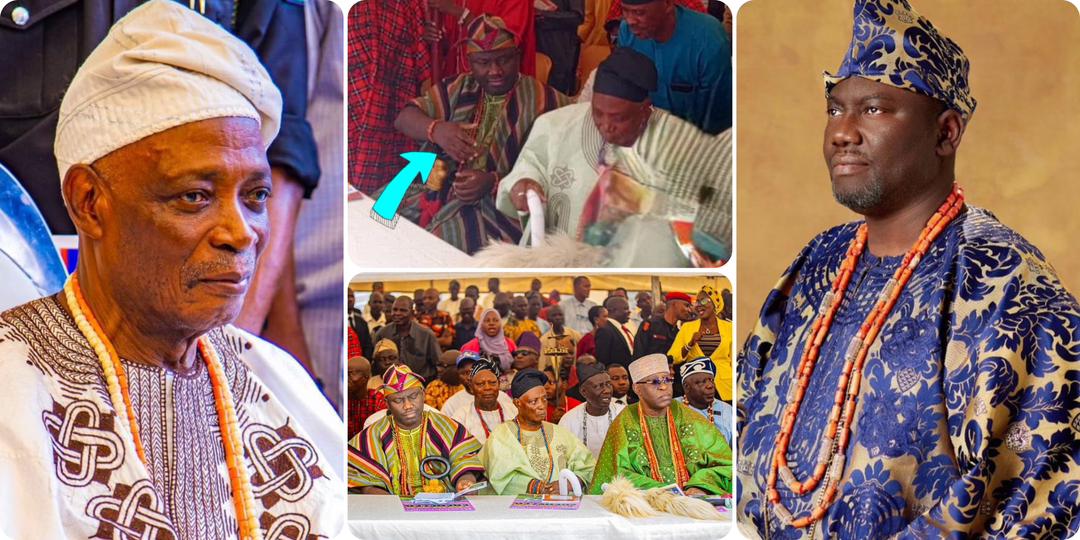
On Monday, January 12, 2026, at the 2026 Inter‑Faith Service organised by the Oyo State Government, two of Yorubaland’s most high‑profile traditional rulers found themselves at the centre of a moment that instantly went viral. The event took place at the Grand Space behind the Oyo State House of Assembly in Ibadan and drew a large gathering of religious leaders, government officials, and traditional chiefs.
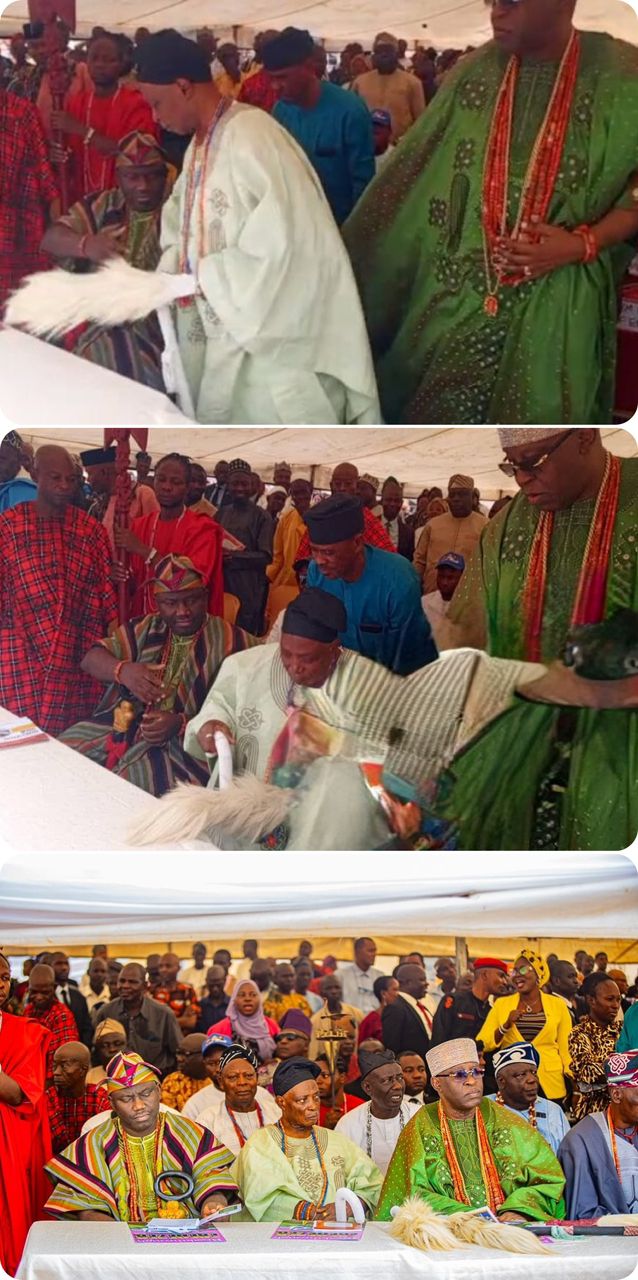
As dignitaries mingled and took their places, the Alaafin of Oyo, HIM Oba Akeem Abimbola Owoade I, was already seated when the Olubadan of Ibadanland, HIM Oba (Senator) Rashidi Adewolu Akanmu Ladoja, Arusa 1, approached the stage area. In a gesture that appeared to be one of courtesy and reconciliation, the Alaafin, though seated, leaned slightly forward in his chair and extended his right hand toward the Olubadan, as if to offer a handshake.
Instead of responding to the greeting, Oba Ladoja continued past the outstretched hand, greeted other leaders including the Soun of Ogbomoso, Oba Afolabi Ghandi Olaoye, and then exchanged pleasantries with Governor Seyi Makinde and other officials before taking his seat. The handshake was not reciprocated and the Alaafin eventually withdrew his hand.
That short moment showing an outstretched hand met with silence, was captured on video and has since been shared widely on social media, with reactions ranging from criticism to defence of both monarchs’ actions. Netizens have been pausing and replaying frame by frame to interpret whether the Olubadan’s choice was intentional or merely awkward timing, turning a simple gesture into a symbol of broader debate about protocol, hierarchy, and respect among Yoruba royalty. See video clip of moment below:
Why This Handshake Matters
At first glance, it might seem like just a handshake that didn’t happen. But in Yoruba culture, greetings are rarely simple. How a ruler stands, sits, or extends a hand can speak volumes about respect, authority, and social hierarchy. Every gesture is loaded with meaning, especially when it happens in public.
For traditional rulers like the Alaafin of Oyo and the Olubadan of Ibadanland, a greeting is more than a social formality, it’s a signal. Standing up to greet someone can show respect, while remaining seated can signal authority or seniority. Ignoring a greeting, even for a moment, can be interpreted as a deliberate statement.
The January 12 incident was not just about two revered kings. It was about centuries of tradition meeting modern scrutiny. Netizens online analyzed that brief pause, the extended hand, and the Olubadan’s choice to continue past it. The handshake quickly became a symbol of the delicate balance between history, territory, and protocol.
In this sense, the debate is not even about rudeness. It’s about the question that keeps echoing across Yoruba kingdoms that when kings meet, how should respect be shown, and who decides the rules?
The Alaafin’s Side of the Argument
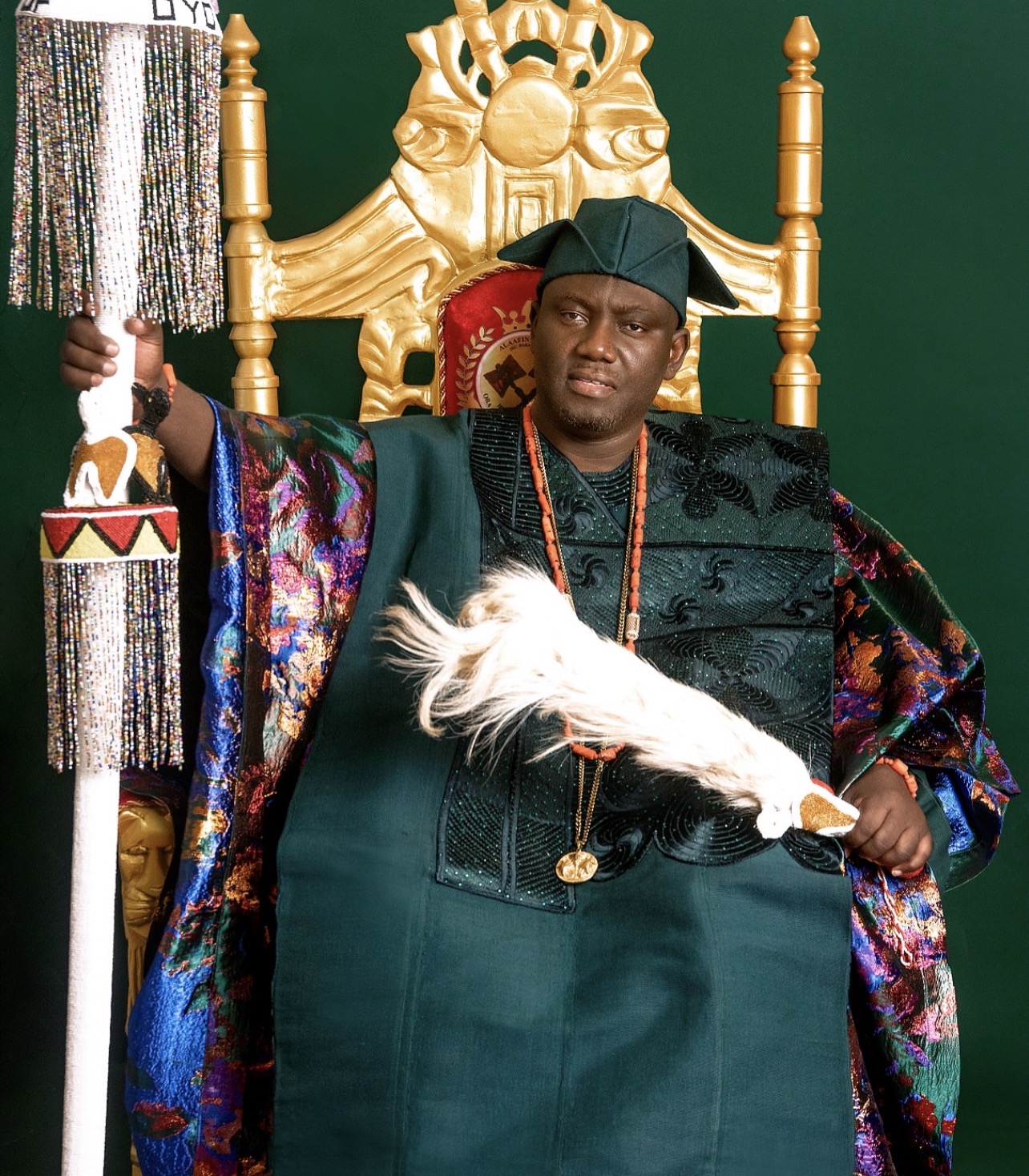
Supporters of the Alaafin of Oyo say his gesture was rooted in history and tradition.
Oba Akeem Abimbola Owoade I, the 46th Alaafin, carries the legacy of a ruler who once governed the mighty Oyo Empire, a kingdom whose influence stretched across much of Yorubaland.
In that era, other kings paid homage to Oyo. The Alaafin did not rise for them, they rose for him.
From this perspective, the Alaafin remaining seated is not arrogance but tradition. To many, his authority is symbolic and spiritual, not dependent on location or modern political boundaries. Whether he is in Oyo or Ibadan, they argue, his status remains the same.
Those who share this view believe that extending a hand while seated was still a greeting, and that no disrespect was intended. To them, the controversy says more about modern sensitivities than royal wrongdoing.
The Olubadan’s Side of the Argument
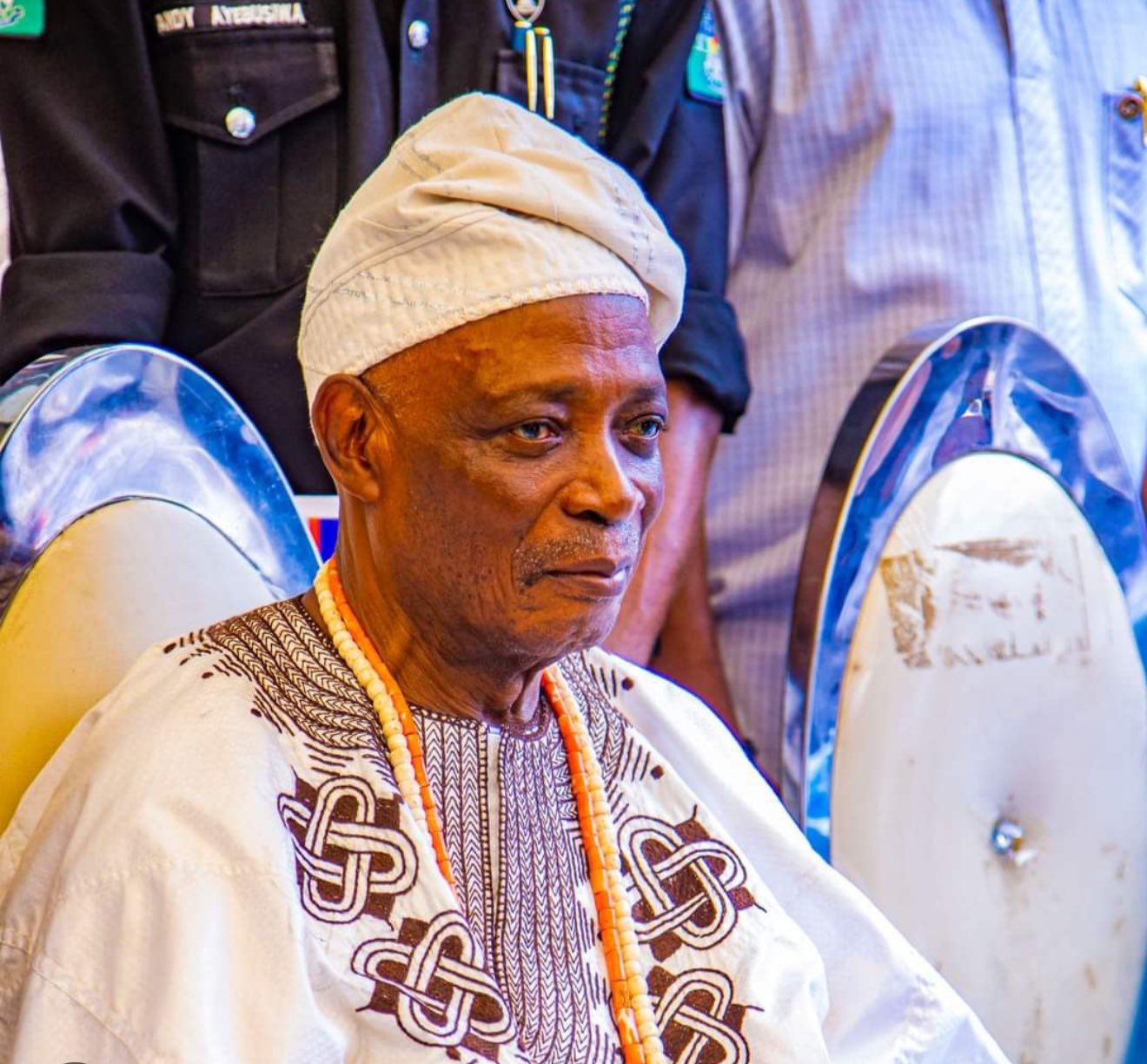
On the other hand, many see the Olubadan of Ibadanland, Oba Rashidi Adewolu Ladoja, as having acted with dignity and in line with Ibadan tradition. Unlike the Alaafin, who represents a historical empire, the Olubadan is not only the paramount ruler of Ibadanland but also the host king when events take place in his territory.
In Yoruba custom, hosting matters. Even kings who are senior in history or title are expected to show courtesy to hosts when entering their territory.
Supporters of the Olubadan argue that rising to greet the Alaafin would have been the polite thing to do, especially in front of a public audience. By continuing past the outstretched hand without reciprocating, they say, the Olubadan was making a subtle statement about his own authority and the respect owed to him as host and elder in Ibadanland.
Age and experience also play a role. Oba Ladoja, a former senator and a respected elder, embodies both political and traditional influence.
From this perspective, the handshake incident is less about the Alaafin’s gesture and more about the Olubadan asserting the norms and expectations of his own kingdom, reminding everyone that even centuries-old authority must acknowledge context and setting.
The Old Debates This Moment Reopened
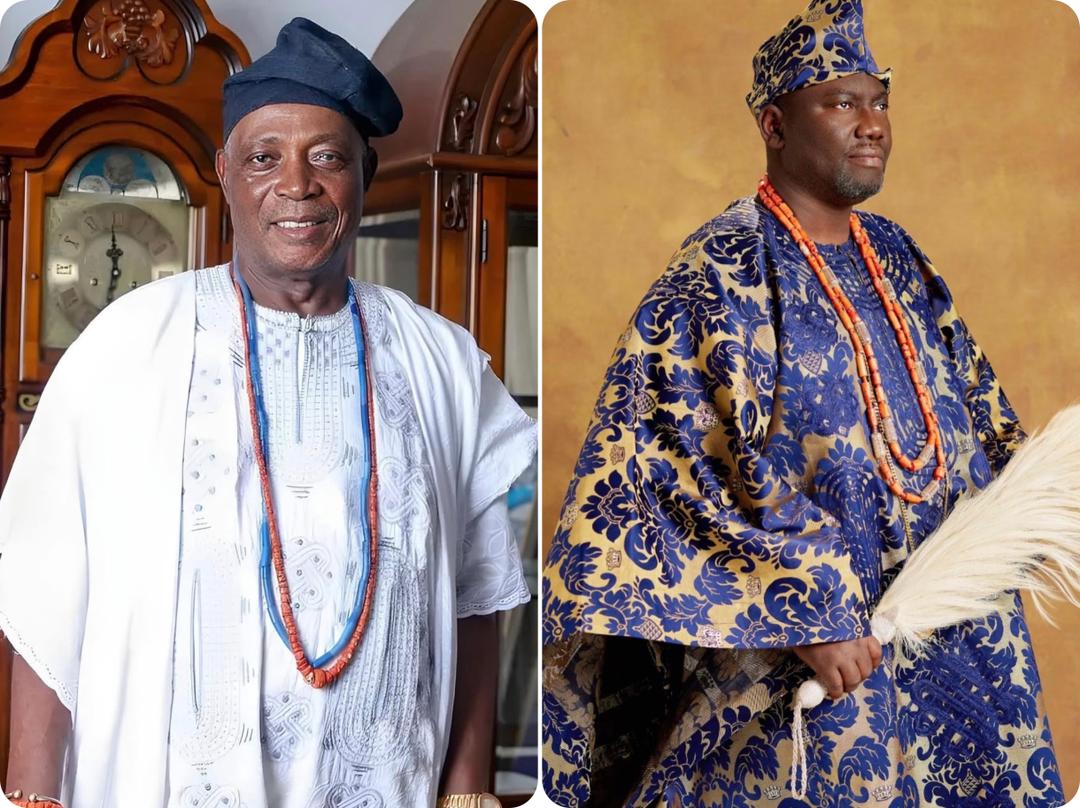
The January handshake did more than catch attention online. It revived conversations about respect, protocol, and authority among Yoruba kings. While there is no confirmed feud between the Alaafin and the Olubadan, public discussions about how rulers interact have existed for years.
In 2025, a proposal to make the Alaafin permanent chairman of the Oyo State Council of Obas stirred debate. Some leaders, including Ibadan stakeholders, opposed it, saying it could upset the balance of respect among kings.
There have also been past viral moments where the Alaafin’s gestures toward other monarchs, like the Ooni of Ife, sparked public discussion about proper protocol.
Tradition Meets the Age of Cameras
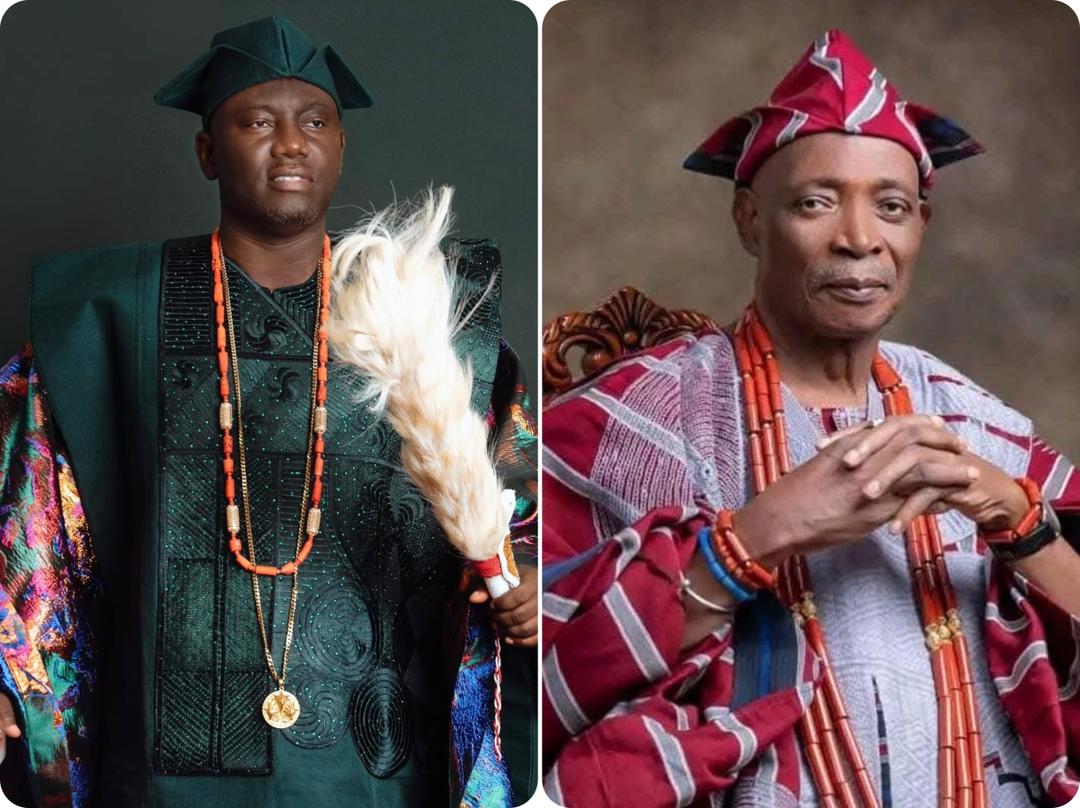
In the past, moments like the Alaafin–Olubadan handshake would have been seen only by those present at the event. A private conversation or gesture could be handled quietly within palace walls, and misunderstandings would rarely reach the public. Today, nothing stays private. Every movement is recorded, paused, zoomed in on, and shared online.
The video of January 12 has been watched millions of times, with viewers replaying each second to analyze posture, gaze, and gesture. Social media has turned a simple ceremonial interaction into a national conversation about respect, hierarchy, and the role of tradition in modern Nigeria. Even subtle body language is now scrutinized, debated, and interpreted in ways that would have been unimaginable decades ago.
This visibility also changes expectations. Traditional rulers who once operated beyond public opinion are now subject to the judgments of a digital audience. Their gestures, intentional or not, are dissected. A handshake that might have once passed unnoticed, can now define public perception of authority, etiquette, and dignity.
It shows that today, tradition and visibility coexist in ways that can amplify even the smallest gestures into debates that captivate a nation.
So, Who Should Rise for Who?
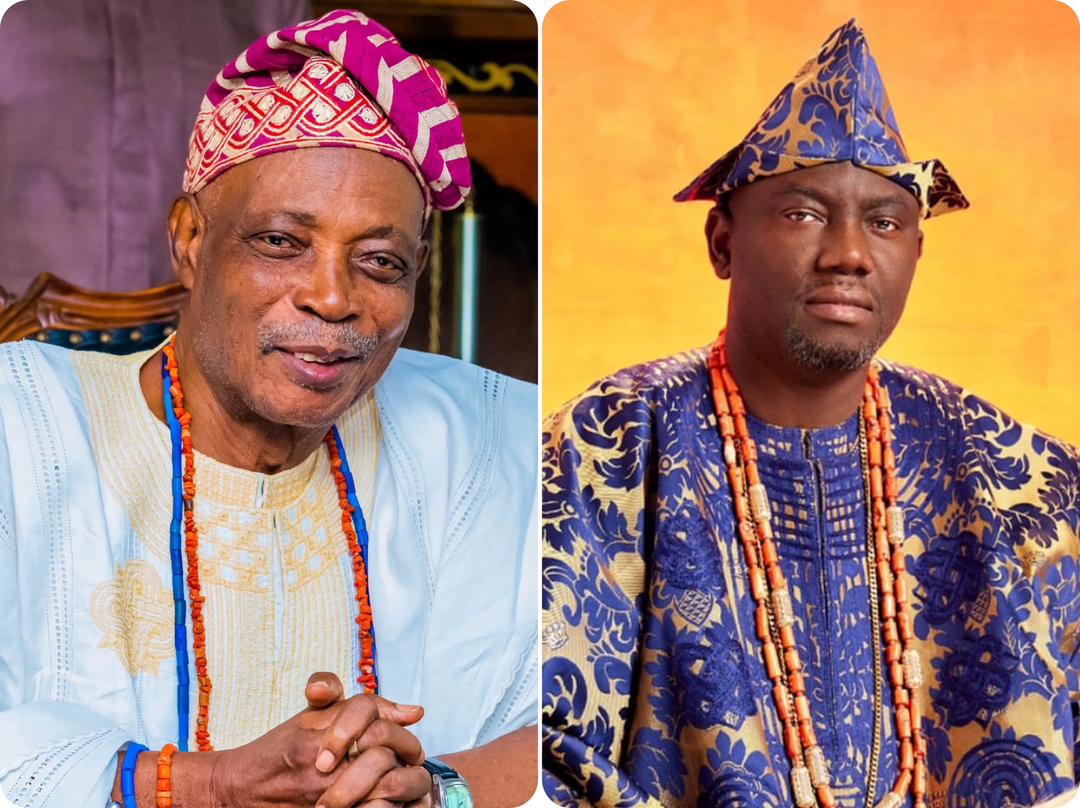
In the end, there was no handshake, no apology, and no official statement to settle the debate. That brief pause on January 12 continues to echo because it touches something larger than two kings. It touches history, culture, and the evolving rules of respect in modern Yoruba society.
The Alaafin’s supporters see his gesture as a continuation of centuries-old tradition, a quiet assertion of authority that does not demand drama. The Olubadan’s supporters see his response as a demonstration of dignity and the proper assertion of hosting rights, a reminder that context matters even for the most powerful figures. Both sides can point to history, protocol, and custom to defend their position.
This incident has become a mirror for broader questions. When kings meet, whose rules should guide the interaction? How should respect be shown, and who decides the proper protocol in a world where every gesture is recorded and shared instantly?
The answer is not simple, and perhaps that is the point. The handshake reminds us that even in tradition, meaning is often found in interpretation, in perception, and in the conversation it sparks.
In a culture where gestures carry centuries of weight, the question remains quietly powerful: when kings meet, who should rise for who?



Discussion about this post