
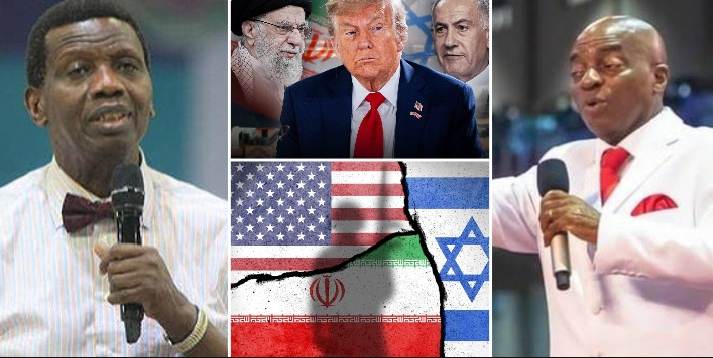
In recent days, social media has been buzzing with old videos of Pastor Enoch Adeboye, General Overseer of the Redeemed Christian Church of God, and Bishop David Oyedepo, founder of Living Faith Church, also known as Winners Chapel, discussing war and global conflict.
These clips are being shared widely with dramatic captions implying imminent prophecies of World War Three or warnings about current tensions between Israel and Iran. However, a closer look at the videos, their dates, and the context in which they were originally recorded reveals a different story. Both pastors were speaking in a spiritual and theological framework, emphasizing prayer, vigilance, and faith rather than issuing news-style predictions.
Understanding what they actually said, when they said it, and why it is being circulated now requires careful analysis of each video, its content, and the social context in which they are being interpreted.
Pastor Enoch Adeboye on World War Three
Old Video Overview
The first clip that has gone viral features Pastor Enoch Adeboye speaking about the possibility of a global conflict, sometimes described online as World War Three. In the clip, which was recorded earlier in the year, Adeboye mentions that he believes God revealed to him that there could be “mighty outbreaks of fire,” suggesting that a global war remains a potential threat. His message, however, is primarily spiritual rather than predictive, urging believers to pray and seek divine intervention to prevent such an occurrence.
Exact Message
In the video, Adeboye is heard saying:
- God told us that there will be mighty outbreaks of fire
- We are to pray so that the third world war will not start
- Let us pray that the third world war never comes to pass
This phrasing shows that his emphasis was not on specifying timelines, dates, or political maneuvers but on encouraging spiritual vigilance and communal prayer. The pastor frames war as a moral and spiritual concern rather than a literal forecast, highlighting the role of faith in preventing large-scale calamities.
Context and Timing
It is important to note that the video is not recent and was recorded earlier in the year, long before current geopolitical tensions between Israel and Iran intensified. The clip resurfaced because social media users connected it to modern conflicts, creating an impression of immediacy that was not intended by the pastor. Adeboye did not provide any detailed analysis of military strategy, political alliances, or potential outcomes. His focus remained theological, highlighting that prayer and spiritual dedication are means to safeguard nations from the escalation of conflict.
Spiritual Emphasis
Adeboye’s message is consistent with decades of preaching on faith and intervention. By framing war as a spiritual concern, he encourages believers to consider prayer and moral responsibility as tools to address global instability. This perspective underscores the importance of interpreting statements within the framework of faith rather than as literal news forecasts. The repeated resurfacing of this video illustrates the challenge of social media in contextualizing older messages, where clips are often shared out of sequence or without original intent.
Bishop David Oyedepo on Israel and Global Conflict
Old Video Overview
The second clip features Bishop David Oyedepo speaking about Israel, war, and international conflict. This video, which likely dates back several years, discusses Israel’s role in warfare and technological development, focusing on historical and biblical context rather than immediate political events. In the clip, Oyedepo highlights Israel’s influence on global military dynamics, stating that Israel is a small but strategically significant country, often able to dominate in conflict situations due to technological, military, and political advantages.
Exact Statements
Among the notable phrases in the clip:
- Israel is a small country but influential in global warfare and innovation
- Israel never loses a battle
Oyedepo also explains how nations historically align themselves in conflicts around Israel, emphasizing strategic, geopolitical, and spiritual dimensions rather than attempting to predict future wars. His statements were analytical in a theological and historical sense, rooted in biblical interpretation, and should not be taken as modern war predictions.
Context and Timing
The video appears to have been recorded during discussions of historic conflicts, including Israel and Palestine tensions, rather than the current Israel-Iran escalation. The resurfacing of the clip is largely due to social media users linking it to contemporary anxieties about war, creating a misleading sense of urgency. Oyedepo’s message, like Adeboye’s, is grounded in spiritual reflection and historical observation, reminding audiences of the recurring patterns of conflict and the importance of wisdom, prayer, and discernment.
Spiritual and Theological Nuance
Oyedepo’s discussion demonstrates the interplay of faith and geopolitics in his teachings. By emphasizing Israel’s enduring influence and military resilience, he encourages believers to understand global events from a spiritual perspective. The clip is intended to foster reflection, not panic, highlighting that nations are subject to divine oversight and that human response, through prayer and strategic moral action, is necessary to navigate conflict.
Why These Clips Are Trending
Resurfacing on Social Media
Both clips have resurfaced amid heightened global tensions, particularly following conflicts involving Israel and Iran in early 2026. Social media algorithms amplify content that triggers emotional responses, often framing older statements as urgent predictions of imminent disaster. This phenomenon explains why these years-old videos are now being widely shared, sometimes with misleading captions about prophetic warnings or World War Three.
Common Misinterpretations
Many viewers interpret these videos as:
- Direct prophecies about modern wars
- Predictions of World War Three
- Warnings that global war is inevitable
These interpretations overlook the original spiritual context of the messages, which focused on prayer, vigilance, and theological reflection rather than literal forecasts. Adeboye and Oyedepo were not providing military intelligence or political analysis but encouraging believers to remain faithful, alert, and spiritually engaged in uncertain times.
Implications for Public Discourse
The viral nature of these clips highlights the importance of context in understanding statements made by religious leaders. Without proper framing, older messages can be misrepresented, fueling anxiety or panic among audiences. Both pastors consistently emphasize that prayer, ethical behavior, and reliance on God are more impactful than speculation about global events, a message that is easily lost when clips are detached from their original setting.
Lessons from Contextual Analysis
Not Recent Statements
Both videos were recorded in earlier years and are being rediscovered online, which explains the mismatch between the original context and the perceived urgency by modern viewers. Recognizing the timeline is crucial in interpreting the statements accurately.
Spiritual, Not Literal, Focus
Neither pastor offered specific dates or detailed predictions of war. Their emphasis was on prayer, peace, and the theological understanding of conflict, guiding their audiences to spiritual readiness rather than political alarm.
Importance of Contextual Sharing
Social media users often strip videos of context, turning reflective, faith-oriented teachings into sensational headlines. Understanding the intention behind these messages requires careful attention to the time, audience, and purpose of the original statement.
Both Adeboye and Oyedepo consistently encourage spiritual awareness, moral responsibility, and global peace, which should be the focus of public interpretation.
Closing Thoughts
The resurfacing of videos featuring Pastor Enoch Adeboye and Bishop David Oyedepo discussing war illustrates both the power of social media and the need for careful interpretation of religious messages. What may appear as alarming predictions often reflect theological reflection, spiritual guidance, and historical observation rather than literal forecasts of global events.
As these clips circulate, the public is reminded of the importance of understanding context, appreciating the spiritual emphasis on prayer and vigilance, and recognizing the difference between commentary and prediction.
The ongoing sharing of these videos demonstrates the lasting relevance of both pastors’ teachings, but also highlights the responsibility of audiences to engage critically, separating spiritual guidance from sensational interpretation.



Discussion about this post