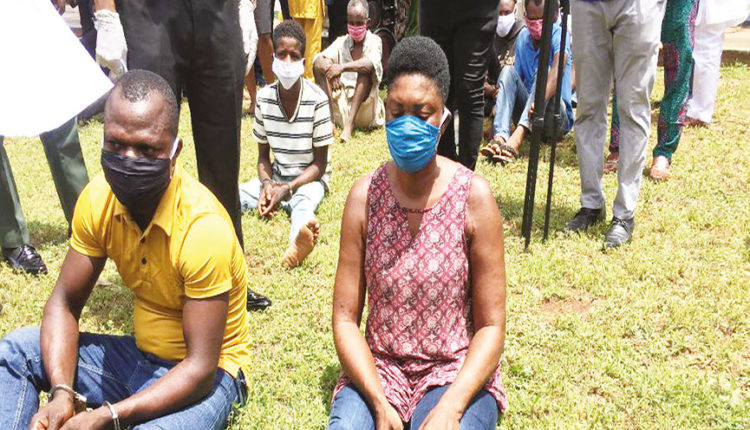
In March of 2026 a series of disturbing videos began circulating online showing scenes from a community event in Ozoro, a town located within the Isoko North Local Government Area of Delta State in southern Nigeria. The footage showed women being harassed and assaulted by groups of men during what some online users described as a sexual assault festival. These posts quickly went viral on social media platforms including X and WhatsApp and sparked outrage across Nigeria and the diaspora. In response to those clips the Delta State Police Command launched an official investigation and made multiple arrests related to the incident.
What followed was a complex public conversation that mixed verified reports with misinformation and created fear, shame, and confusion that spread far beyond Ozoro itself. This article offers a comprehensive, fact‑based account of what is known, what has been confirmed by authorities, what remains unclear, and why the incident has struck such a deep chord in public consciousness.
The goal here is to understand what happened on the ground without exaggeration, to centre the voices of victims where possible, and to explain how this event grew into one of the most discussed issues in Nigeria in recent days. This incident touches on painful themes of gender based violence, community norms, policing practices, and the ways in which social media can both expose and complicate human suffering.
By breaking the story into clear sequences and grounding it in verifiable facts, we can reflect on how such incidents emerge and why they provoke intense emotional responses from people both inside and outside the communities directly affected.
The Initial Viral Videos and Community Response
On Friday March 20 2026, media outlets published reports about an unusual festival in the Ozoro community in Delta State which showed women being assaulted by men in open public spaces. The story referred directly to graphic footage circulating online that captured groups of young males reportedly chasing and assaulting women who were outdoors during a local gathering. Those videos were widely shared on social media platforms including X and WhatsApp where users described scenes of women being harassed, having their clothes torn, and in some cases being restrained by multiple attackers. As the clips spread, many Nigerians reacted with shock and anger, demanding that law enforcement step in and hold perpetrators accountable.
One of the primary reasons the videos generated so much local and international attention was the brutality of what was depicted. The footage was so disturbing that many people expressed disbelief and horror at what they saw. The visuals of women screaming and attempting to flee assailants created a deep sense of collective trauma for viewers who struggled to reconcile such violence with basic standards of human dignity. Social media commentary ranged from grief and anger to disbelief and outrage, with many users condemning what they believed to be the normalization of sexual violence in some communities. This emotional reaction helped propel the incident into mainstream Nigerian news coverage and created widespread pressure on authorities to respond swiftly and transparently.
Amid the outcry there were also numerous online posts claiming that the event was a traditional or cultural festival where women leave themselves open to assault as part of a customary rite. These claims aggravated the public reaction and fuelled narratives on social media that the event was an institutionalised annual celebration of sexual violence. It was this framing that caused many people to refer to the incident as a rape festival — even though that term was not officially used by authorities and its cultural validity remains unverified. In the early hours after the footage spread, some online posts even claimed that the practice had continued for decades — assertions that have not been confirmed by independent evidence or recognised by community leaders.
The rapid spread of these videos and narratives amplified the emotional impact of the incident far beyond Ozoro. Comments, reposts, and reactions multiplied across platforms, drawing attention from people nationwide and in the diaspora who saw the images and shared their own feelings of disgust and disbelief. In many parts of Nigeria the story became a flashpoint not just about what happened in Ozoro, but about the broader issues of gender based violence, community impunity, and the dangers of unverified online narratives.
Official Police Response and Arrests
In the wake of the viral footage and public outrage, the Delta State Police Command publicly responded to the incident. On March 20 2026, the Police Public Relations Officer in Delta State, Superintendent Bright Edafe, confirmed that arrests had been made in connection with the alleged assaults at the festival in Ozoro. According to the police statement, several suspects including a community leader named Chief Omorede Sunday were taken into custody. Those accused were transferred to the State Criminal Investigation Department as ordered by the Delta State Commissioner of Police, Aina Adesola.
Police described the law enforcement action as necessary to investigate and arrest “anyone involved” in the alleged criminal acts. The Commissioner of Police reportedly vowed that further arrests would be made as investigations continued. While the exact number of suspects varied slightly between reports, authorities confirmed that multiple individuals had been detained for their alleged roles in the assault videos. Those arrests were among the first official responses aimed at addressing the incident amid intense public scrutiny.
In addition to announcing arrests, the police force also made clear that the event was not considered a cultural or traditional practice that sanctioned such behavior. Instead, they described what happened as criminal conduct that violated the rights of citizens and would be prosecuted under relevant provisions of Nigerian law. This clarification was crucial to counteract early claims that the alleged assaults were part of a time honoured cultural festival. By emphasising the criminal nature of the allegations and the ongoing investigative process, police sought to frame the episode as a law enforcement matter rather than a cultural phenomenon.
While the arrests indicated that authorities had taken decisive steps, many questions remained about the adequacy of the police response and how charges would ultimately be filed. The announcement of suspects being transferred to the State CID suggested that further investigative work was ongoing, including forensic analysis, gathering of witness testimonies, and efforts to identify additional individuals who may have been responsible for the assaults shown in the videos. The official police reaction was closely watched by Nigerians who were eager to see accountability and justice for victims.
The Nature of the Alleged Assaults
The images and videos that sparked public interest showed groups of young men surrounding and assaulting women who were outdoors during the festival period. In multiple clips circulated online, women could be seen attempting to flee while being pursued by men who appeared to grab at them and tear at their clothing. Some of the footage also included bystanders recording the incidents on mobile phones rather than intervening, highlighting a troubling pattern of communal complicity in the face of violence.
The scenes depicted in the videos were described as alarming and deeply disturbing by police and community leaders alike. In one report the police spokesperson characterised the incidents as “alarming, disgusting and embarrassing,” underlining the gravity with which authorities viewed the alleged conduct. Those public reactions drew attention to the horrific nature of what had been captured visually and amplified the sense of urgency felt by many Nigerians who were following the story.
It is important to note that while some social media commentary suggested widespread gang rapes, official confirmation that sexual assault in the legal sense occurred was not immediately established as of press time. Some reports indicated that women may have been raped, but these accounts remained unverified pending the results of the police investigation. What was clear from the footage was that violent and degrading acts had taken place in public spaces and involved multiple alleged perpetrators. The chaotic atmosphere shown in the videos suggested that such actions occurred in an environment where law enforcement presence was minimal and societal norms were deeply violated.
That such conduct could unfold in a public setting without immediate interruption raises serious questions about community norms and the social dynamics within Ozoro on that day. Whether the assaults were spontaneous outbursts by crowd participants or coordinated acts with specific individuals in leadership roles remains a key focus of the ongoing investigation. Police have the responsibility to gather evidence that clarifies the sequence of events and whether prosecutions should be brought against individuals for sexual assault, mob violence, or other criminal offences under Nigerian law.
Public Outrage and National Reaction
The alleged Ozoro festival assaults touched a raw nerve in Nigeria and across diaspora communities. Many Nigerians reacted with profound shock and horror upon seeing videos of apparent assault and violence against women. For many observers, the incident represented not just isolated misconduct but a symbol of wider societal challenges surrounding gender based violence, community complicity, and the safety of women in public spaces.
Hashtags such as “Stop Raping Women” began trending on social media as people demanded swift justice for victims and stronger legal consequences for perpetrators. Many commentators stressed that Nigeria’s existing laws regarding sexual violence are clear and that any community or group found to be operating outside those legal boundaries should be held fully accountable. Others emphasised that the Ozoro episode exposed deeper societal issues about how women are valued and protected.
This national reaction also included criticism of law enforcement for perceived delays in responding to distressing viral content. Some Nigerians asked why such incidents were not intercepted sooner and why police intelligence systems had not detected the unfolding violence earlier. These questions reflected broader frustrations with institutional responses to gender based crimes and anxieties about public safety.
At the same time, many individuals worldwide expressed solidarity with victims and condemnation of the alleged assaults. For some who saw the videos, the imagery resonated as a collective failing of humanity to protect vulnerable individuals. The emotional impact of the incident was intensified by the rawness of the footage — which showed moments of fear, helplessness, and violation that are difficult to witness without profound empathy.
The Question of Tradition Versus Crime
One of the most contentious aspects of the Ozoro incident, was the claim initially amplified on social media, that the assaults were part of an ancient cultural festival where women were expected to stay indoors and where men allegedly had the freedom to assault them if they ventured outside. Some online commentators went so far as to describe the event as a traditional rape festival — suggesting that it had been going on for decades as part of a celebration of a deity or local custom.
These claims sparked widespread condemnation and deep confusion. Many voices on social media argued vehemently against the idea that any culture could legitimise sexual violence, while others asked whether there was historical or anthropological evidence to support such assertions. Some online users even mocked or rejected the notion outright, pointing out that there is no credible documentation of a traditional festival in Ozoro or elsewhere in Nigeria where sexual assault is sanctioned by custom. In fact, many commenters emphasised that equating the assault with cultural tradition is deeply harmful and inaccurate, because cultural norms and legal standards are not the same.
Community leaders and authorities in Delta State distanced themselves from the claim that the festival was a long standing cultural practice. Instead, they insisted that the acts depicted in the videos were criminal in nature and did not represent any legitimate cultural celebration tolerated by the community. This denial of cultural sanctioning was a critical part of the official response, as it helped separate harmful behaviour from perceived tradition and reminded the public that individual or group misconduct should not be conflated with entire ethnic or cultural practices.
Indeed, many commentators and activists pointed out that attributing criminal behaviour to cultural tradition can serve as a dangerous excuse and a cover for impunity. In this case there was no verified evidence that a so‑called traditional festival existed which endorsed sexual violence. What was true was that a disturbing series of attacks occurred during a local festivity period and that these assaults were captured in videos and shared widely on social media, prompting an urgent police response.
Misinfo, Fact Checks, and What Is Still Unverified
One of the complexities of the Ozoro incident was how quickly misinformation spread. Within hours of the videos circulating, many social media posts claimed that the event was an officially sanctioned ancient tradition in Ozoro that had been going on for decades. These assertions lacked verifiable evidence and were strongly denied by community leaders and law enforcement.
As of the latest public reports, there is no independent confirmation that the alleged festival was an approved or traditional practice that legitimised sexual violence. Instead, what authorities emphasised was the criminal nature of the acts captured on camera and the need for victims and witnesses to cooperate with investigations.
Nor have there been verified official statements detailing exactly how many victims were assaulted or exactly what charges would be filed against the arrested suspects. Police investigations often take time and involve due process requirements such as forensic analysis, victim interviews, and legal review. While the initial arrest announcements were a significant first step, Nigeria’s legal system must still navigate careful procedures to ensure that justice is served within the bounds of the law.
Additionally, claims about the event happening every year remain unverified and appear to be based largely on social media speculation rather than documented history. Without credible anthropological or historical evidence, these assertions cannot be accepted as fact.
The Law and The Stakes for Suspects
Under Nigerian law crimes such as rape, gang assault, and other forms of sexual violence carry serious penalties. Rape in Nigeria is punishable by lengthy prison terms, including the possibility of life imprisonment depending on the circumstances and severity of the acts. Additionally, individuals who film, abet, or encourage such crimes can also face prosecution under relevant provisions of Nigerian statute.
In the Ozoro case police have indicated that suspects will be charged once investigations are completed and sufficient evidence is gathered. Given the graphic nature of the videos and the public outcry for accountability, prosecutors may pursue strong charges against individuals found to have participated in or facilitated the violence shown in the footage.
However, legal experts caution that charging suspects and successfully securing convictions are separate processes that require credible evidence and adherence to due process. For victims who may come forward, the legal system must also provide protection, confidentiality, and support during any courtroom proceedings.
Broader Social Issues Highlighted by the Incident
While the Ozoro assaults were horrific in their own right, many Nigerians and social commentators have pointed out that the story lifted broader issues about gender based violence, community norms, youth culture, and policing in crowded events across Nigeria. Sexual violence in public or private settings remains a significant problem in many parts of the world, and Nigeria is no exception. The Ozoro videos aggravated national sensitivities because they appeared to show violence occurring in broad daylight and without immediate intervention.
In some cities and towns across Nigeria, crowded street festivals and celebrations have occasionally been associated with increased reports of harassment and assault. In those environments, weak law enforcement presence and social norms that tolerate predatory behaviour can create dangerous situations for women and girls. While each incident has unique local dynamics, the Ozoro case has reminded Nigerians of the need for stronger protections, public education, and more effective policing to ensure that public gatherings do not become zones of vulnerability.
Additionally, the incident has raised concerns about the power of social media to shape narratives, sometimes before full facts are established. Viral videos can galvanise attention and pressure authorities to act, but they can also fuel speculation and spread misinformation if not accompanied by careful verification. The Ozoro story highlights the tension between rapid online information flows and responsible fact verification, a challenge that many societies face in the digital age.
Concluding Lens
The alleged assaults following a community festival in Ozoro, Delta State on March 19 and 20 2026 represent a deeply disturbing episode that has sparked national conversation in Nigeria and beyond. What is clear from verified news reports is that graphic footage of women being assaulted in public spaces circulated widely on social media, prompting a police investigation and the arrest of several suspects. Authorities have condemned the acts as criminal, emphasising that no community tradition allows sexual violence to be justified or sanctioned.
At the same time, multiple unverified claims about the event being a sanctioned cultural practice or an ancient festival have no confirmed evidence and have been denied by community leaders. The term “rape festival” arose primarily from online speculation and has been used in ways that sometimes blur the line between verified events and unsubstantiated narratives. In response to the incident, many Nigerians have expressed outrage, demanding accountability, justice for victims, and stronger protections against gender based violence.
As police investigations continue and legal processes unfold, the Ozoro incident remains a stark reminder of how quickly social media can amplify painful stories, how important it is to separate fact from speculation, and how urgent the need is for societal commitment to uphold human dignity and safety for all.