The United Kingdom’s Foreign, Commonwealth and Development Office, commonly known as the FCDO, issued a travel advisory for Nigeria that has drawn attention across the country and among the diaspora. The advisory is not a casual recommendation but a carefully considered guidance based on intelligence, historical incidents, and evolving security threats throughout Nigeria.
According to the guidance, as of late 2025 and referenced into 2026, the UK highlighted that approximately thirteen states in Nigeria are facing heightened security risks. These risks encompass terrorism, violent crime, kidnapping, and communal conflicts, and while the exact number of affected states fluctuates depending on updates, the advisory paints a serious picture for travellers and foreign nationals in the country. This situation is particularly significant because it underscores how insecurity has expanded beyond isolated pockets, affecting broad regions of the country and raising urgent questions about safety, law enforcement, and community resilience.
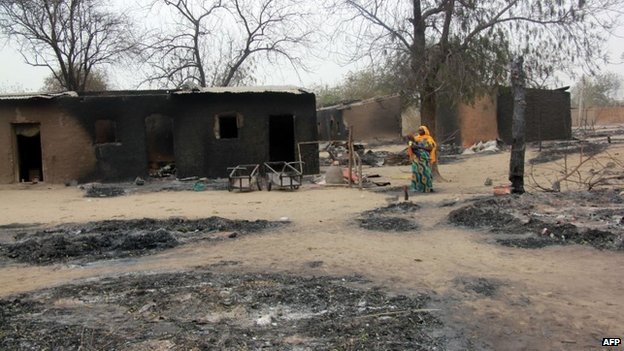
At the core of the advisory is a recognition that certain regions, particularly in the North and North East, face threats from armed groups like Boko Haram and the Islamic State West Africa Province, commonly referred to as ISWAP. These groups have carried out multiple deadly attacks in the last few years, targeting both civilians and security forces, and their presence continues to shape perceptions of risk in affected states.
Beyond insurgency, the advisory identifies widespread armed banditry, kidnappings for ransom, and inter-communal conflicts as additional hazards, highlighting that ordinary citizens, travellers, and professionals can all be vulnerable. The UK advisory, therefore, is not merely theoretical but a reflection of tangible threats that have been observed, documented, and updated based on ongoing intelligence assessments.
States Where the UK Advises Against All Travel
The advisory identifies a number of states in Northern Nigeria as particularly high-risk zones, where travel is considered extremely dangerous. Among these are Borno, Yobe, Adamawa, Gombe, Katsina, and Zamfara states. Borno State, historically and currently, is the epicenter of Boko Haram and ISWAP operations, with repeated attacks on towns, villages, and military installations.
Yobe State similarly faces ongoing insurgent activity and counter-terrorism operations, making civilian life and travel precarious. Adamawa State is affected by similar dynamics, with violent attacks and risk of retaliatory operations against civilians. Gombe State, while not a traditional insurgency hub, is linked to spill-over effects from neighbouring states, amplifying threats from both militants and armed criminals. Katsina and Zamfara states have gained notoriety for large-scale kidnappings, armed banditry, and unpredictable violent clashes between communities and criminal networks.
Residents, foreign nationals, and visitors are advised by the UK to completely avoid travel to these states, given the documented high frequency of fatal incidents, unpredictable attacks, and the general insecurity that renders conventional protective measures less effective.
The FCDO advisory explains that these states have sustained attacks against civilians and security personnel, with patterns of violence that are difficult to predict or mitigate. Local law enforcement is often overwhelmed or under-resourced, and while the Nigerian government continues to deploy military and police resources to combat these threats, the risk for outsiders, including tourists and business travellers, remains extreme. The warning is therefore a serious cautionary measure rather than a generic advisory, reflecting on-the-ground realities that are corroborated by incident reports and intelligence data.
States Where the UK Advises Against All but Essential Travel
Beyond the six states where all travel is discouraged, the UK advisory identifies other regions as seriously insecure, recommending travel only for essential purposes. In the North West, these include Kaduna, Kano, Kebbi, Jigawa, and Sokoto states, where crime, kidnappings, and insurgency-related violence present ongoing dangers. Northern Central states flagged include Bauchi, Niger, Kogi, Plateau, and Taraba, along with certain parts of the Federal Capital Territory, where inter-communal tensions, violent crime, and occasional militant activity pose significant risks to travellers.
The advisory further extends to parts of the South East and South South regions, highlighting riverine and swamp areas of Delta, Bayelsa, Rivers, Akwa Ibom, and Cross River states, where kidnappings, militant actions, and localised communal violence are reported. In addition, Abia, Anambra, and Imo states are noted for caution due to sporadic criminal activity, though they are not designated as “avoid all travel” zones. These distinctions are important because they provide travellers with guidance not only about which areas to avoid entirely but also which zones require heightened vigilance and conditional travel plans. The underlying principle is that even in states not classified as extreme risk, there are locations where insecurity can escalate quickly, and foreigners can be particularly vulnerable due to unfamiliarity with local dynamics.
The Rationale Behind the Advisory
The UK travel advisory is grounded in evidence and incident reporting. The FCDO considers multiple factors in issuing such warnings, including terrorism, insurgency, banditry, kidnappings for ransom, inter-communal violence, and violent crime targeting foreigners. Groups such as Boko Haram and ISWAP remain highly active in several northern states, while armed banditry has surged in both northern and central regions. In southern states, particularly riverine and coastal areas, militant groups continue to execute kidnappings and violent attacks against both local populations and foreigners.
Kidnappings for ransom have become increasingly sophisticated, with perpetrators often using GPS tracking, surveillance of hotels or business premises, and coordinated attacks, making even well-prepared visitors susceptible. Communal violence arising from disputes over land, political power, or resources can escalate suddenly, impacting areas not traditionally considered dangerous. Violent crime, including armed robbery, theft, and carjacking, is reported nationwide, and urban centers like Lagos and Abuja, while not flagged for total avoidance, require vigilance, especially at night and in districts known for higher criminal activity.
The advisory is also informed by historical patterns and predictive assessments. Data from previous years, incidents reported in the first months of 2026, and ongoing intelligence collection allow the FCDO to make evidence-based recommendations. The UK government stresses that even areas that appear relatively safe can become unpredictable due to the fluidity of security conditions, underlying the importance of cautious planning, local guidance, and adherence to official advice.
Practical Recommendations for British Nationals
For travellers from the United Kingdom, the advisory contains specific guidance on how to navigate the risks. In states where travel is not recommended, citizens are urged to avoid all visits entirely, postponing or cancelling plans where feasible. For areas where essential travel is permitted, the guidance emphasizes planning, constant awareness of surroundings, avoiding travel at night, coordinating with local contacts, and following instructions from law enforcement and hotel security teams.
British nationals are also advised to maintain regular communication with the UK High Commission or consulates in Nigeria, register travel plans, and have contingency strategies in case of emergencies. Using secure transport services, avoiding remote or poorly monitored areas, and limiting exposure to public gatherings are further recommendations. The overall emphasis is on vigilance, preparedness, and risk minimization. While travel is not prohibited outright in many areas, the conditions require a level of caution that exceeds routine travel measures.
Broader Implications for Nigeria
These warnings, while primarily for UK citizens, reflect broader concerns about the security situation in Nigeria. They signal to businesses, international organizations, and the diaspora that certain regions are unpredictable and potentially dangerous. Nigerian authorities often respond to such advisories with clarifications, disputing some characterizations, or emphasizing security improvements. However, the advisory serves as an independent indicator of risk based on intelligence and observed incidents, highlighting areas where citizens themselves may face heightened threats.
The advisory also underscores the challenge of balancing economic and social activity with security. States affected by insurgency, banditry, and communal violence experience disruptions to commerce, education, and daily life, and foreign advisories further influence perceptions and movements of people within Nigeria. While urban centers retain activity, caution is advised for both locals and visitors, particularly in northern, central, and riverine regions.
Summary of UK FCDO Advisory as of 2026
In summary, the UK travel advisory for Nigeria in 2026 reflects serious and widespread security concerns across approximately thirteen to twenty-one states depending on interpretation and updates. The advisory distinguishes between states where all travel is discouraged and those where travel is permitted only for essential purposes. High-risk zones include Borno, Yobe, Adamawa, Gombe, Katsina, and Zamfara, while conditional risk areas span Kaduna, Kano, Kebbi, Jigawa, Sokoto, Bauchi, Niger, Kogi, Plateau, Taraba, FCT suburbs, and parts of the South East and South South, particularly riverine areas.
The reasons for the advisory include persistent threats from Boko Haram and ISWAP, armed banditry, kidnappings, violent crime, and inter-communal conflicts that affect multiple regions. British nationals are advised to avoid travel where possible, exercise extreme caution where travel is essential, remain alert, and follow instructions from both UK and Nigerian authorities. The advisory highlights both the dangers faced by travellers and the broader security challenges affecting Nigeria in 2026, illustrating the intersection of intelligence, safety, and human risk management in a complex and dynamic environment.