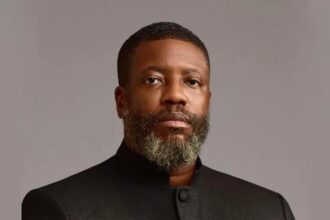
A name has been echoing across social media, news platforms, and religious networks, stirring discussion, admiration, and controversy in equal measure. Whenever news of violence emerges from Nigerian States, Alex Barbir seems to appear almost instantly, documenting destruction, speaking with survivors, and capturing moments that most outsiders would never witness.
His presence sparks questions and debates that travel far beyond the communities directly affected, drawing the eyes of international observers, religious groups, and concerned citizens alike. Who is he, and what drives him to insert himself into situations many would avoid at all costs? How does his work influence the way the world perceives these attacks, and why does it inspire both trust and suspicion in equal measure?
The story behind Alex Barbir is layered, filled with tension, complexity, and moments that challenge easy explanation, and the full picture remains largely hidden from public view.
Early Life and Background
Alex Barbir was born and raised in the United States, living a life that combined academics, sports, and religious exposure. From a young age, he displayed a disciplined and competitive nature, which found expression in American football, where he played as a field-goal kicker. The sport taught him precision, patience, and perseverance, traits that later translated into his meticulous approach to humanitarian work. He eventually chose to leave behind the possibility of a sports career to pursue religious and humanitarian purposes, a decision guided by his deep evangelical faith. Barbir attended Liberty University in Virginia, a conservative Christian institution with a global focus on missionary work, leadership, and service. While in college, he immersed himself in volunteering for domestic and international relief programs, an experience that planted the seeds for his later work in conflict zones abroad.
Barbir’s faith has remained central to his identity. As an evangelical Christian, he subscribes to a worldview that emphasizes personal sacrifice, advocacy for persecuted communities, and proactive engagement in humanitarian crises. His decision to establish a nonprofit organization, Building Zion, was influenced by a combination of these personal convictions and his desire to translate faith into actionable support for those in dire need. The organization later serve as the primary vehicle for his work in Nigeria, enabling him to operate in areas often considered too dangerous for most international aid workers.
Founding Building Zion and Its Mission
Building Zion was created as a humanitarian organization with a focus on restoring communities devastated by violence, particularly Christian populations in Nigeria’s Middle Belt. The organization operates under the principles of direct action, rapid response, and faith-driven advocacy. Its stated mission is threefold: rebuild homes destroyed during attacks, provide humanitarian aid to displaced communities, and raise international awareness of ongoing violence.
Barbir has overseen projects in partnership with other evangelical groups such as Equipping the Persecuted, particularly in Benue and Plateau States. One of Building Zion’s first major initiatives came after the June 2025 Yelwata massacre, where Barbir’s team rebuilt thirty-five homes for families left homeless by the attack. Beyond reconstruction, the organization coordinates relief materials, including food, clothing, and school supplies, while also documenting conditions on the ground through social media and online reporting. The organization’s focus on visibility and immediate storytelling distinguishes it from traditional NGOs, allowing it to draw attention quickly and sometimes ahead of formal media coverage.
Motivation for Relocating to Nigeria
Barbir has consistently cited the underreported violence against Christian communities in Nigeria as the primary reason for his relocation in 2025. He stated in interviews that reports of villages being attacked, homes burned, and families displaced compelled him to witness the situation personally. A lack of consistent international attention to these crises heightened his sense of urgency.
Upon arrival, Barbir visited multiple affected communities in Plateau and Benue States, documenting firsthand the devastation left in the wake of attacks. His presence was not ceremonial; he directly engaged with survivors, attended burials, and recorded the destruction of homes and churches. This immersive approach allowed him to present an unfiltered narrative, making his work both compelling and controversial. Barbir’s willingness to enter conflict zones ahead of journalists or official investigators became a hallmark of his method, and it is one reason why his name quickly trends whenever violence occurs.
Documenting Violence on the Ground
Barbir’s role in Nigeria is a combination of humanitarian aid, field reporting, and missionary engagement. He often arrives at sites of violence within hours or days of attacks, documenting destruction and capturing testimonies from survivors. His videos show burned homes, attacked churches, grieving families, and displaced children, creating highly emotive content that spreads rapidly online.
The platforms he uses, including Instagram, X, and YouTube, amplify his reach. His reporting is raw and immediate, often shared before mainstream media outlets can confirm the events. This strategy has positioned Barbir as a hybrid between a humanitarian worker and a citizen journalist, allowing him to influence both domestic and international discourse around violence in the Middle Belt. While supporters celebrate his dedication and bravery, critics caution that such immediate reporting can sometimes oversimplify complex situations or spread unverified information.
The Yelwata Massacre: Breakthrough Moment
The Yelwata massacre in Benue State on June 13 and 14, 2025, marked a turning point in Barbir’s prominence. During this attack, over one hundred armed assailants stormed the community, burning homes and killing more than one hundred and fifty people, according to court records. Barbir arrived months later, documenting the aftermath and coordinating the reconstruction of thirty-five homes.
His footage showed devastated families, destroyed structures, and emotionally charged rebuilding ceremonies. The international evangelical community took notice, recognizing Barbir as a foreign missionary willing to enter dangerous regions for humanitarian purposes. He framed the massacre as part of a larger trend of Christian persecution, using language such as ethnic cleansing and genocide, which attracted global attention but also sparked debate over the accuracy and framing of his claims.
Controversial Claims: Christian Genocide
Barbir consistently frames the violence in Nigeria as Christian persecution and, in some instances, genocide. He attributes attacks primarily to Fulani armed groups and jihadist ideology, a framing that resonates with some Western evangelical and conservative political circles.
Critics argue that this perspective oversimplifies a multifaceted conflict. Analysts point to land disputes, climate-driven migration, banditry, and inter-ethnic competition as central drivers of violence, affecting both Muslim and Christian communities. Barbir’s emphasis on religious targeting has fueled controversy because it clashes with reports from security agencies and independent observers who describe the Middle Belt violence as complex, communal, and driven by multiple factors. The debate over whether these incidents constitute genocide or targeted religious attacks remains unresolved, placing Barbir at the center of a contentious international discourse.
Viral AI Video Controversy in 2026
In early 2026, Barbir’s profile rose further after an AI-generated video appeared to show former U.S. President Donald Trump visiting homes rebuilt by Building Zion. The video went viral, drawing attention from global media and social platforms. Fact-checkers confirmed that the footage was fabricated and that Trump had never visited Nigeria.
This incident exemplified the challenges of misinformation surrounding Barbir’s work. While it increased visibility for his organization, it also prompted skepticism and criticism from those concerned about the accuracy of his reporting and the potential for manipulation of public perception. Despite this controversy, Barbir continued his on-the-ground work, demonstrating his commitment to documenting and assisting affected communities.
Criticism of Nigerian Authorities
Barbir has been openly critical of Nigerian government officials and institutions. After the Yelwata massacre, he alleged that his team had proposed rebuilding the local market for sixty million naira, only to be blocked by officials who later demanded three hundred million naira for the same project. These statements drew ire from local authorities but reinforced his image among critics of government corruption and inefficiency.
He has also criticized President Bola Tinubu directly, accusing the federal government of failing to protect vulnerable Christian communities in Plateau and Benue States. Barbir has demanded accountability and action, framing inaction as both a moral and political failure. These criticisms have heightened his visibility and influence internationally but have also attracted allegations of overstepping diplomatic boundaries and inflaming domestic tensions.
Relationship with Local Churches
Barbir maintains close working relationships with pastors, Christian advocacy groups, and church networks in Plateau and Benue States. These partnerships provide access to affected communities, logistical support, and guidance in coordinating relief efforts. Local clergy often host him, accompany him to attack sites, and facilitate connections with survivors.
Supporters argue that these relationships enhance the effectiveness and speed of his humanitarian response. Critics, however, contend that his alignment with specific religious groups reinforces a singular narrative of the conflict as Christian versus Muslim, which could inadvertently intensify tensions in already volatile areas.
Role in International Awareness and Policy
Barbir’s videos and advocacy have influenced discussions beyond Nigeria. His documentation of attacks and his framing of incidents as religiously motivated have circulated in U.S. political circles and international religious freedom campaigns. These reports have contributed to debates over whether Nigeria should be designated as a country of particular concern for religious violence.
While his work brings attention to neglected communities, it has also raised questions about the potential consequences of framing a complex crisis in narrowly religious terms. Barbir’s reporting has, intentionally or not, shaped perceptions that can influence international policy and humanitarian intervention decisions.
The Jos Attack: March 29–30, 2026
A Palm Sunday night attack in Jos North, Plateau State, particularly affected the communities of Angwan Rukuba and Eto Baba. Gunmen reportedly targeted residential areas, shooting residents and setting homes ablaze. Police confirmed twelve to fourteen deaths, while other sources suggested higher casualty numbers. Barbir was among the first to publish videos and statements online, reporting ten Christian deaths, and showing footage of bodies, grieving families, and destroyed homes.
His rapid coverage preceded international media reporting and framed the attack as part of a broader anti-Christian campaign. He criticized President Bola Tinubu and the federal government, calling for immediate protection of communities and stronger enforcement against impunity. Barbir’s early reporting ensured that the Jos attack gained global attention, illustrating how his presence and framing can amplify a local tragedy into an international story.
Controversies Around Casualty Figures and Framing
Barbir’s casualty figures often differ from official reports, a pattern repeated in Jos, Yelwata, and other incidents. Supporters interpret discrepancies as evidence of hidden deaths and underreporting by authorities, while critics accuse him of exaggeration and oversimplification. His framing of attacks as religiously motivated, rather than communal or resource-driven, remains the most debated aspect of his work.
Barbir has used these incidents to advocate for community self-defense, arguing that when governments fail, local populations must protect themselves. Observers warn that such rhetoric, while intended to empower, could escalate cycles of retaliation in already tense regions.
Safety and Security Concerns
Operating in Benue and Plateau States exposes Barbir to extreme risk. Armed herder militias, bandits, and extremist groups remain active in these areas, and foreign nationals are typically advised to avoid travel there. Despite these warnings, Barbir has continued on-the-ground work, demonstrating a commitment that supporters call heroic and critics describe as reckless.
His proximity to attack sites has fueled speculation about foreign intelligence connections or political agendas, although no evidence has substantiated such claims.
Current Status and Influence as of March 2026
By March 2026, Barbir continues his operations in Nigeria, posting updates from Plateau and Benue, coordinating rebuilding projects, and fundraising for affected communities. His content continues to spread rapidly online, often shaping the narrative before official reporting or verification occurs. He remains a highly polarizing figure, simultaneously lauded as a humanitarian and whistleblower, and criticized as an oversimplifier who inflames religious tensions and challenges state authority.
Barbir’s ongoing work illustrates a larger narrative about international involvement in local crises, the role of citizen journalists in shaping public perception, and the complex intersection of faith, politics, and humanitarianism in conflict zones. His influence demonstrates how individual actors, through persistent presence and compelling documentation, can alter global attention toward issues that might otherwise remain marginalized.