In Nigerian politics, celebrity involvement rarely arrives loudly at first. It begins with sightings, affiliations, informal roles, and carefully framed appearances. Over time, patterns form. Names repeat. Positions emerge. What initially looks coincidental starts to resemble structure.
As conversations gradually shift toward the 2027 elections, a familiar dynamic has begun to reappear. Entertainment figures, cultural influencers, and high-profile personalities are once again finding proximity to political movements aligned with President Bola Ahmed Tinubu. This time, however, the centre of gravity has shifted slightly.
The organising energy is increasingly associated with Seyi Tinubu, whose role within pro-Tinubu advocacy spaces has grown more visible, more coordinated, and more deliberate.
This article examines the celebrity and public-figure presence around Seyi Tinubu–linked pro-Tinubu campaigns. It traces the individuals involved, the nature of their participation, the historical context that shapes public perception, and the layered reactions that follow each alignment. Rather than framing the story as endorsement or rejection, the focus remains on documentation, sequence, and meaning.
The Re-Emergence of Celebrity Politics in Nigeria
Celebrity participation in Nigerian politics is not new. From musicians performing at rallies to actors speaking in campaign advertisements, the relationship between fame and power has long existed. What has changed over time is the tone and structure of that participation.
In earlier eras, celebrity endorsements were often overt and declarative. Support was announced loudly, sometimes emotionally, and frequently framed as personal conviction. Over the last decade, however, the strategy has become more layered. Public figures increasingly appear within movements rather than standing outside them. Titles replace slogans. Organisational roles replace campaign chants.
This shift reflects a broader evolution in political mobilisation. Campaigns now lean heavily on networks, cultural capital, and visibility rather than singular moments of endorsement. Within this framework, celebrities function less as megaphones and more as symbols of reach, access, and legitimacy.
Against this backdrop, the current pro-Tinubu movements linked to Seyi Tinubu appear to be following a familiar but refined playbook.
Seyi Tinubu and the Architecture of Support
Seyi Tinubu occupies a unique position within Nigeria’s political landscape. As the son of a sitting president, his public activities attract heightened attention. Yet his role within pro-Tinubu advocacy has largely been framed as organisational rather than aspirational. He appears as a convenor, a connector, and an organiser of support structures rather than a public office seeker.
Groups such as ‘Relax Tinubu Is Fixing Nigeria’ and the City Boy Movement illustrate this approach. These platforms are not formal political parties. They function instead as advocacy and mobilisation spaces, often youth-focused, media-aware, and culturally fluent.
Within these spaces, the inclusion of celebrities and prominent figures serves multiple functions. It signals momentum. It bridges generational gaps. It anchors political messaging within popular culture. Importantly, it also spreads responsibility. Support is presented as collective rather than personal.
It is within this ecosystem that specific celebrity names have begun to surface.
Bolanle Ninalowo and the Diaspora Dimension
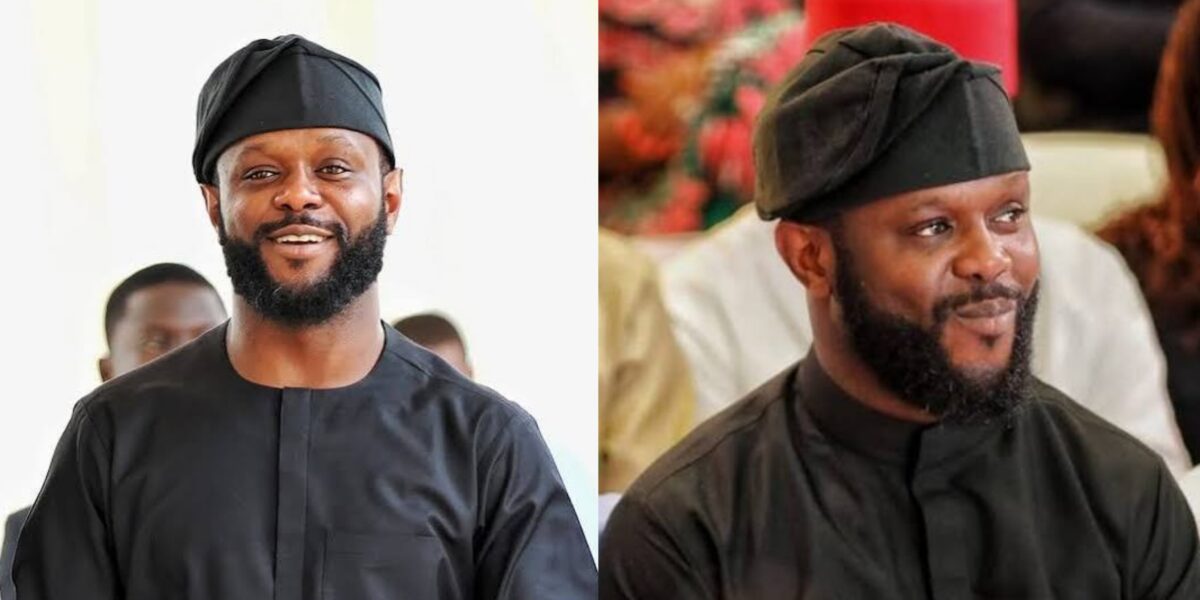
Bolanle Ninalowo’s involvement represents one of the clearest examples of structured celebrity participation within Seyi Tinubu–linked advocacy.
Widely recognised for his roles in Nollywood and for a public persona built on discipline, fitness, and professionalism, Ninalowo commands a significant following both within Nigeria and among the diaspora. His appointment as Atlanta, USA Coordinator for Relax Tinubu Is Fixing Nigeria marked a notable moment in the evolving relationship between entertainment figures and political advocacy.
The role itself carries symbolic weight. The diaspora has long played a complicated role in Nigerian politics. While physically distant, diaspora communities remain emotionally and financially invested. Coordinating advocacy within this space requires credibility, visibility, and cultural fluency.
Ninalowo’s appointment suggests a deliberate choice. Rather than selecting a political operative, the movement opted for a familiar cultural figure capable of mobilising attention without overt confrontation. His involvement was announced publicly, yet framed administratively rather than emotionally.
There was no dramatic declaration. No rally performance. Instead, there was a title, a responsibility, and an implied expectation of coordination.
Public reaction reflected this framing. Discussion centred less on ideology and more on role definition.
Supporters viewed the appointment as civic engagement. Critics questioned the blending of celebrity and politics. Ninalowo himself maintained a restrained posture, neither escalating debate nor retreating from the position.
Obi Cubana and the Weight of Cultural Capital
If Ninalowo represents diaspora coordination, Obi Cubana represents domestic cultural influence. As a businessman whose rise has been closely followed by the public, Obi Cubana occupies a rare space in Nigerian society. He is neither entertainer nor politician, yet his cultural presence rivals both. His social gatherings attract attention. His endorsements carry weight. His brand is associated with wealth, community, and celebration.
His appointment as South-East Regional Director of the City Boy Movement added a new layer to pro-Tinubu mobilisation. Unlike Ninalowo’s diaspora-focused role, Obi Cubana’s position situates him firmly within domestic youth engagement and regional influence.
The moment of appointment, captured in a widely circulated video featuring Seyi Tinubu, was carefully framed. The tone was informal. The setting was relaxed. The inclusion of the Tinubu campaign anthem created continuity with earlier political moments without overt campaigning.
Public reaction was immediate and divided. Some viewed the appointment as strategic inclusion of a respected entrepreneur.
Others questioned the increasing visibility of political alignment among business figures. Obi Cubana responded publicly, defending his decision and calling for tolerance of differing views.
His response was notable for its calmness. There was no attempt to persuade. No effort to reframe ideology. Instead, he emphasised coexistence, respect, and personal choice.
The Shadow of 2023
Any discussion of celebrity involvement in Tinubu-aligned movements cannot be separated from the memory of the 2023 presidential election.
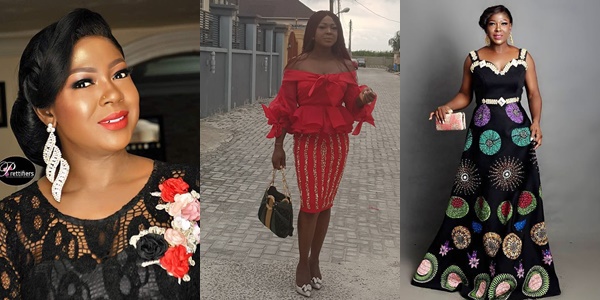
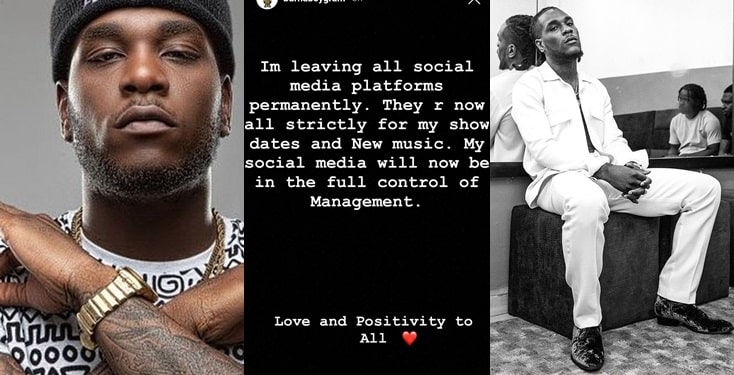
During that period, several Nollywood actors and entertainers publicly supported Bola Ahmed Tinubu. Names such as Eniola Badmus, Zack Orji, Femi Adebayo, and Brymo became part of the political conversation, often attracting intense scrutiny.
For some, the support was celebrated. For others, it triggered backlash, online criticism, and professional consequences. The experience left a lasting imprint on both celebrities and audiences.
This history shapes present-day reactions. Every new alignment is interpreted through the lens of what came before. Public memory remains active. Past controversies resurface easily.
Notably, the current phase of celebrity involvement appears more measured. There are fewer mass declarations. Fewer emotionally charged statements. Roles are framed administratively rather than ideologically. This suggests an awareness of fatigue, caution, and reputational risk.
Regret, Reflection, and Reassessment
The complexity of celebrity political involvement is perhaps best illustrated by those who later expressed regret.
Veteran actor Ganiu Nafiu, widely known as Alapini, publicly stated disappointment over his role in the 2023 campaign. His comments resonated deeply, particularly among older audiences who saw his reflection as sincere rather than strategic.
Such moments introduce a sobering dimension to the conversation. Political endorsement is not a one-time act. It carries emotional, reputational, and moral consequences. For celebrities, the line between civic participation and personal burden can become thin.
These expressions of regret do not invalidate earlier support, but they complicate it. They remind audiences that political alignment is not always static. It evolves alongside lived experience.
This history contributes to the cautious tone surrounding current pro-Tinubu advocacy. It encourages restraint, It discourages spectacle.
The Strategy of Quiet Visibility
One of the most striking features of the current phase is its quietness.
Rather than flooding the media with endorsements, pro-Tinubu movements appear to be allowing visibility to accumulate gradually. Appointments are announced, then allowed to settle. Public figures appear, then recede into organisational roles.
This approach reduces confrontation while sustaining presence. It allows movements to build infrastructure without exhausting public attention.
Seyi Tinubu’s role within this strategy is central. His appearances are frequent enough to signal leadership, yet restrained enough to avoid saturation. His interactions with celebrities are framed as collaboration rather than recruitment. This balance appears intentional.
Public Perception and Media Framing
Media coverage plays a critical role in shaping how celebrity political involvement is understood.
Headlines often emphasise proximity, appointments, and reactions rather than policy. Social media amplifies emotion, sometimes overshadowing substance. Within this environment, even neutral participation can be interpreted as endorsement or opposition.
For celebrities, this means control is limited. Once involvement becomes public, narrative ownership shifts. Supporters and critics fill in gaps with assumption.
This dynamic reinforces the value of measured communication. Those involved who speak calmly, sparingly, and clearly tend to experience less escalation.
Beyond Endorsement
At its core, the current phase of celebrity involvement around Seyi Tinubu suggests a move beyond traditional endorsement.
These figures are not merely lending names. They are assuming roles, however symbolic. They are attaching themselves to structures rather than slogans. They are participating in a political ecosystem that values continuity and organisation. Whether this approach will prove effective remains to be seen.
Elections are unpredictable. Public sentiment shifts. Cultural influence does not always translate into votes.
What is clear, however, is that the relationship between Nigerian celebrities and political power continues to evolve.
Closing Reflections
The celebrity names surfacing around Seyi Tinubu’s campaign circle do not represent a sudden movement. They reflect a gradual, deliberate process shaped by history, caution, and strategy.
From diaspora coordination to regional mobilisation, from past enthusiasm to present restraint, the story unfolding is one of adaptation rather than repetition.
As Nigeria moves closer to another electoral cycle, the role of celebrities will continue to invite attention, debate, and interpretation. Their involvement remains neither wholly celebratory nor entirely controversial. It exists instead in a space shaped by memory, influence, and the quiet recalibration of political engagement.
In that space, visibility matters, silence speaks, and every appearance carries meaning.