The political landscape surrounding the African Democratic Congress (ADC) shifted on April 1 when the Independent National Electoral Commission (INEC) announced the withdrawal of recognition for two rival factions within the party.
The decision, which coincided with a date often associated with pranks, initially generated doubt among observers who questioned whether the announcement was genuine.
However, the commission clarified that its action was based on a judgement delivered by the court of appeal concerning internal disputes within the party.
The faction aligned with the former senate president, David Mark, rejected the commission’s position and accused the electoral body of misinterpreting the court’s decision.
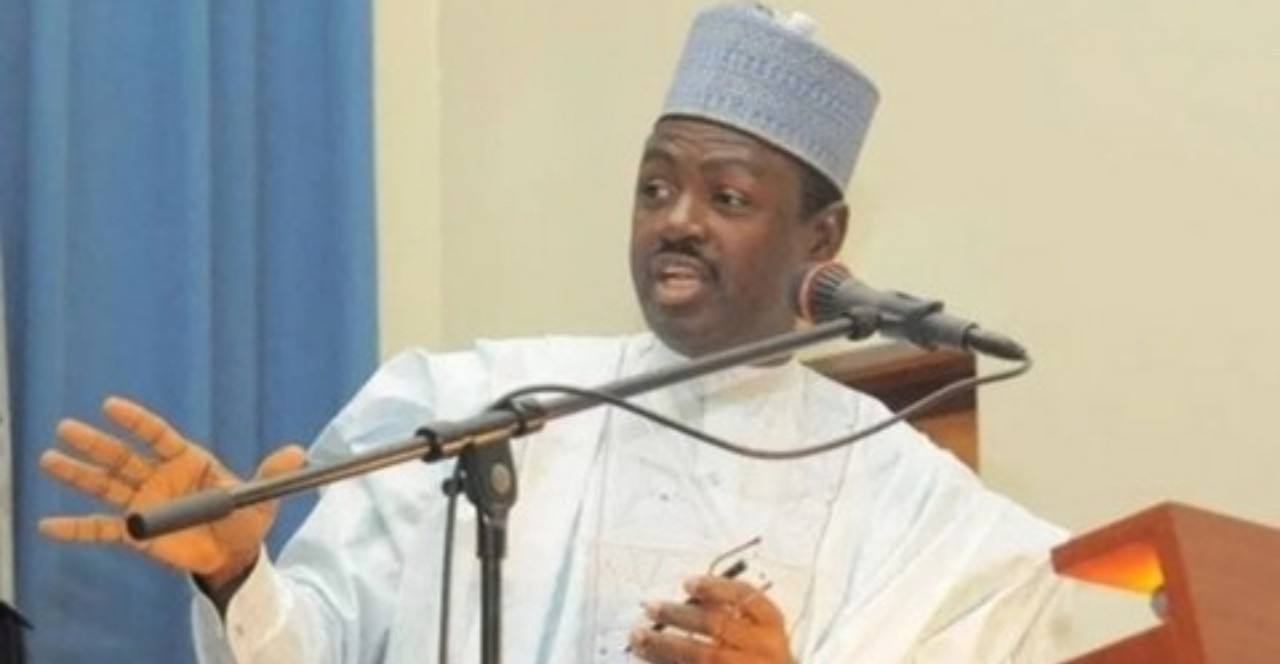
At the centre of the dispute is Nafiu Bala, who has positioned himself as a leading figure within a rival faction claiming control of the party’s structure.
Bala had previously appeared alongside stakeholders during the unveiling of the Mark-led leadership at an event held at the Shehu Musa Yar’Adua Centre in Abuja in July 2025.
During that gathering, the former presidential aide, Lauretta Onochie, introduced Bala as the deputy national chairman responsible for intergovernmental affairs.
The founder of the party, Ralph Nwosu, stated at the event that members of the national executive council and national working committee had stepped down to allow a new interim leadership to emerge.
Bala was listed among those said to have resigned from their roles to pave the way for the interim arrangement.
Weeks after the event, Bala publicly rejected the leadership structure and announced himself as the national chairman of the party at a separate briefing in Abuja.
He alleged that the emergence of the Mark-led leadership did not follow due process and was inconsistent with the party’s constitution.
Bala maintained that he had not resigned from his earlier position and described reports suggesting otherwise as misleading and fabricated.
He stated that legitimate members of the party would seek legal redress to challenge what he described as an unlawful takeover.
The dispute soon moved to the courts when Bala filed a suit at the federal high court in Abuja in September 2025.
In his application, he asked the court to prevent members of the rival faction from presenting themselves as party leaders and to compel recognition of his own leadership.
The presiding judge, Emeka Nwite, directed that the respondents, including the electoral commission, be notified to respond to the application.
The Mark-led faction later approached the court of appeal to challenge the jurisdiction of the lower court to hear the matter.
In March 2026, the appellate court dismissed the appeal, stating that it lacked merit and did not meet the required legal threshold.
The panel, led by Uchechukwu Onyemenam, noted that the lower court had not issued a substantive ruling but had only directed parties to respond.
The court further instructed all parties to maintain the existing situation pending further proceedings at the trial court.
Bala’s political trajectory traces back to his early involvement with the Democratic Peoples Party, where he served as national secretary.
In 2018, he issued a public statement denying claims that the party had entered into an alliance with the Peoples Democratic Party ahead of the 2019 elections.
He later joined the Peoples Redemption Party with plans to contest a senatorial seat before leaving the party in 2022 to align with the ADC.
That same year, he completed the documentation required by the electoral commission for participation in the Gombe State governorship election.
He subsequently emerged as the ADC candidate for the election and received his certificate of return from the party leadership.
The election was eventually won by Inuwa Yahaya of the All Progressives Congress, who secured a majority of the votes cast.
Bala challenged the outcome through the legal process, taking the case from the election tribunal to the supreme court.
At the apex court, he withdrew his appeal, leading to its dismissal by the court.
The lead justice, Kudirat Kekere-Ekun, described the case as lacking merit and questioned the basis of the legal challenge.
The ongoing leadership dispute within the ADC has implications beyond the party, particularly for opposition figures seeking a common platform ahead of the 2027 elections.
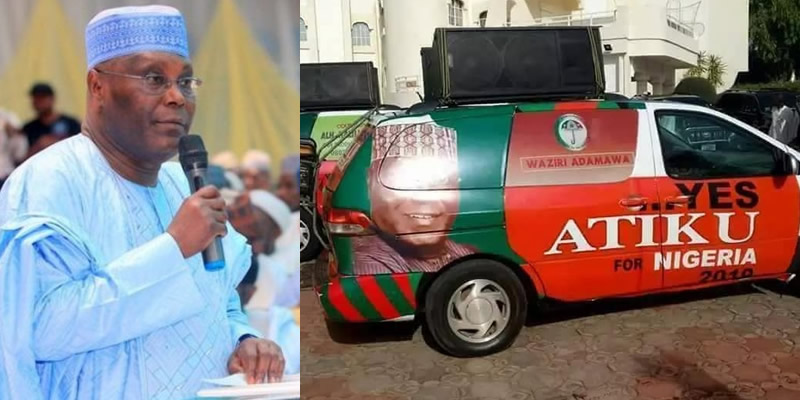
Prominent politicians, including former vice-president Atiku Abubakar and former Anambra State governor Peter Obi, have been associated with the party as a potential coalition platform.
Others, such as Rotimi Amaechi and Rabiu Kwankwaso, have also been linked to discussions around opposition alignment.
The uncertainty surrounding the party’s leadership structure has raised concerns about its ability to participate effectively in the forthcoming elections.
The Mark-led faction has suggested that the derecognition of the party could affect its capacity to present candidates.
As legal proceedings continue and internal disagreements remain unresolved, the situation within the ADC continues to evolve.
Observers note that the outcome of the dispute may influence broader political alignments as preparations for the 2027 elections gather momentum.