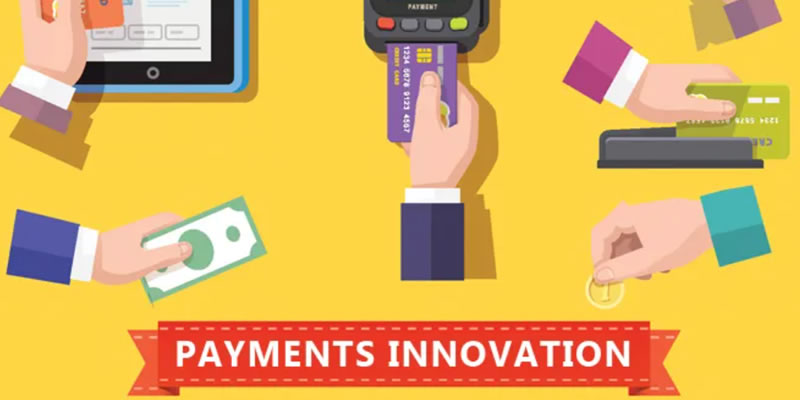
A payment system rarely changes because of theory alone. It changes when users demand speed, trust, and ease every day. Across Africa, that pressure has come from sectors that handle constant digital transactions, and online casinos have become one of the most active testing grounds. They process frequent deposits, fast withdrawals, and repeated user logins across mobile-first environments. That puts real pressure on payment rails to work better.
This matters beyond gaming. When a platform must serve users who rely on mobile money, local bank transfers, and digital wallets, it pushes payment providers to improve their systems. That includes smoother onboarding, clearer verification flows, and faster settlement. In that sense, online casinos have become part of a broader payments story. They reflect where digital finance is heading, and in many cases, they help move it forward.
Why Local-First Casino Platforms Matter for Payment Progress
Payment innovation only gains traction when platforms understand local user behavior. That is why high-quality casino operators built for local players matter so much in African markets. A platform such as Jackpot City shows the importance of localized design in a category where payment friction can decide whether a user stays or leaves. The lesson is larger than casino performance. It points to a simple truth about digital finance: payment systems improve faster when platforms adapt to the user, rather than forcing the user to adapt to the system.
That local focus usually appears in practical areas. Users want familiar payment methods, a checkout flow that works well on mobile, and withdrawal processes that feel predictable. They also expect interfaces that reflect how they already transact in everyday life. When casino platforms respond to those expectations, they create more than a better user journey. They create demand for stronger payment integrations and better processor support. Payment companies then have a reason to deepen coverage, reduce delays, and improve success rates for locally preferred methods.
Mobile Money Turned Convenience Into Infrastructure
For many African users, mobile money changed digital commerce because it reduced the distance between financial access and everyday activity. Online casinos entered that environment and had to align with it quickly. A platform that failed to support trusted mobile channels would struggle with deposits and retention. One that integrated them well could create a smoother loop between account funding and payout delivery.
That pressure helped make mobile money more versatile. Payment providers serving gaming operators had to refine APIs, strengthen transaction monitoring, and improve reconciliation. Those improvements do not stay inside one vertical. They carry into broader e-commerce, subscription services, and digital marketplaces. A wallet that performs well under the demands of a high-frequency gaming environment becomes more useful elsewhere too.
This is where the story becomes economically relevant. Online casinos did not invent mobile money, but they gave it another arena in which reliability became commercially urgent. In markets where users value instant access and low-friction movement of funds, that urgency has pushed innovation from the feature level into the infrastructure level.
Withdrawal Speed Is Raising the Standard Across Digital Payments
Deposits often get attention first, but withdrawals reveal the real maturity of a payment ecosystem. Users judge platforms by how quickly funds return, how clearly the status is communicated, and how little manual friction appears in the process. Online casinos understand this well because withdrawal experience affects trust more than almost any other touchpoint.
That has pushed operators and payment partners to improve the backend. Better routing, smarter fraud controls, and tighter KYC flows all become necessary when users expect payouts to move efficiently. These demands shape payment product development in useful ways. Providers build tools that verify users faster and reduce false flags. They also improve dashboard visibility for merchants that need to monitor transaction flow with more precision.
The wider result is a stronger payments environment. Once providers invest in these capabilities for one demanding sector, other industries benefit. That includes fintech platforms, digital lenders, and service apps that also depend on smooth disbursement.
Gaming Platforms Are Expanding Financial Accessibility by Habit
One overlooked aspect of payment innovation is behavior. People adopt financial tools more consistently when those tools are tied to repeated activity. Online casinos operate on frequent, low-friction interactions. Users top up wallets, confirm balances, and move funds out with regularity. That repeated use can normalize digital payment behavior for users who may have entered the system through a specific entertainment product but then became more comfortable with mobile finance as a whole.
The important point here is not the gaming activity itself. It is the payment familiarity built around it. A user who learns to trust wallet funding, identity verification, and digital cash-out processes inside one platform may carry that comfort into other parts of the digital economy. That kind of behavioral spillover has real value for payment ecosystems that still need broader everyday adoption.
What This Means for Africa’s Digital Economy
Experienced observers of African fintech already know that infrastructure growth rarely comes from one sector alone. It comes from constant pressure across multiple sectors that all need better rails. Online casinos now sit inside that pattern. They are helping push payment providers toward more responsive systems, especially in mobile-first markets where convenience and trust shape user decisions quickly.
The deeper takeaway is that entertainment platforms can play a serious role in digital finance when they create sustained demand for better movement of money. In Africa, online casinos have contributed to that demand by requiring flexible payment options and more reliable payout systems. That has helped sharpen the tools that support broader digital commerce.