According to data from the 2023 presidential election, Obi’s weakest performance was in the South West, where he polled a combined 846,000 votes in the six states of the region, representing 19.9% of his total votes. Tinubu got N2.8 million in the South West while Atiku had 942,000. In the South overall, Obi had 4.01 million votes, Tinubu polled 3.21 million votes and Atiku garnered 1.75 million votes.
The election period in Nigeria is a season typified by mixed feelings among the electorate, which often oscillate between ambivalence, indifference and deep concerns. It is marked by bizarre occurrences and intense political activities characterised by drama, intrigues, and suspense the gamesmanship, schemes, and calculations of the dramatic personae on the political scene tend to engender. And as we approach the 2027 general elections, these political activities and the histrionics that accompany them have begun in earnest and with the usual hysteria and frenzy.
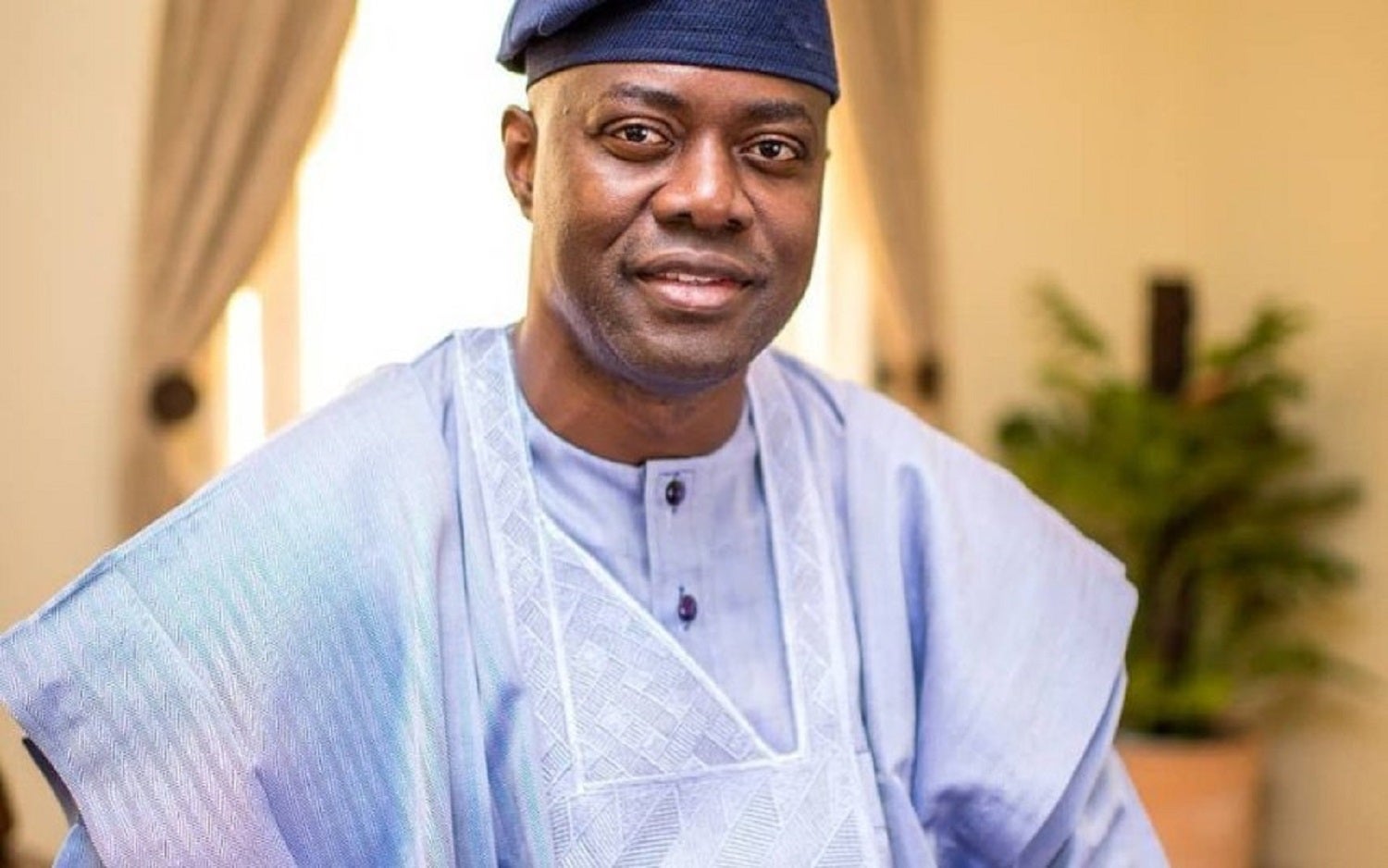
On Tuesday, Oyo State governor, Seyi Makinde, announced that he will be contesting for the presidency in 2027, adding a fresh twist to an already charged, convoluted, and frenetic political milieu. The announcement was made at an event where the faction of the Peoples Democratic Party (PDP) loyal to Makinde announced that it was going into an alliance with the Allied Peoples’ Movement, APM, to strengthen the opposition ahead of the 2023 election. Both parties also signed a memorandum of understanding to formalise their alliance and partnership.
Makinde’s move has elicited chatter, analysis and commentaries among observers about what his objectives are. While the consensus among Nigerians, particularly those living in Oyo State, is that he has performed excellently as the governor of Oyo, many believe his attempt at the presidency is still a long shot and a pipe dream as he has not built the needed broad-based structure, cross-country alliance and does not have national electoral value to have a decent chance of winning a presidential election.
Some observers and political analysts have opined that Makinde’s move is similar to what former Governor of Kano State, Rabiu Kwankwaso, did in 2023 when he contested for the presidential election, despite everyone knowing he stood no chance of winning. According to them, Makinde is not necessarily interested in a presidential contest or desirous of leading the country in 2027, noting that, just like Kwankwaso in 2023, his foray into the 2027 presidential race is part of an elaborate strategy to ensure that his favoured and anointed candidate wins the Oyo State governorship election so that he can consolidate his control of the state and protect his interests when he eventually leaves office.
Whatever the game plan and end goal of Makinde is with his latest gambit, one thing that cannot be ignored or denied is that his entry into the presidential race has changed the whole calculations, dynamics and permutations for the presidential election and the chances of the leading aspirants and would-be candidates will either be impacted positively or negatively.
One part of the country where Makinde’s candidacy is expected to have a profound and decisive impact is the South West geopolitical zone. He and President Bola Tinubu are from that part of the country. If Makinde decides to follow through with his presidential aspiration, it will definitely put Tinubu in a precarious situation going into the 2027 election and weaken his chances of overwhelming and total victory in the region. It is a well-known fact that Tinubu is quite unpopular, in fact no Nigerian president since the return to democracy in 1999 has faced the level of uncertainty and doubt about their re-election as Tinubu owing to how unpopular he is.
However, one of the ways he seeks to counterbalance and fend off these widespread dark clouds of negative public perception about his government among Nigerians during elections is to rely on the support of his kinsmen to garner as many votes as possible from the South West, his region. But the emergence of Makinde as a contender in the presidential race may have become a clog in the actualisation of this plan. Lagos, Oyo and Ogun States account for more than 70 per cent of the total registered voters in the South West with the remaining three states, Osun, Ondo and Ekiti sharing the remaining paltry 30 per cent.
Tinubu lost Lagos in 2023 and going by the present state of the nation with the way the lives of average Nigerians have progressively gone worse since he came to power, he is likely to lose again in 2027 if the election is free, fair and credible. He had a resounding victory in Oyo state with over 400,000 votes, more than three times the number of votes polled by the second-placed Atiku Abubakar. With Makinde on the ballot, Tinubu will not get up to the votes he got in 2023 even if he wins Oyo State.
Since the plan is to use victory in Oyo and other South West states to cushion the effects and reduce the level of negative impact his poor showing in other parts of the country that are the stronghold of other candidates outside the South West will have on his general performance at the polls, having Makinde eat into votes that would have ordinarily gone to Tinubu will thwart this plan. And when you consider how bleak things are for him in Lagos and how unpopular he has become among many Yorubas who are disenchanted with his government performance and its policies which have clearly worsened their living conditions, he may end up polling far fewer votes in his stronghold than he did in 2023.
For the Labour Party candidate in the 2023 presidential election, Peter Obi, and former vice president, Atiku Abubakar, Makinde’s entry into the presidential race is more of an advantage, some will even say a blessing for them. Makinde’s political mileage, clout and influence, just like Kwankwaso in 2023, do not extend beyond Oyo and neighbouring South West states. They are aware that he does not have sufficient national appeal and considerable electoral value that could hurt them in their own strongholds in the South East, Niger Delta, Middle Belts and the core north but they know his being in on the ballot will significantly impact the performance of Tinubu in the South West, particularly in Oyo State, which is going to be a battleground during the election, hence reducing the number of votes he can get in the state.
According to data from the 2023 presidential election, Obi’s weakest performance in the southern geopolitical zone was in the South West where he polled a combined 846,000 in the six states of the region which represents 19.9% of his total votes. Tinubu got N2.8 million in the South West while Atiku had 942,000. In the South overall, Obi had 4.01 million votes, Tinubu polled 3.21 million votes and Atiku garnered 1.75 million votes. From the above data, Obi is less likely to be affected—at least not on that scale that it will negatively impact the numbers of Tinubu and Atiku at the polls—by whatever the performance of Makinde is at the polls but will certainly pose a lot of challenges for Tinubu.