The ruling party would have us believe that the evocation of the ugly spectre of Operation Wetie is an act of sedition designed to rile up and incite beleaguered citizens against a deeply unpopular government, but that is not what it is. It is a timely reminder and a cautionary tale to those who are ready to burn the country to the ground in other to rule over its ashes of what can happen when genuine national interest is sacrificed on the altar of intemperate greed and vicious pursuit of power.
At the recent Ibadan summit where major opposition parties expressed their readiness and willingness to forge an alliance, work together and present a united front ahead of the 2027 election. At the summit, many leading opposition figures expressed their concerns about the country’s direction and the ruling All Progressives Congress (APC) ‘s management of the nation’s affairs. They asserted that if things do not change soon and if major actors in the ruling party do not abandon their destructive antics and shenanigans, the country may be plunged into political instability, social upheaval, and anarchy.
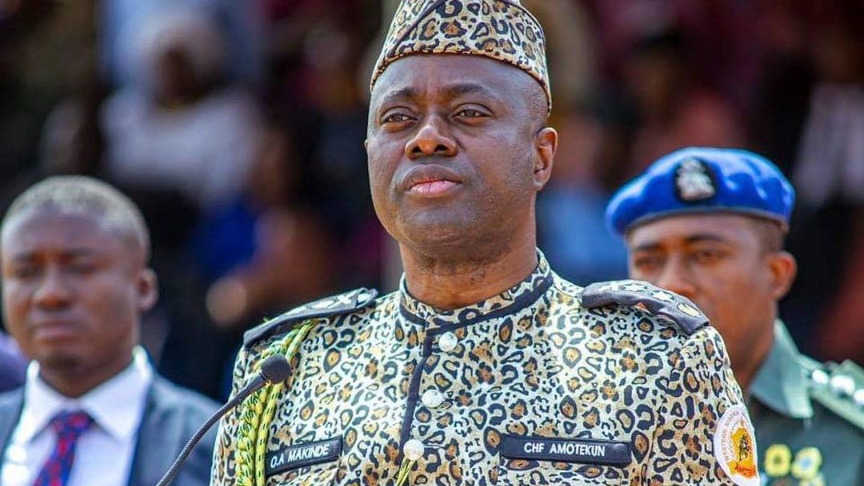
As the prominent and influential politicians at the event took turns to voice their revulsion and distaste at what they feel is the troubling and precarious state of the nation, a particular admonition by the governor of Oyo State, Seyi Makinde, overshadowed whatever profundity and prudence the speeches of other attendees carried.
Makinde warned those in power to remember the cataclysmic political crisis that engulfed the western region of yore in the first republic which almost ended the new sovereign nation. “For those who are carrying on as if there is no tomorrow, they should remember that ‘Operation Wetie’ started from here. This is the same Wild Wild West,” the governor warned.
No sooner did he make the statement than the ruling party issued a rebuttal. According to them, the governor’s remark is inflammatory and seditious. Knowing the ruling party, it would have been surprising if they did not respond to Makinde’s statement. The ruling party may castigate, lambaste and vilify Makinde for drawing a parallel between the current state of the nation and the disastrous socio-political events in the first republic but the conclusion any objective and dispassionate observer of happenings and developments in our nation, especially in politics, will reach is that the country is on the brink of implosion and collapse.
The ruling party will always downplay the unsettling reality of things in the nation’s political space. They may discountenance the statement of Makinde as the bellyaching of a disgruntled and disenchanted opposition leader and pontificate about how the nation is being run the way it should be, but for many, what is clear is that where we find ourselves today is eerily similar to where we were in the first republic. The events and incidents happening today and the actions of those in power are disturbingly akin to the chain of events that culminated in the infamous Operation Wetie and eventual collapse of the First Republic.
From brazen rigging of elections, to using state institutions to intimidate and coerce the opposition, to gagging dissents, to using the courts to not only weaken and destroy opposition parties but also jail leaders who that we are witnessing today, all these bear an uncanny resemblance to the overbearing and dictatorial tendencies of those who led the nation in the first republic. At the time, what started as an innocuous power tussle and difference in political and economic ideology between two men became the tinderbox that caused the spark which ignited the conflagration that later consumed the nation. The alliance of Ladoke Akintola with the North against the wishes of Obafemi Awolowo was the catalyst that brought matters to a head. Having aligned with the Northern People Congress (NPC) which was the ruling party in the centre at the time, Akintola decided to use the backing of the federal government to take control of the western region by any means necessary.
During the Western region election of 1965,
Akintola’s regional government banned all public protest demonstrations. He then banned the candidate of UPGA from contesting in some areas. Also, the UPGA candidate that was supposed to run against Akintola inexplicably withdrew a week before election day, leaving the regional Premier without a challenger. Akintola, backed by the northern-dominated NNA, eventually won the election amid strong and irrefutable charges of widespread irregularities and fraud. Hardly had Akintola’s NNDP won the regional election when protests broke out in many parts of the region.
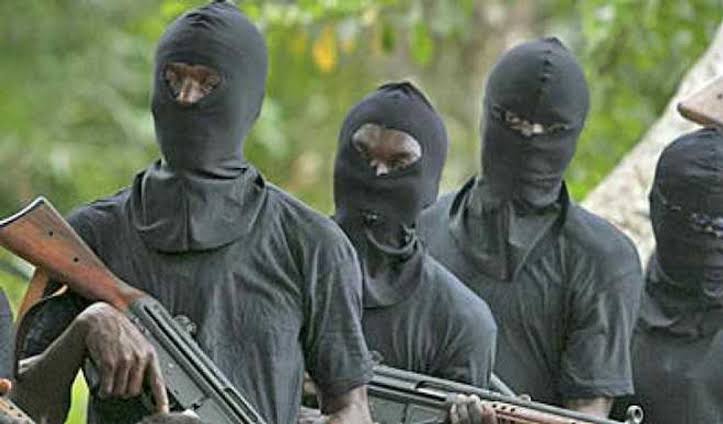
The widespread public demonstrations against the new regional government soon snowballed into violence, chaos and breakdown of law and order. Supporters of politicians on both sides went after their opponents by dousing them with petrol and setting them ablaze. This savage hounding and immolation of political opponents was known as “Operation Wetie*. An estimated 2,000 people died in violence that erupted in the Western Region.
So, in the face of the growing threat to our nascent and fragile democracy which is occasioned by the jarring impunity and unconscionable machinations of the ruling party to hold on to power by all means necessary, the evocation of the ugly spectre of Operation Wetie is a timely reminder and a cautionary tale to those who are ready to burn the country to the ground in other to rule over its ashes of what can happen when genuine national interest is sacrificed on the altar of intemperate greed and vicious pursuit of power.
It is not enough for the ruling party to dismiss Makinde’s admonition as the tirade of an attention-seeking charlatan and they would have us believe that the evocation of the ugly spectre of Operation Wetie is an act of sedition designed to rile up and incite beleaguered citizens against a deeply unpopular government, but that is not what it is. Nigerians do not need Makinde to tell them that the direction of the country leaves so much to be desired. Nigerians know that their country may be plunged into a complete state of instability, turmoil and anarchy if those in the ruling party do not retrace their steps and harken back to the days when people did not find it prudent to set the country on fire to hold on to power.