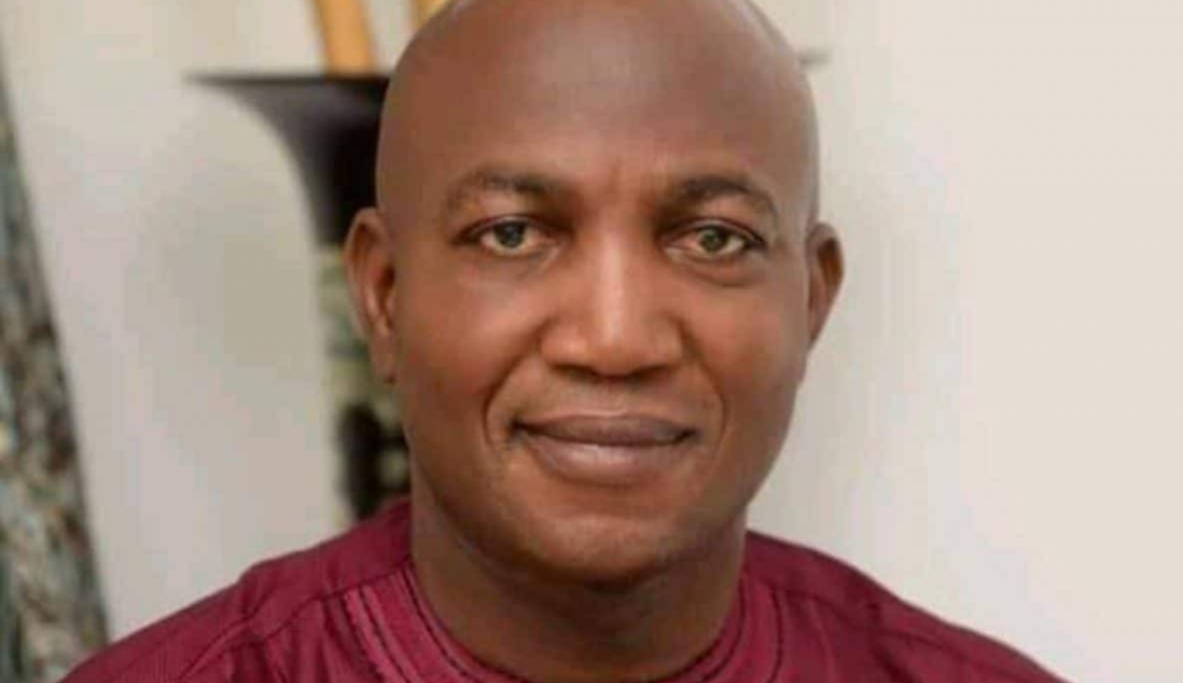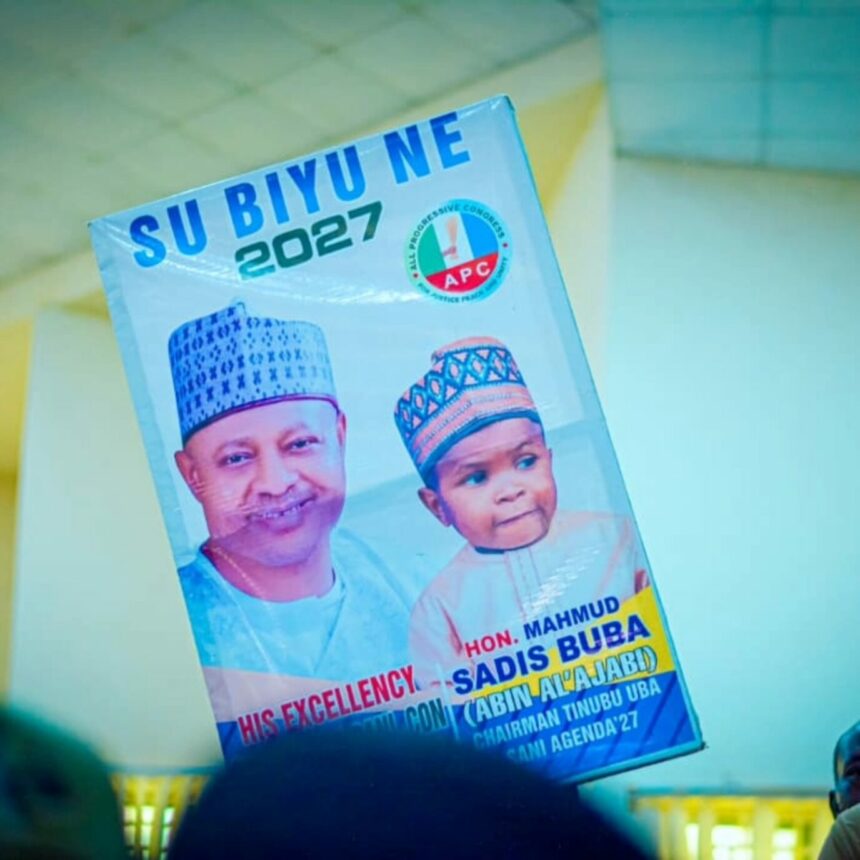
Mahmud Sadis Buba, an aspirant of the All Progressives Congress (APC) for the Sabon Gari federal constituency in Kaduna State, recently gained public attention after advancing through the party’s screening process ahead of the 2027 elections.
The politician, who hails from Sabon Gari in Zaria, is said to be about 30 years old and reportedly holds a Senior Secondary School Certificate, with claims that he previously worked as a driver before venturing into politics.
He is also described as the first of nine children in his family and currently leads a support group known as the Tinubu–Uba Sani Agenda ’27 in Kaduna State.
Physically, Buba lives with dwarfism, a condition he says he inherited from his paternal lineage, and which has shaped much of his personal and public experience.
In an interview with the BBC, he explained that the condition has exposed him to repeated stigma, discrimination, and verbal attacks throughout his life.
“I have been insulted, humiliated and deprived because of the way Allah created me. There is no move I try to make without people attacking my dignity and disrespecting me,” he said.
Despite these challenges, Buba’s political ambition gained traction after he contested the same constituency in the 2023 elections before stepping down following interventions by party stakeholders.
On May 10, he successfully passed the APC screening exercise, an outcome that brought renewed attention to his candidacy after videos of his appearance circulated widely online.
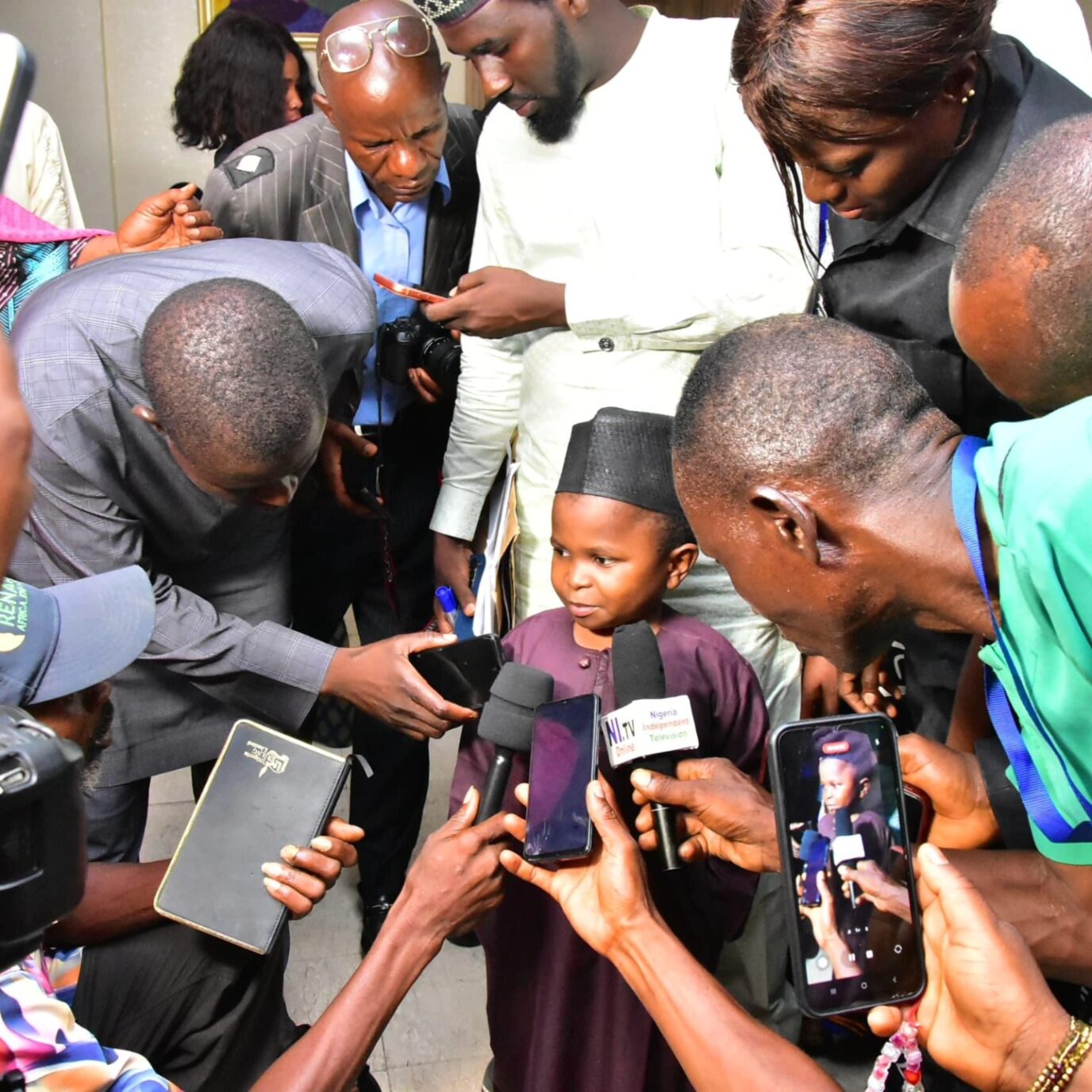
In one of his public reflections shared on social media, he wrote: “From my beginning as a driver to this moment, my journey has been built on hard work, resilience, and the belief that every individual — no matter their background — can rise to serve.”
He also maintained in an interview with BBC Hausa that he has no intention of withdrawing from the race and believes his physical condition will not affect his ability to perform legislative duties.
Supporters of Buba have increasingly projected him as a symbol of inclusion, particularly for persons with disabilities and young Nigerians seeking representation in politics.
He is also targeting the seat currently held by the incumbent lawmaker, Sadiq Ango Abdullahi, who moved from the Peoples Democratic Party (PDP) to the APC and is seeking re-election under the ruling party.
Beyond his candidacy, Buba has been active in political mobilisation within Kaduna State, where he has participated in rallies and campaign activities for national and state leaders.
In January, he led a solidarity march in support of the re-election bids of President Bola Tinubu and Kaduna State Governor Uba Sani.
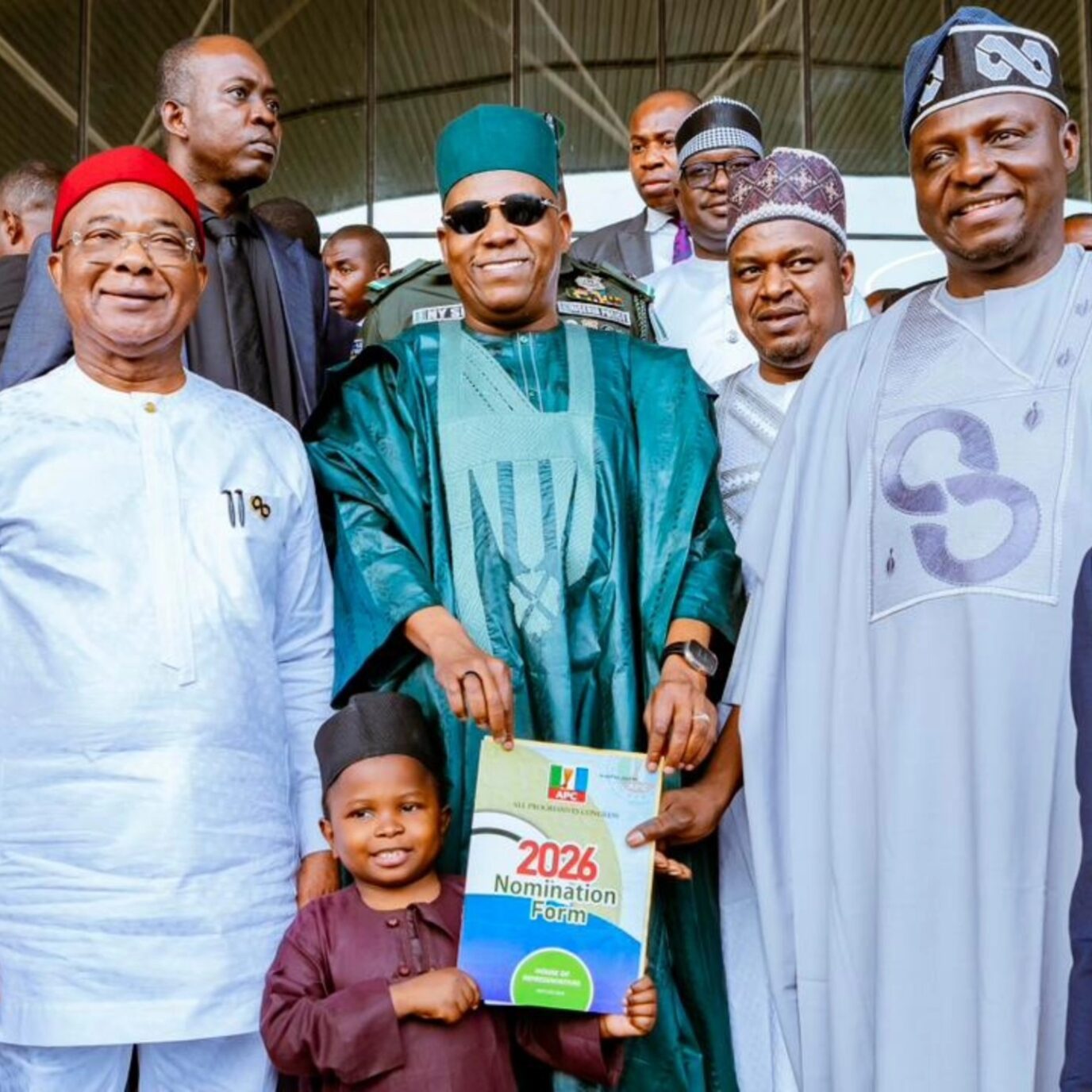
Over time, he has been photographed with prominent political figures, including President Bola Tinubu, former President Muhammadu Buhari, Vice President Kashim Shettima, Senate President Godswill Akpabio, and former Kaduna State Governor Nasir El-Rufai, among others.
His growing visibility has shifted him from a local mobiliser to a nationally discussed political figure, particularly within debates on inclusion and representation.
Observers note that his emergence has also sparked broader conversations about accessibility, merit, and participation in Nigeria’s political space.
However, Buba’s political journey has also been marked by controversy, particularly over conflicting claims regarding his actual age.
While he stated in a media interview that he was born on August 2, 1995, several documents reportedly linked to him, including identity records and educational files, suggest a different birth year of 2010.
Some accounts claim that a family member presented a Nigerian passport indicating a 2010 birth date and described him as a younger sibling in the family structure.
Another individual, Abdullahi Aliyu, reportedly claimed to have taught him in junior secondary school, stating that Buba is approximately 16 years old.
The discrepancies triggered public debate and criticism, with concerns raised about eligibility requirements for contesting elections into the House of Representatives.
Reactions on social media have ranged from ridicule to serious concerns about the screening and verification processes of political parties.
While some critics questioned the authenticity of the documents, others suggested the inconsistencies reflect deeper issues in political documentation systems.
In response to the developments, Buba announced his withdrawal from the race after consultations with family members, political associates, and party stakeholders.
“My withdrawal is not a sign of weakness, but a sacrifice for the greater good of the party,” he said.
His exit marked an abrupt turn in a political journey that had drawn significant attention within and beyond Kaduna State, particularly given the unusual trajectory of his rise within party structures.