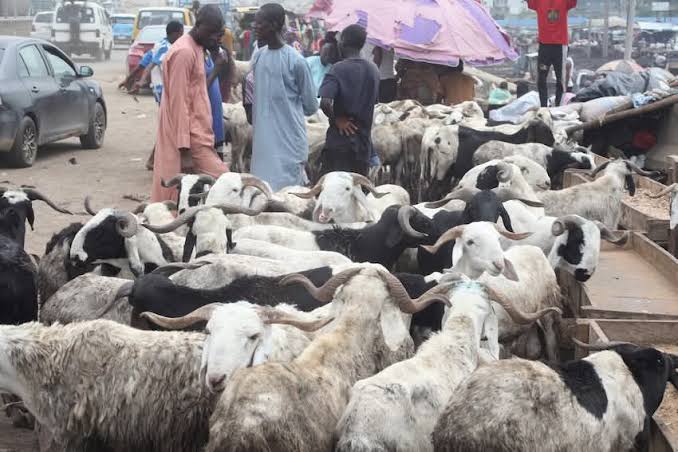
The sound of desperate bargaining has slowly replaced the joyful excitement that usually fills Nigeria’s ram markets before Eid el Kabir. Across crowded livestock sections in Ibadan, traders sit beside hundreds of unsold rams, while buyers walk from one corner to another, calculating figures that no longer make sense to their pockets. Faces once filled with celebration now carry silent worry, as another Sallah season approaches under the heavy shadow of rising hardship.
For weeks, conversations across markets, mosques, transport parks, homes, roadside stalls, social gatherings, have revolved around one painful reality. The cost of fulfilling one of the biggest religious traditions in Islam is climbing beyond the reach of many ordinary Nigerians. Traders who travelled hundreds of kilometres, hoping for massive festive sales, are beginning to fear that this year’s season may end with huge losses instead of profit.
Behind the loud market noise lies a deeper tension many people are struggling to hide. Buyers are afraid of embarrassment before their families, while sellers are afraid of returning home with unsold animals after investing millions into transportation, feeding, security, market levies, accommodation, survival costs. Every passing day before Eid el Kabir is now becoming a race against uncertainty.
What was once considered a season of abundance is gradually turning into a difficult test of endurance for both traders, buyers alike. Across Ibadan’s busiest livestock markets, the fear is no longer hidden. It is visible in slow sales, empty customer queues, frustrated negotiations, anxious glances between traders who already know the market is not behaving like previous years.
The uneasy atmosphere building across Ibadan markets
By early May 2026, livestock traders arriving from Northern Nigeria had already begun flooding major ram markets across Ibadan with thousands of animals ahead of the June celebrations. Markets such as Akinyele, Bodija, Aleshinloye, Oranyan, Elekuro quickly became crowded with trailers carrying rams from states including Borno, Kano, Kaduna, Sokoto, Katsina, Plateau, Bauchi.
Previous Sallah seasons often came with excitement because buyers usually rushed into markets weeks before Eid el Kabir to secure affordable animals before prices rose further. That familiar confidence is now fading rapidly. Traders who expected heavy patronage shortly after arrival instead found themselves waiting endlessly under scorching sunlight for customers who never came.
Many sellers admitted that the market atmosphere became alarming after the second week of May 2026, when customer turnout remained unusually low despite thousands of rams already available for sale. Some traders blamed the economic condition, while others quietly admitted that Nigerians were simply exhausted financially.
One trader at Akinyele market described the situation with visible frustration on May 18, 2026. He said transporting a trailer filled with rams from Borno State to Oyo State previously cost between ₦600000, ₦700000, but now consumes nearly ₦1800000, ₦2000000, depending on fuel costs, security challenges, road expenses. According to him, there was no way prices could remain low after such transportation expenses.
Several traders confessed that many buyers now approach animals only to ask for prices before walking away silently. Negotiations that once ended with cash payments now end with deep sighs, disappointment, awkward silence. Some customers reportedly spend hours moving from one section to another, hoping prices will magically reduce.
The painful rise shaking Muslim families
Across many Muslim homes, Eid el Kabir preparations usually begin long before the celebration date arrives. Families often save gradually throughout the year because ram sacrifice carries deep religious, spiritual significance. That yearly preparation has now become extremely difficult for many households struggling under Nigeria’s worsening economic pressure.
Market surveys conducted across Ibadan between May 10, 2026, May 22, 2026, revealed shocking price increases that stunned many residents. Small rams previously sold around ₦70000, ₦80000 during 2025 now cost between ₦200000, ₦250000. Medium sized rams moved from around ₦150000, ₦200000 to as high as ₦300000, ₦400000, depending on breed, weight, appearance.
Larger rams that sold within ₦350000, ₦700000 last year now attract prices reaching ₦500000, ₦900000 across many markets. Premium breeds, particularly imported or specially fattened species, now approach ₦1300000 in some areas of Ibadan, Abuja, Kaduna, Lagos.
Many residents described the situation as emotionally painful because Eid el Kabir is deeply connected to family dignity, religious identity, community expectations. Some fathers admitted privately that they feel ashamed returning home after failing to purchase a ram despite visiting several markets.
One resident who visited Bodija market on May 20, 2026, explained that the same size of ram he bought for around ₦80000 during the previous Sallah season was now priced above ₦350000. According to him, the increase felt disconnected from the economic reality ordinary Nigerians currently face daily.
Fuel crisis inflation pressure squeezing livestock business
The removal of fuel subsidy continues to cast a heavy shadow over Nigeria’s economy, nearly every sector now battling rising operational costs. Livestock business owners say the ram market became one of the hardest hit industries because transportation plays a massive role in moving animals from Northern Nigeria into Southern cities.
Traders transporting animals from states like Borno, Sokoto, Kano, Katsina, Plateau often travel for several days before reaching markets across Southwest Nigeria. During those journeys, transporters pay heavily for diesel, petrol, feeding, security checkpoints, road maintenance, accommodation, vehicle repairs.
Feeding costs have also risen sharply because grains, animal feed, agricultural products continue becoming more expensive nationwide. Sellers explained that keeping rams healthy, attractive, market ready now requires far more money compared to previous years. Veterinary drugs, market levies, labour expenses, accommodation costs have equally increased.
Several traders stated clearly that many customers wrongly believe sellers are intentionally exploiting buyers during Sallah seasons. According to them, current prices simply reflect the harsh economic realities affecting transportation, feeding, maintenance nationwide.
Nigeria’s inflation rate throughout 2025 into early 2026 weakened purchasing power significantly across households. Food prices, transport fares, school fees, electricity bills, rent, healthcare costs all climbed steadily, leaving many families with almost nothing left for festive spending.
For many Nigerians, buying a ram this year no longer feels like festive preparation. It feels like making a painful financial sacrifice that may affect feeding, school expenses, survival after Sallah celebrations end.
Buyers struggling between faith survival
Across several Ibadan markets, emotional scenes have quietly unfolded between buyers, sellers. Some customers reportedly beg traders for price reductions, while others attempt instalment agreements, hoping to secure animals before Eid el Kabir arrives.
One civil servant at Oranyan market admitted he delayed paying part of his children’s school fees because he wanted to fulfil his religious obligation before Sallah. Another resident confessed he abandoned plans entirely after discovering that his budget could not secure even the smallest ram available.
Many buyers say the pressure extends beyond religion because society often places expectations on Muslim families during Eid celebrations. Relatives, neighbours, friends, children all anticipate festive slaughter, meals, gatherings, celebrations. Failing to buy a ram sometimes creates emotional embarrassment, especially among middle class households trying to maintain appearances despite hardship.
Several Islamic scholars have however continued advising Muslims not to borrow money merely to impress people during Eid el Kabir celebrations. Clerics speaking during Friday sermons across May 2026 repeatedly encouraged believers to celebrate within their means while focusing more on spiritual devotion than public display.
That advice appears to be influencing some families already exhausted financially. Across Ibadan, Lagos, Ilorin, Abuja, Kaduna, Kano, increasing numbers of Muslims are now switching from rams to goats because of affordability. Others contribute money jointly with relatives, brothers, friends, neighbours.
Some households have quietly decided to skip animal sacrifice entirely this year while focusing on prayers, fasting, charity, family gatherings. Though many people avoid discussing such decisions openly, traders admit they can already feel the impact through declining market sales.
Traders battling uncertainty
While buyers complain bitterly about high prices, many ram traders are also trapped inside deep uncertainty. Several sellers confessed that despite the expensive prices visible publicly, profits are no longer guaranteed because operating costs have consumed massive portions of their investments.
Large livestock dealers who transported hundreds of rams into Ibadan markets reportedly spent millions before selling a single animal. Transportation expenses, feeding, security, accommodation, loading fees, market levies all continue draining resources daily.
One seller explained that every additional day without strong sales increases pressure because animals must continue eating, receiving treatment, maintenance. According to him, unsold rams eventually become financial liabilities, especially when market expectations fail.
Some traders revealed that previous Sallah seasons usually attracted aggressive last minute buying from wealthy families, politicians, businessmen, organizations. That confidence has reduced sharply this year because many high income earners are also spending more cautiously.
Reports from Akinyele, Bodija markets showed rows of unsold animals despite approaching festive dates. Traders who once shouted loudly to attract customers now sit quietly watching buyers move past without serious negotiations.
Several dealers admitted privately that they fear returning North with unsold livestock after investing heavily. For some traders, Eid el Kabir season represents their biggest yearly business opportunity. Failure during this period could affect feeding, education, survival for their own families after celebrations end.
Food prices worsening festive burden
Ram prices are not the only problem confronting families preparing for Eid el Kabir 2026. Across Ibadan markets, food inflation has continued worsening household pressure, especially among low, middle income earners already struggling with survival.
Rice prices reportedly increased from around ₦54000 per bag to nearly ₦67000 within recent months. Pepper, onions, vegetable oil, seasonings, other cooking ingredients also witnessed sharp increases across several markets.
Though tomato prices dropped slightly in some areas due to temporary supply improvements, traders warned that instability remains because transportation challenges continue affecting Northern supply routes feeding Southern markets.
For many families, preparing Sallah meals now demands far more money than previous years. Even households able to purchase animals still struggle with cooking ingredients, guest entertainment, transportation, clothing expenses.
Women across several communities admitted they have reduced cooking quantities because food items became too expensive. Others revealed they now prioritize immediate family alone instead of extending celebrations widely among neighbours, visitors, relatives like previous years.
Economic hardship is gradually reshaping social traditions once associated with abundance, generosity, community sharing during Eid el Kabir celebrations across Nigeria.
Northern suppliers facing difficult realities
Much attention often focuses on Southern buyers because of the visible price increases within cities like Ibadan, Lagos, Abuja. Yet many Northern livestock suppliers are equally battling severe challenges threatening the sustainability of their business.
Banditry, insecurity, cattle rustling continue affecting parts of Northern Nigeria where livestock breeding dominates local economies. Several herders, breeders reportedly lost animals during attacks, forcing them to spend more protecting livestock before transportation.
Climate related pressures including drought, changing grazing conditions, rising feeding expenses have equally complicated livestock production across many Northern states. Herders now spend more securing feed, water, medical care for animals before selling seasons arrive.
Transporting animals across long distances has also become more dangerous, expensive due to worsening road conditions, security concerns, multiple checkpoint payments. Drivers transporting rams sometimes spend additional money avoiding unsafe routes while protecting valuable livestock cargo.
Several Northern suppliers reportedly warned that unless Nigeria improves transportation infrastructure, security, agricultural support, ram prices may continue increasing yearly beyond ordinary citizens’ reach.
Many traders fear that persistent low patronage could eventually discourage large scale livestock transportation into Southern markets during future Eid seasons. Such outcomes could further reduce supply, worsen prices later.
Lagos, Abuja, Kaduna markets showing same pattern
The crisis unfolding across Ibadan is not isolated. Similar reports emerged from Lagos, Abuja, Ilorin, Kaduna, Kano, Jos where ram prices also climbed sharply before Eid el Kabir 2026.
Livestock dealers in Lagos admitted that customer turnout remained weaker than previous years despite huge animal supply entering the state. Some premium rams within Lagos reportedly crossed ₦1000000, especially imported or specially fattened breeds targeted at wealthy buyers.
Abuja markets reflected similar tension as middle class civil servants, business owners struggled with rising costs. Several traders there admitted that many residents now focus more on survival expenses than festive spending.
Kaduna, Kano markets, though closer to major livestock producing regions, still experienced price increases because inflation, transportation, feeding costs affected nearly every stage of the supply chain.
Economic analysts observing the situation noted that Nigeria’s weakened consumer spending power now affects even deeply rooted cultural, religious celebrations. What once seemed financially manageable for average families is increasingly becoming luxury spending.
Religious leaders speaking against social pressure
As economic hardship deepens, Islamic clerics across Nigeria have intensified warnings against unhealthy competition during Eid el Kabir celebrations. Many scholars argue that social pressure now pushes families into unnecessary financial suffering merely to maintain appearances before neighbours, relatives, friends.
Several clerics speaking during Friday sermons across May 2026 reminded Muslims that Islam does not encourage borrowing recklessly for sacrifice obligations. They emphasized that worship should never become a source of hardship, destruction, debt, emotional breakdown.
One Islamic teacher in Ibadan explained that many believers misunderstand the spiritual purpose of Eid el Kabir by focusing excessively on public display instead of obedience, humility, sacrifice. According to him, people should avoid comparing their celebrations with wealthier families.
Community leaders have equally encouraged collective support systems where relatives contribute jointly toward celebrations rather than allowing one individual carry overwhelming financial burden alone.
These messages appear increasingly necessary because many Nigerians continue facing intense social expectations during festive seasons despite worsening economic realities.
Local livestock farming conversations growing louder
Amid growing frustration over dependence on Northern livestock supplies, fresh conversations have emerged regarding local livestock development within Southwestern Nigeria.
Agricultural experts, business owners, community leaders argue that Southwestern states could reduce future price shocks by investing aggressively into local ram breeding, livestock farming, grazing systems, feed production, veterinary support.
Several analysts noted that excessive dependence on animals transported from distant Northern states exposes Southern markets heavily to fuel costs, transportation instability, security challenges, inflation.
Developing stronger livestock systems within Oyo, Ogun, Osun, Ekiti, Ondo, Lagos could gradually improve regional supply, reduce transportation expenses, create employment opportunities, strengthen food security.
Some traders however warned that such transformation would require long term investment, government support, land access, modern farming structures, adequate security. They explained that large scale livestock breeding cannot grow overnight without serious planning.
Still, the current Eid el Kabir crisis has intensified public discussion around Nigeria’s fragile food supply structure, especially concerning agriculture, transportation, distribution networks.
Families redefining Sallah celebrations
Despite the hardship, frustration visible across markets, many Muslim families are gradually adjusting their expectations around Eid el Kabir 2026. Rather than pursuing expensive public celebrations, households are finding smaller, more manageable ways to preserve the spiritual, emotional essence of the festival.
Some families now organize modest gatherings focused mainly on prayers, family bonding, charity. Others reduce guest invitations, cooking quantities, clothing expenses, entertainment budgets.
Several residents admitted that though the economic situation feels painful, the season still carries deep spiritual meaning beyond material display. Parents continue trying to create joyful moments for children despite financial difficulties surrounding them.
Community support has also become more important during this period as relatives, neighbours, friends assist one another quietly through food sharing, contributions, emotional encouragement.
Across many Nigerian homes, Eid el Kabir 2026 may ultimately become remembered less for lavish celebration, more for resilience, sacrifice, endurance, faith during one of the country’s toughest economic periods.
Nigeria’s deeper economic reflection
Beyond livestock markets, religious celebrations, festive spending, the rising fear among ram traders exposes deeper economic struggles confronting Nigeria presently. Every frustrated negotiation across Ibadan markets reflects broader national problems affecting millions daily.
Rising inflation, shrinking purchasing power, unstable transportation costs, food insecurity, weak consumer confidence all continue shaping how Nigerians live, celebrate, survive. The Sallah market crisis merely exposes those realities publicly because Eid el Kabir traditionally depends heavily on spending ability.
What traders, buyers, families now experience inside ram markets mirrors pressures already affecting housing, feeding, education, healthcare, transportation nationwide. Nigerians are increasingly forced into painful choices between cultural expectations, financial survival.
Many traders fear the current situation could worsen further if inflation, fuel costs continue rising beyond current levels. Buyers equally worry that future Sallah seasons may become even more financially difficult unless economic conditions improve significantly.
For now, uncertainty hangs heavily across livestock markets in Ibadan, Lagos, Abuja, Kaduna, Kano, other cities waiting anxiously for last minute buyers before Eid el Kabir finally arrives. Beneath every negotiation lies a silent fear shared by both sellers, buyers alike. One side fears losing massive investments while the other fears failing cherished religious, family traditions.
As the countdown to Eid el Kabir 2026 continues, Nigeria’s ram markets are no longer merely places of festive business. They have become emotional mirrors reflecting the harsh realities of a nation where celebration, survival now compete fiercely against each other.