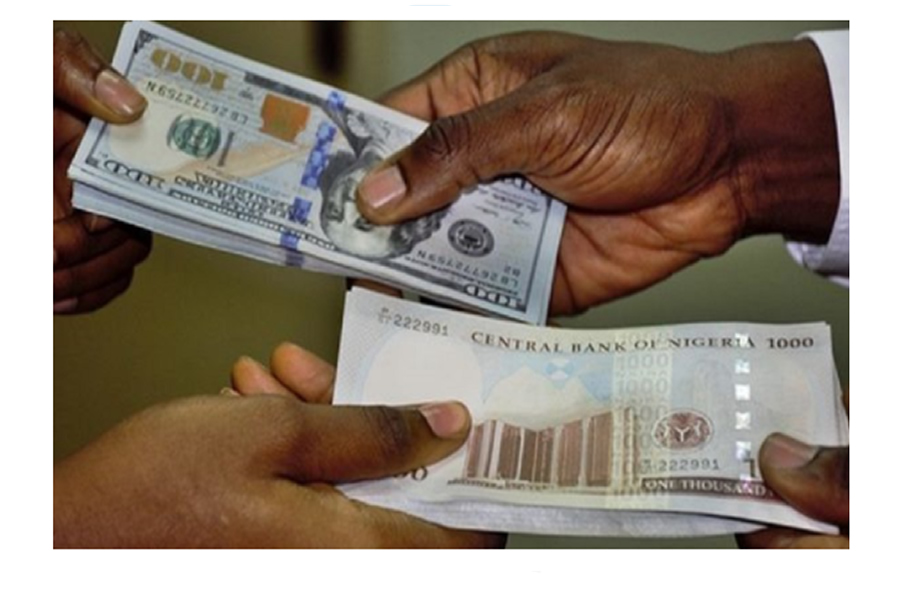
Interest rates on savings accounts in Nigeria vary so dramatically right now that two people earning the same salary can end up in completely different financial positions at the end of the year, simply because of where they chose to keep their money. A standard savings account at one of the big commercial banks might pay you somewhere between 4% and 8% per annum. Meanwhile, a locked savings product at a regulated fintech microfinance bank can return up to 28%. That gap is not a marketing trick. It reflects a real divergence in how different institutions manage liquidity and compete for deposits in a high-interest-rate environment.
The Central Bank of Nigeria has kept its benchmark Monetary Policy Rate elevated through 2025 into 2026, which has pushed yields on government instruments and, by extension, fixed deposit and high-yield savings products to historically high levels. Understanding where those rates are, and under what conditions they actually apply, is what this article sets out to do.
Best Savings Account in Nigeria in 2026
The best savings account in Nigeria in 2026 is not a single product. It depends entirely on how long you can leave your money untouched, how much you are starting with, and whether you need the safety net of NDIC insurance or the higher ceiling that some fintech platforms offer. What is clear across all categories is that the difference between the worst and best rates on the market is enormous, often more than 20 percentage points, and that difference compounds into a significant sum over any meaningful period.
What the Traditional Banks Actually Offer
The major commercial banks, among them Access Bank, Zenith Bank, GTCo, UBA, and First Bank, have never been the competitive destination for savings interest. Their standard savings accounts pay somewhere in the range of 4% to 7% per annum for most customers, which at Nigeria’s current inflation environment means money left in those accounts is losing purchasing power in real terms every single month.
Access Bank operates something of an exception within the commercial bank category through its High Interest Deposit Account, commonly referred to as HIDA. This is a tiered product: balances below 100,000 naira earn 7.95% per annum, balances between 100,000 and 4,999,999 naira earn 8.35%, and balances that reach 100 million naira or above earn 11% per annum. The account comes without a debit card attached, which is deliberate: the design discourages casual spending from funds meant to be saved. Customers get four free withdrawals per year before interest is affected. By commercial bank standards, this is a well-structured product. Compared to what regulated fintech institutions are offering, it still lags considerably.
Stanbic IBTC’s MaxYield account takes a similar tiered approach, linking interest to a percentage of the Monetary Policy Rate. The bank also applies a bonus interest rate for customers who maintain balances above 100,000 naira and limit themselves to one withdrawal per month. GT Target, GTCo’s goal-based savings product, pays 8% per annum. Globus Bank’s tenured deposit products sit at 7%. These numbers are not negligible, but they exist in a different league from what the fintech and digital bank space is offering.
Fixed deposit accounts at the major commercial banks move closer to competitive territory. Rates of 12% to 18% per annum were common among tier-one banks through 2024 into 2025, depending on tenor and amount. These require funds to be locked for agreed periods of 30, 60, 90, 180, or 360 days, and early withdrawal typically carries a penalty on accrued interest.
Renmoney: The Highest Rates from a Regulated Microfinance Bank
Renmoney, licensed by the CBN as a microfinance bank and insured by the NDIC, has positioned itself as one of the most aggressive competitors on savings interest rates among regulated Nigerian financial institutions. The bank offers three distinct savings products, each designed for a different saver profile.
RenVault is Renmoney’s fixed deposit product and carries the highest rate: up to 28% per annum for funds locked for a fixed term. A notable feature is that customers can choose to receive their interest upfront at the time of investment, meaning you collect your return immediately rather than waiting for maturity. This is particularly useful for savers who want capital for short-term purposes while keeping the principal working. Early withdrawal from RenVault carries a penalty of 30% of total accrued interest, so this product requires genuine commitment to the selected tenure.
RenFlex is the flexible counterpart, paying up to 17% per annum with daily interest accrual and no withdrawal penalties. For a fully liquid savings product, 17% is significantly above the market average for flexible accounts, which generally cluster between 8% and 13% among fintech competitors. The minimum starting amount across Renmoney’s products is 1,000 naira. Renmoney’s Smart Goal product sits between the two, paying up to 16% for goal-based automated savings with regular deductions on a schedule the customer sets.
FairMoney and VFD: Strong Competition in the Locked-Savings Category
FairMoney, another CBN-licensed digital bank, is a credible competitor at the upper end of the locked savings market. Its FairLock product offers rates between 17% and 28% per annum, with the rate scaling based on how long the funds are locked. FairSave, the flexible equivalent, pays 17% per annum with daily interest and no withdrawal penalties.
One thing to approach carefully with FairMoney is the promotional headline rate. The platform has advertised up to 30% interest, but this applies only to very short-term promotional windows of around seven days for new users. It is a marketing entry point, not a sustainable rate across the product. The actual long-term locked rates on FairLock are the more meaningful numbers to evaluate, and they remain competitive within the 17% to 28% range depending on tenure.
VFD Microfinance Bank is a less widely discussed option but worth attention for savers who want strong returns from an institution with a longer track record in the digital banking space. Their fixed deposit plans offer up to 21% per annum. The bank has been operating longer than several of the newer fintech entrants, which may matter to more conservative savers evaluating institutional risk.
PiggyVest: Nigeria’s Most Used Savings Platform
PiggyVest, which began as Piggybank.ng in 2016, now counts close to six million registered users and has processed well over two trillion naira in total savings. It is not necessarily the highest-rate product on the market, but it remains one of the most trusted, in part because of its strict savings structures that prevent impulsive withdrawals.
The SafeLock product is PiggyVest’s highest-yielding option: up to 15.5% per annum on funds locked for a customer-chosen period between 10 and 1,000 days. The rate scales with duration. PiggyVest’s automated savings feature, Piggybank, pays somewhat lower rates but allows regular automated deposits on whatever frequency the user sets. Withdrawals from locked plans before maturity are not permitted without penalty, which is the point: the product is specifically designed for people who want an enforced savings discipline.
PiggyVest is regulated and partnered with licensed financial institutions. It is not itself a CBN-licensed bank, so NDIC insurance applies through its institutional partners rather than directly. For most users saving reasonable amounts, the practical safety risk is low, but it is a structural difference worth understanding compared to depositing directly with a CBN-licensed microfinance bank.
Kuda Bank and Cowrywise: The Everyday Savings Layer
Kuda Bank, which has over seven million users and is fully CBN-licensed and NDIC-insured, offers savings products primarily as complements to its zero-fee banking model. Its Pockets automated savings feature pays up to 14% per annum, while its fixed savings option earns up to 12%. These are not the highest numbers on the market, but they come backed by full NDIC coverage and within the most widely used digital banking app in Nigeria. For someone who wants savings integrated directly into their main banking account, Kuda represents a practical and relatively well-protected option.
Cowrywise operates differently from pure savings apps. It functions as a hybrid between a savings platform and an investment manager, channeling user funds into SEC-regulated mutual funds rather than offering a fixed interest rate. The practical effect is that returns are not guaranteed: they track the underlying fund performance. In the current environment, Cowrywise savings plans have been returning approximately 13.27% for emergency fund plans and 13.85% for goal-linked plans such as rent, study, or car purchases. These numbers are lower than what Renmoney or FairLock offer, but Cowrywise’s model is structurally different. The returns come from fund management rather than deposit taking, which changes the risk and regulatory profile.
Treasury Bills: The Government-Backed Alternative
No comparison of savings options in Nigeria is complete without addressing Treasury bills. T-bills are issued by the federal government through CBN auctions, which makes them essentially risk-free in naira terms. They are the lowest-risk savings instrument in the market. As of early 2026, yields at primary market auctions have been in the range of 18% to above 22% depending on tenor and the specific auction, driven by the CBN’s tight monetary policy stance.
The practical complication with T-bills is access. Participation in primary market CBN auctions directly typically requires large amounts (around 50 million naira and above) and goes through stockbrokers or bank treasury desks. Retail access is available through money market funds managed by licensed asset managers such as Stanbic IBTC Asset Management and FBN Quest, as well as through platforms like Cowrywise. Money market funds investing in T-bills typically yield 2 to 3 percentage points below the T-bill rate itself, bringing real returns for retail savers into the 14% to 18% range, but with daily liquidity that T-bills themselves do not provide.
Interest on T-bills is paid as an upfront discount. If you buy a 364-day T-bill at a 20% yield with a face value of one million naira, you pay approximately 833,333 naira today and receive the full million at maturity. The discount is your interest, received immediately at purchase.
What Inflation Means for All These Numbers
Every rate cited in this article needs to be read against the inflation backdrop. Nigeria’s inflation rate has remained well above 20% for an extended period. A savings product paying 8% per annum is not just offering low returns: it is delivering a negative real return after accounting for inflation. Even products in the 13% to 17% range may still be preserving wealth rather than genuinely growing it in real terms, depending on which measure of inflation applies to any given person’s spending basket.
This does not make saving pointless. It means that evaluating accounts purely on headline interest rates is insufficient. The real question is whether your savings strategy is at minimum keeping pace with inflation, and whether the products you are using have the flexibility to adjust as monetary conditions change. T-bill yields and fixed deposit rates from regulated institutions at least offer the possibility of real returns when rates are high, which is the environment Nigeria has been in.
Dollar-Denominated Savings: The Hedge Option
A portion of the Nigerian savings market is not focused on naira interest rates at all. Given the consistent depreciation of the naira against the dollar over recent years, some financially active Nigerians keep part of their savings in dollar-denominated accounts as a hedge, even when the dollar interest rate itself is low.
PiggyVest offers a dollar savings product called Flex Dollar, paying approximately 6% per annum in dollar terms. Commercial bank domiciliary accounts typically pay under 1% per annum in dollar interest, but the naira value of those savings rises if the exchange rate moves in dollar terms. The calculation here is not about the dollar interest rate alone: it is about the combined effect of dollar interest and any naira-to-dollar movement. This is not a savings strategy for everyone, and it introduces its own form of risk if the naira strengthens. But it is a real part of how many Nigerians with access to dollar income structure their savings.
How to Choose: A Practical Framework
The right savings account depends on three things: how long you can leave the money untouched, how much you are starting with, and how much institutional risk you are comfortable carrying.
For maximum rate with strict locking: Renmoney RenVault (up to 28%) or FairLock (17% to 28%) are the most competitive regulated options. Both require commitment to a tenure, and early withdrawal carries penalties. RenVault’s option to collect interest upfront is a useful feature if you want to deploy returns while keeping the principal locked.
For high rates with flexibility: Renmoney RenFlex at up to 17% per annum with no withdrawal penalty stands apart from most flexible competitors. FairSave offers a comparable 17% with similar flexibility. These are the strongest combination of accessibility and return in the current market.
For regulated safety with moderate rates: Kuda’s fixed savings at up to 12% come with full NDIC insurance through a CBN-licensed digital bank. Access Bank HIDA offers 7.95% to 11% depending on balance tier, also fully insured, with the institutional backing of one of Nigeria’s largest commercial banks.
For government-backed returns: Treasury bills remain the benchmark for risk-free naira savings. Yields of 18% to 22% or above at recent auctions are the highest available returns from instruments with no institutional default risk. Access through money market funds brings some of this yield to retail savers without the minimum investment threshold.
Rates at a Glance: Key Products Compared
The table below summarises the rates and liquidity profiles across the main categories covered in this article. All rates are as of early to mid-2026 and are subject to change based on monetary policy conditions and platform decisions.
| Platform | Product | Rate (p.a.) | Liquidity |
|---|---|---|---|
| Renmoney | RenVault (locked) | Up to 28% | Fixed term |
| Renmoney | RenFlex (flexible) | Up to 17% | Anytime |
| FairMoney | FairLock | 17% to 28% | Fixed term |
| VFD Microfinance | Fixed Deposit | Up to 21% | Fixed term |
| PiggyVest | SafeLock | Up to 15.5% | Fixed term |
| Kuda Bank | Pockets (auto-save) | Up to 14% | Flexible |
| Cowrywise | Regular Savings | 13.27% to 13.85% | Goal-based |
| Access Bank | HIDA | 7.95% to 11% | Tiered / 4 free withdrawals |
| Treasury Bills | FGN T-bills | 18% to 22%+ | Fixed tenor |
What the Rates Tell You
The Nigerian savings market in 2026 is genuinely competitive at the top end. The gap between what a standard commercial bank savings account pays and what a regulated fintech microfinance bank or T-bill offers has never been wider. For anyone with even a moderate amount of money sitting idle in a regular account, the cost of that inertia, in naira terms, is real and measurable.
The institutions offering the highest rates are not unregulated. Renmoney, FairMoney, Kuda, and VFD are all CBN-licensed and NDIC-insured. What they offer more than the commercial banks is a higher tolerance for attracting deposits through interest rates rather than through branch networks and legacy relationships. That competition has produced a market where disciplined savers with the willingness to lock their money for defined periods can earn returns that at least partially offset inflation, something that simply was not available in this space five years ago.
The caveat that applies to all of it: rates change. The monetary policy environment that produced 18% T-bill yields and 28% fixed deposit rates at microfinance banks is a function of specific CBN policy decisions. As those conditions evolve, so will the rates. Checking current figures directly on any platform before committing funds is not optional advice. It is the basic discipline that makes any savings strategy reliable.