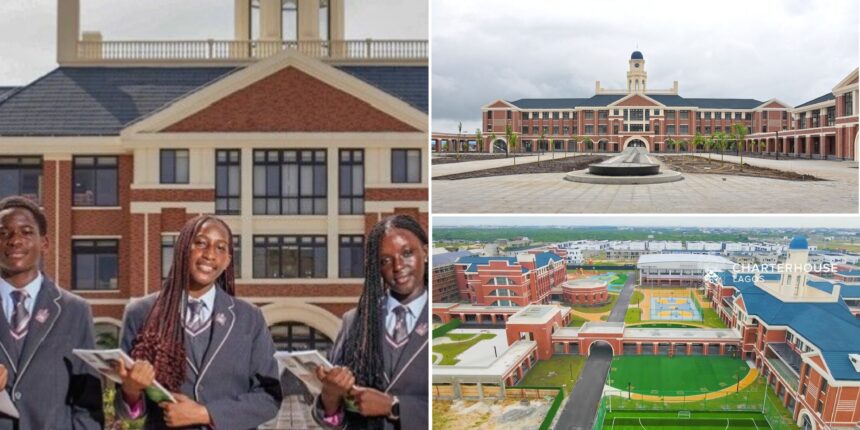
Before the gates even open fully, there is already a sense that this is not a typical school environment. The structure of the conversation around it often begins long before a child ever sits in a classroom, shaped by numbers that immediately draw attention and raise questions about what exactly sits behind those figures. The idea of a school where early primary education carries a multimillion naira commitment creates a strong curiosity that goes beyond education alone, reaching into lifestyle, planning, expectation, and long term family decisions that stretch across years.
What makes the conversation even more compelling is how quickly details circulate once they enter public discussion. Fee structures, entry requirements, curriculum design, and facility descriptions tend to travel faster than official brochures, creating a layered perception that mixes verified information with public interpretation. At the center of this discussion is one institution that has consistently been referenced in conversations about premium education in Lagos, where structure, curriculum, and environment are positioned at a global standard.
Charterhouse Lagos Profile Setting Context

Charterhouse Lagos situated at Ajah, Lekki, Lagos stands within a category of schools designed around a British independent education model adapted for Nigeria. Its structure is built to reflect a long standing tradition of academic systems that prioritize early foundation learning, structured progression, and a wide blend of academic plus extracurricular development.
The school operates within a framework that aligns with international standards, and that alignment influences not only curriculum but also staffing, facilities, and student experience design. From early years through secondary levels, the institution positions itself as a complete academic pathway that spans primary education through advanced level studies, creating continuity that appeals to families seeking long term educational stability.
As of the 2026 to 2027 academic cycle, attention has increased around its fee structure, particularly for entry levels, where primary education figures have become a focal point of public discussion.
Entry Structure Overview
Admission into the institution follows a structured process that begins with application submission and progresses through assessment stages designed to evaluate academic readiness and developmental fit. The entry process is not positioned as a simple enrollment procedure but rather a phased selection approach that reflects the school’s positioning within the premium education category.
Application related payments are required before assessment begins, establishing a formal commitment from prospective families. These early financial steps are often discussed alongside tuition because they form the first layer of cost engagement before any academic term begins.
Once admission is offered, registration confirms placement and transitions the student into the academic system where tuition obligations begin to apply according to year group classification.
Application Entry Fees Structure
Application fees are reported at approximately ₦2,000,000, presented as a non refundable payment required before consideration continues. This fee functions as an entry gateway into the admission process and is separate from academic tuition.
Registration fees are reported around ₦250,000, although variations exist depending on intake conditions or specific cohort arrangements. In some cases, adjustments or waivers have been noted for founding intake categories, reflecting flexible structuring during early operational phases.
These early payments form the first financial layer of engagement and set the tone for the broader cost structure that follows once a student is officially enrolled.
Primary School Tuition Framework
Primary education represents one of the most discussed segments of the school’s fee structure due to the significant figures associated with early year learning. For Years 1 to 6, tuition is structured progressively, reflecting increasing academic depth and resource allocation as students advance.
Year 1 to Year 2 tuition is positioned around ₦23,000,000 per year under standard rates, with some adjusted founding cohort figures reported at lower ranges depending on intake timing and category classification. Year 3 to Year 4 tuition rises to approximately ₦24,500,000 per year, reflecting expanded academic engagement and developmental progression. Year 5 to Year 6 tuition reaches around ₦26,000,000 per year, aligning with preparation for secondary transition and more intensive academic expectations.
The Primary 1 figure of ₦23,000,000 has become particularly notable because it represents the entry point into formal education within the institution, creating a reference benchmark in broader discussions about private education cost structures in Lagos.
Secondary School Tuition Pathway
Secondary education within the institution continues the structured progression model, with fees increasing based on academic level and curriculum intensity. Years 7 and 8 are positioned around ₦31,000,000 per year under standard structure, with variations reported for founding intake categories.
Year 9 tuition is positioned at approximately ₦35,000,000 per year, reflecting examination preparation stages and increased academic workload. Years 10 to 12, which cover advanced level studies, are reported within a broader range between ₦30,000,000 and ₦46,000,000 depending on program selection, subject combinations, and academic pathways.
This tiered structure reflects a system designed around progressive academic specialization, where each stage builds on the previous one with increased resource allocation and subject depth.
Boarding Structure Overview
Boarding options are offered separately from tuition, creating an additional layer of cost depending on family preference and student need. Weekly boarding arrangements are reported within a range of approximately ₦5,000,000 to ₦10,000,000 per year depending on structure and service level.
Full boarding options extend further, with estimates ranging between ₦7,000,000 and ₦35,000,000 per year depending on package selection, level of care, and additional services included.
Boarding is designed to provide a structured residential environment that supports academic focus, extracurricular engagement, and supervised student development throughout the academic year.
Total Cost Structure Overview
When tuition, entry fees, and supplementary costs are combined, the financial structure expands significantly beyond base academic fees. A typical student may encounter tuition ranging between ₦23,000,000 and ₦35,000,000 annually depending on year level, while entry related payments add additional initial commitments.
Additional expenses such as uniforms, transportation, meals, learning materials, and extracurricular activities contribute further, often estimated between ₦1,000,000 and ₦5,000,000 annually depending on usage patterns and selected services.
When boarding is included, total annual expenditure can extend beyond ₦40,000,000 depending on program selection and residential arrangement. This layered cost structure reflects a comprehensive educational model that integrates academics, lifestyle support, and extended student services.
Academic Model Structure
The academic system follows a British curriculum framework that includes early years development, primary education foundations, secondary school progression, and advanced level preparation. This structure is designed to ensure continuity across all stages of learning, allowing students to transition smoothly through increasing levels of academic complexity.
Curriculum elements include literacy development, numeracy progression, science foundation work, digital learning integration, and creative development pathways. At higher levels, subject specialization becomes more pronounced, preparing students for international examinations and potential global university pathways.
The structured academic model plays a key role in shaping the overall cost structure, as each stage requires specialized teaching resources, learning materials, and academic supervision systems.

Facilities Development Structure
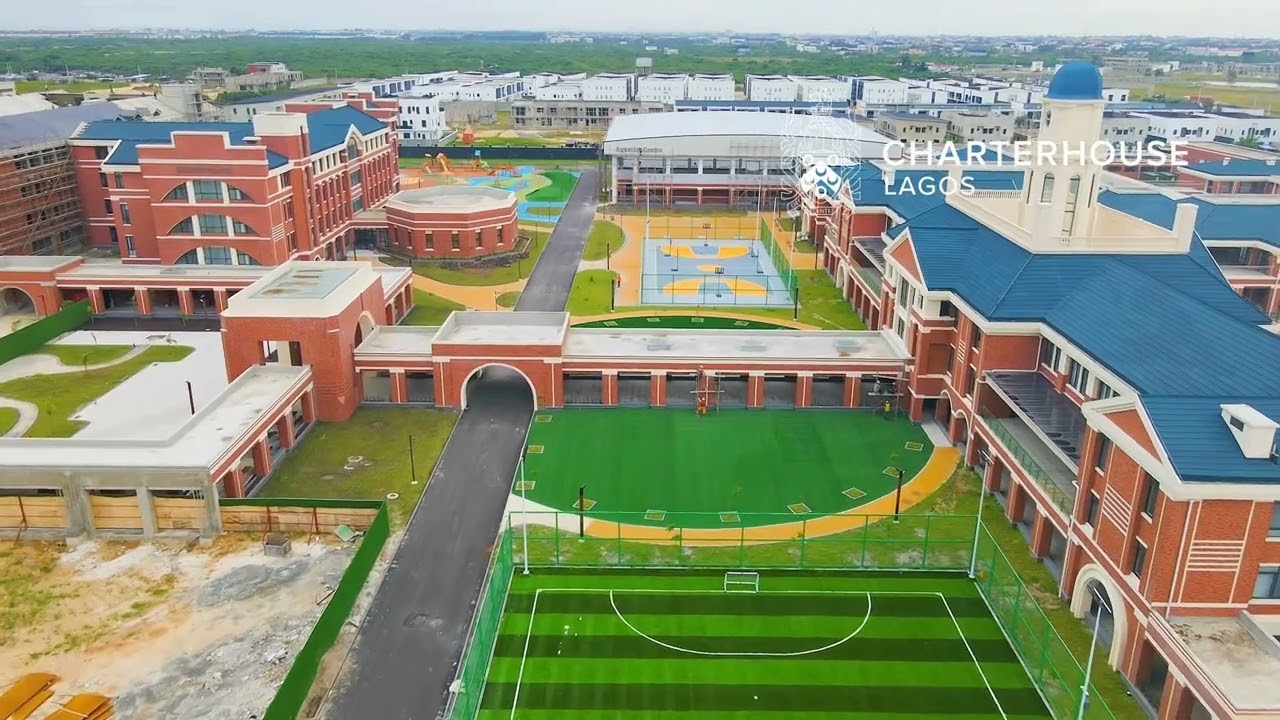
Facility development forms a central component of the school’s positioning within the premium education segment. Infrastructure planning includes modern classroom environments, science laboratories, creative arts spaces, sports facilities, and technology enabled learning centers.
Plans also include large scale performance spaces, sports development areas, and innovation hubs designed to support both academic and extracurricular growth. These facilities are structured to align with international school standards, ensuring that students experience a learning environment comparable to global educational institutions.
The scale of infrastructure investment contributes significantly to operational costs, which is reflected in tuition and associated fees.
Global Education Positioning
The institution’s model aligns with international education standards, positioning it within a network of schools that follow similar British independent education frameworks. This positioning influences staffing, curriculum design, assessment methods, and student development approaches.
Teachers are often recruited with international experience or specialized training in British curriculum delivery, ensuring consistency in academic standards. This global alignment supports students who may transition to universities outside Nigeria, particularly in the United Kingdom, Europe, or North America.
The focus on global readiness shapes both academic structure and financial planning within the institution.
Concluding Lens
The structure of fees, curriculum, facilities, and academic progression creates a layered educational model that extends beyond basic classroom learning. From entry level payments to advanced academic stages, each component reflects a system designed around long term educational development within a premium framework.
Primary 1 fees reported at ₦23,000,000 stand as a defining reference point in public discussions, not only because of the number itself but because of what it represents within the broader context of private education in Lagos. As families evaluate long term educational pathways, such figures become part of larger conversations about investment, opportunity, and global academic positioning.
Within this landscape, Charterhouse Lagos continues to represent one of the most discussed examples of premium education structure in Nigeria, where academic ambition, infrastructure scale, and financial commitment intersect to shape a distinct educational experience.