
Nigeria’s security conversation has entered another tense chapter after remarks from the country’s top police leadership sparked questions about how far law enforcement powers should go in the fight against crime. A statement centred around illegal firearms quickly moved from a security discussion into a national debate, with Nigerians trying to understand the real meaning behind the words, the legal limits surrounding police operations, and what the directive could mean for everyday citizens.
The controversy came at a time when insecurity remains one of Nigeria’s biggest national concerns. Across several regions, communities continue to face threats linked to armed criminal groups, kidnapping networks, banditry, communal clashes and illegal weapons circulation. The pressure on security agencies to respond firmly has continued to grow, but so has public demand for accountability whenever the use of force is involved.
The situation became more complicated when reports describing the police position used the phrase “shoot on sight”, a phrase that immediately attracted public attention because of its serious implications. While the issue appeared to be about confronting people carrying illegal weapons, the reaction focused on whether such powers could be misunderstood or wrongly applied during security operations.
At the same time, another police directive involving mobile phone searches added to the ongoing conversation about modern policing in Nigeria. The warning that officers should not randomly search citizens’ phones brought back old concerns about privacy, harassment, extortion and the relationship between security agencies and young Nigerians.
Both issues point toward a larger question surrounding policing in Nigeria today. How can security agencies respond strongly to criminals while ensuring that ordinary citizens are protected by clear rules, lawful procedures and respect for their rights?
Benue Security Meeting That Triggered Debate
The controversy surrounding Inspector General of Police Olatunji Disu’s firearms remarks began during a security stakeholders meeting held in Makurdi, Benue State, where security challenges affecting the region were discussed. The meeting came against the background of repeated concerns about attacks, armed groups and the movement of illegal weapons across communities.
Benue has remained one of Nigeria’s states affected by insecurity, with communities facing threats from armed attacks, criminal activities and clashes involving different groups. The presence of illegal firearms has remained a major concern because weapons often play a central role in violent crimes, including kidnapping operations, attacks on rural communities and armed robbery.
Security meetings involving police leadership usually focus on strengthening operational responses, improving intelligence gathering and ensuring officers understand their responsibilities during dangerous situations. The discussion around firearms was connected to the wider challenge of stopping criminals who use weapons to threaten lives and property.
During the meeting, Disu spoke about the responsibilities of police officers when dealing with individuals carrying illegal firearms. The remarks were later reported in ways that created the impression that officers had received approval to immediately shoot anyone found with an illegal weapon.
That interpretation quickly spread across social media platforms and news discussions, creating a nationwide debate about police authority, the use of force and whether the statement represented a new operational order.
The Firearms Statement That Sparked Reactions
The central issue behind the controversy was the interpretation of Disu’s comments. Reports circulating after the meeting suggested that the police chief had instructed officers to deal decisively with anyone carrying illegal firearms.
For many Nigerians, the phrase “shoot on sight” carried a specific meaning. It suggested that anyone found with a weapon could be immediately killed without investigation, arrest or opportunity to explain the circumstances surrounding the possession of the firearm.
The concern grew because Nigeria has experienced several public debates over the actions of security agencies, especially when citizens believe enforcement powers may be applied without sufficient checks. The memory of previous allegations involving police misconduct made the issue particularly sensitive.
However, the Nigeria Police Force later moved to clarify the situation, stating that the remarks were not an instruction for officers to kill people indiscriminately. The police explanation was that the Inspector General was referring to lawful firearm use during security operations rather than giving officers unlimited authority over citizens.
The clarification placed emphasis on existing police guidelines, particularly Force Order 237, which outlines circumstances where officers may deploy firearms while carrying out their duties.
Meaning Behind Force Order 237
Force Order 237 is a police guideline that deals with the use of firearms by officers. The regulation exists to provide direction on when police personnel can legally use weapons during operations.
The police position is that officers are expected to use firearms within established rules, especially when facing situations involving serious threats to life, armed attacks or dangerous resistance. The existence of the guideline means firearm use is not meant to be based on personal decisions or emotions during encounters.
The distinction is important because possession of an illegal firearm alone does not automatically mean an officer has unlimited permission to use deadly force. Law enforcement actions must still consider the circumstances surrounding the situation, including whether there is an immediate threat.
A person carrying an illegal weapon may face criminal consequences under Nigerian law, but enforcement involves procedures such as arrest, investigation and prosecution. The use of deadly force is generally connected to preventing immediate danger rather than acting as punishment.
The police clarification was aimed at separating the fight against armed criminals from the idea of allowing officers to kill without following legal standards.
Why “Shoot on Sight” Created Public Fear
The phrase became controversial because of the weight it carries in public discussions. For many people, “shoot on sight” suggests an automatic action without room for investigation, questioning or legal review.
Such language creates concern because mistakes during security operations can have serious consequences. A person wrongly identified as carrying a weapon, a misunderstanding during an encounter, or an officer exceeding lawful authority could result in irreversible harm.
Nigeria’s history with security operations has made citizens more alert whenever police powers appear to expand. Previous complaints involving unlawful arrests, harassment and excessive force have influenced how many Nigerians interpret statements involving weapons and enforcement.
The debate is therefore not only about fighting criminals. It is also about ensuring that security operations are carried out under clear rules that protect both officers performing dangerous duties and citizens who are not involved in crime.
The challenge facing police leadership is maintaining public confidence while giving officers the authority needed to confront genuine threats.
Illegal Firearms Challenge Across Nigeria
The focus on illegal firearms comes amid wider security challenges affecting different parts of the country. Criminal networks involved in kidnapping, robbery and violent attacks often depend on access to weapons.
Security agencies have repeatedly identified illegal arms circulation as a major factor contributing to insecurity. Weapons obtained through unofficial channels can increase the ability of criminal groups to carry out attacks and intimidate communities.
The Nigerian government and security agencies have continued efforts aimed at reducing the spread of illegal firearms, including operations against criminal groups and investigations into weapons trafficking networks.
Police leadership has argued that officers must be prepared to respond effectively when confronted by armed criminals. Their position is that hesitation during dangerous encounters can expose communities and security personnel to greater risks.
However, the effectiveness of such measures depends heavily on how clearly operational instructions are communicated and how officers apply them on the ground.
Police Clarification After Public Reaction

The reaction that followed the firearms controversy pushed the Nigeria Police Force to provide more explanation about the statement attributed to the Inspector General of Police. The Force maintained that the intention was to strengthen police response against armed criminals, not to create an environment where officers could act without restrictions.
The clarification became necessary because the phrase used in some reports created a different impression from the explanation provided by police authorities. According to the Force, the discussion was focused on the responsibility of officers when dealing with illegal weapons, especially situations where criminals pose immediate danger to lives.
Police authorities stressed that officers remain guided by existing laws, operational procedures and professional standards. The position was that security personnel are expected to distinguish between an armed threat requiring immediate action and situations where normal arrest procedures should apply.
The clarification also highlighted the difference between confronting criminals during violent situations and dealing with citizens during routine encounters. The police argument was that the fight against illegal firearms does not remove the responsibility of officers to operate within the law.
The controversy showed how sensitive security language can become in a country where citizens continue to demand stronger action against criminals while also expecting protection from possible misuse of authority.
Legal Limits Of Police Firearm Use
The major legal issue surrounding the debate is whether the possession of an illegal firearm automatically gives police officers the right to use deadly force. The answer depends on the circumstances surrounding the encounter.
Illegal possession of firearms is a serious offence under Nigerian law, and individuals found with unauthorised weapons can face criminal investigation and prosecution. However, the mere discovery of a firearm does not mean every situation automatically becomes one where deadly force is justified.
Police officers are expected to assess the level of threat before using their weapons. Situations involving armed attacks, direct danger to human life, violent resistance or attempts to escape while posing serious risk may require a stronger response.
The principle behind lawful use of force is that it must be necessary and proportionate to the situation. Security officers have the responsibility to protect lives, but they must also ensure their actions remain within legal boundaries.
This distinction is at the centre of the debate. Stopping an armed criminal during an active threat is different from punishing a person without due process.
Nigeria’s Previous Police Controversies
The reaction to the firearms statement cannot be separated from Nigeria’s long history of public concerns about police operations. Over the years, several complaints have emerged around issues such as unlawful searches, harassment, extortion and excessive use of force.
The most significant recent example was the nationwide #EndSARS movement that began in October 2020. The protests were driven by public anger over allegations involving the Special Anti Robbery Squad, including claims of abuse, illegal detention and misconduct.
Although the movement focused heavily on SARS, it also opened a wider conversation about police accountability, professionalism and the relationship between citizens and security institutions.
Since then, police authorities have repeatedly announced reforms aimed at improving public trust, changing operational practices and addressing misconduct within the force.
Because of this history, statements involving firearms or expanded police powers often receive intense public attention. Many Nigerians want stronger action against criminals but remain concerned about how such powers are used during everyday interactions.
The Wider Security Pressure Facing Police
The firearms discussion emerged at a time when Nigeria’s security agencies are dealing with multiple threats across different regions. Kidnapping, armed banditry, terrorism and communal conflicts continue to place pressure on government institutions.
Security officials have consistently argued that criminal groups with access to firearms represent one of the biggest dangers facing communities. Armed attackers are often able to intimidate residents, disrupt economic activities and target vulnerable populations.
The movement of illegal weapons has therefore become a major focus for security operations. Authorities believe reducing access to firearms can weaken criminal networks and improve safety.
Police officers operating in areas affected by insecurity often face dangerous conditions, including direct attacks from armed groups. This has increased calls for better equipment, stronger intelligence systems and clearer operational support.
However, public confidence depends not only on how aggressively criminals are pursued but also on whether citizens believe security actions are being carried out fairly.
Directive Against Random Phone Searches
While the firearms controversy dominated discussions, another police issue involving citizens’ rights also gained attention. The warning against random searches of mobile phones focused on privacy concerns and the limits of stop and search operations.

The Federal Capital Territory Police Command, led by Commissioner of Police Ahmed Sanusi, reminded residents that officers should not casually demand access to citizens’ phones during roadside checks.
The message was directed particularly toward situations where officers stop people and request to inspect personal devices without clear legal justification.
Modern smartphones contain far more than ordinary personal belongings. A mobile phone can hold private conversations, financial information, business records, photographs, documents and personal accounts.
Because of this, unrestricted access to a person’s device can expose sensitive information that has nothing to do with any criminal investigation.
The police position is that officers should focus on lawful investigation methods rather than turning random phone searches into routine roadside activities.
Background Of Phone Search Restrictions
The issue of police searching phones is not new in Nigeria. Concerns about unauthorised phone inspections became more visible during complaints involving some tactical police units.
On February 17, 2020, the then Inspector General of Police, Mohammed Adamu, directed police officers to stop indiscriminate searches of mobile phones, laptops and other electronic devices.
The directive followed reports that some officers were allegedly using phone searches as a way to intimidate, harass or extort young Nigerians during stop and search operations.
Many complaints involved young people being questioned about their lifestyles, online activities, cryptocurrency applications, social media accounts and contacts stored on their devices.
The police leadership at the time stated that searches of electronic devices should be connected to legitimate investigations rather than carried out randomly.
The policy reflected a growing recognition that digital privacy had become an important part of citizens’ rights in modern Nigeria.
Why Phones Have Become A Security Debate
The debate around phone searches exists because mobile devices now contain a large part of people’s private lives. For many Nigerians, losing control of their phone information can feel like losing control of personal identity.
A person’s device may contain banking applications, work information, family conversations, private photographs and confidential business details.
Allowing unrestricted access to such information can create opportunities for abuse if proper procedures are ignored.
At the same time, security agencies recognise that phones can provide important evidence during criminal investigations. Digital information can help trace fraud networks, kidnapping operations, cybercrime activities and organised criminal groups.
The challenge is creating a system where investigators can access necessary evidence through lawful processes while preventing unnecessary intrusion into citizens’ privacy.
When Police Can Access A Phone
The restriction against random phone searches does not mean police officers can never examine electronic devices. The issue is the method, reason and legal process involved.
When a phone is connected to a criminal investigation, authorities may take steps to examine it through proper procedures. This usually involves lawful arrest, investigation and evidence gathering according to established rules.
The difference is that an officer stopping someone at a roadside checkpoint cannot simply demand to scroll through private messages, photographs or applications without justification.
The police message is that professional policing should depend on intelligence and investigation rather than random searches of personal devices.
The goal is to ensure that citizens cooperate with security agencies while also knowing that their privacy rights remain protected.
Citizens’ Response During Police Encounters
The issue of police searches, whether involving firearms or mobile phones, has highlighted the importance of how citizens respond during encounters with security personnel. While Nigerians have the right to question actions they believe are unlawful, security situations can also become dangerous when conversations turn into confrontation.
Police authorities have consistently advised citizens to remain calm during interactions with officers, avoid physical resistance and seek lawful channels for complaints when misconduct occurs.
When an officer requests access to a phone, citizens can respectfully ask the reason for the request and whether it is connected to a lawful investigation. A calm approach helps reduce tension while allowing the person to understand the basis of the demand.
Citizens are also encouraged to document incidents where possible and report cases of alleged misconduct through official complaint channels. Accountability depends not only on police reforms but also on the willingness of the public to report actions that violate established procedures.
The balance is important because effective policing requires cooperation between security agencies and communities. Citizens need protection from abuse, while officers need public support to perform their duties effectively.
Previous Phone Search Controversies
Phone searches have repeatedly generated public debate in Nigeria, especially because many young Nigerians have reported experiences involving roadside checks and demands to inspect personal devices.
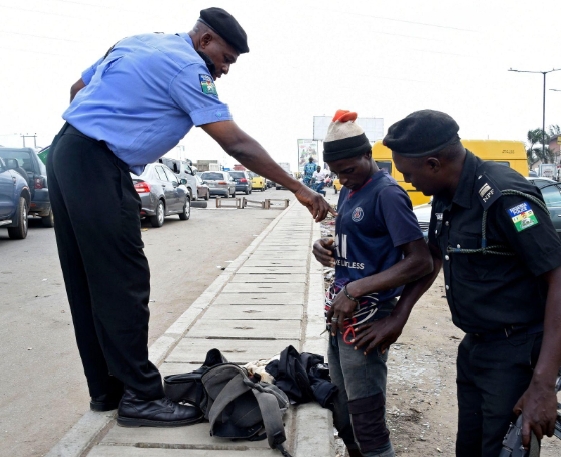
The issue became closely linked with complaints against some tactical police units, where individuals alleged that officers targeted them because of their appearance, gadgets, online activities or lifestyle.
A viral video that circulated in 2024 renewed discussions about police phone searches. The footage showed an officer inspecting a commuter’s phone, leading to widespread reactions online.
However, fact checks later revealed that the incident was from 2022, not 2024. The officer involved had already faced disciplinary action after investigations found violations connected to the search.
The incident reinforced concerns that unauthorised phone searches could damage public confidence and create opportunities for abuse if officers ignore existing directives.
Security Needs Versus Privacy Rights
The firearms debate and the phone search directive appear different, but they are connected by one major issue, the limits of police power.
Security agencies are expected to protect lives, prevent crime and respond quickly to threats. This responsibility becomes more difficult when criminals operate with sophisticated methods, illegal weapons and digital tools.
At the same time, citizens expect that security measures will not remove their basic protections. A society that values security must also maintain trust between the people and the institutions responsible for enforcing the law.
The firearms controversy focuses on the power to use force, while the phone search issue focuses on access to personal information. Both situations require clear rules that prevent confusion and misuse.
The future of policing in Nigeria depends on whether security agencies can combine strong crime fighting methods with professionalism, transparency and respect for lawful rights.
The Role Of Police Leadership
The statements from police leadership show an attempt to address two major challenges facing law enforcement in Nigeria. One is the need to confront violent criminals more effectively, while the other is the need to improve public confidence.
The fight against illegal firearms requires officers to respond decisively when communities are threatened by armed groups. Police personnel working in dangerous areas must have the authority and support needed to protect lives.
However, operational strength must exist alongside discipline. Clear instructions are necessary because unclear statements can create confusion among officers and concern among citizens.
The responsibility of police leadership is not only to issue directives but also to ensure that officers understand the limits of their powers.
Training, supervision and accountability remain important factors in determining whether security policies achieve their intended purpose.
Final Summary
The controversy surrounding IGP Olatunji Disu’s firearms remarks began after statements from a security meeting in Benue State were interpreted by many as a “shoot on sight” order against people carrying illegal firearms.
The Nigeria Police Force later clarified that the statement was not a blanket authorisation for officers to kill anyone found with a weapon. The Force explained that the discussion referred to lawful firearm use under existing police guidelines, including Force Order 237.
The debate highlighted the difference between confronting armed criminals and applying force without due process. Illegal firearms remain a major security challenge, but enforcement must operate within legal boundaries.
The separate directive against random phone searches reflects another major issue in Nigerian policing, the protection of citizens’ privacy during security operations.
Police authorities have maintained that officers should not casually inspect citizens’ phones during roadside checks, while lawful access to devices connected to investigations can still happen through proper procedures.
Together, both controversies reveal the difficult balance Nigeria continues to face. Security agencies must have the tools required to fight crime, but citizens must also be confident that those powers are guided by law, professionalism and accountability.
The future of policing in Nigeria will depend on achieving that balance, where criminals face strong action while innocent citizens continue to enjoy protection under the law.