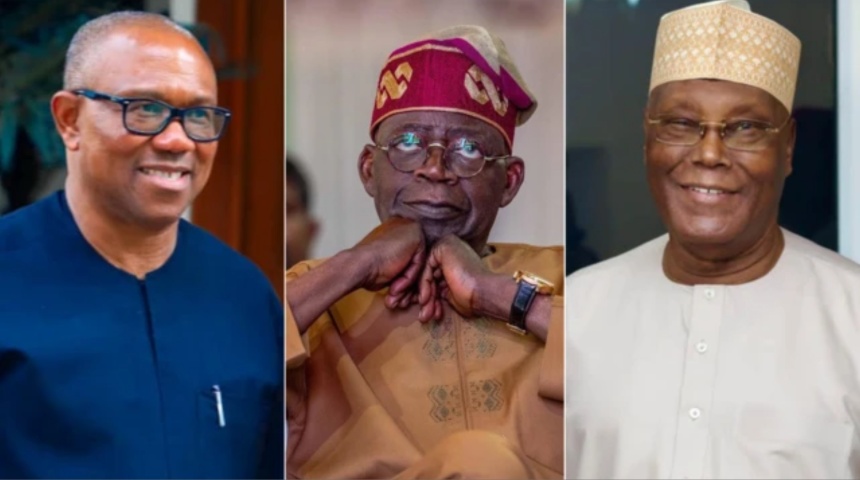
Nigeria’s opposition politics is heating up again, and this time the pressure is coming from an unexpected place: a coalition of concerned citizens rather than the political parties themselves. A group calling itself G100 has pulled together leaders from six opposition parties for a summit in Abuja on Tuesday, August 18, and the goal is as blunt as it gets, build one credible front capable of taking on President Bola Ahmed Tinubu in 2027.
For a political class that has spent the better part of this year drifting into separate camps, the timing of this gathering says a lot. With barely a year to go before campaigns kick into high gear, the question hanging over Abuja isn’t whether the opposition wants change. It’s whether Atiku Abubakar, Peter Obi, Rabiu Kwankwaso and Seyi Makinde can actually sit at the same table and agree on who leads the charge.
Who’s Behind the Summit
The push is coming from G100, a coalition describing itself as a group of concerned Nigerians. On August 2, the group published a seven-page open letter titled “The Doctrine of a Necessary Democratic Opposition,” signed by roughly a hundred people, including former APC deputy national chairman Salihu Lukman, ex-lawmaker Nnenna Ukeje, and Professor Anthony Kila.
The letter didn’t mince words. It warned that Nigeria’s democracy cannot stay healthy without a strong opposition capable of genuinely contesting for power, and it argued that a fragmented opposition helps no one but the ruling party. The group leaned on history to make its case, invoking the G34’s resistance to military self-succession in the 1990s and the “Doctrine of Necessity” that saw Goodluck Jonathan installed as acting president during Umaru Musa Yar’Adua’s prolonged illness, both moments, it said, where national interest overrode personal ambition.
Following that letter, G100 says it held a first round of quiet consultations with leaders across six parties: the African Democratic Congress (ADC), the Nigeria Democratic Congress (NDC), the Peoples Democratic Party (PDP), the Allied Peoples Movement (APM), the Peoples Redemption Party (PRP), and the Social Democratic Party (SDP). In a statement released on Monday by Lukman, the group described those engagements with party chairmen, presidential candidates and running mates as frank and encouraging, adding that discussions were deliberately kept out of the public eye to let leaders speak candidly without the pressure of premature headlines.
That groundwork has now set the stage for the August 18 gathering, which G100 is calling the Summit of Opposition Parties.
Who’s Expected to Show Up
The names attached to the summit read like a who’s-who of Nigeria’s opposition bench. Atiku Abubakar, now flying the ADC flag, is expected alongside Peter Obi and Rabiu Kwankwaso of the NDC. Oyo State Governor Seyi Makinde, who has been positioning the APM as a fresh vehicle for opposition politics, is also on the list. Reports have also linked former Rivers State governor Rotimi Amaechi and former Cross River governor Donald Duke to the process.
According to G100, camps around Atiku, Makinde and the NDC have already signalled they’re open to the conversation. Whether that goodwill survives contact with the actual horse-trading of who becomes the consensus candidate is a different matter entirely.
What the Summit Actually Wants to Achieve
G100 has been careful to frame its role as that of a facilitator rather than a kingmaker. In its own words, the group says it does not intend to dictate outcomes but wants to build confidence and create room for parties to wrestle with tough questions around cooperation, compromise and shared sacrifice.
The bigger prize, though, is unmistakable: a single presidential candidate for the opposition ahead of 2027. G100 has explicitly linked the August 18 summit to the Ibadan Declaration of April 2026, an earlier attempt at opposition unity that produced plenty of goodwill but, in practice, fell apart. Several of the aspirants who attended that Ibadan summit went on to become candidates for different parties, which is exactly the kind of fragmentation this new push is trying to reverse.
Old Wounds, New Attempt
This isn’t the opposition’s first rodeo with unity talks, and that history is precisely why some observers are approaching August 18 with caution. The Ibadan summit in April promised a common front and a shared candidate. Months later, the same leaders who signed onto that declaration are now heading separate parties with separate ambitions.
That track record raises an uncomfortable question for G100’s latest effort: what makes this attempt different? The group’s answer, in its open letter, is that the stakes have grown too large to ignore, warning that while the ruling party consolidates power, a divided opposition only makes that consolidation easier. It’s a fair point, but persuading politicians to step aside from their own presidential ambitions for the sake of a coalition is a much harder sell in a boardroom than it is on paper.
Unsurprisingly, the APC camp isn’t losing sleep over the news. At the unveiling of the Renewed Hope Project 2027 in Abuja, supporters of President Tinubu’s re-election bid dismissed the planned opposition alliance as no real threat, describing the coming-together of Atiku, Obi, Duke and others as an exercise that won’t change much on the ground. The dismissal fits a pattern APC loyalists have leaned on all year: opposition unity talks make headlines, but rarely survive the process of actually picking a flag bearer.
Whether that confidence is justified will depend heavily on what comes out of Tuesday’s meeting, and, more importantly, what happens in the weeks after it, once the cameras are gone and the real negotiations begin.
What to Watch on August 18
A few things will determine whether this summit becomes a genuine turning point or another footnote in Nigeria’s long history of opposition near-misses:
- Attendance itself. Whether Atiku, Obi, Kwankwaso and Makinde all show up in person, or send proxies, will say a lot about how seriously each camp is taking the process.
- Any concrete framework. G100 has stressed it wants to help parties agree on “modalities” for cooperation, watch for whether a timeline or structure for picking a consensus candidate actually emerges, rather than another round of vague commitments.
- PDP’s position. As Nigeria’s traditional opposition heavyweight, how the PDP leadership engages could shape whether smaller parties feel confident joining a broader coalition.
- Reaction from state governors. Opposition-controlled states, including Makinde’s Oyo, could become the political engine room for whatever alliance takes shape.
For now, Nigerians eager for a real contest in 2027 will be watching Abuja closely on August 18. Whether Tinubu ends up facing a united opposition or another scattered field of contenders may well be decided at that single meeting, or in the weeks of quiet negotiation that follow it.