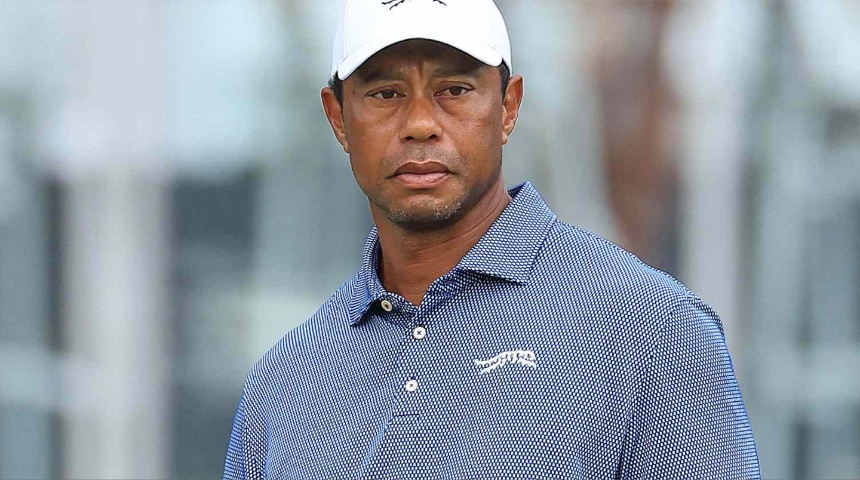
Tiger Woods is back in a Florida courtroom this week, and this time it isn’t for a rules dispute over a dropped ball or a slow-play warning. Court filings made public on Tuesday show that the 15-time major champion is preparing to walk back the not guilty plea he entered back in March, when a rollover crash near his Jupiter Island home landed him in handcuffs and, eventually, in rehab.
The filing, submitted by Woods’ longtime attorney Douglas Duncan, set a change-of-plea hearing for 8:30 a.m. Wednesday, September 2, in front of Martin County Judge Darren Steele. It’s a quiet legal document, but it marks the clearest sign yet that Woods and prosecutors may be closing in on some kind of resolution, five months after a crash that briefly threatened to overshadow everything else happening in his life this year.
How We Got Here: The March Crash on Jupiter Island
Rewind to March 27. Woods was driving his Land Rover on South Beach Road, a quiet residential stretch on Jupiter Island with a 30 mph speed limit, when he crossed a double line, clipped a trailer being towed by a pickup truck, and rolled his SUV onto its side. The truck sustained roughly $5,000 in damage. Woods, remarkably, walked away from the wreck largely uninjured, a small mercy given his history behind the wheel.
Martin County Sheriff’s deputies who responded to the scene noted signs that raised their suspicion, including bloodshot and glassy eyes, dilated pupils, and slowed movements, according to the arrest affidavit. Two hydrocodone pills were reportedly found in Woods’ pocket. He told officers he hadn’t been drinking, insisting instead that he’d been distracted, looking at his phone and fiddling with the radio when the crash happened, though he acknowledged taking “a few” prescription medications earlier that day.
Woods agreed to a breath test, which came back clean for alcohol, but he declined to submit to a urine test. That refusal became one of the two misdemeanor charges filed against him: driving under the influence with property damage, and refusal to submit to a lawful test. He also picked up a careless driving citation.
Days after the arrest, Woods entered a not guilty plea and waived his arraignment, setting up what looked at the time like a case headed toward a lengthy pretrial process, or possibly even a jury trial.
Woods Stepped Away From Golf to Seek Treatment
What followed wasn’t a courtroom battle but a retreat from public life. Woods announced he was stepping away from competition to focus on his health, and a judge granted him permission to leave the country for inpatient treatment, reportedly at a facility in Switzerland. It was a striking moment for a player who has spent more than two decades under relentless scrutiny, and it briefly shelved speculation that he might attempt a comeback at the Masters in April.
Woods didn’t reappear publicly until June 23, when he showed up to help unveil the PGA Tour’s plans to overhaul its 2028 schedule. He didn’t take questions from reporters that day, and he has largely kept his head down since, though he did remain on as chairman of the Tour’s Future Competition Committee even after the arrest, a sign the Tour wasn’t ready to distance itself from him.
In July, the legal case took another turn when Judge Steele ruled that prosecutors could review Woods’ hospital treatment records along with his prescription drug history, though access was restricted to the prosecution team, designated law enforcement, expert witnesses, and Woods’ own defense lawyers. That ruling suggested prosecutors were digging into whether medication, rather than alcohol, played a role in the crash, a detail that could shape whatever plea arrangement eventually gets worked out.
What a Change-of-Plea Hearing Actually Means
A change-of-plea hearing doesn’t automatically mean a guilty plea, but it’s rarely scheduled unless both sides expect the case to move toward resolution. Neither Woods’ camp nor the Martin County State Attorney’s Office has said publicly what he intends to plead, and reporters covering the case say it isn’t yet clear whether a negotiated deal is already in place.
For context, this isn’t uncharted territory for Woods. Back in 2017, he was arrested in Palm Beach County after police found him asleep behind the wheel of a parked car, with a toxicology report later showing a mix of painkillers, anti-anxiety medication, sleep aids, and THC in his system. That case ended with Woods pleading guilty to reckless driving and completing a diversion program for first-time offenders, after which the DUI charge was wiped from his record. Many close to the current case expect a similar outcome this time, given the pattern, though nothing has been confirmed.
Wednesday’s hearing was originally supposed to happen alongside a broader court appearance scheduled for September 8, but the change-of-plea filing moved things up by nearly a week, a sign that Woods’ legal team may have wanted to settle the plea question before that later date.
A Bumpy Year, On and Off the Course
It’s worth remembering this is Woods’ fourth car-related incident in recent memory. In 2021, he survived a serious single-car crash in Los Angeles that damaged his right leg so badly that doctors reportedly discussed amputation. In 2009, his SUV struck a fire hydrant and a tree outside his Orlando-area home in an incident that became tabloid fodder for entirely different reasons. Each crash forced Woods away from competitive golf for a stretch, and this year’s has been no different, he has yet to return to tournament play since March.
Even while sidelined, Woods has stayed engaged with the sport from a distance. This past Sunday, he congratulated Scottie Scheffler on X after Scheffler capped a dominant season by winning the Tour Championship, claiming a second FedEx Cup title, and surpassing Woods for the most career earnings in PGA Tour history. “Three wins, five runner-ups and finishing the season No. 1. Those are some numbers to be proud of,” Woods wrote. “Incredible consistency all season long. Congrats on a historic season, Scottie.”
What Comes Next
Beyond Wednesday’s hearing, Woods is expected back in a Martin County courtroom around mid-September, though a precise date hasn’t been made public. Whether the DUI charge ends in a diversion program, a plea deal, or something else entirely should become clearer once the change-of-plea hearing wraps up. For now, neither Duncan nor the State Attorney’s Office has responded to requests for comment on what exactly Woods plans to tell the judge.
What’s certain is that golf’s biggest name is once again navigating a very public legal process, this one arriving at a strange moment in his career, five months removed from competition, a season in which his own career earnings record fell to a rival, and no clear timeline yet for when, or if, he’ll tee it up again. We’ll update this story as more details from the Martin County courtroom become available.