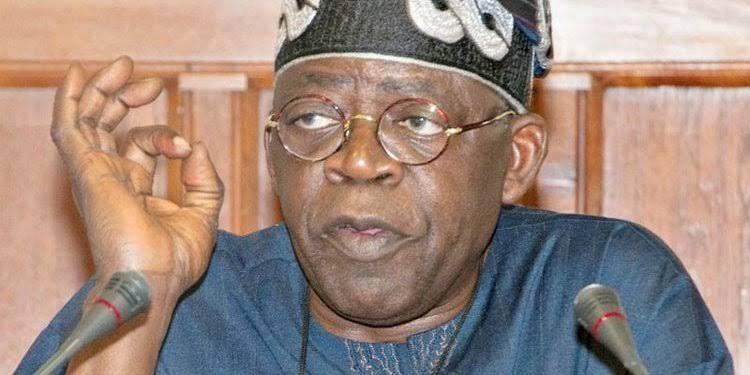
While the South West may be considered the president’s stronghold, he does not have the entire region locked down. For months now, there have been uncomfortable grumbles and growing discontent among many in the region about his administration. Many have become disenchanted with his government amid deepening economic hardship that is occasioned by his neoliberal economic policies.
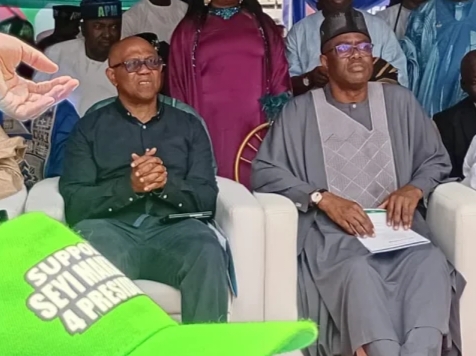
The 2027 presidential election race is heating up and gathering dizzying momentum, with all major dramatis personae scheming and plotting to beat their opponents to the finish line and clinch the ultimate prize of the Nigerian presidency. On Monday, Oyo State Governor and presidential candidate of the Allied Peoples Movement, Seyi Makinde, commissioned his presidential campaign office in Abuja on Monday.
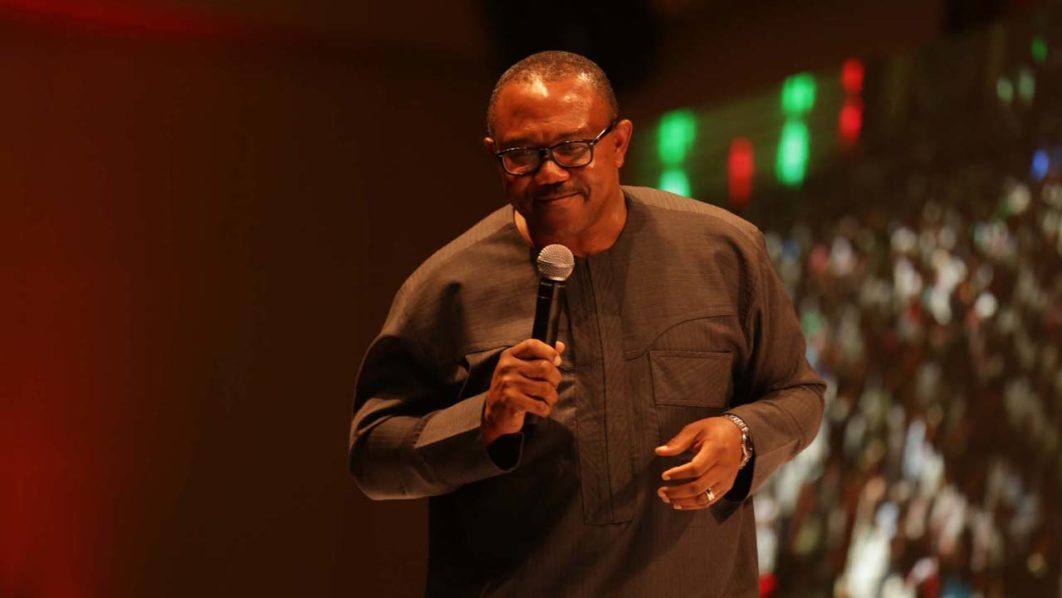
However, the function was eclipsed by another spectacle at the same event. The notable presence of Nigeria Democratic Congress (NDC) presidential candidate, Peter Obi, at the event raised eyebrows. And if his presence at the event came as a surprise to many, his speech there sparked confusion that elicited intense debate among Nigerians. As if his presence at the occasion is not enough, Obi went on to rally support for Makinde’s presidential ambition, saying he is qualified to contest for the presidency.
It is hard to tell if Obi’s action was a calculated political gambit to strengthen his chances of winning next year’s presidential poll or if he is unknowingly playing Russian roulette with his presidential ambition and hoping he does not get hit. Obi stated that, “What we are doing today is to show you that, for us, we don’t have desperation. We want the people of Nigeria to make their choice. Whoever they choose, all of us will come together to build a new Nigeria. We can’t all continue the way we are going today. Our people are hungry. Our people are poor. Our people are insecure. Whoever wins, genuinely, from a free, fair and credible election, we all want to work together to save this country from collapse.”
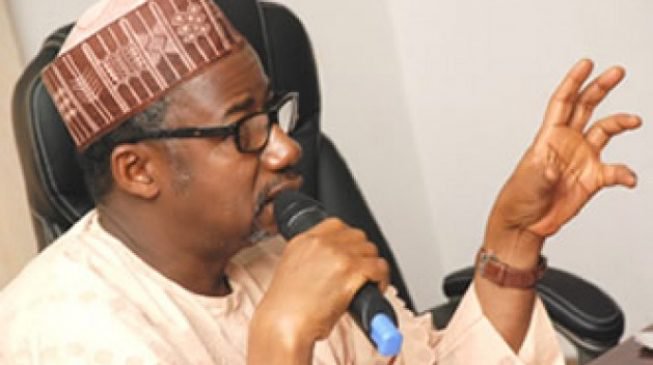
While Obi has framed his attendance at the function as some sort of politics-devoid-of-animosity trope and an arrangement rooted in altruism and national interest, many feel there is more to the gathering than what the former Anambra governor has let on. The view and assessment of many political observers and keen Nigerians is that this is a move to shore up Obi’s political fortunes in the South West, which many believe is the stronghold of President Bola Tinubu. Even though the time to build and form any feasible and formidable coalition has long passed, Obi, Makinde and Bauchi state governor, Bala Mohammed, will be hoping their alliance and whatever they are planning to achieve with it will be enough to upend the applecart.
For many, it is less about Makinde’s presidential ambition but more about Obi’s strategy to clinch the presidency. Obi, Makinde and other influential politicians that are part of this alliance may be looking at two key strategies to achieve their aim of undercutting Tinubu’s electoral strength in the South West. One is for Makinde to stay in the presidential race and contest the election proper in the hope that he would secure significant votes in Oyo and a pocket of places in other South West states and, in the process, deny Tinubu and the APC their commanding majority in the region.
The second option will be for Makinde to drop out of the presidential race and throw his weight behind Obi and direct his supporters to vote for the NDC candidate, hoping that will be enough to help Obi make massive inroads in the region and swing the electoral pendulum in his favour. Whatever the case may be, there is no doubt the bromance between Makinde and Obi will create some concern in Tinubu’s camp. While the South West may be considered the president’s stronghold, he does not have the entire region locked down. For months now, there have been uncomfortable grumbles and growing discontent among many in the region about his administration. Many have become disenchanted with his government amid deepening economic hardship that is occasioned by his neoliberal economic policies.
When the growing disillusionment among Tinubu’s kinsmen about his uninspiring handling of the economy and the general troubling state of the nation is combined with the emergence of a formidable presidential candidate from his region, who has enough clout and influence to undermine the president’s chances at the poll, then the president has some worrying to do. Even though one cannot say with any degree of certitude what the real details of Makinde and Obi‘s plans are beyond what we see in public, what is certain is that whatever they are up to will definitely have a profound impact on the outcome of the presidential election.