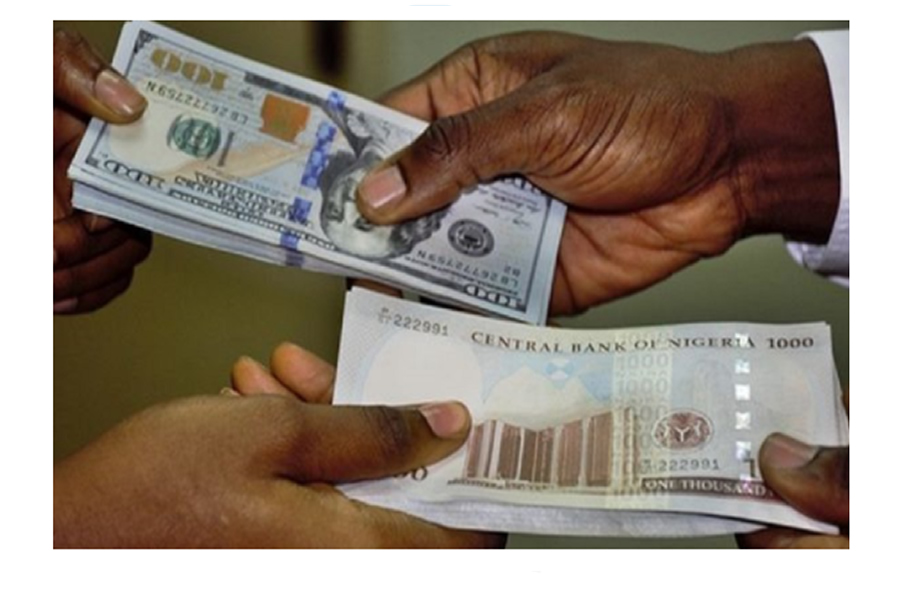
Lagos traders opened Thursday’s session with the naira sitting comfortably in the range it has occupied for most of September, firm by recent standards, but still carrying a wide enough gap to the parallel market to keep the “aboki” question relevant for anyone sending money home or settling school fees abroad.
As of today, September 18, 2026, the dollar is exchanging for around ₦1,331 at the official Nigerian Foreign Exchange Market (NFEM), the Central Bank of Nigeria’s benchmark trading window. On the streets, in the black market widely referred to as the parallel or “aboki” market, dealers in Lagos, Abuja, and Port Harcourt are quoting buy rates near ₦1,382 and sell rates closer to ₦1,392.
Today’s Rates at a Glance
| Market | Buy Rate (₦) | Sell Rate (₦) |
|---|---|---|
| CBN Official (NFEM) | 1,330.86 | 1,331.28 |
| Black Market (Parallel) | 1,382 | 1,392 |
| Intraday range (Investing.com) | 1,330.47 | 1,333.14 |
Those numbers move throughout the day, the CBN publishes a volume-weighted average once trading closes, while black-market quotes shift almost hour to hour depending on who’s buying and who’s holding cash. If you’re changing money today, treat these as a guide rather than gospel, and always confirm with your BDC operator or bank before a transaction.
What’s Been Happening to the Naira This Month
To understand where the rate sits today, it helps to look at where it’s been. September opened with genuinely good news for the currency: on September 1, the naira closed at ₦1,329 per dollar, its strongest level in more than two years and the first time it had traded below ₦1,330 since May 2024. That followed a steady climb through mid-August, when the dollar was still fetching close to ₦1,358.
The rally hasn’t been a straight line. There was a wobble around September 9–10, when the naira slipped to ₦1,334 before the CBN stepped in with roughly $151 million in dollar sales to ease liquidity pressure and pull the rate back to ₦1,328.22. By mid-week this week, the official rate had settled around ₦1,329.86, a marginal 71-kobo dip from the day before, on notably thinner trading, turnover in the interbank segment fell by nearly two-thirds day-on-day, dropping from $262 million to under $90 million.
That last detail matters more than it might seem. A calmer, steadier rate on lower volumes usually signals a market that’s stopped panicking, not one that’s lost interest.
Reserves at an 18-Year High
The single biggest reason the naira has had room to breathe is Nigeria’s foreign reserve position, which has been quietly building all year. Reserves hit $54.60 billion as of September 14, up more than 30% from the start of 2026 and the highest level the country has recorded in 18 years. A year earlier, reserves stood at just $41.84 billion, so the improvement over twelve months has been substantial.
A fatter reserve buffer gives the CBN more ammunition to defend the official rate when demand for dollars spikes, whether that’s from importers, portfolio investors pulling money out, or seasonal pressure around remittances and school-fee season. It’s also a large part of why the gap between the official and parallel rates has been narrowing, from around 5.3% a couple of weeks ago to closer to 4.2% now, according to recent CBN data cited by market analysts.
The Policy Backdrop
Behind the day-to-day rate movements, three bigger stories are shaping the naira’s trajectory this year:
Interest rates stayed high. The Monetary Policy Committee held its benchmark rate at 26.50% at its last meeting in May, and that tight stance has stuck. High naira yields make local assets attractive to foreign investors chasing returns, which in turn supports demand for the currency.
A new FX rulebook took effect. The CBN’s fourth-edition FX Manual came into force on June 1, tightening how banks and BDCs handle currency transactions and aiming to close some of the loopholes that used to widen the gap between official and parallel rates.
Nigeria is back on the radar for foreign bond investors. In a notable vote of confidence, J.P. Morgan restored Nigerian local-currency bonds to its emerging-market tracking indexes after an 11-year absence, giving the country a 7.4% weighting in its newly launched GBI-EM Edge index. That kind of inclusion tends to pull in fresh institutional dollar inflows, since index-tracking funds have to buy in to match the benchmark.
Add to that an economy that grew 4.43% year-on-year in the second quarter, its fastest pace in years, according to the National Bureau of Statistics, and you get a picture of a currency that’s finally getting some structural support rather than just riding short-term CBN interventions.
Why the Gap With the Black Market Still Matters
Even with reserves at multi-year highs, the naira hasn’t fully converged with the parallel market, and it’s worth understanding why that gap persists. Demand at the retail level, from travelers, small importers who can’t easily access official channels, and Nigerians sending or receiving cash outside the formal banking system, doesn’t always get serviced by the official window fast enough. That pushes some buyers to BDCs and street dealers who charge a premium for convenience and speed.
Analysts tracking the market don’t expect that premium to vanish overnight, but most agree it’s been trending in the right direction since the FX Manual reforms took hold mid-year.
What to Watch Going Forward
For anyone budgeting around the dollar-naira rate, whether for business, travel, or family support, a few things are worth keeping an eye on over the coming weeks:
- Oil prices and output, since crude still accounts for more than 80% of Nigeria’s foreign exchange earnings
- The next MPC meeting, for any signal on whether rates stay at 26.50% or start easing
- CBN intervention volumes, which tend to spike whenever the official rate drifts past the ₦1,330–1,335 band
- Diaspora remittance flows, particularly around the final quarter of the year when demand for naira spending tends to rise
For now, the story is one of relative calm: a currency that’s stronger than it was a year ago, backed by reserves not seen since the late 2000s, but still trading at a real-world discount once you step outside the official window.