The Federal Reserve just did something it hadn’t done in three years: it made borrowing more expensive on purpose.
On Wednesday, September 16, the Federal Open Market Committee voted unanimously, 12–0, to lift the benchmark federal funds rate by a quarter percentage point, pushing the target range to 3.75%–4%. It was the central bank’s first rate increase since 2023. For a Fed that spent much of the last two years either holding steady or cutting, the reversal is a big deal, and it’s already rattling markets, mortgage calculators, and household budgets alike.
Why the Fed Hit the Brakes Again
The short answer is oil. The move comes as the central bank tries to get ahead of inflation stoked by surging oil prices tied to the war in Iran, along with the lingering effects of tariffs. Gasoline prices have followed the crude spike higher, with the national average hovering around $4.36 a gallon in the days before the meeting, according to AAA data.
Normally, the Fed tends to look past energy-driven price spikes, treating them as temporary noise rather than a reason to tighten policy. This time was different. Officials had been weighing how long they could keep ignoring the pain at the pump, and a labor market that’s held up better than expected tipped the scales. The committee actually revised its unemployment outlook down to 4.1%, a two-tenths-of-a-point improvement from its June projection, evidence, in the Fed’s eyes, that the economy could absorb tighter policy without cracking.
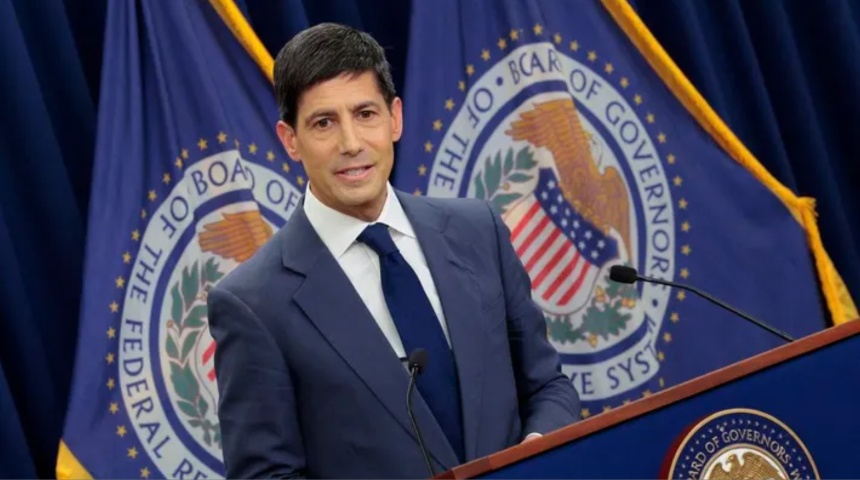
It’s worth noting this hike didn’t come out of nowhere. At the Fed’s July meeting, three of the twelve voting members had already pushed for an increase, a signal that the hawks on the committee were gaining ground. By the time Chair Kevin Warsh delivered a notably tough speech on inflation at the Jackson Hole symposium in late August, traders had all but priced in what happened this week.
What the Fed Actually Said
The FOMC’s post-meeting statement was brief but pointed, describing inflation as still “elevated” and framing the hike as a step toward a faster return to the 2% target. At his press conference, Warsh didn’t sugarcoat it. Asked about the summer’s inflation readings, he said they don’t tell him that underlying trends have meaningfully improved.
Warsh also tried to reframe the hike as a win for ordinary Americans rather than just a move to protect markets. He argued that price stability helps workers who don’t hold stocks or home equity, because it lets real wages actually stretch further at the checkout counter. It’s a message clearly aimed at households feeling squeezed by gas and grocery prices, not Wall Street traders parsing the dot plot.
That dot plot, released alongside the decision, matters almost as much as the hike itself. It showed the median Fed official now expects at least one more rate increase before the end of 2026, and some futures traders are betting on two. In other words, this is very likely not the last word on rates this year.
Markets Didn’t Love It
Wall Street had actually hoped a rate hike, of all things, might spark a relief rally, the thinking being that a Fed willing to act decisively on inflation would reassure investors. That’s not quite how it played out.
Stocks were higher for most of the session before turning south as Warsh spoke. By the close, the Dow Jones Industrial Average had shed roughly 600 points, or about 1.2%, dragged down by financial names like Goldman Sachs. The S&P 500 slipped 0.4%, while the Nasdaq Composite finished essentially flat. Longer-dated Treasury yields, meanwhile, pushed higher, with the 10-year note climbing back above the 5% mark, a level last regularly seen during the depths of the 2008 financial crisis stress. Oil, notably, stayed elevated above $100 a barrel even as the Fed tightened policy to fight the very inflation that oil is driving.
The takeaway for investors: markets weren’t spooked by the hike itself, which was already expected. They were spooked by Warsh’s tone, hawkish enough to suggest the Fed isn’t close to finished.
What This Means for Your Wallet
For everyday borrowers, a Fed hike doesn’t flip a switch overnight, but the ripple effects show up fast.
- Credit cards. Most cards carry variable APRs that track the prime rate, which moves in lockstep with the Fed. Expect card issuers to nudge rates up in the coming billing cycles.
- Mortgages. Home loan rates don’t move purely off the federal funds rate, but they’re highly sensitive to the same forces: inflation expectations and long-term Treasury yields, both of which just moved in the wrong direction for buyers.
- Savings and CDs. There’s a silver lining here. Higher benchmark rates generally translate into better yields on savings accounts, money market funds, and certificates of deposit, so savers finally get a bit of relief even as borrowers pay more.
- Auto and personal loans. Both tend to get incrementally pricier as banks reprice new lending off a higher benchmark.
The Fed’s next scheduled decision lands at the October 27–28 meeting, roughly six weeks away. Between now and then, policymakers will be watching a stack of economic data, including the JOLTS job openings report due September 29, for any sign that either inflation is cooling or the labor market is cracking under the weight of higher rates.
For now, the message from the Fed is consistent: inflation, driven largely by an energy shock outside its control, isn’t behaving well enough to justify standing still. Whether that means one more quarter-point hike this year or two, as some traders now expect, will depend heavily on how oil prices, and the conflict driving them, evolve in the weeks ahead.