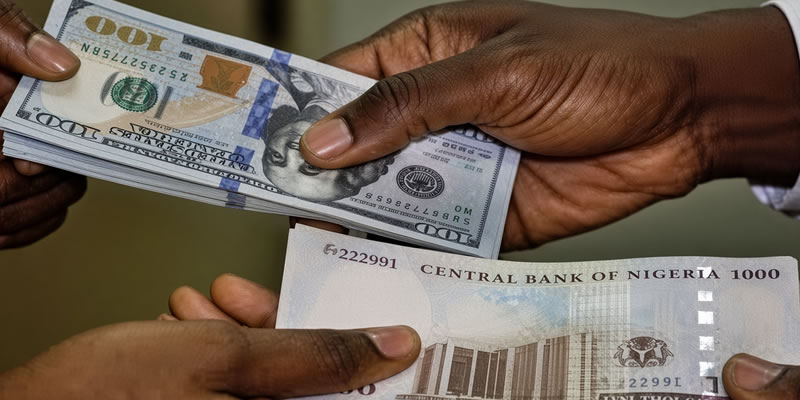
The naira enters the last day of September in a calm mood. Central Bank of Nigeria (CBN) data showed the official rate at ₦1,330.47 to the dollar on Tuesday, September 29, slightly better than Monday’s ₦1,331.33, while the parallel market closed at ₦1,382. The CBN publishes its closing figure only after trading ends. These are therefore the latest confirmed numbers, and today’s close will appear later in the day.
For anyone asking what the dollar to naira rate is today, the short answer is a little over ₦1,330 at the official window and about ₦1,380 on the street.
Dollar to Naira Today: Rates at a Glance
| Market | Buying | Selling / Closing | Date |
|---|---|---|---|
| Official (CBN/NFEM) | n/a | ₦1,330.47 | Sept 29, 2026 |
| Parallel (black market) | about ₦1,375 | ₦1,382 (close); quotes of about ₦1,385 | Sept 29, 2026 |
| Official, previous day | n/a | ₦1,331.33 | Sept 28, 2026 |
Rates differ between sources because currency dealers do not all quote at the same moment. Rates can vary between Bureau De Change operators and locations. Check with your own dealer before you trade.
What Happened in the Official Market
The official market has been quiet. On Tuesday the dollar opened at about ₦1,321.44 in early trading and rose to around ₦1,324.98 during the session, which analysts read as limited volatility. The CBN’s end-of-day figure of ₦1,330.47 is a little higher than those early quotes, which is normal. Intraday prices and the central bank’s closing number are calculated differently.
A move of one or two naira in either direction says little. The bigger point is that the naira touched ₦1,315 per dollar on September 3, its strongest level in roughly two years, after trading at ₦1,326 the day before. It has since slipped back a little but has stayed within a tight band.
The Black Market Rate and the Gap
On the street, dealers quoted an average buying rate of ₦1,375 and a selling rate of ₦1,385 across major Bureau de Change outlets. Comparing the ₦1,382 parallel close with the ₦1,330.47 official rate leaves a gap of about ₦51.50 per dollar, or under 4 percent.
That gap is far smaller than the one Nigerians dealt with before the 2023 and 2024 currency reforms, when the parallel rate could sit hundreds of naira above the official one. A narrow spread means there is less profit in buying dollars at the bank window and selling them on the street. It also shows that more people can get foreign exchange through formal channels.
Why the Naira Is Holding Steady
Three things stand out.
Foreign reserves. Reserves rose from $45.57 billion on January 2 to $54.86 billion on September 24, a gain of 20.4 percent. The CBN’s own September communiqué put the figure at $55.25 billion as of September 18. A large dollar cushion lets the central bank step in when the naira comes under pressure.
A stronger external position. The country’s current account surplus rose to $7.54 billion in the second quarter, up from $4.49 billion in the first, and the CBN said this helped stabilise the foreign exchange market.
Easing inflation. Headline inflation slipped to 15.39 percent in August 2026 from 15.43 percent in July. The decline is small, but prices are rising more slowly than before, and that supports confidence in the currency.
The Interest Rate Cut
The biggest news for the naira this month was the surprise at the CBN’s meeting. The Monetary Policy Committee (MPC) cut the Monetary Policy Rate by 350 basis points, from 26.5 percent to 23 percent, after its meeting on September 21 and 22. The cut caught forecasters off guard, because all seven economists polled by Reuters before the meeting had expected a third straight hold at 26.5 percent. The committee kept the Cash Reserve Requirement at 45 percent for commercial banks.
Lower rates make naira assets less attractive to foreign investors chasing yield, so some analysts are watching whether the cut affects capital flows. One economist quoted in coverage of the decision said lower domestic interest rates could affect portfolio preferences, capital flows, demand for naira assets and exchange-rate expectations. So far, the currency has not reacted badly. Both the official and parallel rates barely moved in the week after the announcement.
Naira Then and Now
The naira is much stronger than it was at the start of the year.
| Date | Official rate (₦/$) | Parallel rate (₦/$) |
|---|---|---|
| January 27, 2026 | About 1,412 | 1,475 to 1,485 |
| September 29, 2026 | 1,330.47 | 1,382 |
That is a gain of roughly 6 percent at the official window, in line with estimates that the naira is about 6 percent stronger than at earlier levels this year, and a bit more on the street. The parallel market has improved by around ₦95 to ₦100 per dollar since January.
What ₦1,330 and ₦1,382 Mean in Practice
The table below shows what common dollar amounts are worth at the latest official and parallel rates. The figures are for illustration only and do not include bank charges or dealer margins.
| US Dollars | At official rate (₦1,330.47) | At parallel rate (₦1,382) |
|---|---|---|
| $100 | ₦133,047 | ₦138,200 |
| $500 | ₦665,235 | ₦691,000 |
| $1,000 | ₦1,330,470 | ₦1,382,000 |
| $5,000 | ₦6,652,350 | ₦6,910,000 |
Other currencies also matter for travellers and students. One aggregator listed street selling rates of about ₦1,880 for the pound and ₦1,590 for the euro. These move daily, so confirm them before you exchange.
Who Feels It Most
Importers and manufacturers are the first to notice. A steadier naira makes it easier to price goods and plan orders, since many raw materials and machine parts are bought in dollars. The exchange rate matters to importers, manufacturers, businesses with foreign-currency obligations and consumers who buy internationally priced goods and services.
Parents paying school fees abroad, travellers buying tickets and people who receive remittances also feel the change. With the two markets this close, the bank route is often the cheaper and safer one for anyone who can get access to it.
What to Watch Next
Traders are focused on a few things as the third quarter ends:
- Whether the CBN’s foreign exchange supply stays steady, since market participants are watching dollar inflows, demand for dollars and CBN policy to see whether the naira can hold its gains through the month.
- Whether reserves keep rising or stall.
- How banks pass the lower policy rate on to borrowers and how that affects dollar demand.
- The September inflation figure, due from the National Bureau of Statistics in October.
Frequently Asked Questions
What is the dollar to naira rate today?
The latest confirmed CBN rate, from September 29, is ₦1,330.47 to the dollar. The parallel market closed at ₦1,382.
Is the naira getting stronger?
Over the year, yes. The official rate has improved by about 6 percent since January. Within September it has been steady, after touching a two-year best of ₦1,315 on September 3.
Why is there a difference between official and black-market rates?
The official rate comes from transactions in the formal market. Parallel rates are set by individual dealers according to their own supply and demand, so they run higher.
Where can I find the exchange rate for today?
The CBN publishes the official closing rate on its website after trading ends each day. For street rates, ask a licensed dealer in your area.