The paradox of Nigeria being a nation endowed with enormous natural resources and human capital but perennially steeped in underdevelopment and desolation engineered by sclerotic and corrupt leaders as the majority of the citizens contend with a myriad of socio-economic woes is a phenomenon that has continued to beguile commentators and chroniclers of the nation’s rough and tumble history.
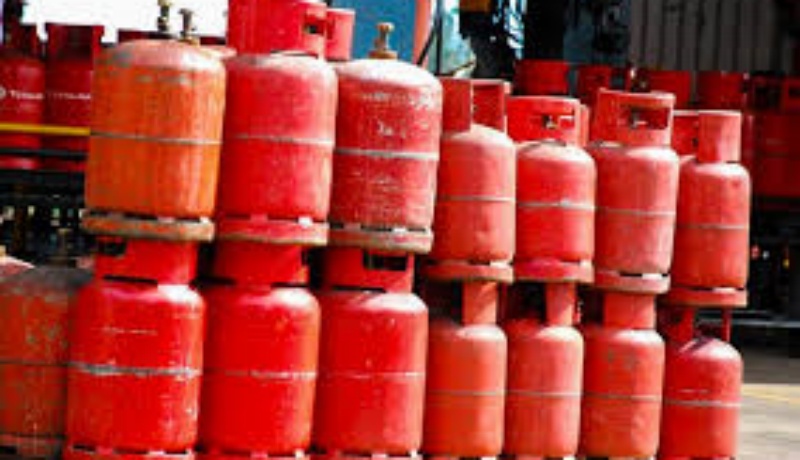
In recent weeks, Nigerians have seen their standard of living take a further hit as the cost-of-living crisis worsens. This astronomical rise in the cost of liquefied petroleum gas (LPG), which is used for cooking in Nigerian households has put more strain on the incomes and earnings of Nigerians who are already grappling with unprecedented levels of inflation.
In some parts of Lagos and other south-western cities, cooking gas has risen to N2,100 per kilogram. In the north-central zone, prices range between N1,550 and N1,950 per kilogram. Even in the south-south, consumers are paying between N1,400 and N2,000 per kilogram. These numbers are considerably higher than what the Nigerian Midstream and Downstream Petroleum Regulatory Authority (NMDPRA) has set as the gas price.
The sharp jump in prices is due to several factors, including exploitative practices among marketers and an infrastructural deficit.
The regulator believes the current prices of LPG are in part driven by the greed of players in the sector who charge exorbitant prices that are not reflective of operational costs. It pointed out that the price of cooking gas in the south-west, for instance, is between N1,018 and N1,177 per kilogram, meaning some Nigerians are paying nearly double the benchmark. The NMDPRA made these made this known at an emergency meeting convened by the Ministry of Petroleum Resources to address the crisis.
Gas production deficit and infrastructural impediment
The leading cause of the steep rise in prices of liquefied petroleum gas (LPG) — the type used for cooking — is supply. Between January and June 2026, Nigeria needed 657,072 metric tonnes of LPG but only managed to produce and supply 565,106 metric tonnes. That left a deficit of nearly 92,000 metric tonnes, pushing market coverage down to 86 per cent from 88.4 per cent the previous year.
Also, oil marketing companies that were allotted import quotas to cover the shortfall have not lived up to expectations. Of the 390,000 metric tonnes approved for import in the second quarter, marketers achieved just 4.2 per cent of that target. If the situation does not improve, the regulator warns that the supply gap could reach 165,000 metric tonnes in the third quarter.
Prioritising export over local energy security
NMDPRA also noted that the shortfall in local supply is not unconnected to the export of a significant portion of locally produced LPG when domestic demand has not been met. For example, Chevron Nigeria, produced 148,222 metric tonnes of LPG between January and May 2026 and exported every single tonne of it. That volume alone accounts for 22.93 per cent of total LPG production during the period.
The menace of rapacious middlemen
Even where gas is available, getting it from producers to consumers has become an onerous, painstaking and expensive endeavour, because the supply chain and distribution channels have been hijacked by middlemen who do not have the required know-how, facilities and finances to operate in the sector.
Ideally, terminal operators — companies with the storage tanks and distribution equipment — should be buying gas directly from producers. Instead, traders with no infrastructure have usurped that role to become the major off-takers from producers which has triggered serious disruption and distortion in the distribution chain. Terminal operators are then forced to buy from these middlemen, adding layers of cost that are eventually passed on to the consumer.
The NMDPRA says it has begun auditing the system and taking enforcement action to restore direct access for terminal operators. The regulator says these efforts have already helped push LPG stock sufficiency from 11 days to 22 days, and that average daily supply rose from 4,262 metric tonnes in May to 5,040 metric tonnes in June.
What happens next
The government says it is working assiduously to address the problem. The NMDPRA says it is working to make foreign exchange access for LPG importers easy and seamless. It will also deploy tracking technology across the supply chain, and invest in gas infrastructure through the Midstream and Downstream Gas Infrastructure Fund.
The regulator also disclosed that the coming on board of the Anoh Gas Processing Plant in Delta State will help bridge the domestic supply gap. It is scheduled to begin contributing additional volumes to the domestic market from July 2026.
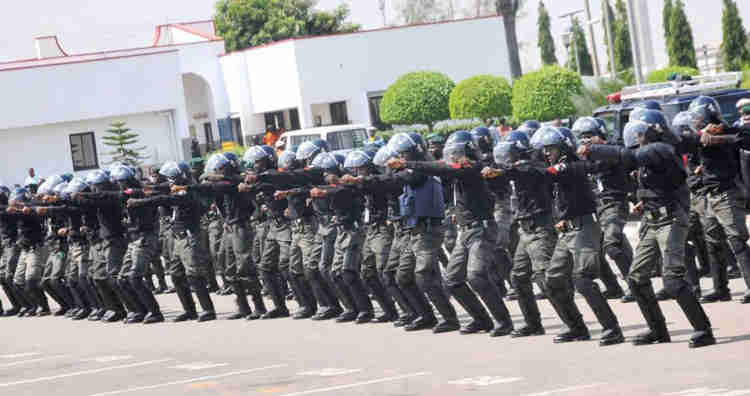
The federal government has also instructed security agencies and regulators to go after those engaging in hoarding, illegal diversion and speculative storage of cooking gas. The directive was issued through Ekperikpe Ekpo, minister of state for petroleum resources (gas), who spoke at an emergency stakeholders’ meeting in Abuja.
He said the Department of State Services (DSS), Economic and Financial Crimes Commission (EFCC) and the Nigeria Police Force would be involved in curbing sharp practices contributing to higher prices. He directed the NMDPRA to intensify market surveillance and work with security agencies to eliminate artificial scarcity, discourage hoarding and improve transparency in product distribution and pricing.
But for now, Nigerians who desperately need the cooking gas will have to continue bearing the brunt of these disconcerting supply chain realities and administrative lapses at every point, from the regulator’s inefficiency to the antics of vicious players in the industry.