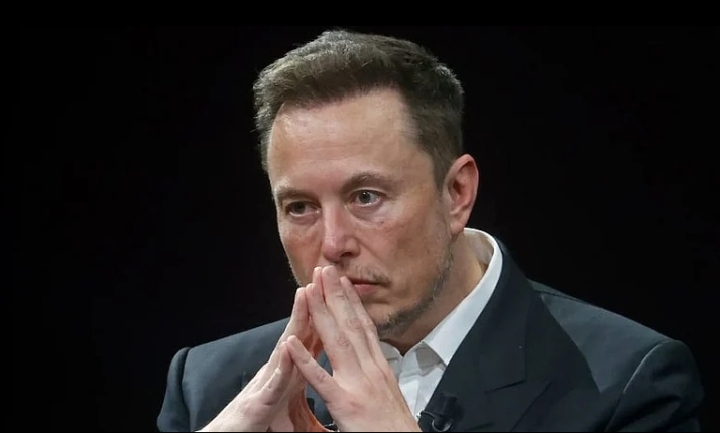
History is often remembered through milestones that appear almost impossible until someone finally reaches them. Financial records are broken, industries are transformed, and fortunes rise to levels that once existed only in imagination. Every so often, a moment arrives that reshapes conversations about wealth, business, and the extraordinary pace at which modern markets can create value.
June 2026 delivered one of those moments when Elon Musk became the first person ever estimated to possess a fortune worth more than $1 trillion. The achievement instantly became a global talking point, symbolizing the remarkable rise of a businessman whose companies have repeatedly challenged traditional ideas across space exploration, electric vehicles, artificial intelligence, and technology. Attention quickly turned toward how far his wealth could climb as investors continued pouring money into his biggest ventures.
Financial markets, however, rarely move in only one direction. Valuations can accelerate at astonishing speed, yet they can also retreat with equal force whenever investor sentiment changes. That reality became impossible to ignore only days after Musk reached one of the most remarkable financial milestones in modern history.
Behind the dramatic change lies a sequence of events involving stock market movements, investor confidence, newly listed shares, technology sector volatility, and the unique way billionaire fortunes are calculated. Understanding how the world’s richest man briefly entered the trillion dollar club before stepping back below that level reveals just how quickly paper wealth can rise or fall in today’s financial markets.
Historic Milestone On June 12, 2026
June 12, 2026 became one of the most significant dates in modern financial history after Elon Musk’s estimated net worth crossed the $1 trillion mark for the first time. The milestone represented far more than another increase in personal wealth. It established a record that many economists, investors, and market observers once believed would take far longer to achieve.
The breakthrough followed the highly anticipated public listing of SpaceX. For years, investors had speculated about what might happen if the private aerospace company eventually entered the stock market. Expectations remained exceptionally high because SpaceX had already established itself as one of the world’s most valuable privately owned companies through its achievements in commercial spaceflight, satellite technology, reusable rockets, and government contracts.
Investor enthusiasm surrounding the public offering proved even stronger than many analysts had predicted. Shortly after trading began, SpaceX’s valuation climbed beyond $2 trillion, placing it among the most valuable companies ever listed on a public exchange. That rapid appreciation dramatically increased the value of Musk’s ownership stake, pushing his estimated fortune beyond the historic $1 trillion threshold.
Crossing that level instantly attracted worldwide attention because no individual had previously reached such an estimated level of wealth. Financial headlines across global markets focused not only on the size of Musk’s fortune but also on the speed with which it had grown following the successful listing of SpaceX.
SpaceX Became The Biggest Driver
Although Elon Musk has built several influential companies over the years, SpaceX became the primary reason his fortune expanded so dramatically during June 2026. Before the company’s stock market debut, much of its value remained reflected only through private investment rounds. Once public trading began, investors could actively buy and sell shares, allowing market forces to determine the company’s value on a much larger scale.
Demand proved exceptionally strong during the opening days following the listing. Investors viewed SpaceX as more than a traditional aerospace company. Many believed its leadership in reusable rocket technology, satellite communications, commercial launches, national security contracts, and long term ambitions for space exploration positioned it for significant future growth.
Rapid increases in the company’s share price translated directly into higher estimates of Musk’s personal wealth because he remained the largest shareholder. Every increase in SpaceX’s market valuation added billions of dollars to the estimated value of his holdings without requiring him to sell a single share.
This relationship illustrates how billionaire wealth often differs from ordinary income. Much of Musk’s fortune exists as ownership in companies rather than money sitting inside bank accounts. As those companies become more valuable, his estimated net worth rises automatically.
SpaceX therefore became the foundation upon which the trillion dollar milestone was achieved.
Wealth Reached An Extraordinary Peak
Following SpaceX’s successful market debut, Elon Musk’s estimated fortune continued climbing rapidly. According to the Bloomberg Billionaires Index, his wealth eventually peaked at approximately $1.32 trillion during the period immediately after the company’s shares experienced their strongest gains.
That figure represented one of the largest personal fortunes ever recorded. It also highlighted the extraordinary impact that stock market valuations can have on individuals whose wealth remains concentrated in publicly traded companies. Rather than accumulating hundreds of billions of dollars through salaries or cash payments, Musk’s fortune reflected the estimated market value of assets he already owned.
Attention naturally focused on comparisons with other billionaires. Even before reaching the trillion dollar milestone, Musk had maintained a considerable lead over the rest of the world’s wealthiest individuals. Crossing into trillion dollar territory widened that gap even further and reinforced his position at the top of global wealth rankings.
Financial markets celebrated the achievement as another example of technology companies driving enormous wealth creation. Investors remained optimistic about future opportunities involving artificial intelligence, space technology, electric vehicles, robotics, satellite communications, and advanced manufacturing.
Those optimistic expectations played an important role in supporting the rapid increase in company valuations during the period immediately following SpaceX’s listing.
The Sudden Turn
Financial markets often reward optimism, yet they also respond quickly whenever investor sentiment begins to change. Only days after Elon Musk achieved trillionaire status, conditions shifted dramatically as broader market pressures began affecting technology companies across multiple sectors.
Attention first centered on SpaceX itself. Following its powerful post listing rally, the company’s shares gradually retreated as investors began locking in profits after the remarkable gains recorded during the opening period. Such activity frequently occurs after major public offerings because early investors choose to secure returns while prices remain elevated.
Selling pressure increased as more market participants adjusted their positions. Rather than continuing their upward climb, SpaceX shares declined sharply from their earlier highs. The reduction in the company’s market valuation immediately affected Musk’s estimated fortune because so much of his wealth remained tied directly to his ownership stake.
Broader market conditions further intensified the decline. Technology stocks across several sectors experienced weakness during the same period, creating additional downward pressure on companies that had recently delivered exceptional gains.
What had appeared to be unstoppable momentum quickly transformed into one of the largest short term wealth reversals ever recorded.
SpaceX Shares Lost Momentum
Among the biggest contributors to Musk’s declining fortune was the performance of SpaceX shares after their remarkable debut. Following the initial surge that pushed the company’s valuation above $2 trillion, investor enthusiasm gradually gave way to more cautious trading activity.
Market data indicated that SpaceX shares eventually declined by more than 30 percent from their highest levels reached after the public offering. Such a movement represented an enormous reduction in the company’s total market value because every percentage change affected trillions of dollars in capitalization.
Large publicly traded companies frequently experience significant price fluctuations after major listings. Excitement surrounding initial trading sessions often drives prices sharply higher before investors reassess long term expectations, company fundamentals, earnings prospects, and overall market conditions.
SpaceX therefore experienced a pattern that has accompanied numerous high profile public offerings throughout financial history. Strong demand created rapid appreciation during the opening stages before subsequent trading introduced greater price volatility.
Because Musk remained heavily invested in the company, each decline translated almost immediately into lower estimates of his personal wealth.
Tesla Added More Pressure
SpaceX was not the only company affecting Musk’s fortune during this period. Tesla also experienced declines as broader weakness spread across technology stocks. Shares of the electric vehicle manufacturer reportedly fell by nearly 6 percent during the wider market sell off, adding further pressure to Musk’s overall net worth.
Tesla has remained one of the largest components of Musk’s fortune for many years. Although SpaceX temporarily became the biggest contributor following its public listing, Tesla continued representing an enormous share of his estimated wealth. Any movement in the company’s stock price therefore carried substantial consequences.
Technology companies often experience synchronized movements whenever investors reassess economic conditions. Rather than evaluating each business entirely on its own, broader market sentiment sometimes influences entire sectors simultaneously. During periods of uncertainty, investors frequently reduce exposure across multiple technology holdings rather than limiting activity to one company.
Tesla therefore became another factor contributing to the rapid decline in Musk’s estimated fortune. Combined with SpaceX’s retreat, the impact proved substantial.
Together, the movements in both companies erased hundreds of billions of dollars from the estimated value of Musk’s ownership stakes.
Why Investors Started Selling
Several broader economic factors contributed to changing investor sentiment during the period following SpaceX’s listing. Financial markets had enjoyed substantial gains across technology sectors, particularly among companies associated with artificial intelligence, advanced computing, electric vehicles, robotics, and digital innovation.
Growing concerns emerged that parts of the technology sector had become excessively valued after months of rapid price appreciation. Some investors began expressing fears that enthusiasm surrounding artificial intelligence investments had pushed certain companies beyond levels supported by realistic expectations.
Interest rate expectations also influenced market behavior. Investors increasingly anticipated that the United States Federal Reserve could maintain relatively high interest rates for a longer period than previously expected. Higher borrowing costs often reduce enthusiasm for rapidly growing technology companies because future earnings become less valuable when discounted at higher interest rates.
Profit taking represented another important factor. Many investors who purchased technology shares before their strong rallies decided to secure gains rather than continue holding positions through increasingly volatile market conditions.
Those combined influences created an environment where selling pressure expanded across several major technology companies at roughly the same time.
Understanding Paper Wealth
One of the biggest misconceptions surrounding billionaire fortunes involves the assumption that estimated net worth represents cash available for immediate spending. Elon Musk’s experience illustrates why that assumption rarely reflects reality.
Most of Musk’s wealth exists as paper wealth rather than liquid cash. Paper wealth refers to the estimated market value of assets such as company shares, ownership stakes, and investments. Those estimates change constantly because stock prices fluctuate throughout every trading session.
When SpaceX’s valuation increased after its public offering, Musk’s ownership stake became worth far more on paper. He did not receive hundreds of billions of dollars deposited into a personal account. Instead, financial calculations simply reflected that his existing shares had become more valuable according to current market prices.
The opposite occurs when share prices decline. Musk may continue owning exactly the same number of shares, yet their estimated value decreases whenever the market assigns lower prices to those companies. That process explains how hundreds of billions of dollars can appear or disappear without any shares actually being bought or sold by the individual involved.
Understanding this distinction is essential because estimated net worth measures asset values rather than available cash.
How Much Wealth Disappeared
According to estimates reported by the Bloomberg Billionaires Index, Elon Musk’s fortune declined from approximately $1.32 trillion at its peak to between $946 billion and $957 billion following the market sell off.
That movement represented an estimated decline of about $368.2 billion in less than 2 weeks. Financial historians regard the reduction as one of the largest short term decreases in personal wealth ever recorded because of both its speed and magnitude.
Despite the extraordinary figure, the decline reflected changing market valuations rather than direct financial losses involving cash withdrawals or company failures. Musk continued holding substantial ownership stakes in both SpaceX and Tesla throughout the period.
Market based wealth calculations can therefore produce enormous swings whenever companies with trillion dollar valuations experience relatively modest percentage changes. Even a movement of several percentage points may translate into tens or hundreds of billions of dollars when ownership stakes remain exceptionally large.
Those dynamics explain why billionaire wealth rankings frequently change from day to day depending on stock market performance.
Still The World’s Richest Person
Although Elon Musk’s estimated fortune fell below the trillion dollar threshold, his position at the top of global wealth rankings remained unchanged. Even after losing approximately $368.2 billion, estimates continued placing his net worth at roughly $950 billion.
That figure still leaves him comfortably ahead of every other billionaire in the world. His ownership interests across SpaceX, Tesla, plus several other ventures continue representing one of the largest collections of private wealth ever assembled.
Crossing below $1 trillion therefore changed only one milestone rather than his overall standing among the world’s wealthiest individuals. Financial markets remain dynamic, and future movements in SpaceX or Tesla could once again alter the calculations used to estimate his fortune.
Analysts frequently note that newly listed companies often experience sharp price swings during their first weeks or months of public trading. Such volatility reflects changing investor expectations, market adjustments, institutional participation, and evolving assessments of long term value.
That reality means Musk’s return above the trillion dollar mark remains possible if valuations recover in the future.
Why The Trillion Dollar Era Ended So Quickly
Elon Musk’s brief period as the world’s first trillionaire demonstrated both the remarkable opportunities and the extraordinary volatility created by modern financial markets. His journey above $1 trillion began on June 12, 2026 following SpaceX’s historic public offering, which rapidly lifted the company’s valuation beyond $2 trillion and pushed his estimated fortune to approximately $1.32 trillion.
Less than 2 weeks later, changing market conditions produced a very different outcome. Declining SpaceX shares, weaker Tesla stock, broader technology sector selling, investor concerns surrounding artificial intelligence valuations, expectations regarding interest rates, and widespread profit taking combined to reduce the estimated value of his holdings.
The result was an estimated paper wealth decline of approximately $368.2 billion, lowering his fortune to between $946 billion and $957 billion. Even after that extraordinary adjustment, Musk remains the richest individual in the world by a considerable margin.
Perhaps the most important lesson from this remarkable episode is that billionaire wealth often reflects market confidence as much as personal assets. Valuations can expand rapidly during periods of optimism, yet they can also contract just as quickly when investor sentiment changes. Elon Musk’s brief stay above the trillion dollar mark serves as one of the clearest modern examples of how quickly paper wealth can rise, fall, then potentially rise again within global financial markets.