Conversations that begin with a single remark often grow into much bigger debates because they touch issues that extend far beyond the people involved. One comment can reopen questions that have quietly existed for years, forcing people to examine changing values, shifting priorities, and the direction society appears to be taking. Once those discussions spill onto social media, they rarely remain about one individual for very long.
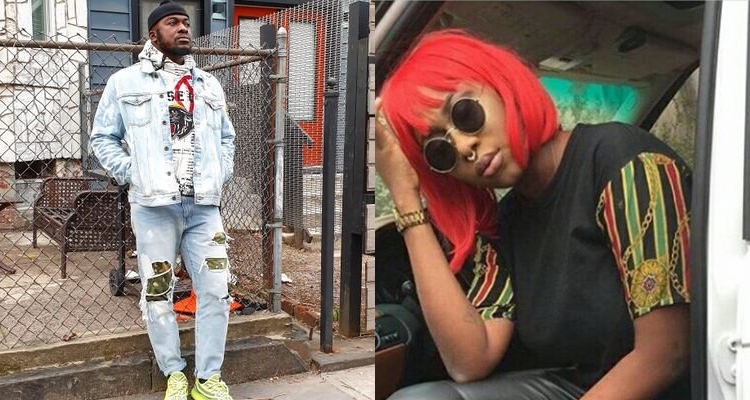
Recent exchanges between rapper Ycee and popular TikTok streamer Peller have followed that familiar path. What started as a statement made during a podcast soon evolved into one of the most talked about conversations online, drawing attention from entertainers, content creators, and thousands of Nigerians eager to understand what was really being argued. Every new response added another layer to a discussion that quickly moved beyond entertainment.
At the heart of the controversy lies a question that has surfaced repeatedly over the years. Has the definition of success changed for many young Nigerians, or has society simply created new ways for people to build careers outside traditional paths? That question sits quietly beneath every video, every reaction, and every opinion shared since the debate began.
Looking closely at the sequence of events reveals that the disagreement extends beyond personal feelings. It opens a wider conversation about education, internet fame, content creation, economic realities, public influence, and the responsibilities that come with having millions of people watching every move.
How The Conversation Began
The controversy began after rapper Ycee appeared on the Afropolitan Podcast, where he reflected on what he described as changing cultural values among many young Nigerians. Rather than discussing music alone, the conversation expanded into education, public attitudes toward learning, and the growing influence of social media personalities within everyday life.
While making his point, Ycee introduced a phrase that immediately attracted attention. He described the current period as an “Olodo uprising.” Within Nigerian slang, the word “olodo” is commonly used as an insulting description for someone considered academically weak or lacking intellectual depth. Using such an expression instantly made his remarks one of the most discussed moments from the interview.

Ycee explained that his concern centered on what he believed was a gradual decline in the value placed on education. According to him, academic excellence no longer receives the level of admiration it once enjoyed, while online popularity increasingly determines who gains public recognition. He suggested that this changing culture could shape the ambitions of younger generations who are still deciding what success looks like.
Rather than presenting the issue as an isolated problem, Ycee described it as a broader societal trend. His comments were framed around the belief that public attention has shifted away from intellectual achievement toward viral entertainment, creating a different set of role models for many young Nigerians.
Meaning Behind The Phrase
The expression “Olodo uprising” became the defining phrase of the debate because it condensed Ycee’s broader concerns into just 2 words. Although simple on the surface, the statement carried a much deeper implication about education, public recognition, and cultural priorities.
According to Ycee’s explanation, the phrase reflected his belief that academic achievement no longer occupies the position it once held within Nigerian society. Rather than celebrating knowledge, educational excellence, or professional expertise, he argued that many people now place greater value on viral moments, internet fame, and social media visibility.
His remarks suggested that popularity has become easier to achieve through entertaining online content than through years of formal education or professional development. While acknowledging the influence of digital platforms, he questioned whether this cultural direction could eventually discourage young people from investing time in learning and intellectual growth.
The phrase therefore became more than slang. It evolved into a description of what Ycee viewed as an important social issue. Once those words circulated across social media, attention naturally shifted toward the example he used to illustrate his argument.
Why Peller’s Name Entered The Discussion
During the interview, Ycee argued that Nigeria had moved beyond what many previously described as Yahoo culture. According to him, the country had entered what he referred to as “Peller culture.” That particular comparison quickly transformed the discussion because it introduced the name of a specific individual into what had otherwise been a general observation about society.
Ycee’s explanation suggested that Peller represented a broader trend rather than serving as the cause of the problem itself. His point was that many young Nigerians now look toward internet personalities as examples of success, often placing greater emphasis on online visibility than on education or conventional career development.
Mentioning Peller immediately personalized the discussion. Rather than remaining an abstract conversation about changing values, the debate now involved someone with a large audience, a recognizable public image, and an active presence across social media platforms. That shift significantly increased public interest because attention moved from ideas to individuals.
Public discussions often become more intense whenever real names replace general descriptions. Although Ycee presented Peller as an illustration of a wider cultural movement, the direct reference inevitably invited a personal response.
Peller Responds Publicly
Peller reacted strongly after learning that his name had been mentioned during the podcast. Through a video shared online, he challenged Ycee’s decision to identify him while discussing broader issues affecting Nigerian society. His response reflected frustration at becoming the public face of an argument he believed extended far beyond his personal career.

According to Peller, Ycee could have expressed concerns about changing social values without attaching those concerns to a specific individual. He argued that discussions about education, culture, or national priorities should focus on the issues themselves rather than placing responsibility on one content creator.
Another point raised during his response involved Ycee’s position within the entertainment industry. Peller described the rapper as an experienced figure whose influence should have encouraged a more careful approach to sensitive conversations. Rather than naming individuals, he believed broader observations would have communicated the same message.
Peller also questioned Ycee’s motives, suggesting that the controversy might help generate renewed public attention. Beyond that allegation, he reminded viewers that the same online audience being criticized also supports musicians, streams songs, attends performances, and contributes to the success of entertainers across different sectors.
Jarvis Offers Another Perspective
The conversation expanded further after Jarvis, Peller’s fiancée, shared her own response. Rather than focusing entirely on the wording used by Ycee, she shifted attention toward Nigeria’s economic realities and the circumstances influencing career choices among many young people.
Jarvis explained that she is a university graduate, using her own educational background to challenge assumptions that content creation automatically reflects a lack of academic achievement. According to her argument, formal education and digital entrepreneurship can exist together without contradicting each other.
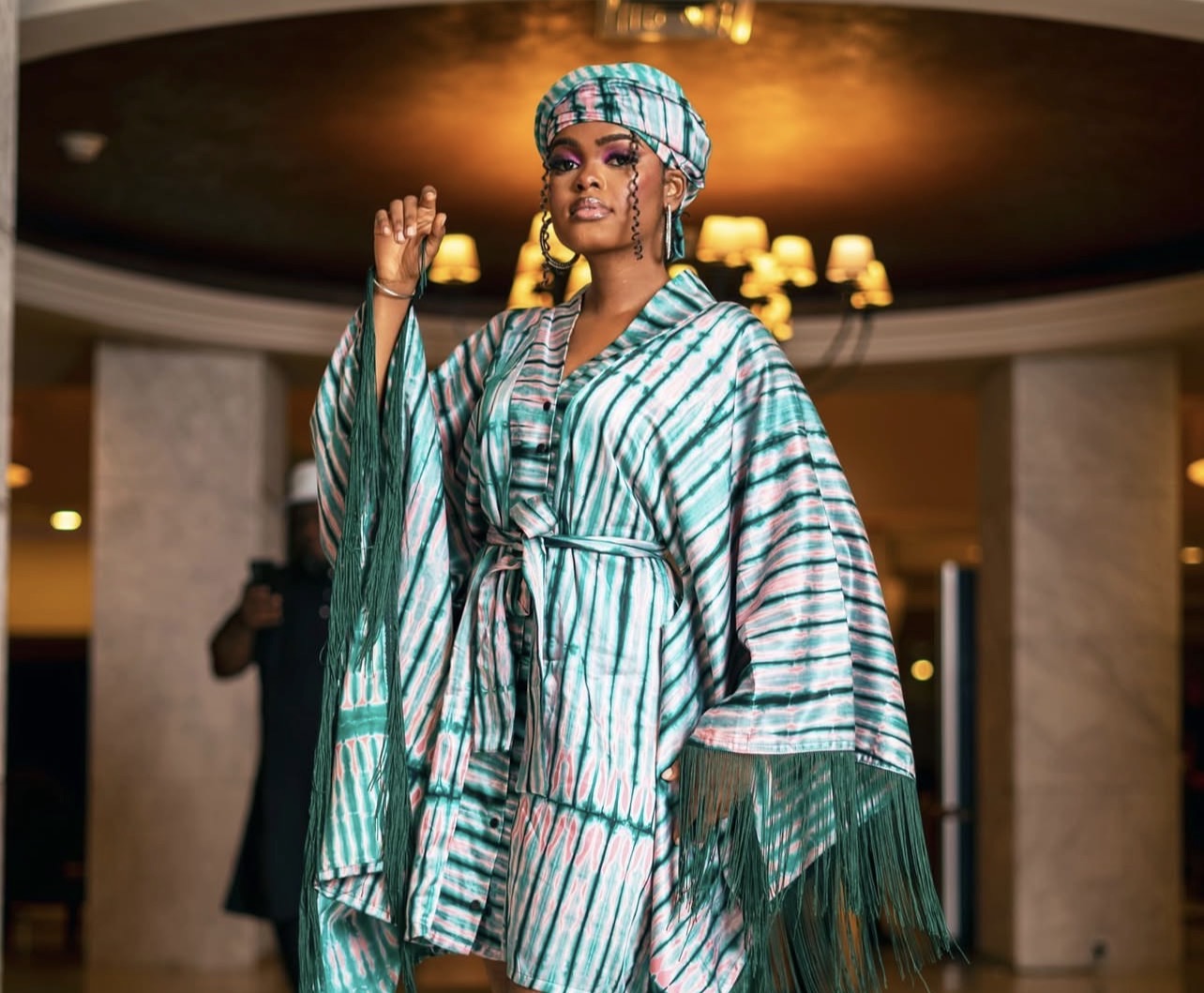
She also pointed to employment challenges affecting many graduates across Nigeria. Limited job opportunities have encouraged thousands of educated young people to explore alternative sources of income through digital platforms. Content creation, she argued, has become one of those alternatives because it provides opportunities where traditional employment may be unavailable.
Her remarks broadened the discussion beyond education alone. Economic conditions, unemployment, technological change, and the rapid growth of social media all became part of the larger conversation surrounding the controversy.
Education Versus Internet Fame
One of the central themes emerging from the debate involves the changing relationship between education and internet popularity. Both subjects occupy important places within modern Nigerian society, yet they often represent very different paths toward recognition and financial success.
Formal education traditionally served as the primary route toward professional advancement. Families encouraged academic excellence because degrees, qualifications, and specialized skills were widely viewed as reliable foundations for long term success. Schools, universities, and professional institutions occupied central positions within that vision.
Digital platforms have gradually introduced another pathway. Social media allows creators to reach audiences numbering in the millions without following traditional career structures. Success may emerge through entertainment, creativity, storytelling, comedy, gaming, lifestyle content, education, or numerous other forms of digital engagement.
This transformation has changed how many young people define opportunity. While education remains valuable, internet platforms have demonstrated that recognition and financial independence may also emerge through alternative routes. That reality forms one of the key issues underlying the disagreement between Ycee and Peller.
Rise Of Content Creation
Content creation has developed into one of the fastest growing sectors within Nigeria’s digital economy. Thousands of young Nigerians now produce videos, livestreams, comedy skits, educational content, fashion material, gaming broadcasts, lifestyle programming, and business related information across multiple online platforms.
Growth within this sector reflects broader technological changes rather than temporary trends alone. Smartphones, affordable internet access, digital payment systems, brand partnerships, and expanding audiences have created opportunities that barely existed a decade earlier. Many creators now generate income through advertising, sponsorship agreements, subscriptions, gifts, merchandise, and commercial collaborations.
Peller belongs to this generation of internet personalities whose careers have developed almost entirely within digital spaces. His popularity reflects the broader expansion of content creation rather than an isolated success story. Millions of followers consume online entertainment daily, making digital influence an increasingly significant part of contemporary culture.
Recognition of this reality explains why content creation occupies such an important place within the current discussion. The debate extends beyond one creator because it reflects larger changes affecting employment, entrepreneurship, communication, and public influence across Nigeria.
Cultural Values Under Discussion
Beneath the personal exchange lies a wider conversation about cultural priorities. Every generation develops its own understanding of success, shaped by economic conditions, technological progress, educational opportunities, and changing social expectations. Those differences often produce debates about whether society is moving forward or drifting away from earlier values.
Ycee’s remarks focused primarily on education and intellectual development. His concern suggested that viral popularity increasingly receives greater public attention than academic accomplishment. From his perspective, this change could influence how younger people set goals for their future.
Peller’s response emphasized personal responsibility, respect, and the legitimacy of content creation as a profession. Jarvis added another dimension by highlighting economic realities affecting graduates who continue searching for stable employment despite completing formal education.
Viewed together, these positions illustrate a broader conversation rather than a simple disagreement between entertainers. Education, digital opportunity, unemployment, technology, public influence, and cultural expectations all intersect within the same discussion.
Why The Debate Continues
Several factors explain why the controversy continues attracting widespread attention. Both Ycee and Peller possess large audiences whose interests naturally extend into discussions involving entertainment, culture, and social media. Their influence ensured that the exchange reached millions of people within a short period.
The subject itself also resonates because it addresses questions many Nigerians already ask privately. Families continue encouraging education while simultaneously witnessing the rapid financial success achieved by some digital creators. Young people increasingly balance traditional expectations against opportunities emerging through technology and online entrepreneurship.
Neither education nor content creation exists in complete isolation from the other. Many successful creators possess formal qualifications, while numerous educated professionals actively build digital careers alongside conventional employment. That complexity makes the discussion particularly relevant because it reflects real experiences rather than simple theories.
Public attention therefore remains focused not merely because 2 public figures exchanged words, but because the conversation touches everyday realities affecting students, graduates, parents, entertainers, entrepreneurs, and millions of Nigerians navigating an economy that continues to evolve.
Bigger Picture Behind The Exchange
Looking beyond the headlines reveals that the ongoing “Olodo uprising” controversy represents far more than a disagreement between Ycee and Peller. Their exchange has become a platform through which larger questions about education, internet culture, employment, success, public influence, and changing social values are being examined.
Chronologically, the sequence is straightforward. Ycee raised concerns during the Afropolitan Podcast about what he viewed as declining respect for education. While explaining his position, he referred to what he described as “Peller culture,” using the popular streamer as an example of broader internet fame. Peller objected to being singled out, arguing that societal issues should not be attached to one person’s name. Jarvis expanded the discussion by drawing attention to Nigeria’s economic realities and the growing importance of digital careers.
Each response added another layer to a conversation that continues to attract attention because it reflects genuine questions facing modern society. Education remains important. Digital platforms continue creating opportunities. Economic conditions continue shaping career decisions. Public figures continue influencing younger audiences.
Those realities ensure that the discussion surrounding the “Olodo uprising” extends far beyond a single podcast interview. It has become part of a wider national conversation about how success is defined, how influence is measured, and how the next generation chooses the paths that will shape its future.