
Cameras that can pick a face out of a moving crowd may soon be part of how Britain enforces its immigration rules. The Home Office is preparing to put live facial recognition at transport hubs and public events, as part of what the Guardian describes as the biggest immigration enforcement crackdown in British history. For the thousands of Nigerians, Ghanaians, Indians and other nationals who study, work or have family in the UK, the UK Home Office facial recognition immigration plan raises practical questions. Who is being looked for, where will the cameras be, and what happens to your face if you are not the person they want?
What the Home Office has published
The detail sits in a policy paper called the Immigration Enforcement facial recognition policy. Version 2.3 was signed off on 28 September 2026 and published on GOV.UK on 8 October. It stayed fairly quiet until this week, when the Guardian reported on it and other outlets picked it up.
The document says the technology will support what officers can already do legally. It states that the policy creates no new powers and that LFR is simply a method of identifying people. Home Office officials describe it as a tool for “general immigration enforcement”. LBC reports that this covers people trying to re-enter the UK unlawfully who are eligible for removal, and undocumented migrants whose cases the department wants to resolve without repeated visits to homes and workplaces.
The government also announced on Wednesday new legal rules for police use of facial recognition. A new watchdog will have the power to stop forces that break the rules, and technology used by law enforcement must be independently tested for bias on age, gender and race. That announcement concerns policing, not immigration officers, which is part of why critics say the immigration use sits in a grey area.
How the cameras are meant to work
Live facial recognition scans faces in a marked zone and converts each into a numerical template. That template is compared against a watchlist. If the software flags a possible match, a trained officer reviews it before anyone is approached.
The policy says officers must not take action on the strength of a system alert alone, and that people are not required to cooperate with having their image captured. Immigration Enforcement says deployments will be overt, with signs and leaflets, and that where possible it will publish notice on Home Office websites at least five days ahead.
The paper names three kinds of deployment: planned operations at transport hubs and route junctions, port-specific operations, and event-linked deployments where crowds are expected. Higher-risk deployments, such as busy public places away from ports, need extra sign-off from a senior manager.
Who can be put on a watchlist
This is the part most foreign nationals will want to read twice. The policy lists people with a live deportation order, people wanted on a UK court warrant for an immigration offence, and people sought over a charge for a criminal immigration offence. It then adds a broader group. These are people liable to detention under immigration law, people officers are actively seeking for enforcement or removal, and people who have broken the conditions of their entry or stay or ignored lawful removal directions.
That last group is what has drawn attention. LBC points out that overstaying a visa or entering without permission is a civil matter, not a criminal one, yet people in those situations could still end up on a watchlist.
The policy does set limits. Nobody can be added because of association with others, speculation, or old non-compliance with no current enforcement purpose, and under-18s are excluded. It says watchlists must be tied to a specific deployment, limited in time, and no larger than necessary. The policy does not name any nationality.
What happens to your face if you are not on the list
Most people walking past the cameras will never be on a list. The Home Office says their data is deleted straight away. Biometric data from people who do not trigger an alert is automatically and permanently deleted, and alert-related data is generally cleared within 24 hours. The paper adds that the system keeps no record of who has been scanned, so it cannot say how many individuals passed a camera.
The Holyhead trials
The department has tested the idea before. Trials took place at the port of Holyhead in north Wales, a route between Ireland and the UK. In the November 2025 trial, eight deployments saw roughly 7,500 faces, with watchlists of up to 4,868 people, leading to two interventions, one arrest and no false alerts. The system used was NEC’s NeoFace V4 at a match threshold of 0.64, with a target false alert rate of 0.1 per cent. A further Holyhead trial followed in February 2026.
Supporters read those numbers as proof the tool is precise. Sceptics note that a single arrest from 7,500 faces says little about how it performs on a Saturday afternoon at a London station, with far more people and a far larger list.
The criticism
Oversight is the main sticking point. The biometrics and surveillance camera commissioner, William Webster, told Liberty Investigates he had not been consulted on the policy and that LFR for immigration purposes falls outside his remit. Yet the Home Office paper lists that commissioner and the Information Commissioner’s Office as external overseers. Both statements cannot comfortably be true, and expect that gap to be tested.
The legal basis is also under debate. Ministers have said the police framework is a patchwork. The Home Office has acknowledged that existing rules do not give police enough confidence to use the technology at scale, and it opened a consultation on a new framework. Civil liberties groups say immigration enforcement is being allowed to run ahead of that law. The Home Office says it is considering further trials and exploring the benefits and implications of future use. Nothing in the documents says a nationwide rollout has started.
What this means for foreigners in the UK
If you are in the UK lawfully, this policy is not aimed at you, but a few habits are worth keeping.
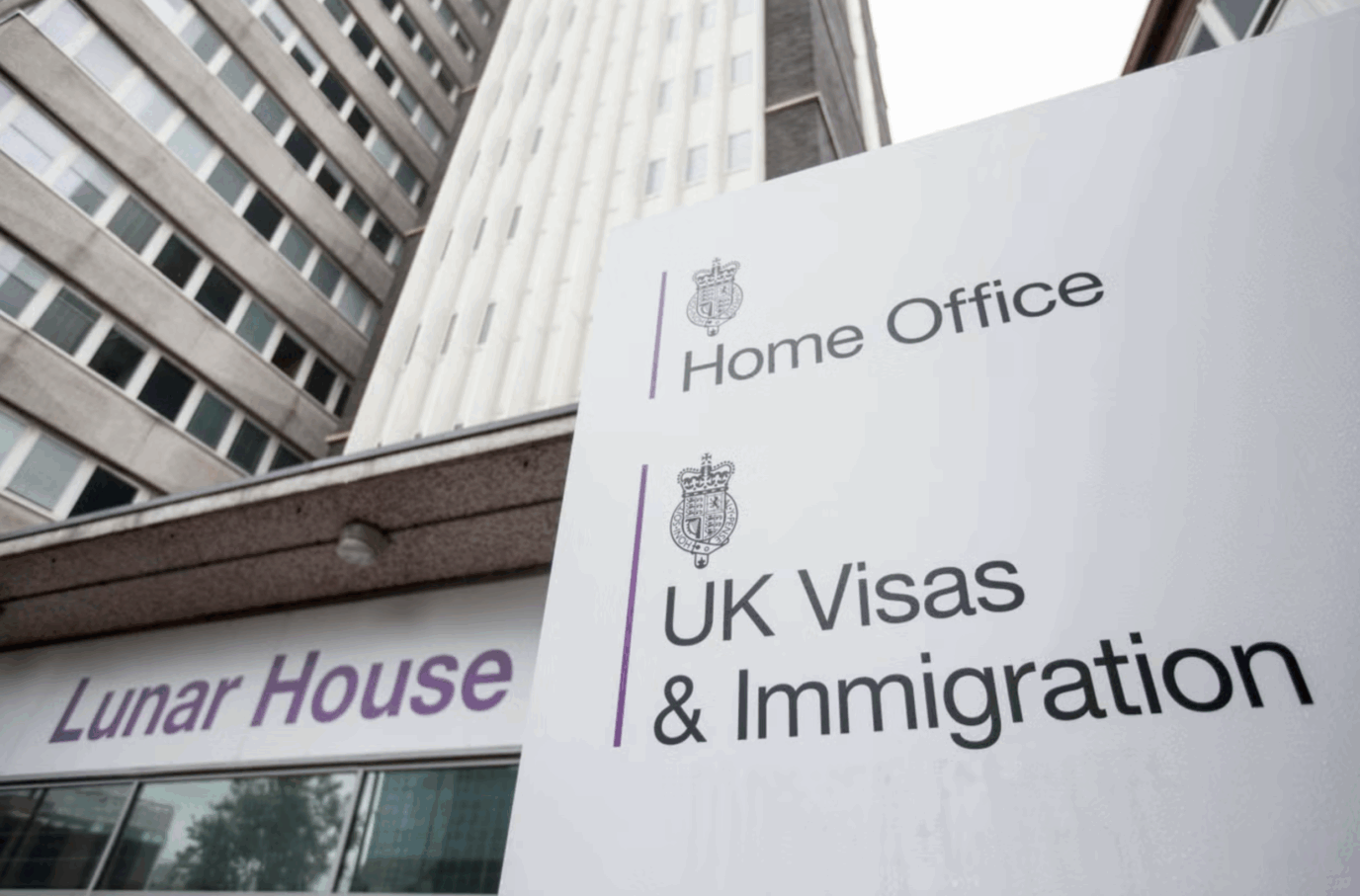
- Keep your status current. Biometric Residence Permits are no longer issued, and status is now held digitally as an eVisa linked to your passport. Make sure your UKVI account and passport details are up to date. (campaign)
- Know your conditions. Work hours, study rules and visa expiry dates matter more when enforcement tools get sharper.
- Act early on a problem. If you have overstayed or fear you have breached a condition, get advice from a regulated immigration adviser or solicitor before an encounter forces the issue.
- Know your rights if approached. Officers say cooperation with image capture is voluntary and that a match alone is not grounds for action. Ask what power they are relying on.