


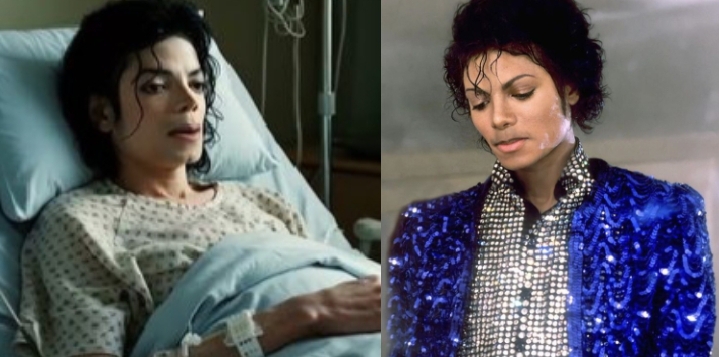
Long before the world called him the King of Pop, Michael Jackson was already a prisoner of the night. Under the stage lights, his body glowed with the brilliance of someone superhuman — spinning, gliding, and electrifying arenas with a precision that seemed almost divine. Yet, when the applause faded and the lights went out, the same man found himself locked in an endless war against silence. In his final years, sleep — that most ordinary of human needs — became his greatest unattainable luxury.
Doctors called it insomnia, but for Michael, it was something darker — a haunted stillness that no lullaby, no prayer, and no sedative could touch. The stage had become his sanctuary, and sleep his exile. Behind the glass walls of his bedroom in Holmby Hills, as the world assumed a king was resting, Michael’s mind wandered through corridors of noise — rehearsals, lawsuits, childhood memories, and the ghosts of unhealed trauma.
The tragedy of Michael Jackson’s sleeplessness is not just a medical story — it is a story about the collision between genius and fragility, about what happens when the body of a man is forced to serve the myth of an immortal.

To fully grasp why Michael couldn’t sleep is to peel back the curtain on fame, neuroscience, and the quiet collapse of a human nervous system overstretched by fear, perfection, and pharmaceutical sedation.
The Weight of Stardom and the War on Silence
Sleep was never part of the Jackson family’s routine. From the age of five, Michael’s life followed the rhythm of rehearsals, cameras, and competitions. His brothers could rest between shows; he could not. Perfection demanded wakefulness. Every night before a performance, he would practice until dawn, miming steps and whispering harmonies into mirrors, searching for flawlessness that didn’t exist.
As the Jackson 5 became Motown’s golden ticket, Michael’s nights began to merge with his days. On tour buses and backstage rooms, his world was noise — fans screaming, instruments tuning, managers arguing. Silence, when it came, frightened him.
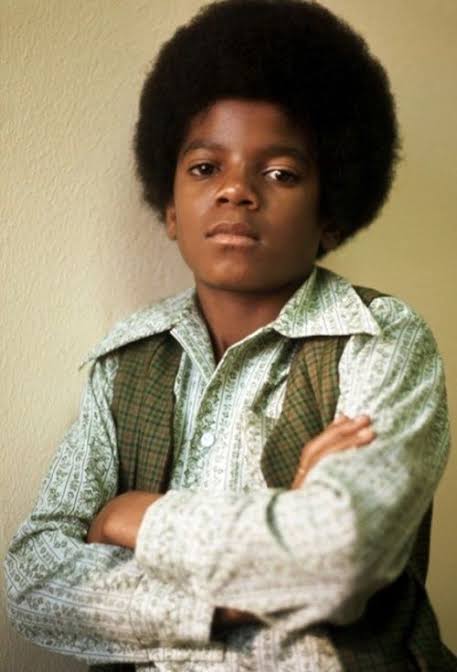
In those early years, insomnia was less a disorder than a side effect of ambition. But it planted a seed — the idea that sleep was weakness, that stillness meant lost momentum.
By his twenties, the stage had turned into both church and battlefield. The applause fed his dopamine; the adrenaline masked his fatigue. His mind, conditioned by decades of spotlight, learned to survive on stimulation. Like many performers, he trained his body to run on cortisol and caffeine — the twin fuels of survival in an industry where rest is treated as laziness. Behind the glamor, the human nervous system was deteriorating.
To sleep, Michael would later tell doctors, was to lose control — and control was the only thing he had left.
Childhood Trauma and the Body’s Memory
The roots of Michael’s insomnia trace back to Gary, Indiana, where his father’s voice often cut through midnight rehearsals like a whip. Sleep, for the young Jacksons, was conditional — earned only after perfecting every harmony.
Joseph Jackson’s discipline was legendary, and Michael, the youngest performer, bore its brunt. Fear became his earliest stimulant.
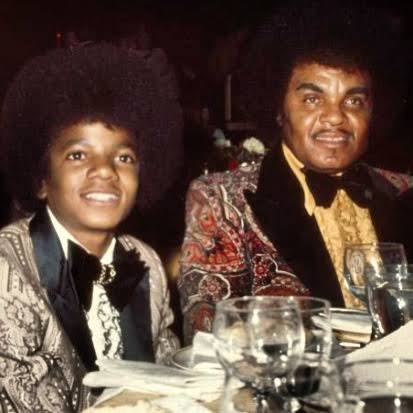
Psychologists describe this as hypervigilance — a condition where the nervous system remains in constant alert, unable to relax. For Michael, childhood never ended; his body remained trapped in that state of vigilance, anticipating criticism, waiting for noise. Trauma, once encoded into the brain’s survival circuits, becomes a lifelong electrical pattern. Even decades later, the body remembers.
Onstage, he tried to overwrite that memory through performance. Each show was both therapy and torment — an explosion of energy that left him drained but unable to rest. Sleep requires surrender; trauma forbids it. The very brain that made him a genius also trapped him in cycles of adrenaline that defied rest.
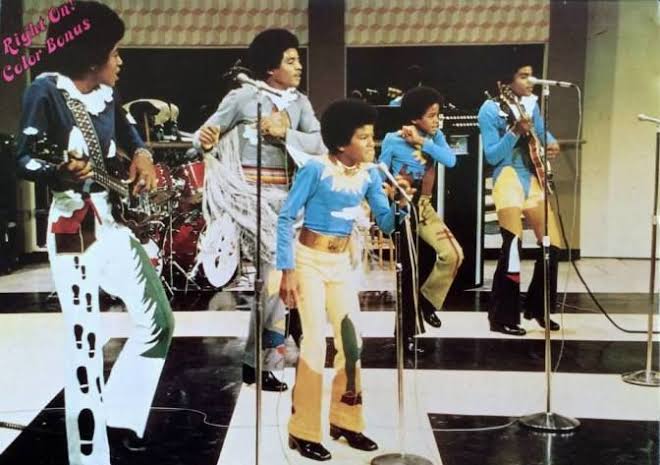
By adulthood, Michael’s nervous system was a paradox — hyperactive and exhausted, brilliant and brittle. No therapist could reach the child still rehearsing inside him.
Propofol: The Artificial Dream
When Michael’s autopsy revealed traces of propofol, a hospital-grade anesthetic never meant for home use, the world gasped. Few outside medicine knew what it was — an intravenous agent used to induce unconsciousness during surgery. It was not a sleeping pill; it was a medical knockout. And yet, for Michael, it became his nightly lullaby.
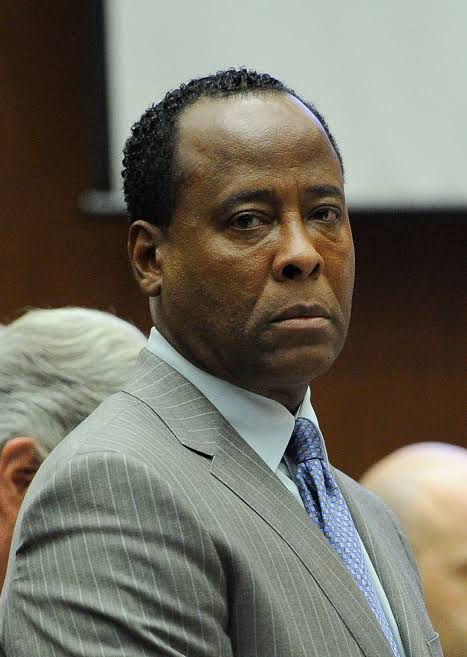
His physician, Dr. Conrad Murray, administered it in tiny doses, trying to mimic natural sleep. But propofol doesn’t replicate sleep’s cycles — it erases them. It shuts down brainwave activity in a way that deprives the body of REM, the stage responsible for dreaming, emotional recovery, and memory repair. On propofol, the body lies still, but the brain does not rest. Over time, the absence of REM becomes catastrophic: mood instability, hallucinations, immune failure, and cellular stress.
Michael’s body was deteriorating quietly. His heart, liver, and nervous system bore the hallmarks of long-term deprivation. Propofol robbed him of the nightly neurological repair that humans require. It silenced his consciousness, but it did not heal him.
The Science of Sleep and the Damage of Deprivation
Human sleep follows intricate stages: NREM (non-rapid eye movement) and REM (rapid eye movement). During NREM, the body repairs tissues and regulates hormones; during REM, the brain consolidates memory, balances emotions, and detoxifies neural pathways. Without these cycles, the human organism begins to break down.
Michael’s years without REM created biological chaos. Studies show that prolonged deprivation leads to memory loss, emotional volatility, and metabolic dysfunction. The immune system falters, the heart strains, and the body’s inflammatory responses surge. Sleep isn’t a luxury — it is the silent mechanic that keeps the human machinery alive.
Doctors later theorized that his constant exhaustion — fainting spells, chronic infections, weight fluctuations — all traced back to this deprivation. The irony was cruel: the man who made millions dream through music had lost the capacity to dream himself.
Each night under propofol, Michael’s brain was denied its nightly cleansing. Toxic proteins accumulated in his neurons, the same kind linked to Alzheimer’s and depression. In essence, he was slowly dying from sleeplessness long before his final night.
The Loneliness of a Global Icon
For a man who spent his life surrounded by fans, Michael Jackson was profoundly lonely. Isolation amplifies insomnia. Studies in sleep psychology show that social detachment heightens nocturnal hyperarousal — the inability to shut off the mind due to emotional vigilance. Jackson’s isolation wasn’t ordinary; it was engineered by fame.
By the late 1990s, his public appearances had become rare, his friendships dwindled, and his world reduced to guarded estates and rehearsals. Inside his homes, clocks were few; time lost meaning. Assistants whispered through hallways to avoid noise. His conversations often drifted to childhood — a time he never lived normally. He longed for companionship but feared intrusion, creating a paradox of desire and defense that mirrored his sleep struggle: wanting connection but resisting vulnerability.
Psychiatrists might describe this as hypervigilance syndrome — a state where trauma survivors maintain a constant internal alertness. Michael’s version was shaped by scrutiny. Every headline, every lawsuit, every whisper about his face, his children, his finances — each added another layer of insomnia. Sleep requires trust; he trusted no one.
The image of him lying in bed, wired to an IV drip, a security team outside his door, encapsulates the contradiction: the most watched man in the world dying from solitude.
The Pressure of Perfection and the Machinery of Fame
In the final decade of his life, Michael’s perfectionism became both armor and poison. Every public appearance, every whisper of comeback, reawakened the anxiety that had haunted him since childhood. He believed the world still demanded Thriller, that the stage would heal what life had broken.
The “This Is It” concerts were meant to be redemption — fifty shows in London that would prove he was still invincible. But behind the choreography and optimism was panic. Rehearsal tapes reveal a man brilliant yet fragile — his body thinner, his gestures slower, his eyes pleading for rest. The more his team pushed, the more he leaned on medication.
Fame is an ecosystem that feeds on denial. The industry around him depended on his productivity — every sleepless night meant more rehearsals, more profits. Doctors came and went, each prescribing what the previous couldn’t fix. The paradox was inescapable: to perform like Michael Jackson, one had to abandon being Michael Jackson.
By 2009, his mind was fractured between duty and desperation. He wanted to live, but only through the stage. He wanted rest, but only through chemistry. He wanted peace, but only through oblivion.
The Mind’s Collapse and the Body’s Cry
By mid-2009, the signs of physiological breakdown were everywhere. His heart was under strain; his muscles were wasting. He experienced chronic dehydration, confusion, and paranoia. These were not moral failings — they were the measurable consequences of a brain denied sleep.
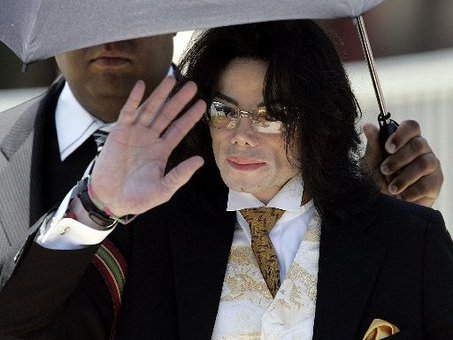
Neuroscientists explain that after 72 hours of wakefulness, the brain’s prefrontal cortex — the region responsible for judgment and decision-making — begins to fail. After weeks or months of fragmented rest, hallucinations may appear. Michael’s later interviews, filled with anxious digressions and emotional outbursts, bore these markers.
He often described hearing rhythms in his head that wouldn’t stop — a kind of auditory hallucination common in sensory-deprived brains. The music that made him immortal also refused to leave him alone. His mind, deprived of natural dreaming, began to dream while awake.
The tragedy wasn’t madness — it was biology. The human brain is not designed to bear constant applause.
The Night of June 25, 2009
In the early hours of June 25th, the mansion at 100 North Carolwood Drive was unnervingly still. Cameras recorded no chaos — just routine. Michael had rehearsed until past midnight, driven by both exhaustion and momentum. When he returned home, his body was trembling. Murray administered sedatives: lorazepam, midazolam, and finally propofol.
Minutes later, the rhythmic sound of his breathing slowed. The drug, intended to induce unconsciousness, crossed the thin margin into cardiac depression. When Murray returned to find him unresponsive, the myth of immortality collapsed. The man who could stop time onstage had been stopped by biology.
At 2:26 a.m., the world’s most famous insomniac was declared dead. The official cause: acute propofol intoxication. The unofficial cause: a lifetime of sleeplessness, unprocessed trauma, and an industry that mistook exhaustion for excellence.
The news spread before dawn — the hour he once feared most.
The Doctor, the Drug, and the Unspoken Dependency
Dr. Conrad Murray’s involvement in Michael’s final months exposed a hidden truth of celebrity medicine — the transactional intimacy between doctor and patient. Murray wasn’t the first physician to medicate Michael’s sleeplessness, but he became the last. What began as medical assistance evolved into dependence — not on the drug itself, but on the illusion of safety it offered.
In court, prosecutors framed Murray as reckless; defenders described him as compassionate but overwhelmed. The truth sat somewhere between. Michael’s requests for propofol were persistent, his logic tragically simple: “I just want to sleep.” But the science of the drug made that impossible. Propofol suppresses REM, meaning the brain never truly rests.
In effect, Michael was chasing a neurological ghost — the sensation of peace without the process of repair. Over time, his metabolism adjusted, demanding higher doses to achieve the same stillness. The threshold between sedation and death grew thin.
Murray’s guilt became legal, but the system’s complicity was collective. For years, multiple physicians had treated Michael’s insomnia as a symptom to suppress, not a story to understand. They medicated the wound without tracing its origin — a society’s demand that brilliance must never pause.
The Body Remembers What the Mind Suppresses
In the autopsy that followed, medical examiners found a body far older than fifty. His frame was underweight; his internal organs showed stress typically seen in chronic patients. His brain, though intact, carried signs of prolonged chemical interference — an organ forced to sleep without rest.

But the deeper story wasn’t written in tissue — it was written in the body’s silence. Neuroscientists confirm that the absence of REM damages the hippocampus, the seat of emotional memory. Over years, it erodes empathy, resilience, and stability. Michael’s increasing fragility — his paranoia, his tears, his childlike escapism — were the neurological echoes of a mind deprived of renewal.
In the end, the body keeps the score. It remembers every sleepless night, every forced awakening, every suppressed cry. Michael’s body had become a ledger of his sacrifices — for music, for perfection, for love that never fully returned.
Beyond the Curtain: The Human Cost of Immortality
After his death, the world mourned the performer but rarely discussed the patient. Documentaries and tributes celebrated his genius; few examined his insomnia as a warning. In a culture that equates productivity with worth, sleep deprivation remains glamorized — “the grind,” “the hustle,” “no days off.” Michael’s story exposes the cost of that illusion.
Sleep is not laziness. It is humanity’s truest humility — the nightly admission that even kings must close their eyes.
When fans visit his grave, they often leave letters addressed to Michael, the Dreamer. Yet perhaps the deeper tribute lies not in dreaming of him, but in understanding what killed him: a world that demanded constant performance, a body that could no longer comply, and a mind that mistook sedation for rest.
Eternal Echo— The Night Never Ended
In the final measure of his life, Michael Jackson never found sleep because he was never allowed to be still. His story is not simply one of fame or medicine, but of a species that forgets its limits. In chasing brilliance, he lost the one thing brilliance requires — restoration.
The science explains how he died; the tragedy explains why. Between his sleepless nights and luminous performances lies the same truth: that genius, when deprived of rest, eventually self-destructs.
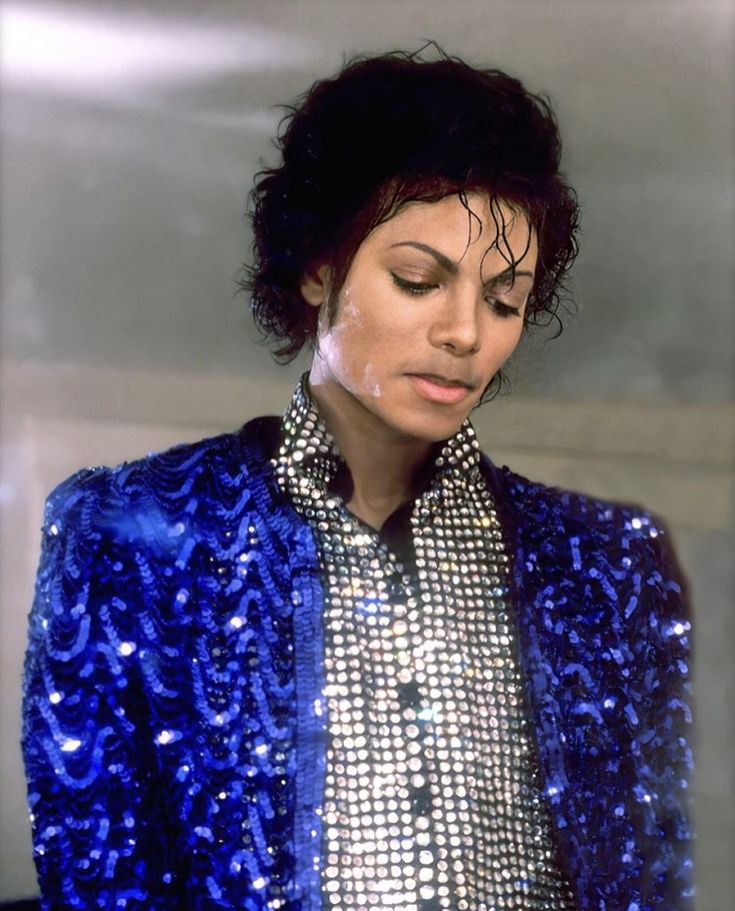
Michael’s life was a symphony without pause, a melody too long sustained. And somewhere, beyond his death, the lights, the applause, and the endless demands of the waking world — his restless mind may, at last, have found rest.

Discussion about this post