


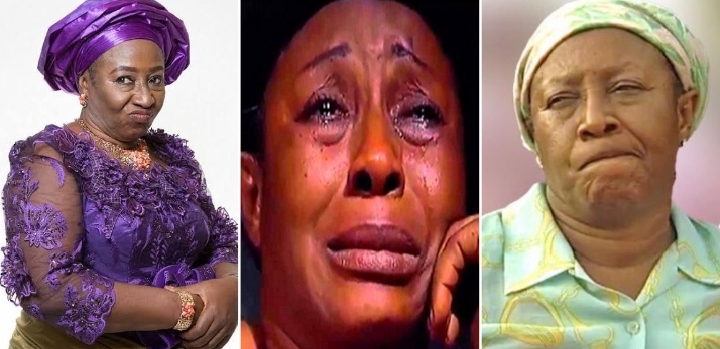
There are actresses who act; then there are those who live entire generations’ emotions on screen. Patience Ozokwor belongs to the latter. Her face, etched in the collective memory of millions across Africa, became synonymous with rage, retribution, and resilience. When she glared, the camera flinched. When she wept, it felt like ancestral thunder echoing across every mother’s heartbreak.
Yet, beneath the roles that earned her the title Mama G, beneath the layered personas of mothers turned monsters, in-laws turned tormentors, and widows turned warriors — there was a woman carrying her own theatre of grief long before the director said action.
Few understood that Patience Ozokwor was acting through pain, not around it. Her fiercest screen moments were not conjured from imagination; they were memories, resurrected. Behind the fame and fury was a woman who had lost too much, too early — a young widow, a grieving mother, a woman who once whispered to herself between takes, “I’m still here.” She was not born cruel; she learned to survive through the roles that demanded she hide her softness.
And so, while audiences gasped at her venom, she was quietly nursing the ache of a life that had tested her faith more times than applause could heal. The woman behind the scowl was crying in silence — but no one saw it.

From Coal Dust to Camera Light
Long before she became the emblem of cinematic ferocity, Patience Ozokwor was just a young girl in Ngwo, Enugu State — a child raised in a world where dreams rarely survived the weight of duty. She was born in 1958 into a family that valued education and discipline, yet her earliest memories were not of classrooms, but of the quiet struggle to stay hopeful in a world defined by survival.
Her first love was storytelling. She loved to watch elders recount folk tales at dusk, how voices rose and fell with moral lessons wrapped in mystery. Those nights would later shape the tone of her acting — slow, deliberate, expressive, filled with rhythm and tension. But before destiny could call her to the stage, life had other plans. She married young, too young, by her own later admission. Her teenage years dissolved into motherhood and the daily demands of being a wife in post-war Eastern Nigeria, where tradition often suffocated ambition.
Still, she found light in small performances — school plays, radio dramas, community theatre. Acting was a refuge, a place where she could borrow someone else’s voice, if only to escape the silence of her own. When her husband’s health began to fail, she became not just his caretaker but the family’s anchor. She buried her fears in faith, her sorrow in work, and her youth in responsibility.
Years later, when fame came, people would call her fierce. But she knew fierceness had not been a choice — it had been survival rehearsed through decades of quiet endurance.
The Widow Who Refused to Break
When death entered her home, it came not as a stranger but as a thief in the night — steady, unrelenting. Patience Ozokwor lost her husband Uduka. The man who had shared her modest dreams, who had promised her companionship even in poverty, was suddenly gone. The silence that followed his burial was unlike any role she would ever play.
It was then that she faced her life’s first defining act — raising her children alone in a society that pitied widows but rarely supported them. She was expected to remarry, to find protection under another man’s name, but she chose instead to fight her battles alone. For years, she worked odd jobs, teaching, running small trades, clinging to her children’s laughter as proof that life still made sense.
The world did not see this part of her — the nights she prayed with trembling hands, the mornings she rose to cook before heading to auditions, the bills paid with borrowed grace. What the cameras later captured as her “intensity” was the residue of all she had endured. She didn’t need to pretend to cry; she had learned to cry without sound.
That resilience — sculpted in loss — became the invisible foundation of the characters that made her a legend. Her pain became her language. And every time she screamed on screen, some part of her grief found release.
Becoming the Mother We Feared and Understood
By the late 1990s, Nollywood was still in its raw, unpredictable infancy — stories filmed in living rooms, edited in spare bedrooms, released on VHS tapes that traveled across Africa like secret letters. It was in this creative chaos that Patience Ozokwor found her home. She was not the glamorous heroine; she was the storm that gave the story its soul.
Her early breakout roles — Authority, Mothering Sunday — announced her presence with a force that no one could ignore. Her voice cut through dialogue like a blade. Her eyes spoke entire monologues. Viewers labeled her “wicked mother-in-law,” the face of domestic tyranny. Yet, what they didn’t see was how she approached each script with empathy, not cruelty. In her mind, every villain was once a victim.
The mothers she portrayed were mirrors of society’s suppressed women — those who had been silenced by loss, betrayal, and patriarchy. In Mama G’s hands, wickedness became a form of power reclamation. Her characters were flawed, yes, but they were also fierce reminders that women could wield authority, even if it came wrapped in bitterness.
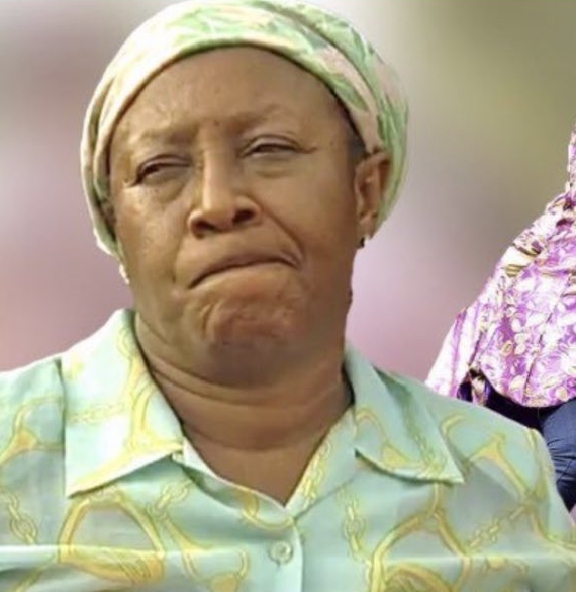
Off-screen, however, she remained soft-spoken, prayerful, deeply maternal. She once said she treated every young actor as her own child. It was irony at its most poetic — that the woman who scared an entire generation on screen was the same one who fed, counseled, and prayed for many behind the scenes.
When Grief Returned for Her Adopted Child
Fame, for all its noise, could not drown out pain. In 2010s, when her career had reached global visibility, another wave of heartbreak struck — the death of one of her adopted children, who died due to blood infection. It was a wound she never fully recovered from. Her public strength concealed a private emptiness, a grief so heavy that even her co-stars could sense her stillness between takes.
In interviews years later, she would recall how she questioned God, how faith became both her anchor and her argument. She found solace in her church, in her ministry, and in using her platform to mentor and uplift. Yet even there, she admitted that some nights the silence returned — the kind that only a mother who has buried her child understands.
When audiences saw her tear up in films like Blood Sister or Tears and Sorrow, they thought it was great acting. It wasn’t. It was remembrance disguised as performance. She once confessed that sometimes she didn’t need glycerine for tears — her eyes had memory. The world called it talent. Heaven knew it was mourning.
Faith as the Final Script
In her later years, Patience Ozokwor’s public identity transformed. The once-feared screen matriarch began to speak more openly about faith, forgiveness, and finding peace. She turned down roles that glorified evil, refusing to let the characters she once embodied define her legacy. For her, acting had been a calling, but salvation was a higher purpose.
Her conversion wasn’t sudden; it was the slow unveiling of someone who had walked through too many storms and finally found still waters. In churches, she preached about endurance, prayer, and the deceptive glamour of fame. She warned young actors not to confuse recognition with purpose. To many, she had shifted from Mama G to Mama Grace — a transformation that reflected her real journey from performance to peace.
Yet even in her faith, she never disowned her past. She often said those fierce characters taught her empathy — that playing broken women helped her understand redemption. The world might have remembered her for her rage, but she knew her greatest triumph was survival, not fame.
Legacy of a Thousand Faces
By the time the younger generation of Nollywood stars began calling her mama, Patience Ozokwor had already become a symbol of artistic endurance. Her career spanned decades, over 200 films, countless awards, and international recognition. Yet she remained grounded, often reminding journalists that her greatest reward was the ability to tell stories that outlived applause.
Her legacy is not just in her roles but in what they represented — the duality of African womanhood: soft yet strong, oppressed yet defiant, wounded yet unbroken. She redefined motherhood on screen, showing that love could be stern and still sacred. She also carried the moral weight of a generation that used cinema as therapy — to confront pain, hypocrisy, and resilience.
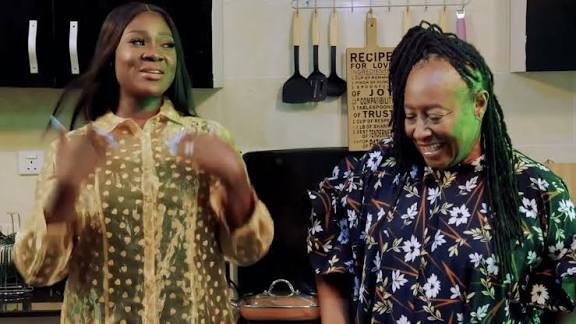
Younger actresses like Mercy Johnson, Destiny Etiko, and Chacha Eke have often cited her as inspiration — not just for her skill but for her discipline. She taught them that acting was not pretense but possession — the moment you let the character borrow your soul.
For Patience Ozokwor, every performance was a prayer whispered in the language of endurance.
The Private Smile Behind Public Pain
In quiet moments — away from film sets and flashing lights — she is known to sit alone, knitting, humming gospel hymns. To her close circle, she remains a paradox: a woman whose laughter carries traces of uncried tears, whose silence feels like a library of memories.
Those who know her say she rarely speaks about her personal tragedies anymore. She prefers gratitude. Her children, grandchildren, and church community are her new audience — one that doesn’t applaud but listens. She no longer performs; she lives deliberately, embracing peace as her final act.
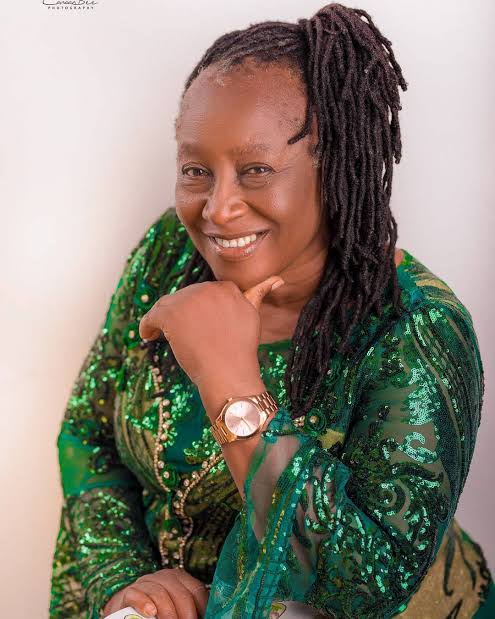
And yet, when old films replay on African Magic, when viewers gasp at her fury or marvel at her emotion, they are unknowingly watching history — the archive of a woman who turned her wounds into art. Every glare, every slap, every tear on screen was a fragment of her healing.
Patience Ozokwor’s story is not about fame or fear; it is about faith that endured the fire. Behind the fierce roles was always a mother who never stopped loving, a widow who never stopped believing, and an artist who never stopped feeling.
Closing Reflection: The Quiet Triumph of Being Seen
Today, as the industry she helped build evolves into streaming empires and global acclaim, Patience Ozokwor remains one of its purest testaments to authenticity. She did not chase fame; she lived truth. Her characters might have been written by others, but the emotion — that belonged entirely to her.
In every household where her films played, she became a moral presence — not because she was perfect, but because she was real. The tears no one saw behind her fiercest roles are the same ones that watered the growth of an entire industry.
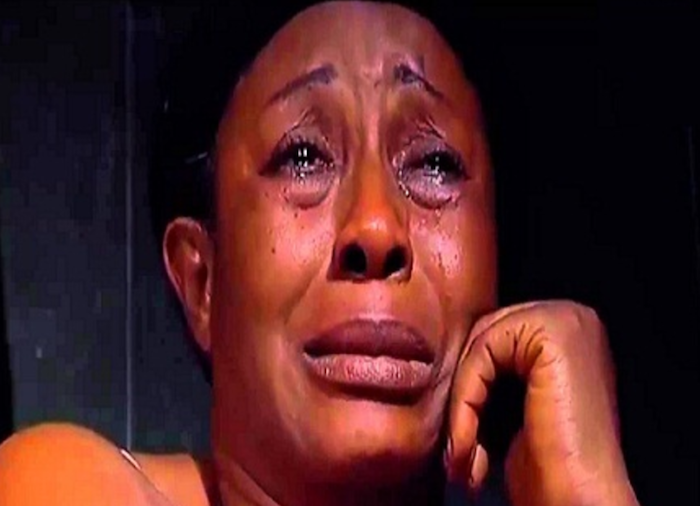
And now, as time softens her edges and deepens her grace, one truth endures: Patience Ozokwor’s greatest performance was not on screen, but in life itself — a life lived between fire and faith, where the world saw fury, but heaven saw tears.

Discussion about this post