


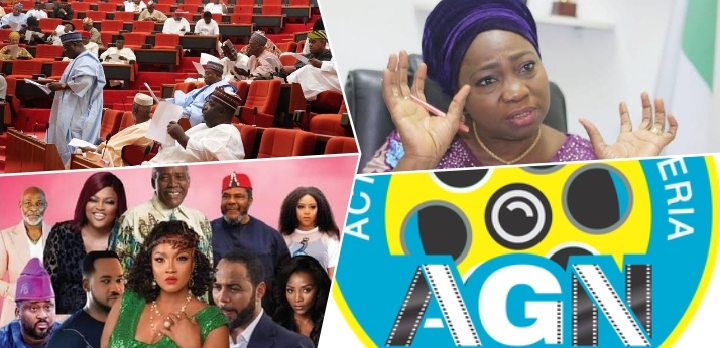
Before the microphones came on, before the cameras caught the room, something shifted in the air of the National Assembly that morning. It wasn’t politics — not yet. It was the faint hum of an unfamiliar language entering the most formal building in the country: the language of story.
They called it a “creative industry hearing,” but those who were there would later describe it differently. Actors stood beside lawmakers, producers sat beside clerks, and for the first time in Nigeria’s democratic memory, the nation’s dream merchants — Nollywood — faced the keepers of its law.
Between them stretched years of silence — of unsigned bills, stolen films, and budgets that never reached the people who turned Nigeria’s chaos into cinema. Outside, Lagos was still making movies; inside, Abuja was still writing rules. But that day, both cities met in one hall.
No one knew what would come of it. Some thought it would be another polite consultation. Others, a spectacle for the evening news. Yet in the pause before the first voice spoke, the deeper story was already forming: this was not just about copyright or funding — it was about whether the country’s storytellers could ever find protection in the very system they had spent decades dramatizing.
What really happened when Nollywood met the National Assembly wasn’t a single moment — it was the slow, uneasy handshake between imagination and authority. And it began in a room where both sides finally realized how much they needed, and feared, each other.
When the Lights Found the Chamber
Abuja in the early 2000s still smelled of new paint and untested power. The National Assembly was barely learning its own language of democracy, while a different kind of authority was rising hundreds of miles away in Lagos—one that came not from law but from story. They called it Nollywood, though it had no charter, no headquarters, and no license except the permission of millions who saw themselves for the first time on screen.
When a senator’s teenage daughter quoted a line from Living in Bondage during a committee retreat, the room reportedly broke into laughter. But something stayed with them: if the people were listening to actors more than to politicians, what did that mean for governance? Within a year, the new Senate Committee on Culture and Tourism had placed “Nigeria’s Home-Video Industry” on its discussion list. The word Nollywood would soon appear in Hansard for the first time.
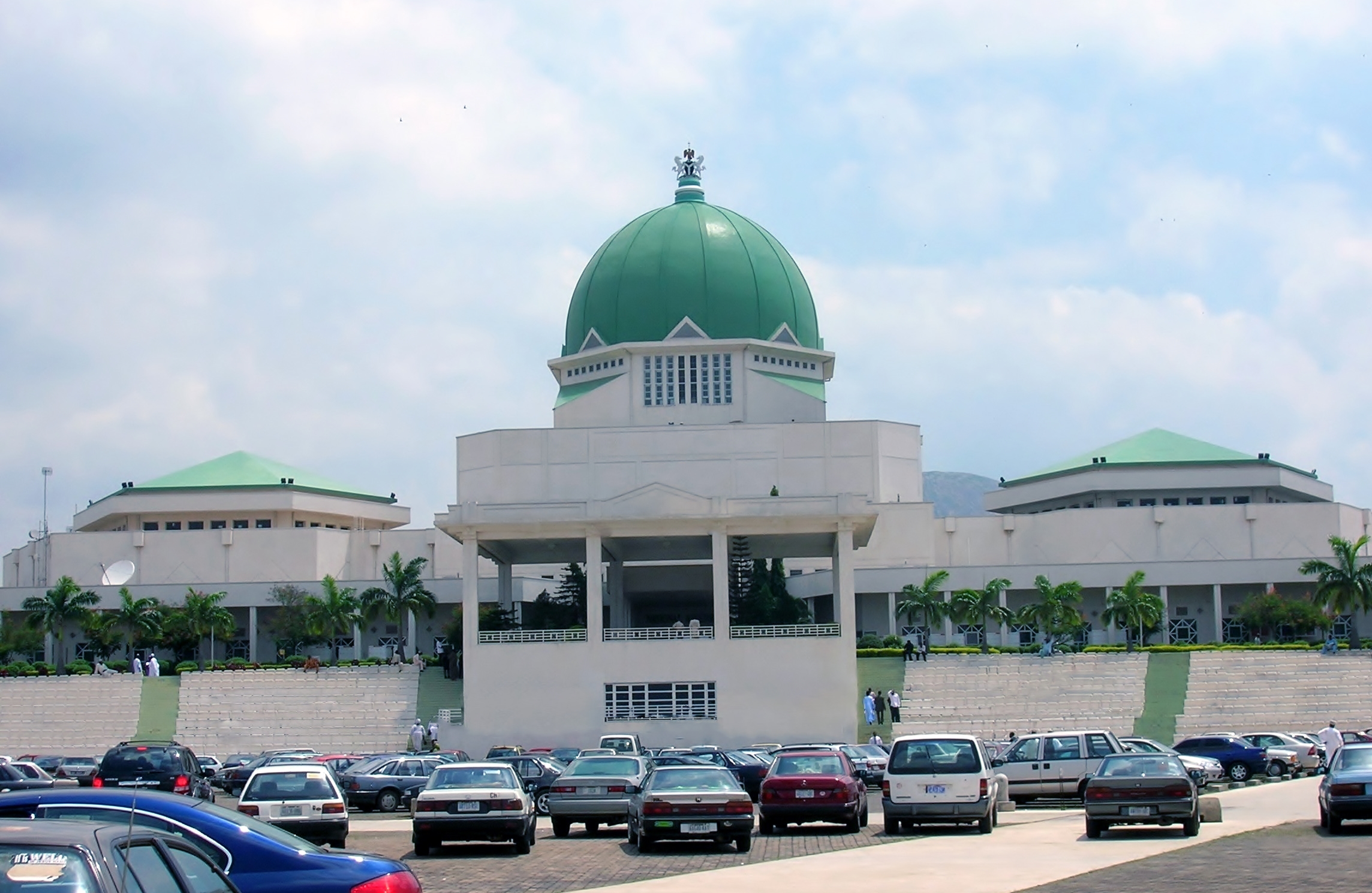
The committee members invited civil servants from the Ministry of Information to brief them. They were told the film boom was “informal but massive.” No taxes, no regulation, no data—only stories, sold by the thousands in plastic sleeves. Yet every lawmaker knew the industry’s reach; their own campaign jingles were being shot by the same cameramen who made those movies. Behind closed doors, some wondered if culture might become the new currency of influence.
Thus began the first quiet contact between Nigeria’s film dreamers and the keepers of its laws. Nollywood did not enter the chamber with fanfare. It slipped in as a rumor, a curiosity, a force the legislators didn’t yet understand. What they couldn’t see was that a second kind of parliament—one without a mace but with moral gravity—had already convened across the nation’s television sets.
When the Guilds Knocked on the Committee Door
By 2005, the laughter was gone. Piracy had eaten the heart of the industry, and actors were turning activists. At the National Theatre in Lagos, guild leaders drafted petitions detailing how producers lost entire investments to street hawkers selling bootlegs hours after premieres.
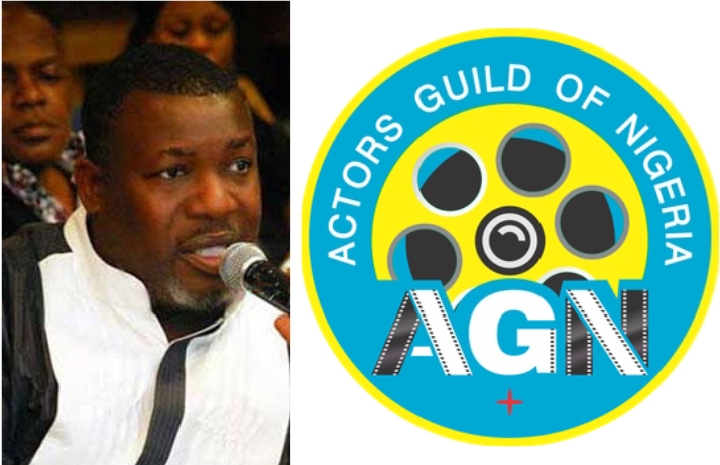
The letters carried signatures from the Actors Guild of Nigeria (AGN) under leadership of Ejike Asiegbu, the Directors Guild, and the Association of Movie Producers—and they were addressed to the House Committee on Information and National Orientation.
Weeks later, the delegation arrived in Abuja. Their entrance was unannounced: no red carpet, only folders thick with statistics. Inside Committee Room 034, they faced lawmakers who had never met a film crew before. They spoke about livelihoods destroyed by piracy; explained the economic scale—second only to agriculture in employment. The committee members listened, some skeptical, some stunned. The numbers contradicted the old assumption that cinema was frivolous.
The exchange shifted when a lawmaker asked who funded their films. “Ourselves,” came the reply. No subsidies, no grants, just loans and faith. The honesty disarmed the room. When the hearings ended, the committee resolved to call the Nigerian Copyright Commission (NCC) for a follow-up session. For the first time, piracy wasn’t a street problem—it was a parliamentary concern.
That day, Nollywood didn’t beg; it briefed. It walked out of the complex having introduced itself not as entertainment, but as industry. In those fluorescent-lit chambers, an unlikely realization dawned: storytelling had become an economic sector, and Nigeria’s laws would have to catch up.
When Piracy Became a Parliamentary Word
2011 turned out to be Nollywood’s reckoning year in Abuja. Hon. Abike Dabiri-Erewa, then chair of the House Committee on Diaspora, sponsored a motion highlighting the film sector’s annual ₦82 billion loss to piracy. The figure jolted the chamber. Suddenly, the word piracy—once associated with high seas and foreign trade—entered Nigeria’s legislative lexicon as a domestic emergency.
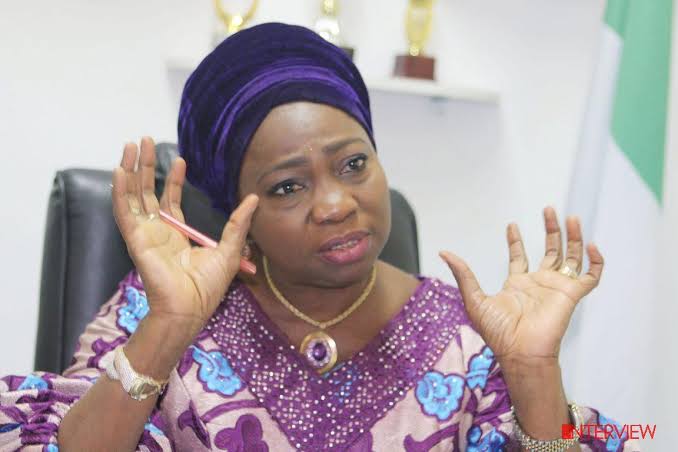
Public hearings followed. Representatives of the NCC, the National Film and Video Censors Board (NFVCB), and major guilds appeared before the House. Transcripts from those sessions show the rare convergence of bureaucracy and art: lawmakers demanding enforcement, filmmakers explaining digital loopholes. The conversation evolved from complaint to blueprint—recommendations for border checks, stiffer penalties, and technology-based tracking of DVDs.
Outside, the press framed it as Nollywood’s first victory in Abuja. But insiders knew better: this was survival, not celebration. The hearings exposed the fragility of the creative economy—an empire built on imagination but robbed in daylight. Lawmakers promised amendments; the NCC promised reform. It would take another decade to see the results, yet the seed had been legislatively planted.
That parliamentary motion did more than raise awareness. It repositioned film as a matter of national policy, not pop culture. Nollywood had officially moved from the margins of the economy to the minutes of a plenary session.
When the Film Fund Met the Gavel
By 2014, Nollywood’s fame had turned governmental. President Goodluck Jonathan launched Project ACT Nollywood, a ₦3 billion fund meant to strengthen training and distribution. Cameras flashed; speeches promised transformation. But within months, whispers of irregularities reached the Senate. Who received the grants? On what criteria?
The Senate Committee on Culture and Tourism, chaired then by Senator Ahmed Zanna, summoned officials from the Ministry of Finance and the NFVCB. Filmmakers were invited too. Testimonies clashed—some hailing the fund as a lifeline, others calling it selective. Senators requested ledgers, project lists, audit reports. The exchanges were tense but necessary: a lesson in transparency for a sector that had never operated under such scrutiny.
For observers, it was surreal to watch actors—once dismissed as dreamers—now defending budget lines before lawmakers. The spectacle symbolized maturation. Nollywood had entered the architecture of accountability; it could no longer afford opacity.
The committee’s final report advised stricter oversight and inclusion of guild representatives in future interventions. It wasn’t punitive; it was procedural evolution. In confronting the gavel, Nollywood learned the language of governance—and the Assembly learned that creativity, too, demands checks and balances.
When Reform Became a Script
Legislative reform is rarely glamorous, but in 2022 it achieved cinematic resonance. After years of drafts and deadlocks, the Copyright Act 2022 finally passed. It modernized protections for digital platforms, performer rights, and online royalties. The journey traced back to those early petitions of 2005.
Filmmakers and lawyers, through the Copyright Society of Nigeria (COSON) and other groups, had lobbied relentlessly. Committee clerks recall stacks of position papers taller than a film reel. When the bill reached the floor, both chambers debated it with unusual fluency—terms like “streaming rights” and “collective management” echoing beneath the green and red ceilings.

When President Buhari assented in 2023, the creative community exhaled. For the first time, the law recognized their new digital reality. The Assembly had not merely legislated for art; it had legislated with artists. Behind every clause lay two decades of testimonies, protests, and perseverance.
The Act became Nollywood’s quiet constitution—a legal acknowledgment that stories, too, are assets, and that imagination requires the protection of statute.
When Oversight Became Partnership
By 2024, the relationship had matured into collaboration. The Tenth National Assembly faced new questions: streaming regulation, taxation, and national image. Global platforms like Netflix and Prime Video were summoned for consultative sessions alongside the NFVCB and Nollywood guilds. The hearings were cordial but firm—how could Nigeria safeguard its culture without strangling creativity?
Industry veterans proposed co-regulation: content codes developed jointly by lawmakers and practitioners. The dialogue marked a turning point; oversight no longer meant hostility. It meant partnership. When discussions about the Creative Industry Development Bill began, legislators sought input directly from filmmakers.
The results showed. Budgetary debates now referenced film data; appropriations included training funds for the new Ministry of Arts, Culture and the Creative Economy. Lawmakers began attending film festivals, not as patrons but as stakeholders. The line between reel and real governance blurred in productive ways.
For a country once divided between bureaucracy and artistry, this partnership was rare harmony. Nollywood had taught the Assembly something priceless: that culture, when treated with respect, can be a form of soft power governance.
When Memory Became the Nation’s Archive
Two decades after that first Senate mention, Nollywood’s presence in Abuja no longer feels novel. Yet the deeper story is what lingers unseen—the way film has become Nigeria’s emotional record of governance. Parliamentary debates fade from public memory; movies do not. When historians trace social anxieties—corruption, gender, power—they often find the truth not in legislation but in scenes.
Lawmakers now cite films during plenaries to illustrate moral decay or resilience. It is not uncommon for a senator to invoke King of Boys when debating corruption, or for a House member to reference Half of a Yellow Sun while discussing conflict. The cinematic has entered the civic.
In this convergence lies the answer to the headline’s question. What really happened when Nollywood met the National Assembly was not a single meeting but a twenty-five-year conversation between art and authority. Each motion, each screening, each bill became a subtitle in the larger film of nationhood.
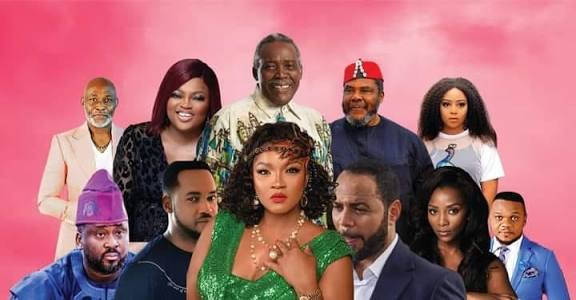
And when the gavel falls after every session, the cameras keep rolling. For in the end,
is the people’s Hansard—the record of what Nigeria felt while its laws were being written.
The enduring lesson: When the Credits rolled over the Constitution
Long after committees adjourn and reforms fade into bureaucracy, the nation returns home to its screens. There, in the flicker of light, lawmakers and citizens meet again—not across aisles, but across imagination. That is where democracy breathes most honestly.
Nollywood entered Parliament seeking protection and found purpose. The National Assembly, in turn, discovered that legislation without cultural memory is just ink. Together, they composed something neither could have written alone: a living script where governance listens, and storytelling governs.

That is, truly, what happened when Nollywood met the National Assembly.
Discussion about this post