


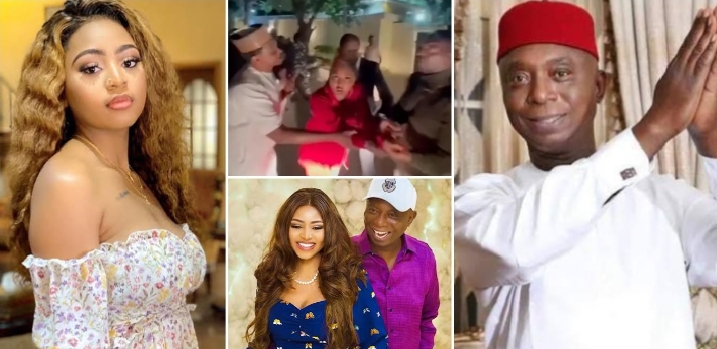
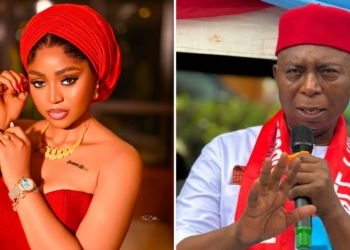
There are moments when the glimmer of a public marriage turns into a mirror that reflects the fractures within it. In Nigeria’s celebrity culture, few unions carried the magnitude of Regina Daniels and Prince Ned Nwoko. She was the face of Nollywood’s youthful rebirth—bold, luminous, a child star who became a woman beneath the flash of cameras. He was her opposite in time and tone—a billionaire lawyer, politician, and philanthropist whose wealth bore the quiet confidence of experience. Together, they seemed to embody the paradox of modern fame: love draped in luxury, affection photographed into permanence.
For years, their story felt scripted—each image a reassurance that the age gap, the criticism, and the public skepticism were merely background noise to a larger love narrative. They moved between worlds—the film set and the Senate chamber, the palace and the private jet—as if theirs was a romance ordained by contrast itself. Regina called him “my best friend.” Ned called her “my choice.” And the world believed it, or at least wanted to.
But beneath the choreography of affection, something older than the internet simmered: the ancient tension between love and control, admiration and possession. It waited, quietly, behind their mansion gates in Abuja and their social media captions written like verses of peace. Then, on that night of October 2025, that calm cracked. A video appeared—grainy, panicked, and real. Regina Daniels, shaken and frightened, said men had come for her, and that her husband had sent them.
The clip raced across the country faster than verification could catch up. Within minutes, hashtags replaced headlines; opinions drowned out facts. It was no longer just a marriage—it was an inquiry, a storm, a spectacle. In its echo, Nigeria found itself asking: What truth survives when a marriage becomes a stage and every gesture becomes evidence?
And that is where the story begins.

Prince Ned Nwoko: The Lawyer Who Bought Time
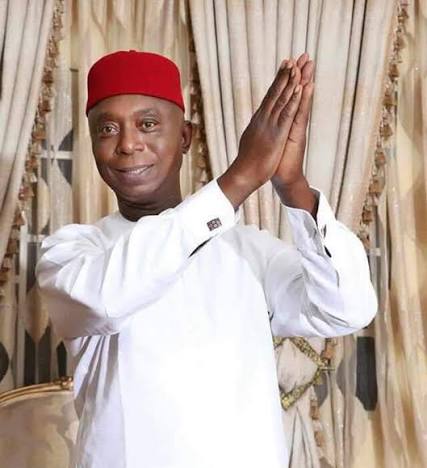
Prince Chinedu Munir Nwoko was not just another wealthy man from Delta State—he was a story written in law, lineage, and legacy. Born on December 21, 1960, in the royal family of Idumuje-Ugboko, he studied law at the University of Keele in Staffordshire, England, and later earned an LL.M in Maritime and Commercial Law from King’s College London. His early years were marked by an unusual ambition—to merge aristocracy with intellect, heritage with hustle.
By the late 1980s, Ned Nwoko had already built a thriving legal practice in London. He became the first Nigerian to establish a registered law firm in the heart of the city’s financial district. When he returned home in the mid-1990s, he brought back not only wealth but an aura of accomplishment. In a country that venerates both tradition and success, he was a hybrid prince—a man who could dine with diplomats in Abuja and still pour libation at ancestral shrines in Idumuje.
Politics came naturally to him. In 1999, he was elected to the House of Representatives under the banner of the People’s Democratic Party (PDP), representing Aniocha North–South and Oshimili North–South federal constituency. His voice carried the rhythm of confidence, his handshakes the weight of royalty. But like many of Nigeria’s power elite, his influence extended beyond politics—to real estate, education, and philanthropy.
By the time he met Regina Daniels in the late 2010s, Ned Nwoko had already become a symbol of elite endurance—a man who had mastered the art of living above scandal, of turning controversy into mystique. To many, he wasn’t just marrying an actress; he was marrying youth itself.
Regina Daniels: The Girl Who Grew Up on Screen
Regina Daniels’ story began far from the world of marble mansions and private jets. Born on October 10, 2000, in Asaba, Delta State, she entered the film industry at the tender age of seven, guided by her mother, Rita Daniels, a respected actress and film producer. From the beginning, Regina possessed a kind of light that the camera never quite captured fully—it shimmered with innocence yet hinted at early wisdom.
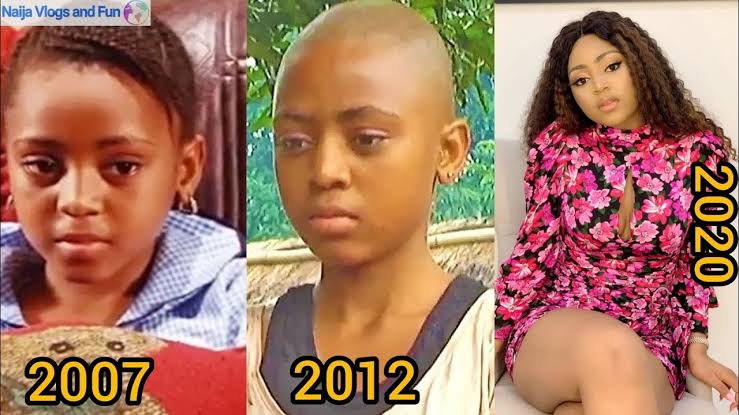
Her early roles in Nollywood films like Miracle Child and Jaja the Great made her a household name. By her teenage years, she had already acted alongside veterans, embodying characters with an emotional intensity rare for her age. Off-screen, she built a following among Nigeria’s Gen Z audience who saw in her the promise of modern stardom—a young woman balancing fame, beauty, and ambition in a male-dominated industry.
But it was not her acting that made her a national conversation—it was her life. In 2019, when rumors broke that the then-19-year-old actress had married the 59-year-old billionaire, social media erupted. Overnight, she became both a symbol of admiration and controversy. Critics accused her of trading youth for luxury; supporters argued it was her choice, her freedom.
What few understood was that Regina had grown up under public scrutiny. Her childhood had been spent on movie sets; her adulthood began in front of cameras. When she said “I do” to Ned Nwoko, it wasn’t just a marriage—it was the next act in a lifelong performance she never chose to stop.
The Marriage That Divided a Nation
When the news of their marriage became official in May 2019, the reactions were divided along lines of morality, age, and culture. To some, it was a scandal; to others, it was destiny. Ned Nwoko defended the union as both lawful and honorable, citing his Islamic faith and traditional customs that permitted polygamy. Regina, in turn, spoke of love and stability—how she found peace in maturity and wisdom.
Still, the marriage triggered national conversation about power imbalance, female agency, and the price of love in a patriarchal society. Feminists saw it as regression, conservatives as renewal. Religious leaders debated its ethics, while tabloids fed on its spectacle. For every critic that mocked the pairing, there was a fan who admired its audacity.
Yet, beyond the arguments lay something quieter—a story of two people navigating scrutiny as if it were a third partner in their relationship. They appeared at events together, traveled widely, and even launched joint philanthropic projects under the Prince Ned Nwoko Foundation.
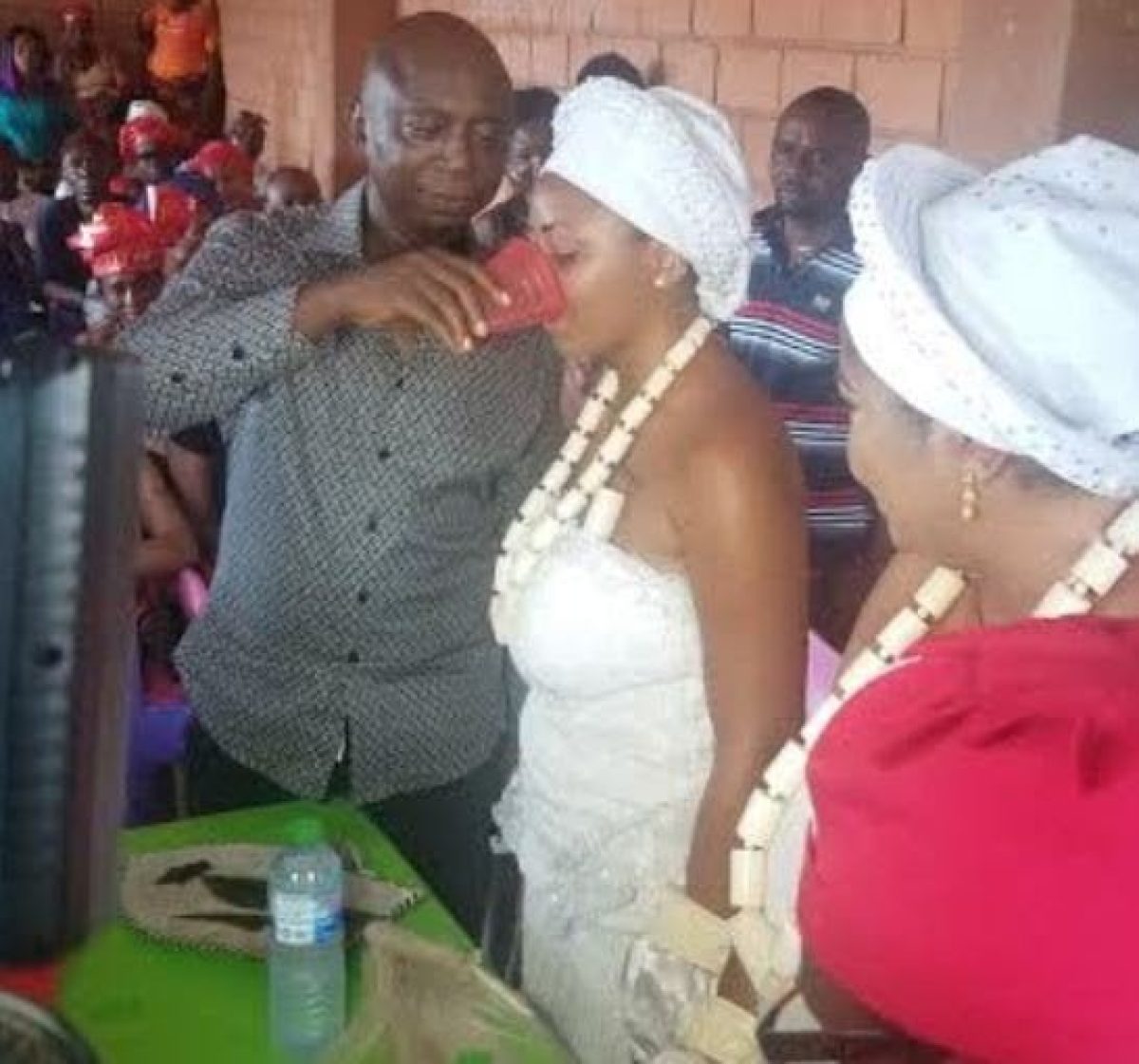
But beneath the glitter, the public kept asking: could affection survive when framed by so much calculation? Could love breathe freely when constantly defended as a choice?
Between the Camera and the Cracks
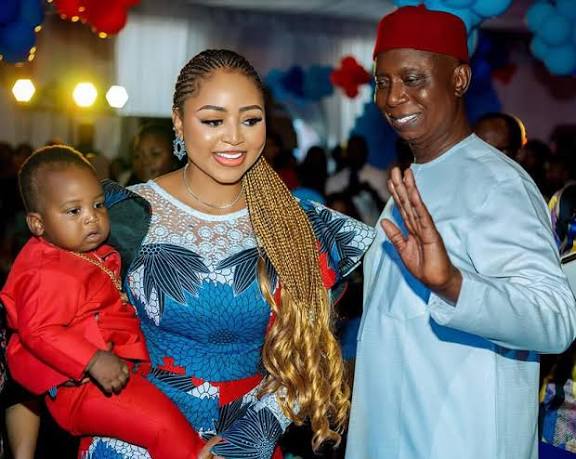
Over the years, the couple presented a portrait of consistency—smiling through press interviews, attending royal ceremonies, celebrating birthdays and childbirths with cinematic precision. They welcomed two sons, often photographed as embodiments of their peace. The marriage appeared stable enough to silence early skeptics.
Yet, whispers persisted. Rumors of emotional distance surfaced, sometimes fanned by Regina’s social media absences or cryptic posts. Anonymous sources claimed “disagreements” behind the scenes. Still, the couple appeared unfazed. Regina continued her career, balancing motherhood with film projects and brand endorsements. Ned expanded his philanthropic and political profile, occasionally hinting at a senatorial future.
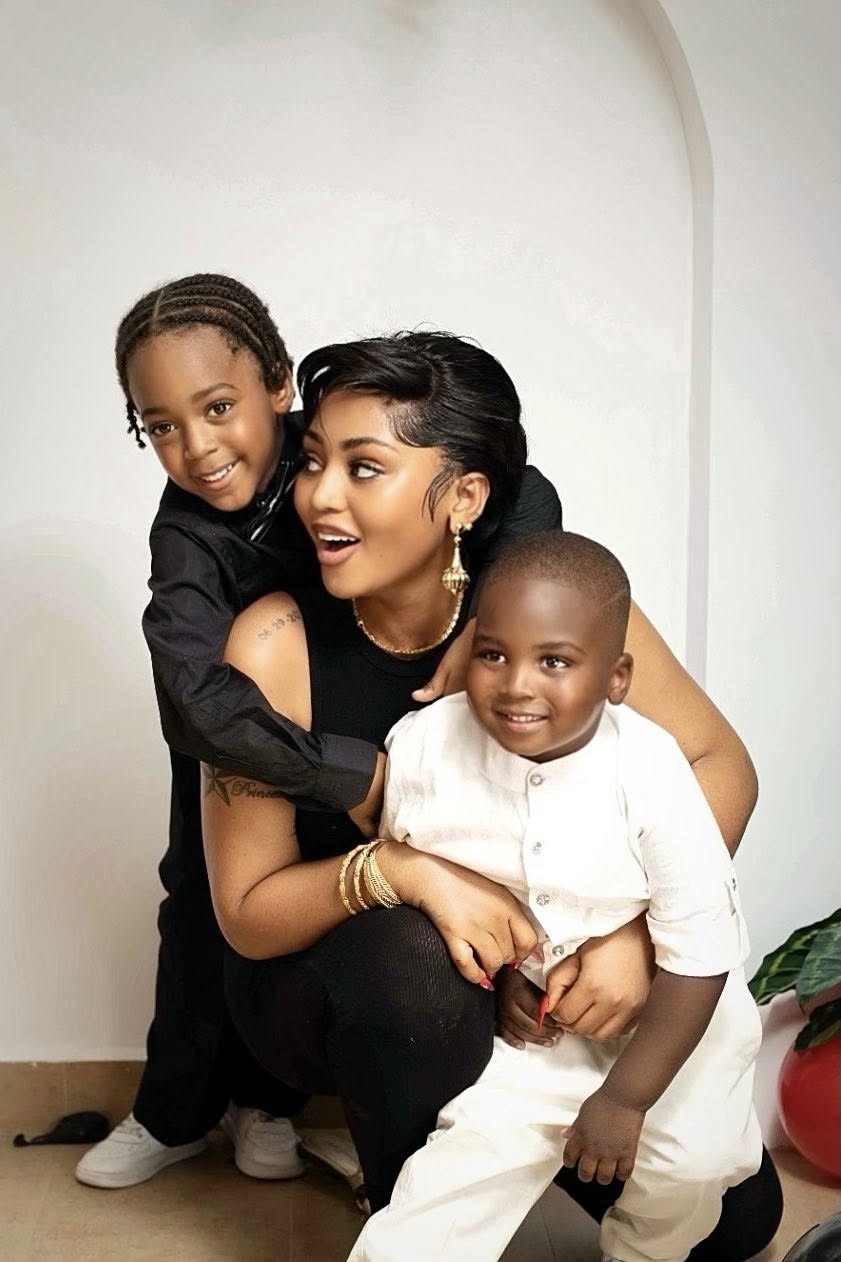
Theirs was the kind of calm that breeds curiosity. Many followers believed the union had matured into a functional companionship; others suspected tension buried under courtesy. Each public appearance became a scene to decode—was the smile real, the gaze mutual, the laughter unforced? By late 2025, the rumors had grown quieter but heavier, like clouds waiting for a storm to declare them.
Then, on October 18, 2025, the storm arrived.
The Moment the Internet Froze
It began with a video—unfiltered, unedited, almost trembling. In it, Regina Daniels appeared visibly distressed, her voice quivering between rage and fear. She confronted a group of unidentified men she claimed had been sent to assault her. Her words, spoken in haste, carried an accusation that landed like a thunderclap: she said her husband, Ned Nwoko, was behind it.
The clip surfaced hours after midnight and spread across social media within minutes. Millions watched as Regina’s trembling voice broke the illusion of serenity. Nigerians were stunned—not merely by what she said, but by who was saying it. A beloved actress, married to a figure of immense influence, now appeared as a woman cornered by her own reality.
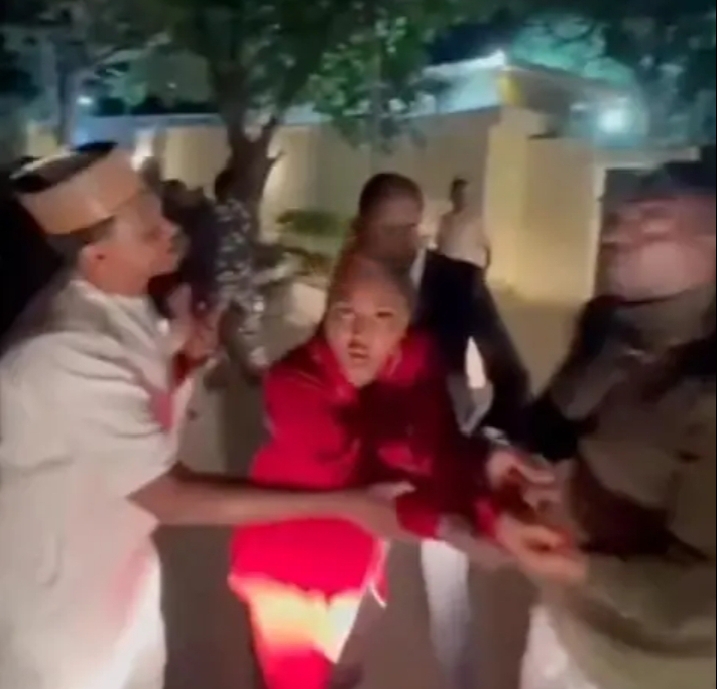
Her brother, Samuel Daniels (Sammy West), amplified her claim, posting statements online that hinted at ongoing abuse and long-suppressed grievances. The posts, though emotional, were not backed by direct evidence, but they deepened the sense of urgency. The internet became a courtroom without rules, a spectacle without pause.
It was no longer just gossip—it was accusation, counteraccusation, and moral theater. The story had escaped its participants.
The Counter-Statement: Ned Nwoko Speaks
By dawn, Ned Nwoko’s team released a carefully worded statement. It dismissed Regina’s allegations as fabrications fueled by emotional distress and online manipulation. The statement described the viral video as a misunderstanding “taken out of context,” and framed the confrontation as a domestic dispute “magnified for clout.”
Nwoko’s narrative was calm, technical, and legalistic. He emphasized that no assault took place, that his wife was “safe and at home,” and that certain “external influences” were exploiting her vulnerability. The tone was less defensive than strategic—it sought to reframe the scandal as an episode of instability, not violence.
But while the statement circulated through newsrooms, skepticism grew. Nigerians wondered how such a polished rebuttal could appear so swiftly. Some saw it as the reflex of power protecting itself; others read it as evidence of composure. What remained unspoken, however, was the deeper story—how quickly wealth can rewrite shock into structure, and how easily influence can turn panic into “misunderstanding.”
The story, once intimate, was now a national debate on truth itself.
Legacy, Power, and the Burden of Reputation
In the hours that followed, the noise around them became a kind of weather — restless, electric, unrelenting. The video moved faster than memory; by dusk, every corner of the internet had formed its own version of the truth. What had begun as a woman’s trembling accusation and a man’s measured rebuttal quickly grew into something larger — a mirror held up to a society still haunted by questions it refuses to ask aloud. What remains of a union when the gaze of a nation becomes its witness, jury, and chronicler? When every moment is amplified before context arrives?
Ned Nwoko remained unshaken in appearance, the stillness of a man who has spent years learning how to stand inside storms. His words came wrapped in poise, deliberate, precise — the voice of legacy defending itself. Regina Daniels disappeared from view, her absence becoming the canvas upon which the nation projected its theories. For every image of her smiling in old films, a new one arose — one of distance, of retreat, of something too heavy to name. Between them stretched not just a marital silence, but a generational pause — the space where power, beauty, and youth begin to weigh against one another.
No reconciliation came, no proof, no peace offering. Only the hum of speculation, looping endlessly like static over the truth. Their story — part romance, part arrangement, part institution — had turned into something elemental: a study in control and vulnerability. What they built together still seemingly stands, but its walls now echo differently; not with affection or ambition, but with the hollow music of reputation defending itself.
Closing Reflection: The Burden of Public Truth
When a statement meets its counter, it does more than clarify—it fractures. The Ned Nwoko–Regina Daniels saga will be remembered not for headlines, but for the way it exposed the delicate machinery of scrutiny, reputation, and influence. Every word becomes evidence; every silence, interpretation.
Within the tension, resolution remains possible—not in public proclamations, but in private reckonings. Some reports suggest her mother may step in, quietly mediating between the fractures, offering a calm that the glare of attention cannot provide. Truth may never be fully revealed, yet the ways we observe, question, and reflect create a form of understanding beyond spectacle.
In the end, the lasting impression lingers like a shadow: truth, once placed under the public eye, belongs as much to those who witness it as to those who speak it, and sometimes, the quietest guidance shapes the path toward reconciliation.
Discussion about this post