


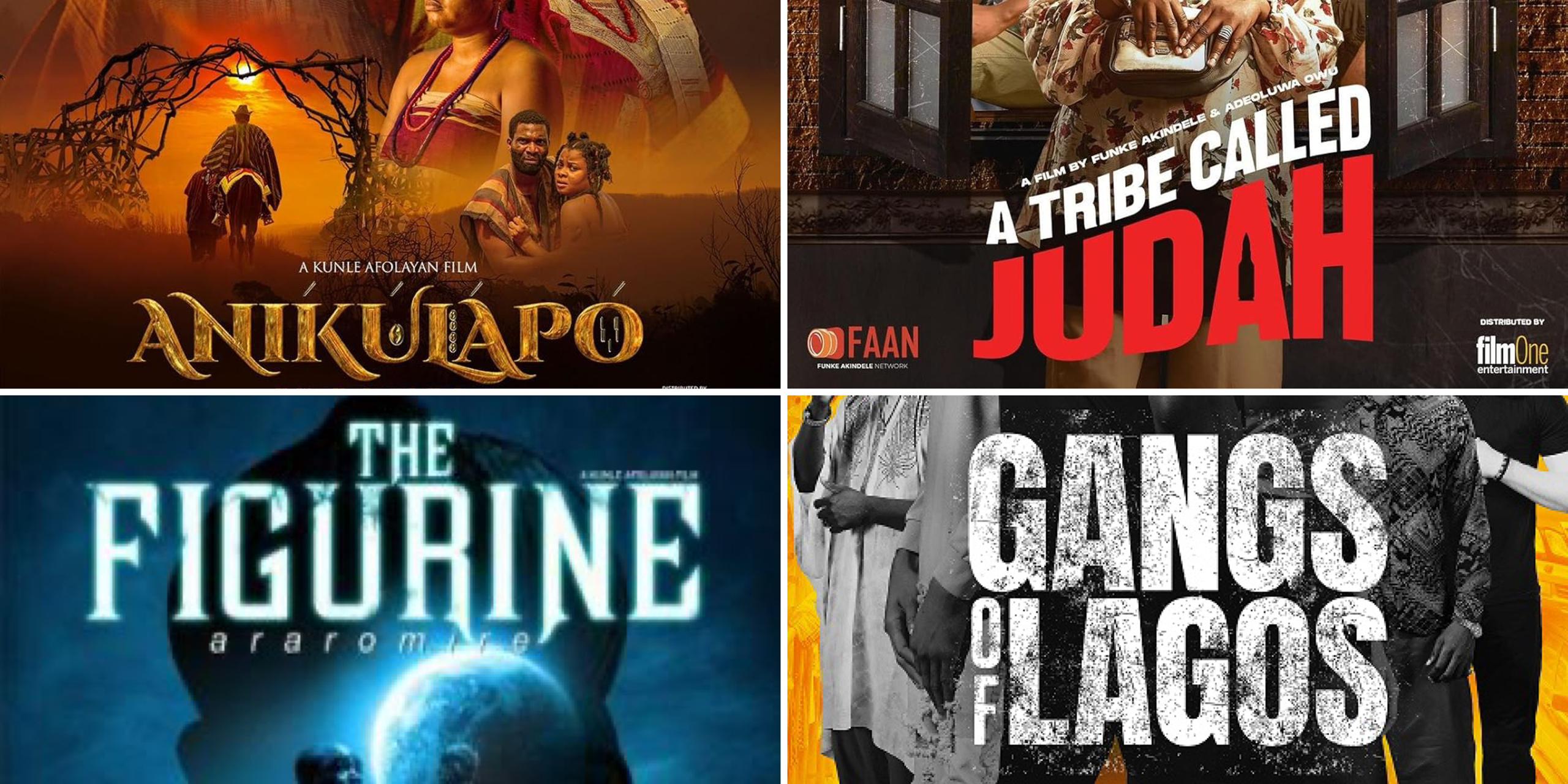
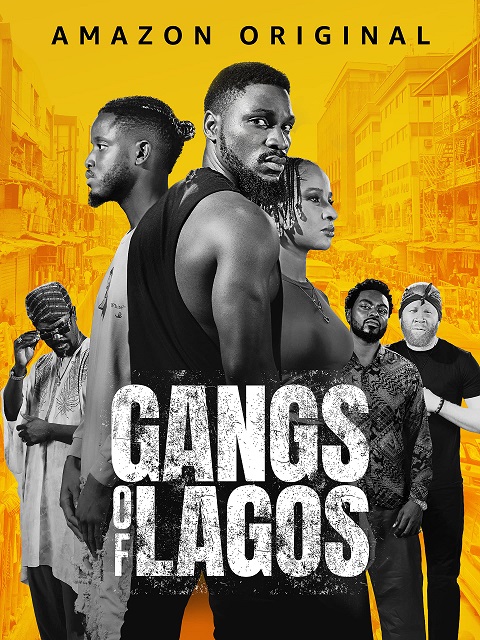
When the end credits rolled on Gangs of Lagos in 2023, the rhythm refused to fade.
Tolu “Tobee” Obanro’s score of blending cinematic orchestration with Lagos street sounds lingered in the audience’s memory as much as the film’s gritty storytelling. It was a reminder that in today’s Nollywood, music is no longer just a supporting act; it’s the emotional engine driving the experience.
In an industry that has matured from handheld storytelling to global streaming distribution, soundtracks have quietly become Nollywood’s new superpower, used as a tool of storytelling, branding, and cultural export.
A Turning Point: From Background Noise to Centre Stage
For decades, music played a functional but often underdeveloped role in Nigerian cinema. Early home videos in the 1990s leaned on repetitive keyboard loops and generic mood tracks. Production budgets were low, and music rarely received dedicated attention.
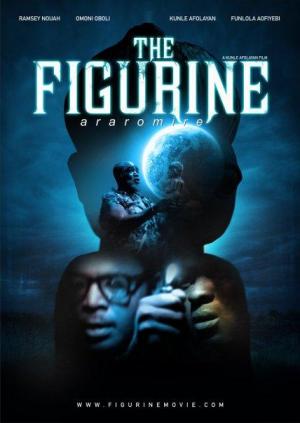
That pattern began to change with the rise of higher production values in the late 2000s. Kunle Afolayan’s The Figurine (Araromire) (2009) signaled a turning point, featuring a carefully composed score that underscored its supernatural tension. The film’s success, both critically and commercially, demonstrated that thoughtful sound design could elevate local storytelling to cinematic art.
The shift coincided with filmmakers embracing Nigeria’s musical heritage as a narrative device. Traditional percussions like the talking drum and ogene began to appear alongside Afrobeat-infused orchestration, reflecting the country’s evolving cultural identity.
The Afrobeats Effect
Nigeria’s global music dominance inevitably influenced its film culture.
By the mid-2010s, Afrobeats had crossed borders, and filmmakers began to tap into its emotional and commercial pull.
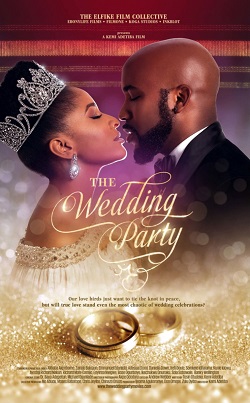
Films such as The Wedding Party (2016) turned their soundtracks into marketing tools. The romantic comedy featured songs by Wande Coal, Seyi Shay, and Tiwa Savage, turning cinema screenings into full cultural moments. The soundtrack’s popularity on radio and streaming services seemingly helped sustain the film’s visibility long after it left theatres.
Similarly, Jade Osiberu’s Gangs of Lagos (2023), produced for Prime Video, incorporated original music that merged the grit of street culture with cinematic scoring. Its soundtrack album, credited to Tolu Obanro, was later released separately on major streaming platforms. It’s a practice once rare for Nollywood but now increasingly common.
Industry Recognition Arrives
In 2025, Nigeria’s foremost music award, The Headies, introduced a new “Soundtrack of the Year” category as formal acknowledgment of a craft long overlooked.
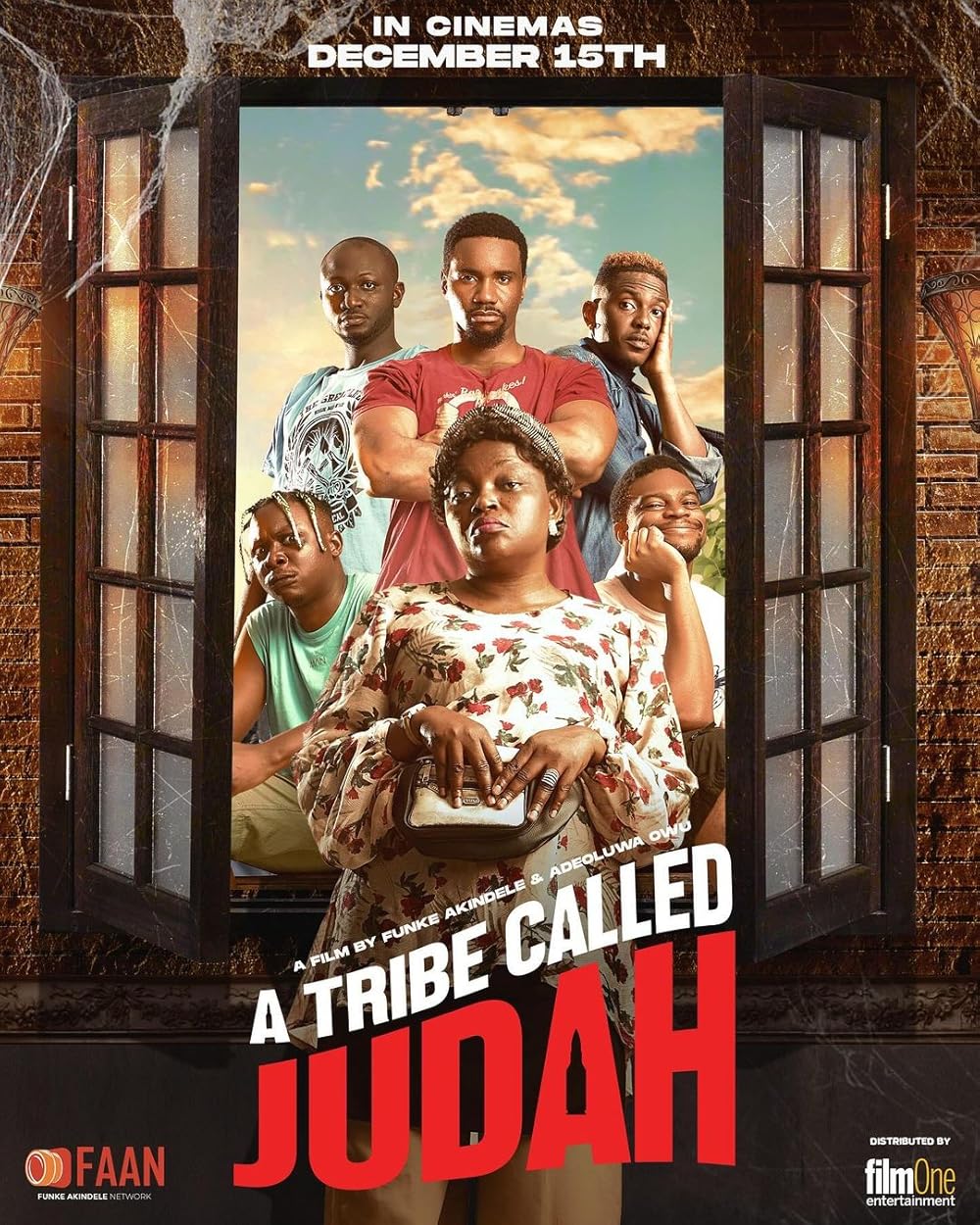
The new category celebrates composers and producers whose work “enhances cinematic storytelling and elevates Nigerian film music to global standards.” The inaugural winner of the award was the Tribe Called Judah Soundtrack (by TCJ & Abbey Wonder) from the movie A Tribe Called Judah.
For industry insiders, this recognition is a milestone. It places film composition alongside mainstream pop production, validating the creative and commercial value of the soundtrack industry.
A Business and Cultural Advantage
Soundtracks are now strategic assets. Beyond storytelling, they serve marketing and streaming functions. A catchy song from a film can go viral on TikTok or Spotify, pulling new viewers toward the movie.
In 2024, a report observed that over 60% of Gen Z audiences discover new films through music videos or soundtrack clips online, a trend mirrored in Nigeria’s mobile-first audience.
With platforms like Netflix and Prime Video commissioning more Nigerian originals, soundtrack licensing has become an additional revenue stream for composers, artists, and producers. Some filmmakers now negotiate soundtrack distribution deals parallel to film releases, a model similar to global practice.
From Local Emotion to Global Export
As Nigerian music continues to dominate global playlists, film soundtracks are becoming another cultural export pipeline.
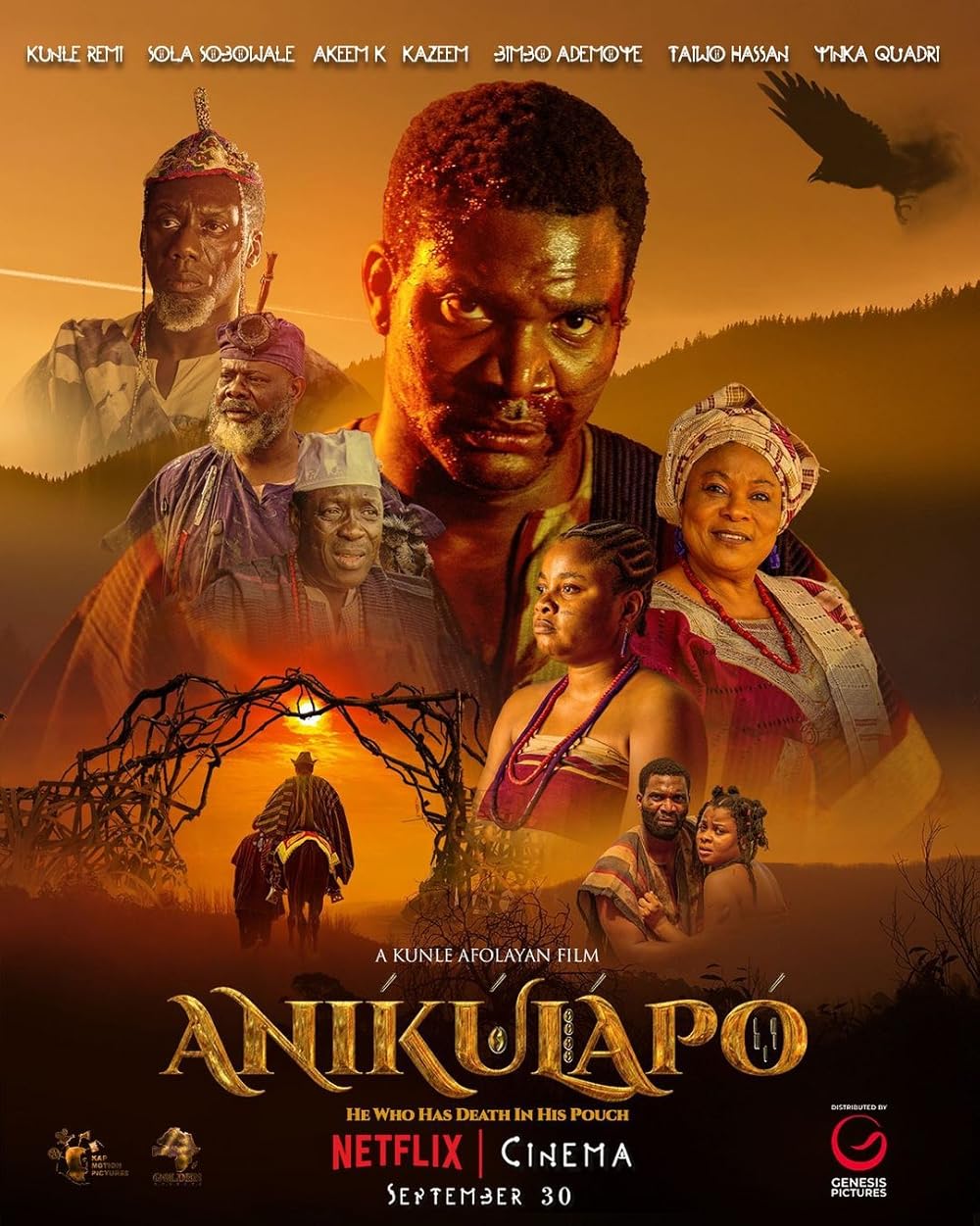
Netflix’s Aníkúlápó (2022), scored by composer Kent Edunjobi, blended Yoruba folk instruments with symphonic strings. It is a combination that resonated with international audiences and won critical praise.
Experts believe that with the right investment, soundtrack albums could become independent commercial projects, much like how Black Panther: The Album redefined film-music partnerships globally.
Challenges and the Road Ahead
Despite progress, challenges remain. Many Nigerian productions still operate without dedicated music supervisors or sufficient scoring budgets. Licensing negotiations can be murky, and copyright awareness remains low among independent filmmakers.
Industry observers have called for guild-level standards to protect composers’ rights and establish clear royalty structures for soundtrack distribution.
Nonetheless, the momentum is undeniable. The same creative energy that propelled Afrobeats onto global charts is now infusing Nollywood’s sound. With streaming platforms seeking immersive African content, the music-film partnership has become one of the industry’s most potent tools for growth.
Conclusion
In 2025, the lines between studio, stage, and screen have blurred.
Where once a film’s score was buried beneath dialogue, today it drives emotion, promotion, and sometimes even plot. From The Figurine to Gangs of Lagos, the evolution of Nigerian cinema has found its rhythm literally.
The bottomline is Nollywood’s next chapter, music is not the background, it’s the story itself.


Discussion about this post